Pickleball has transitioned from a recreational niche into one of the fastest-growing sports economies in North America.
According to data from major sports associations, participation in pickleball has grown rapidly in the past few years, with more than 36 million players engaging in the sport annually in the United States alone.
Facility development has accelerated alongside this growth, with hundreds of new courts, clubs, and private venues opening each year. Coaching demand has also surged, as beginners seek structured instruction and competitive players pursue skill advancement.
This growth is creating a more crowded marketplace – meaning visibility alone is no longer enough. Marketing for pickleball businesses now requires a specialized approach that matches how players actually discover opportunities, evaluate coaching and facilities, book sessions, and stay engaged long term.
In today’s environment, effective marketing is not optional – it’s a core business function that directly impacts revenue, retention, and sustainable growth.
Understanding the Pickleball Business Landscape
The pickleball economy includes several interconnected business models:
- Private clubs and facilities (memberships, court rentals, leagues, events)
- Independent coaches and academies (lessons, clinics, camps, packages)
- Municipal programs (volume-based play, accessibility, partnerships)
- Tournament organizers (registrations, sponsorships, local activations)
- Multi-sport venues (pickleball as a revenue-driving add-on)
Each model has different constraints, but they share the same challenge: consistent player acquisition and retention.
A typical player journey looks like this:
- Discovery: “Where can I play near me?”
- Trial: first open play, lesson, clinic, or league
- Commitment: joining recurring sessions, memberships, or coaching plans
- Progression: improving skills, upgrading programs, competing
- Community: finding partners, teams, and belonging
Businesses that support this full journey – especially the transition from trial to repeat attendance – tend to outperform competitors, even in high-demand markets.
Core Marketing Foundations for Pickleball Businesses

Brand Positioning in Competitive Local Markets
The fastest-growing pickleball businesses are rarely the ones that “offer everything.” They win by being clear about who they’re for and why they’re the best option locally.
Common positioning angles include:
- Beginner-friendly instruction (low intimidation, high support, clear progression)
- Elite performance training (drills, strategy, competitive play, measurable improvement)Youth development (after-school programs, camps, family-friendly scheduling)
- Senior programming (low-impact fitness, social play, daytime sessions)
- Social play experiences (open play culture, mixers, leagues designed for connection)
Clear positioning makes every marketing channel stronger – your website, Google listing, ads, social media, and referrals all benefit from consistent messaging.
Digital Presence That Converts (Not Just Looks Good)
A professional website is now a baseline expectation – but the best pickleball websites are built to drive action, not just provide information.
Your site should make it effortless to:
- see pricing and schedule options
- understand services (lessons, clinics, open play, leagues)
- book quickly on mobile
- know where to show up and what to bring
Mobile optimization is essential, as most players search and book from smartphones. Pages should be structured around specific offerings such as:
- Private Lessons
- Beginner Clinics
- Open Play
- Court Reservations
- Leagues & Events
The goal is to reduce friction – because every extra click increases drop-off.
Trust Signals That Drive Bookings
In pickleball, trust is often the difference between interest and conversion – especially for beginners who feel uncertain about skill level, etiquette, and the learning curve.
The strongest trust signals include:
- coach credentials, certifications, and experiencereviews with specific feedback (not generic praise)
- clear pricing and what’s included
- photos/video of real sessions, courts, and community atmosphere
Platforms like Bounce can help centralize this information through verified listings, making it easier for players to evaluate options and commit to booking.
Local SEO Strategies for Pickleball Businesses
Capturing High-Intent Local Searches
Local search is one of the highest-return channels because it captures players already looking to act.
Optimize your Google Business Profile for terms like:
- “pickleball lessons near me”
- “pickleball courts [city]”
- “pickleball club [location]”
- “pickleball open play [city]”
To improve ranking:
- keep service descriptions detailed and updated
- add weekly photos (courts, events, clinics)
- post updates and announcements
- answer common questions directly in your profile
Build City-Based Landing Pages That Rank
Dedicated city pages help you rank for location-specific searches and attract players who are actively looking nearby. These pages also convert well because they match intent: people want something local and easy.
High-performing page examples include:
- “Pickleball lessons in [City]”
- “Beginner pickleball clinics near [Neighborhood]”
- “Indoor pickleball courts in [Area]”
These pages should include scheduling details, pricing, booking links, and FAQs that reduce uncertainty.
Reviews: A Competitive Advantage
Reviews improve both search visibility and conversion rates, making them one of the most valuable long-term growth assets you can build. They also influence what people expect – especially when they mention skill level fit, coaching style, and the social environment.
A simple routine works best:
- ask for reviews right after a great session
- make it easy (direct link)
- respond consistently (even to short reviews)
Over time, review language becomes marketing copy – because it tells you what customers value most.
Content Marketing for Pickleball Businesses
Content marketing is one of the most effective long-term growth strategies in pickleball because it matches how players learn and make decisions.
Many customers – especially beginners – search questions before they book. If your business consistently answers those questions with helpful content, you earn trust early and attract higher-intent traffic over time.
Content That Attracts Players
The best-performing pickleball content tends to fall into two categories: beginner confidence and player improvement. These topics bring in new players while also supporting existing customers who want to level up.
High-value content topics include:
- Beginner guides (rules, basic strategy, what to expect at open play)
- Equipment help (paddle recommendations, indoor vs outdoor balls)
- Skill-building tips (serve consistency, dinking technique, court positioning)
- Local content (where to play in your city, local league options, seasonal court updates)
- Event recaps and highlights (tournaments, leagues, social mixers)
- Coach spotlights (credentials, teaching approach, student results)
When content is simple, practical, and easy to skim, it becomes highly shareable – especially in local pickleball communities.
Educational Content That Converts
Attracting traffic is only half the job. The next step is using content to move players from curiosity to booking. Conversion-focused content should answer the questions players ask right before they commit.
Examples of conversion-friendly topics include:
- “What’s the difference between a clinic and a private lesson?”
- “How do I know what skill level I am?”
- “What should I bring to my first pickleball lesson?”
- “How fast will I improve with weekly lessons?”
- “What does open play mean at your facility?”
The best conversion content includes:
- clear next steps (book, register, join, try a session)
- links to relevant offerings
- honest expectations (who it’s for, what happens, how long it lasts)
Content works best when it supports a direct booking path instead of leaving players to figure it out on their own.
Distribution Channels That Matter
Even great content won’t work if it stays hidden. The most effective pickleball businesses distribute content across multiple channels so players see it repeatedly over time.
Strong distribution includes:
- Your website/blog (long-term SEO benefits)
- Email newsletters (retention and recurring attendance)
- Social media (quick reach and community connection)
- Local community groups (Facebook groups, local newsletters, partnerships)
- Discovery platforms where players search for opportunities
Being visible where players already search for courts and lessons helps you grow without relying entirely on paid ads. Centralized platforms can also support discovery by connecting new players directly to booking-ready opportunities.
Social Media Marketing for Pickleball Businesses
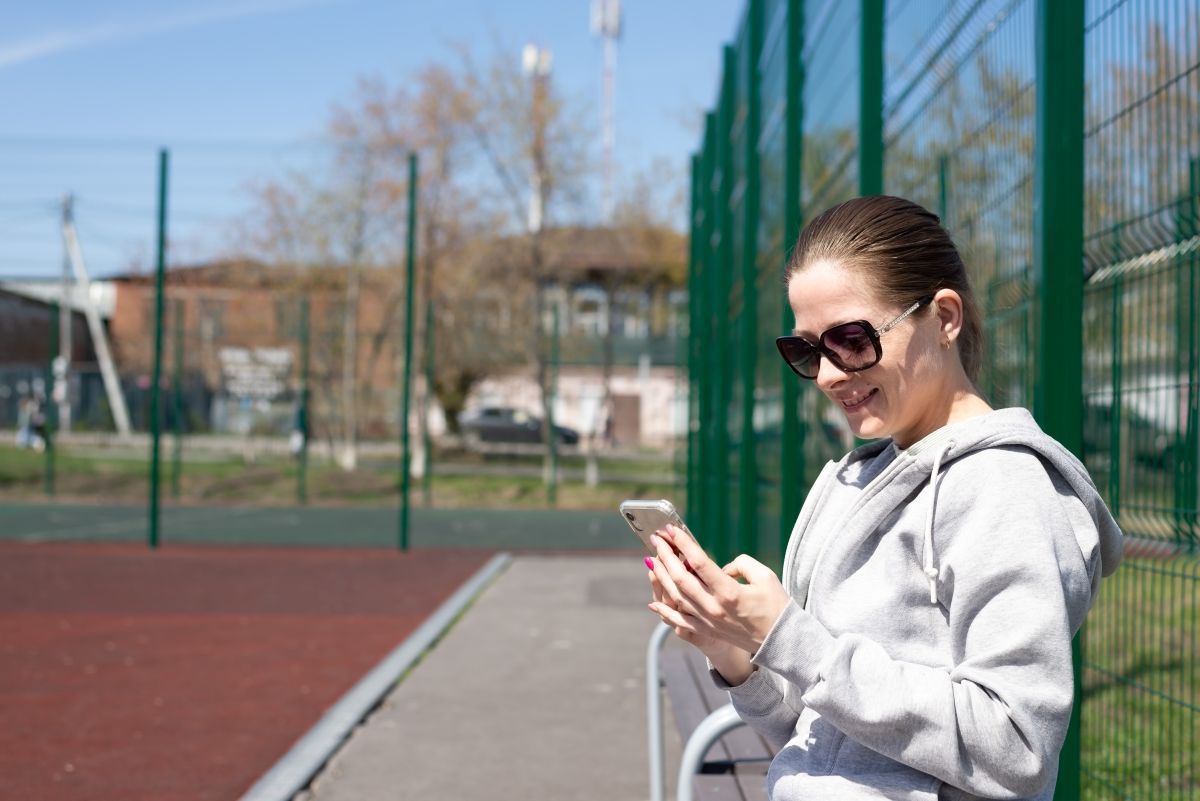
Social media is a powerful channel for pickleball because it’s visual, community-driven, and easy to consume. The goal isn’t to become viral – it’s to build consistent local visibility and create a strong connection between your business and your community.
Platform Selection
Not all platforms deliver equal value. The best platform depends on your customer type, your location, and how your players communicate.
Common strengths by platform:
- Instagram: Great for facility highlights, short tips, community photos, and progress stories.
- TikTok / Reels / YouTube Shorts: Strong for discovery and beginner education. Quick clips can reach players who don’t even realize pickleball is available nearby.
- Facebook: Still one of the most important tools for local event coordination and community engagement, especially for adult and senior audiences.
You don’t need to be everywhere – just consistent on the platforms your players actually use.
Content That Performs
In pickleball, the content that performs best is usually authentic, simple, and repeatable. Most people care more about clarity and usefulness than production quality.
High-performing content formats include:
- Short instructional clips (15–30 seconds)
- Beginner tips that reduce intimidation
- Match highlights and rally clips
- Behind-the-scenes facility content
- Coach personality clips (teaching style + energy)
- Student progress stories (before/after improvements)
A strong strategy is to repeat the same content “themes” weekly so content creation becomes predictable.
Converting Engagement Into Bookings
Social media should function like an entry point into your business – not just entertainment. The best-performing accounts make it obvious what the next step is.
To improve conversion from social media:
- include direct booking links in bio
- use clear calls-to-action like “Book a beginner clinic” or “Join open play”
- make sure your schedule is easy to access
- keep your messaging consistent with your website and offers
When social discovery connects directly to booking, social media becomes a real revenue driver instead of just a visibility channel.
Paid Marketing for Pickleball Businesses
Paid marketing can scale results faster, but it works best when your fundamentals are already strong. If your website, booking flow, or offers are unclear, ad spend will amplify inefficiency instead of growth.
Paid marketing is most effective when used intentionally for specific goals.
Paid Search (High-Intent Customers)
Paid search works well because it captures people who are already looking for:
- lessons
- courts
- clubs
- leagues
- tournaments
To improve results:
- target local keywords (“pickleball lessons in [city]”)
- send traffic to a relevant landing page (not the homepage)
- keep messaging specific (“Beginner clinic every Saturday”)
- ensure mobile pages load fast
Search ads are especially valuable for filling coaching availability and driving new customer bookings.
Paid Social (Awareness + Retargeting)
Paid social helps when you want to:
- launch new programs
- promote seasonal events
- introduce pickleball to a new audience
- retarget people who visited your site but didn’t book
Effective paid social campaigns often include:
- short video clips (stronger than static images)
- geo-targeting around your location
- simple offers (first-time clinic, intro package, open play)
The best paid campaigns are built around clear offers, not vague branding.
Partnerships and Ecosystem Marketing
Partnership marketing is one of the fastest ways to grow locally because it builds trust through association. Pickleball is social by nature, which makes it especially compatible with community collaboration.
Local Partnerships
Great local partnership options include:
- Gyms and fitness studios (shared wellness audiences)
- Schools and youth programs (camps, skill-building clinics)
- Recreation departments (joint programming and access to courts)
- Retailers (paddle demos, beginner bundles, launch events)
- Physical therapy / wellness providers (injury prevention, mobility workshops)
Partnerships work best when both sides benefit – and when there’s a clear call-to-action for players (clinic sign-up, event registration, intro package).
Industry and Platform Partnerships
Beyond local partners, ecosystem partnerships can increase credibility and reduce friction. For example, affiliations with coaching organizations or trusted discovery platforms can improve conversion because they function as external validation.
Platforms like Bounce support ecosystem marketing by connecting lessons, courts, tournaments, and players in one place – making it easier for businesses to be found and easier for players to book.
Measuring Marketing Success in Pickleball Businesses
Marketing becomes scalable when it’s measurable. Businesses that track performance can identify what’s working, what’s wasting time, and where demand is strongest.
Instead of relying on assumptions, measurement helps you improve results systematically.
Key metrics to track include:
| Metric | What It Measures | Why It Matters | Common Tools & Data Sources |
| Lesson Bookings | Total number of private and group lessons booked | Indicates demand for coaching services and revenue potential | Booking systems, lesson platforms, scheduling software |
| Court Utilization Rate | Percentage of available court time being used | Reveals efficiency of scheduling and pricing strategy | Court reservation systems, facility calendars |
| Player Retention Rate | Percentage of players who return for additional sessions | Measures satisfaction, loyalty, and long-term value | Platform analytics, CRM systems |
| Customer Lifetime Value (CLV) | Total revenue generated by a player over time | Helps determine sustainable acquisition spend | Booking history, payment data |
| Cost Per Acquisition (CPA) | Cost to acquire a new player or customer | Evaluates marketing efficiency across channels | Paid ad dashboards, campaign analytics |
| Review Volume & Rating | Number and quality of player reviews | Impacts trust, conversions, and local search visibility | Review platforms, integrated discovery platforms |
| Conversion Rate | Percentage of visitors who book or register | Measures effectiveness of websites and landing pages | Website analytics, booking funnels |
| Channel Performance | Bookings or leads by source | Identifies highest-performing marketing channels | Platform analytics, UTM tracking |
Final Thoughts

Marketing for pickleball businesses works best when it aligns with how players actually discover, evaluate, and commit to the sport. Visibility through local search, credibility through reviews and verified credentials, and convenience through streamlined booking all directly influence growth – especially in crowded markets where players have many options.
Sustainable success comes from treating marketing as a connected system. When discovery, scheduling, communication, and measurement work together, businesses gain clearer insight into player behavior and can make faster, more confident decisions.
Platforms such as Bounce support this approach by bringing lessons, courts, tournaments, and player communities into a single, purpose-built ecosystem, reducing friction for both businesses and players.