The serve in pickleball sets the tone for each point and can be a strategic tool in your arsenal. Unlike tennis, where powerful aces are common, pickleball serves require precision, variety, and strategy due to the non volley zone rule and the underhand serve requirement. Mastering your serve can give you a significant advantage, allowing you to control the rally right from the start. This guide will explore key techniques and strategies to elevate your serving game.
What are the most important mechanics for a pickleball serve?
Foundation
A consistent serve starts with a solid stance and grip. Stand parallel to the baseline, with your feet shoulder width apart, and hold the paddle with a firm but relaxed grip.
Motion
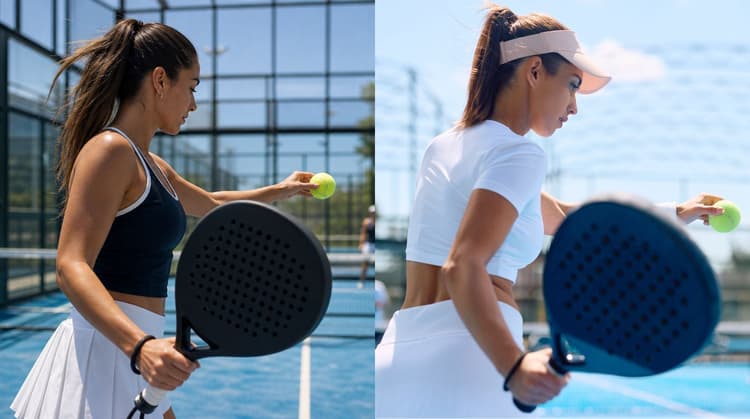
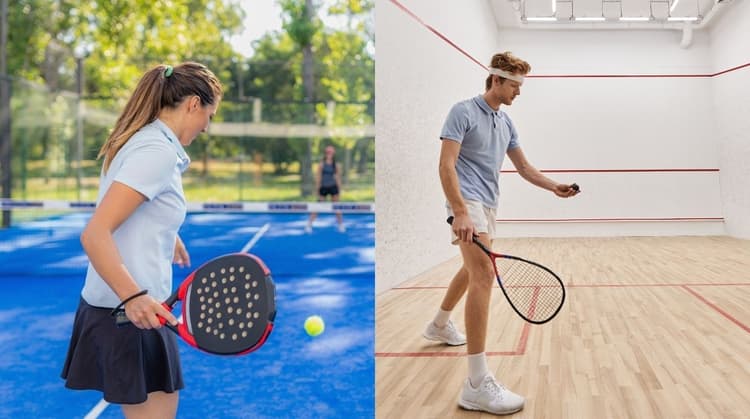
The serve in pickleball is unique because it must be hit underhand and below the waist. Start with the paddle behind you, swing your arm forward in an upward arc, and strike the ball in front
of you to ensure accuracy and control.
Contact Point
Aim to hit the ball at the highest point you can (while still adhering to the underhand rule), which allows for a deeper serve into the opponent's court.
How can you incorporate variety into your serve?
Deep Serve
A deep serve pushes your opponent back to the baseline, making it difficult for them to approach the net quickly. Practice hitting your serves deep into the opponent's court with consistency.
Soft Serve
A softer serve can land near the kitchen line, forcing your opponent to move forward and potentially hit a weaker return. This serve can be effective in disrupting the rhythm of players who prefer to hang back.
Spin Serve
Adding spin to your serve can make it more difficult for your opponent to control their return. Experiment with topspin and slice serves to see how they can be integrated into your game.
What are the fundamentals of serving strategically?
Placement
Don’t just focus on getting your serve in; think about where you’re placing it. Serving to your opponent’s backhand or to a weaker side can yield immediate advantages.
Vary Your Serves
Keep your opponent guessing by varying the speed, depth, and spin of your serves. A predictable server is easier to return. Mixing up your serves can lead to unforced errors from your opponent.
Use Your Serve to Set Up the Point
Consider your serve as the first shot in a planned sequence. Aim to serve in a way that sets you up for a strong followup shot, positioning yourself favorably for the rally.
How can you practice your pickleball serve?
Target Practice
Set up targets in different areas of the service box to practice precision. Vary your targets to practice deep serves, soft serves, and serves to the corners.
Spin Control
Practice hitting serves with different spins by altering your paddle angle and swing speed. Notice how the ball behaves differently with topspin versus backspin.
Serve and First Shot Drill
Combine serving with your first groundstroke or volley shot in a drill. This helps simulate real game scenarios and builds your ability to follow up your serve effectively.
How do you keep your opponents uncomfortable while serving?
One of the keys to a successful serving strategy in pickleball is unpredictability. A predictable serve, no matter how technically perfect, allows your opponent to prepare and plan their return with confidence. By mixing up your serves, you introduce an element of surprise that can unsettle your opponent and create advantageous situations for you.
Psychological Edge
Varying your serves can give you a psychological advantage over your opponent. The uncertainty of not knowing what type of serve will come next can cause hesitation and errors in their return game. This mental pressure, over the course of a match, can lead to a significant advantage.
Tactical Flexibility
Having a variety of serves at your disposal allows you to adapt your serving strategy based on the game situation, your opponent’s weaknesses, and your own strengths. For instance, if you notice your opponent struggling with spin, you might increase the frequency of spin serves. Alternatively, if they're positioned too far back, a soft serve that lands close to the net could force them to rush forward, potentially leading to a weak return.
What types of serves can you throw into the mix?
Depth Variation
Alternate between deep serves that push your opponent back and shorter serves that force them to come forward. This can disrupt their positioning and timing.
Speed Changes
Play around with the speed of your serves. A faster serve can push the opponent back, while a slower serve might catch them offguard, especially if they're anticipating power.
Spin Variations
Incorporate both topspin and backspin (slice) serves. Spin affects the ball’s trajectory and bounce, challenging your opponent's ability to return effectively.
Directional Serving: Aim for different parts of the service box — wide to the forehand, backhand, or even right at your opponent to limit their angle for a return shot.
Practice Incorporating Variety
During practice sessions, consciously work on not just repeating the same serve but actively deciding to mix up your serves. Practice sessions are the perfect time to experiment with new types of serves and combinations, assessing their effectiveness for use in competitive play.
Observation and Adjustment
Part of using serve variety effectively is observing your opponent's reactions to different serves. Pay attention to which serves they struggle with or seem less comfortable returning. Use this information to adjust your serve selection dynamically throughout the match.
Incorporating a variety of serves into your game plan is crucial for maintaining the upper hand in pickleball matches. By keeping your opponent guessing, you not only gain a strategic advantage but also open up opportunities to capitalize on weaker returns. Regular practice and a willingness to experiment with different serving styles are key to developing a versatile and unpredictable serve repertoire. Remember, the best servers are not always those who can hit the hardest but those who can serve with purpose, precision, and variety.