Pickleball has quickly evolved from a backyard pastime into one of the fastest-growing sports in the US. As more people pick up a paddle, a common question emerges: is pickleball good exercise, or is it just a light recreational activity? The answer is more nuanced than many expect.
While pickleball is often seen as accessible and low-impact, it delivers a surprisingly effective workout that combines cardiovascular activity, strength, agility, and coordination. Its unique mix of movement, strategy, and social interaction makes it one of the most sustainable forms of exercise available today.
TL;DR: Yes - pickleball is good exercise. It delivers a well-rounded, low-impact workout that improves cardio, strength, and coordination, and because it’s enjoyable, it’s easier to stick with long term.
What Makes Pickleball a Form of Exercise?
At its core, pickleball is a moderate-intensity physical activity that engages multiple systems in the body simultaneously. Unlike static workouts or isolated strength training, it blends movement, reaction, and coordination into a dynamic experience.
Several factors contribute to pickleball’s effectiveness as exercise:
- Continuous movement: Even in casual games, players are walking, shuffling, and reacting
- Lateral motion: Side-to-side movement activates stabilizing muscles often neglected in traditional workouts
- Short bursts of effort: Quick rallies elevate heart rate and mimic interval training
- Full-body involvement: From legs to core to upper body, every shot requires coordination
Compared to activities like walking, pickleball introduces reactive movement and directional changes, which significantly increase its fitness value. While it may not look as intense as tennis or running at first glance, the cumulative effect over a full match is substantial.
This combination makes pickleball a form of functional fitness, meaning it improves real-world movement patterns rather than just isolated muscle strength.
Physical Health Benefits of Pickleball
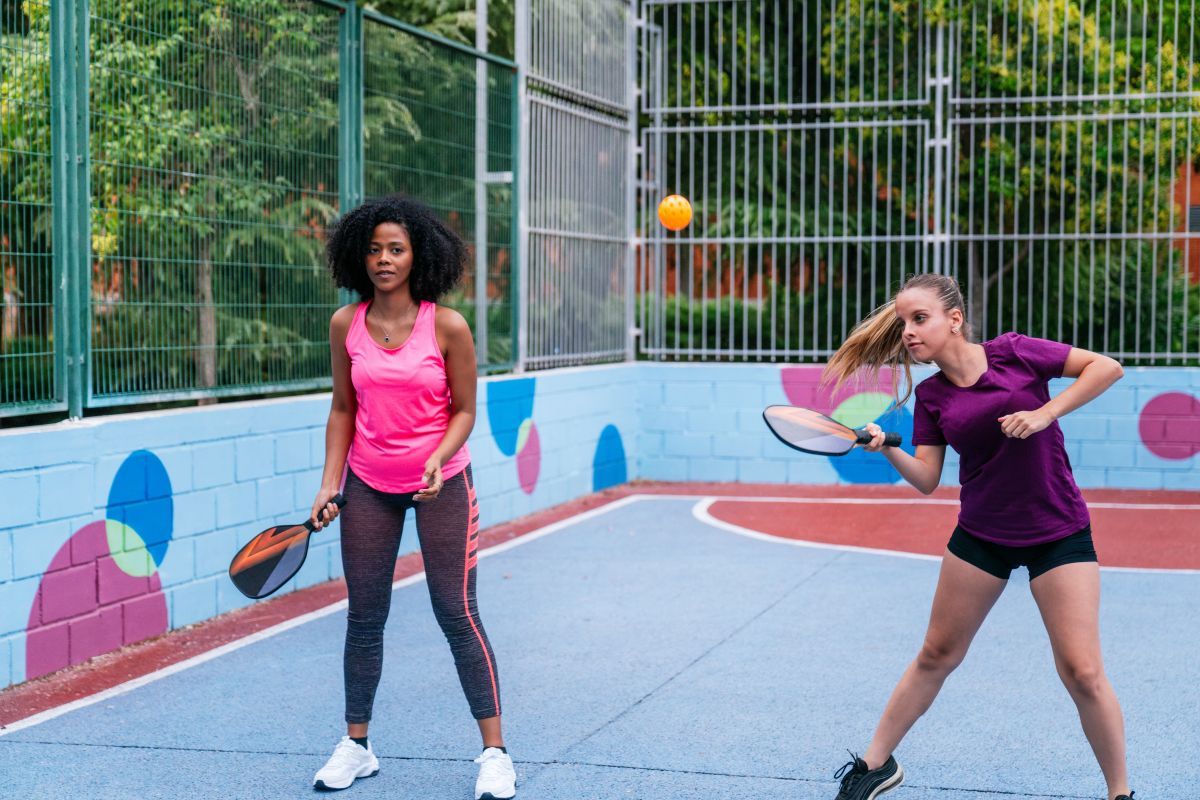
Cardiovascular Fitness and Heart Health
One of the strongest arguments for pickleball as exercise is its impact on cardiovascular health. During gameplay, players experience elevated heart rates, especially during extended rallies or competitive matches.
Regular participation can help:
- Improve heart efficiency
- Increase endurance
- Lower the risk of cardiovascular disease
Unlike steady-state cardio (like jogging), pickleball naturally incorporates interval-style movement, where short bursts of activity are followed by brief recovery periods. This type of training is particularly effective for improving overall heart health.
Calorie Burn and Weight Management
If your goal is weight management, pickleball delivers more than expected. On average:
- Casual play: 250–400 calories per hour
- Moderate play: 400–600 calories per hour
- Competitive play: 600+ calories per hour
This puts pickleball in a similar range to:
- Brisk walking (lower end)
- Cycling (moderate intensity)
- Doubles tennis
The key factor is intensity. A relaxed doubles game will burn fewer calories than a fast-paced singles match, but both still contribute meaningfully to daily energy expenditure.
Because pickleball is enjoyable and social, players are more likely to stay consistent, which is ultimately more important than peak calorie burn.
Full-Body Muscle Engagement
Pickleball is not just cardio - it’s a full-body workout.
- Lower body: Quick steps, lunges, and directional changes build leg strength
- Core: Rotational movements and balance stabilize the body during shots
- Upper body: Shoulders, arms, and wrists are engaged in every swing
Unlike gym workouts that isolate muscle groups, pickleball trains the body as a connected system. This improves not only strength but also coordination and efficiency.
Improved Balance, Coordination, and Agility
Balance and coordination are often overlooked in traditional fitness routines, yet they are critical for long-term health and injury prevention.
Pickleball enhances:
- Reaction time through fast-paced rallies
- Hand-eye coordination during shot execution
- Dynamic balance when moving and changing direction
These benefits are especially important for aging populations, as improved balance reduces the risk of falls and supports long-term mobility.
Mental and Emotional Benefits of Pickleball
Stress Reduction and Mood Boost
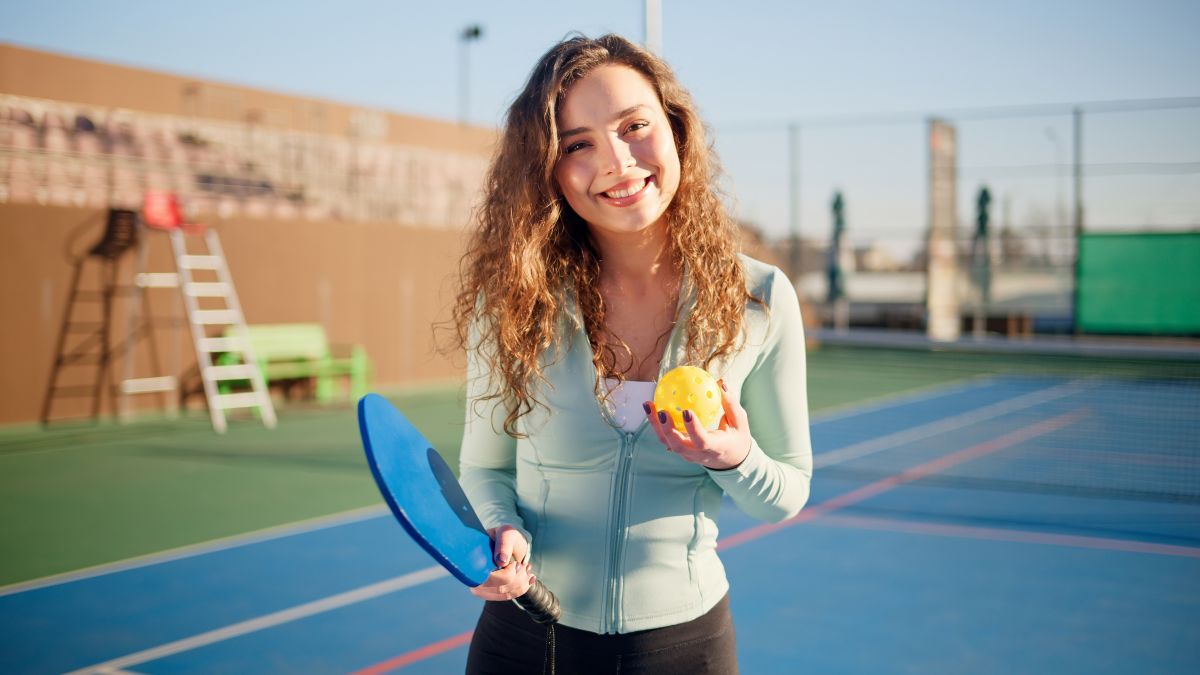
Exercise is well known for reducing stress, and pickleball is no exception. Physical activity helps lower cortisol levels while increasing endorphins, leading to improved mood and reduced anxiety.
What makes pickleball particularly effective is its enjoyment factor. The game feels less like a workout and more like a social activity, which increases adherence over time.
At the end of the day, the best activity is simply the one you’ll actually keep doing.
Cognitive Benefits and Focus
Pickleball is as much a mental game as it is physical. Players must constantly:
- Anticipate opponents’ moves
- Adjust positioning
- Make quick strategic decisions
This level of engagement supports cognitive function, including focus, memory, and decision-making skills.
Over time, this can contribute to maintaining mental sharpness, especially in older adults.
Social Connection and Community Impact
One of pickleball’s defining features is its social nature. Unlike many forms of exercise that are done alone, pickleball thrives on interaction.
Players benefit from:
- Regular social engagement
- Increased motivation to show up consistently
- A sense of community and belonging
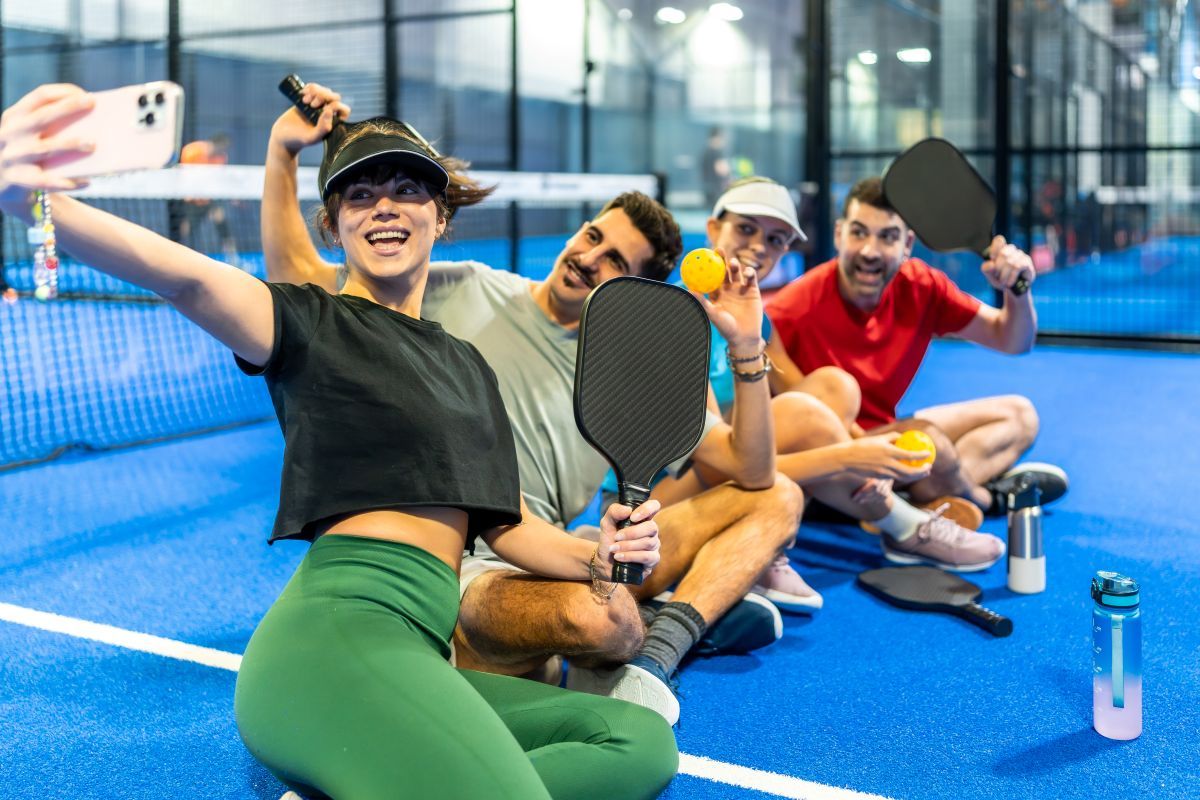
This social component is a major reason why people stick with pickleball long-term, making it one of the most sustainable fitness activities available.
Platforms like Bounce play a growing role here by helping players find games, connect with others, and stay engaged locally, removing many of the barriers that typically prevent people from staying consistent with exercise.
Is Pickleball Good Exercise for All Ages and Fitness Levels?
Beginners and Sedentary Individuals
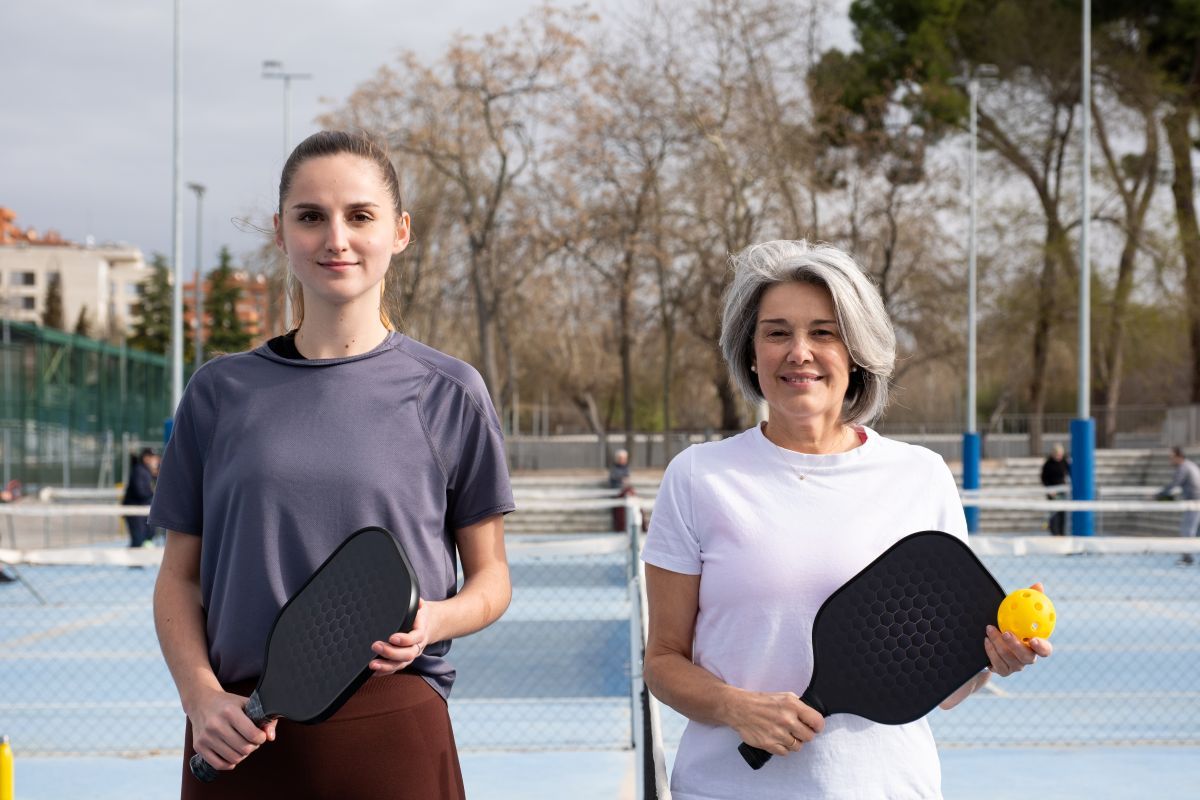
Pickleball is widely recognized for its low barrier to entry. The smaller court, slower ball, and simple rules make it easy to learn, even for those with little athletic background.
For beginners:
- It provides immediate engagement without overwhelming complexity
- It offers a gradual increase in intensity
- It builds confidence quickly
This makes it an excellent starting point for people transitioning into a more active lifestyle.
Older Adults and Longevity
Pickleball has become especially popular among older adults, and for good reason. Compared to high-impact sports, it is gentler on the joints while still providing meaningful physical activity.
Key benefits include:
- Improved mobility and flexibility
- Enhanced balance and coordination
- Reduced risk of chronic disease through consistent activity
Because it is both accessible and effective, pickleball supports long-term health and independence.
Competitive and Advanced Players
At higher levels, pickleball becomes significantly more demanding. Faster rallies, strategic shot placement, and increased court coverage elevate both the physical and mental intensity.
Advanced players experience:
- Higher cardiovascular demand
- Greater muscular engagement
- Increased agility and reaction requirements
In competitive environments, pickleball can rival traditional sports in terms of physical output.
How Intense Is Pickleball Compared to Other Workouts?
Understanding how pickleball compares to other workouts helps clarify its true intensity and overall fitness value.
| Comparison | Pickleball | Other Activity | Key Takeaway |
| Pickleball vs Tennis | Focuses on quick reactions, short bursts, and lateral movement | Requires more running, larger court coverage, and sustained movement | Tennis is generally higher intensity, but pickleball still delivers strong cardiovascular benefits in shorter bursts |
| Pickleball vs Walking | Dynamic movement with changes in speed and direction | Steady, low-intensity, linear movement | Pickleball burns more calories and elevates heart rate more effectively |
| Pickleball vs Gym Cardio | Engaging, variable, and game-based activity | Controlled, repetitive, and predictable (e.g., treadmill, bike) | Pickleball often leads to better long-term consistency due to enjoyment and variety |
Pickleball typically falls within a moderate-intensity range (around 4–7 METs), depending on how it is played, making it a highly effective and sustainable option for improving overall health.
Common Limitations of Pickleball as Exercise
To be clear, pickleball is not perfect. If your goal is elite-level conditioning, it may not always provide sufficient intensity on its own.
Some limitations include:
- Lower intensity in casual play compared to high-performance training
- Limited progressive overload without structured practice
- Risk of overuse injuries, particularly in the elbow, shoulder, and knees
However, these limitations are manageable. With proper technique, warm-ups, and balanced training, pickleball can remain a highly effective part of a fitness routine.
Tips to Maximize Pickleball as a Workout
If you want to get the most out of pickleball as exercise, you need to be intentional. Playing casually is beneficial, but small adjustments can significantly increase results.
- Focus on movement and positioning, not just hitting the ball
- Play longer matches or multiple sessions
- Incorporate drills and footwork exercises
- Mix singles and doubles play for varied intensity
- Track your activity to ensure consistency
Consistency is where pickleball shines. The easier it is to show up and play, the more likely you are to see long-term results.
Is Pickleball Good Exercise? Final Verdict
So, is pickleball good exercise? The answer is a clear yes.
Pickleball delivers a well-rounded workout that improves cardiovascular health, builds functional strength, enhances coordination, and supports mental well-being. Its accessibility makes it ideal for beginners, while its scalability allows advanced players to push intensity when needed.
What truly sets pickleball apart is its sustainability. Many workouts fail not because they are ineffective, but because people do not stick with them. Pickleball solves this by being engaging, social, and easy to integrate into daily life.
For those looking to stay consistent, improve their health, and enjoy the process, pickleball stands out as one of the most effective options available. And as the sport continues to grow, Bounce is helping make that consistency easier - connecting players with coaches, games, and communities that turn exercise into something people actually look forward to.