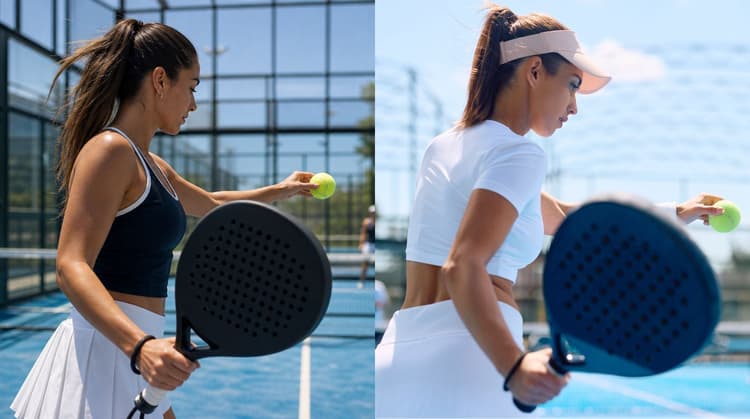
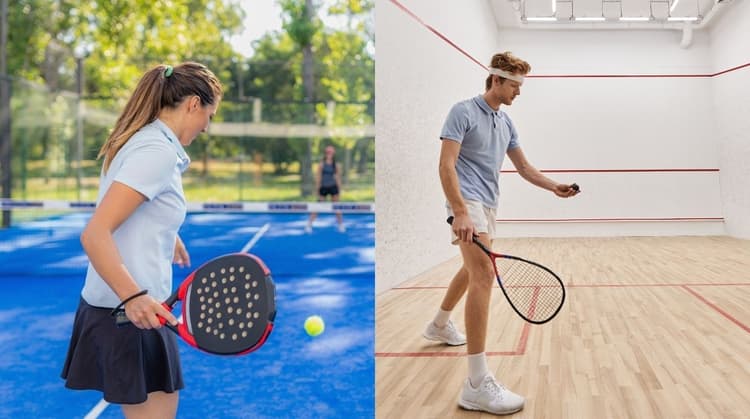
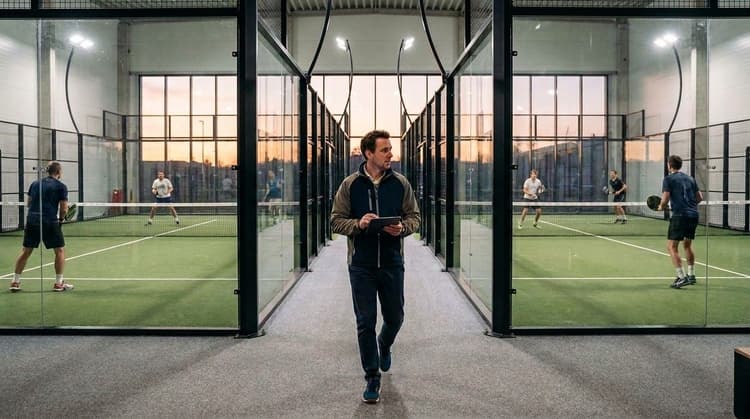
The pickleball community has become one of the driving forces behind the sport’s rapid expansion. Across North America and beyond, players are not simply learning rules and improving technique - they are joining structured groups, leagues, clinics, and social formats that make participation consistent and socially engaging.
Courts that were once underused now host recurring open play, organized competition, and skill-based programming that connects players across ages and experience levels.
Unlike many individual sports, pickleball thrives on interaction. Rotating partners, shared etiquette, and accessible rules encourage ongoing engagement rather than isolated play. As interest grows, players increasingly seek organized pathways that provide reliable scheduling, coaching access, and community continuity.
Understanding what defines a strong pickleball community - and how to find one locally - determines whether participation remains casual or evolves into long-term involvement.
What Is the Pickleball Community?
At its core, a pickleball community is a network of players connected by shared play, shared standards, and shared culture. It extends beyond random matchups at public courts.
Community implies continuity. Players recognize one another, coordinate play, and participate in organized formats that sustain engagement.
Shared rules and etiquette create structure. Players understand line calls, stacking systems, and rotation protocols. They respect court time and welcome newcomers. This consistency builds trust and reduces friction, making play enjoyable and sustainable.
Intergenerational participation is another defining feature. Few sports consistently unite teenagers, middle-aged professionals, and retirees on equal footing. Pickleball’s accessible learning curve enables mixed-age play without diminishing competitiveness.
Open-play systems also foster inclusivity. Many communities adopt paddle stacking or sign-up boards that rotate players fairly. These simple systems transform public courts into structured social ecosystems.
The Core Characteristics of a Strong Pickleball Community
Not all groups qualify as strong communities. Sustainable ecosystems share several characteristics:
- Accessibility: New players can join without insider connections.
- Organized programming: Clinics, leagues, ladders, and socials exist beyond casual play.
- Skill-level segmentation: Beginners, intermediates, and advanced players each have pathways.
- Leadership presence: Coaches, volunteers, or organizers coordinate schedules.
- Communication systems: Group chats, newsletters, or centralized platforms distribute information.
These elements reduce chaos and increase retention. Players stay longer when they understand where to play, who to contact, and how to progress.
Where Does the Pickleball Community Exist?
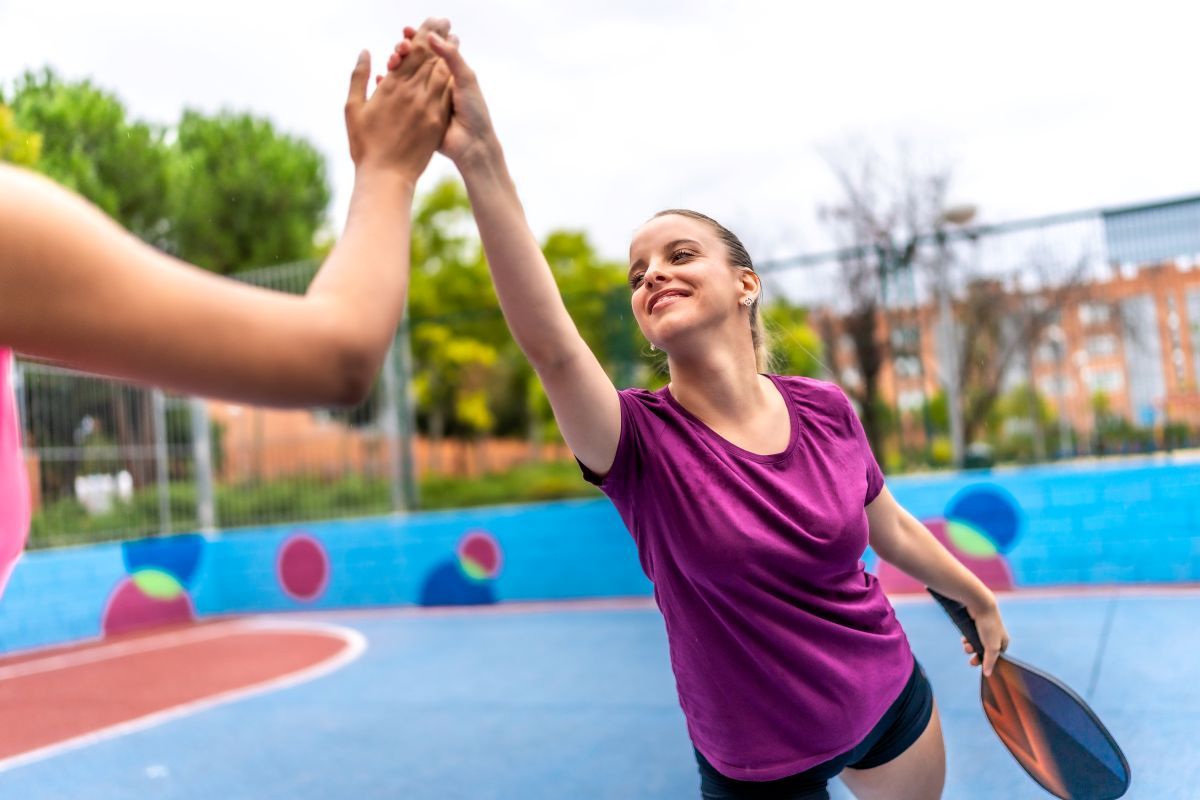
Public Courts and Park Systems
Public parks often serve as the foundation of a local pickleball community. Many cities have designated courts with established open-play hours. Regular players form consistent time slots, creating unofficial but stable groups.
Paddle stacking systems are common. Players place paddles in racks to rotate fairly. This structured rotation prevents disputes and ensures balanced participation.
However, public court communities vary in organization. Some operate smoothly; others lack coordination. The strength of leadership and communication determines the stability of these environments.
Clubs and Indoor Facilities
Private clubs and indoor facilities provide a more structured version of the pickleball community. They typically offer:
- Skill-based leagues
- Round robins
- Ladders
- Coaching clinics
- Social mixers
Indoor venues extend play into colder seasons, preserving continuity. Membership models often encourage consistent attendance, strengthening relationships over time.
Clubs also create advancement pathways. Beginners join introductory clinics, progress into intermediate leagues, and eventually enter competitive divisions.
Leagues and Organized Competitive Formats
Leagues represent a critical layer of the pickleball community. Seasonal schedules provide predictability. Teams or individuals compete weekly, fostering camaraderie.
Organized formats often include:
- Skill-based divisions
- Scheduled match times
- Standings and progression systems
- Playoff brackets
These structures reduce randomness. Players know where they stand and how to improve. Consistency reinforces commitment.
Online and Digital Pickleball Communities
Digital groups supplement physical courts. Facebook groups, Meetup communities, and city-based sport platforms distribute schedules and announcements.
However, fragmented digital ecosystems can create confusion. Players may struggle to find verified programs or reliable contacts.
Centralized marketplaces help streamline discovery. Platforms like Bounce, that connect coaches, clubs, and players in one searchable ecosystem reduce friction. This type of infrastructure supports stronger city-level pickleball communities by aligning supply and demand more efficiently.
Why the Pickleball Community Matters
Skill Development
Playing within a strong pickleball community accelerates growth. Exposure to diverse opponents sharpens adaptability. Consistent match play reinforces tactical awareness.
Access to coaching further enhances development. Certified instructors provide structured drills and technical corrections that casual play alone cannot deliver.
Communities with skill segmentation prevent stagnation.
- Beginners avoid discouragement
- Advanced players face meaningful competition
Social Connection & Belonging
Recurring weekly play fosters familiarity. Players learn each other’s tendencies, strengths, and personalities. Relationships deepen organically.
Structured leagues strengthen accountability. When teammates expect attendance, commitment increases.
Over time, participation shifts from occasional recreation to integrated social routine. This transition is central to long-term retention.
Mental & Physical Benefits
Routine physical activity supports:
- Cardiovascular health
- Coordination
- Mobility
Competitive engagement stimulates mental focus and strategic thinking.
A supportive pickleball community also enhances emotional well-being. Positive reinforcement and shared achievement reinforce confidence.
Community-driven participation sustains motivation more effectively than solitary exercise.
How to Find a Pickleball Community Near You
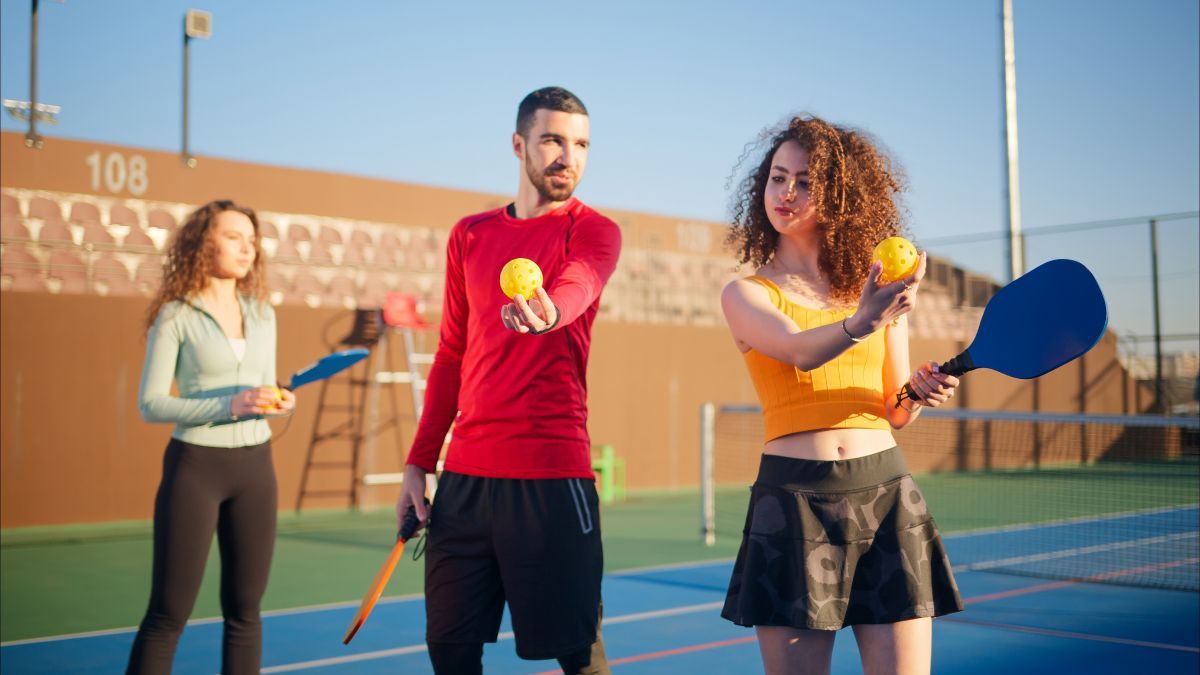
Start With Local Court Research
Begin with municipal park websites and recreation departments. Many list open-play hours and beginner clinics.
Community centers often host structured sessions. Bulletin boards at courts frequently display league flyers and contact information.
Direct observation is also effective. Visiting courts during peak hours reveals regular groups and rotation systems.
Use Structured Platforms to Discover Organized Play
Searching for “pickleball community near me” often yields scattered results. Structured platforms simplify discovery by consolidating listings.
Players benefit from:
- City-based search filters
- Transparent pricing
- Skill-level categorization
- Direct booking functionality
Bounce operates as this type of ecosystem. Instead of relying solely on drop-in encounters, players can search by sport and city, view verified coach profiles, explore clinics, and join leagues in a single interface.
This structure reduces uncertainty and accelerates integration into the local pickleball community.
Connect With Coaches and Organizers
Coaches often function as community anchors. Certified professionals affiliated with organizations such as PTR, PPR, and PCI frequently manage recurring clinics and social formats.
By enrolling in structured programs, players gain immediate access to curated groups at appropriate skill levels.
Bounce’s marketplace amplifies this connection by surfacing certified coaches and their schedules, enabling direct communication and streamlined registration.
Join a League or Social Format
Leagues create instant community immersion. Formats such as:
- Ladders
- Round robins
- Seasonal divisions
introduce players to consistent cohorts.
Social-first formats reduce intimidation while maintaining structure. Recurring participation strengthens familiarity.
The Difference Between Casual Groups and Structured Communities
| Casual Court Group | Structured Pickleball Community |
| Informal rotations | Organized scheduling |
| Inconsistent skill levels | Skill-based divisions |
| No long-term structure | Coaching + competitive ladder |
| Limited accountability | Recurring leagues and programs |
Casual groups provide accessibility but may lack progression pathways. Structured communities introduce predictability and development systems.
How to Become an Active Member of the Pickleball Community
Becoming a recognized and valued member of a pickleball community requires intentional participation. Integration happens through consistency, contribution, and respect for structure.
The following actions accelerate that process:
- Commit to consistent attendance
- Respect etiquette and rotation systems
- Play at the appropriate skill level
- Participate in structured leagues and clinics
- Volunteer or assist with events
- Support local coaches and organizers
- Invite and mentor new players
- Communicate proactively
Active membership is built through participation that extends beyond individual matches. Players who show consistency, integrity, and willingness to contribute become foundational pieces of their local pickleball community.
Common Challenges in Finding the Right Pickleball Community
Finding the right pickleball community is not always straightforward. Growth has been rapid, but organization has not expanded evenly across cities.
The following challenges are common and understanding them helps players navigate more effectively.
- Skill-level mismatches
- Limited access due to closed or private groups
- Overcrowded public courts
- Inconsistent scheduling
- Fragmented information across multiple platforms
- Lack of structured progression pathways
Centralized ecosystems help address these challenges by offering transparent listings, skill-based segmentation, verified coaching profiles, and consistent scheduling.
Organized city hubs reduce uncertainty, improve discovery, and strengthen the stability of the local pickleball community over time.
Conclusion
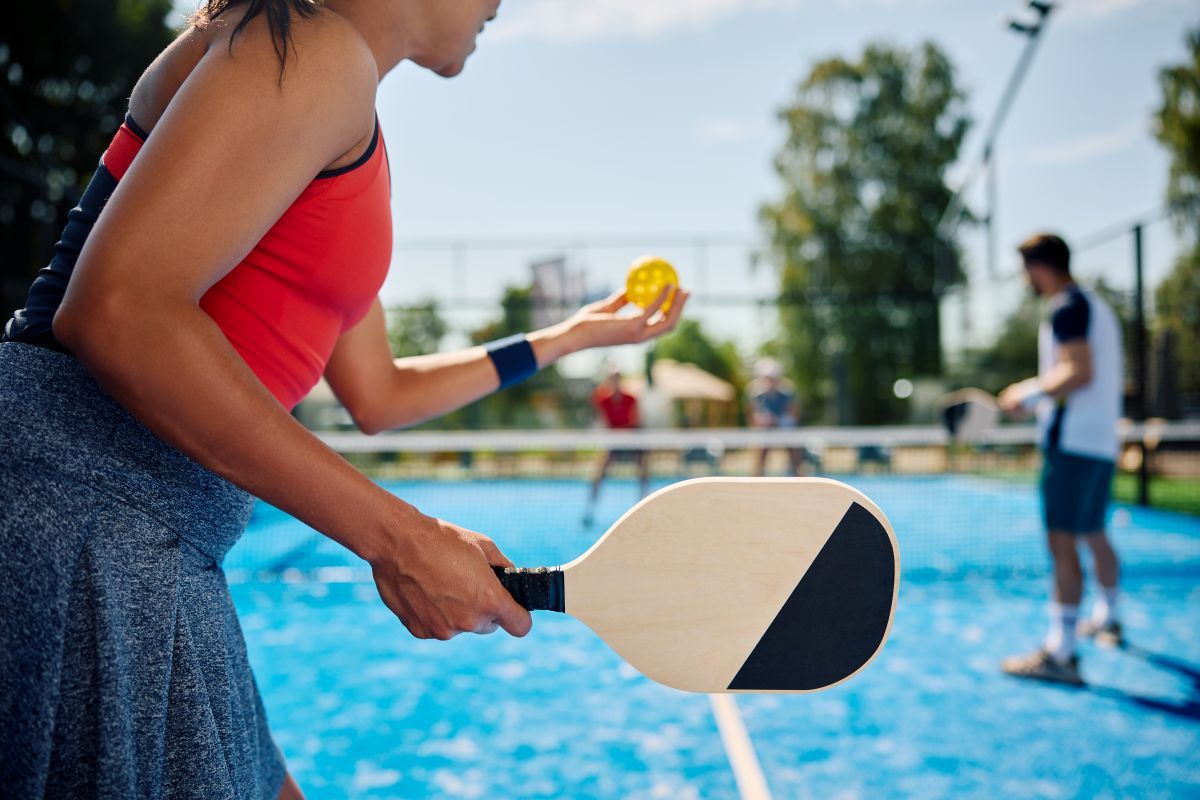
A strong pickleball community transforms the sport from occasional recreation into sustained participation. Structure, inclusivity, and consistency determine whether players remain engaged over time. Access to organized leagues, coaching pathways, and recurring social formats strengthens both performance and connection.
Finding the right pickleball community requires initiative and consistency. When players commit to organized participation and embrace the social culture of the sport, they build networks that extend far beyond the baseline.
If you are ready to move from scattered drop-in games to a connected, organized experience, explore your local ecosystem through Bounce. Search by city, discover verified coaches and leagues, book clinics, and join structured social formats designed to help you play, improve, and connect.
When players, coaches, and clubs operate within one unified platform, community becomes easier to find - and stronger over time.