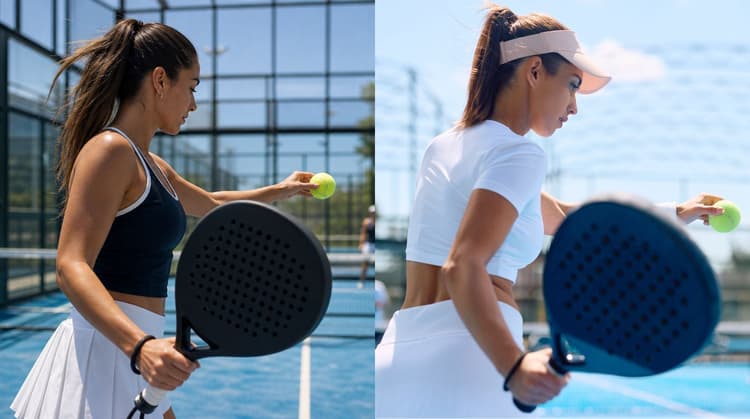
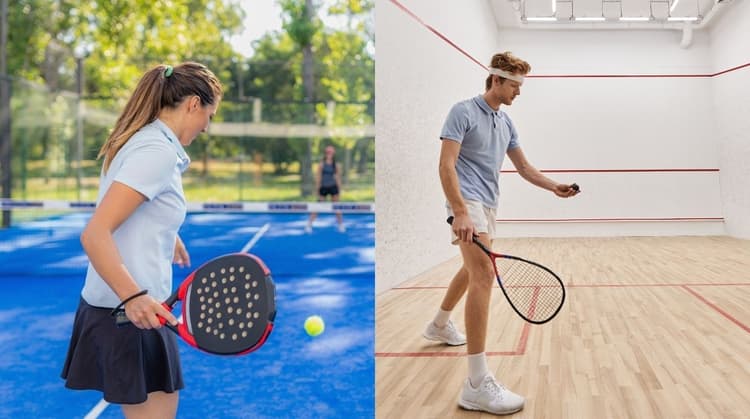
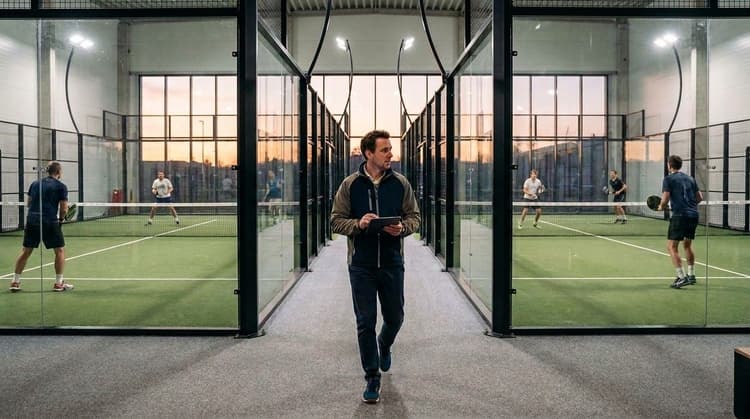
Pickleball has quickly evolved from a casual backyard activity into one of the fastest-growing sports in the world. Its appeal lies in its accessibility, social nature, and relatively low barrier to entry.
Players of all ages and skill levels can step onto the court and enjoy competitive, fast-paced rallies almost immediately. However, as participation continues to surge, so does the number of pickleball injuries affecting both beginners and experienced players.
Understanding the most common pickleball injuries - and more importantly, how to prevent them - is essential for anyone who wants to play consistently and improve over time. While the sport is often perceived as low-impact, it still places significant stress on joints, muscles, and tendons.
With the right approach to preparation, technique, and training, most injuries can be avoided entirely.
Why Pickleball Injuries Are Increasing
The rise in pickleball injuries is closely tied to the sport’s explosive growth. More players means more exposure to risk, but the reasons go deeper than just numbers.
One major factor is the influx of beginners. Many players jump into games without proper instruction, relying on instinct rather than technique. This often leads to inefficient movement patterns and unnecessary strain on the body. Over time, these habits increase the likelihood of overuse injuries.
Another contributing factor is the demographic makeup of the sport. Pickleball attracts a wide age range, including many older adults who may already have underlying joint or mobility limitations. Without proper conditioning, the quick starts, stops, and lateral movements of the game can place excessive stress on knees, ankles, and shoulders.
Frequency of play also plays a role. Because pickleball is easy to pick up and highly social, players often play multiple times per week - or even daily - without adequate recovery. Combined with hard court surfaces and repetitive motions, this creates the perfect environment for injury development.
Most Common Pickleball Injuries
Recognizing the most common pickleball injuries is the first step toward preventing them. While injuries can vary, several patterns consistently appear across players.
Pickleball Elbow (Tennis Elbow)
One of the most frequent injuries in pickleball is lateral epicondylitis, commonly known as tennis elbow or “pickleball elbow.” It develops from repetitive strain on the forearm muscles and tendons.
Players often experience:
- Pain on the outer elbow
- Weak grip strength
- Discomfort when swinging or lifting objects
This injury is typically caused by:
- Poor technique
- Excessive wrist use
- Gripping the paddle too tightly
Over time, small microtears in the tendon accumulate, leading to persistent pain.
Rotator Cuff Injuries
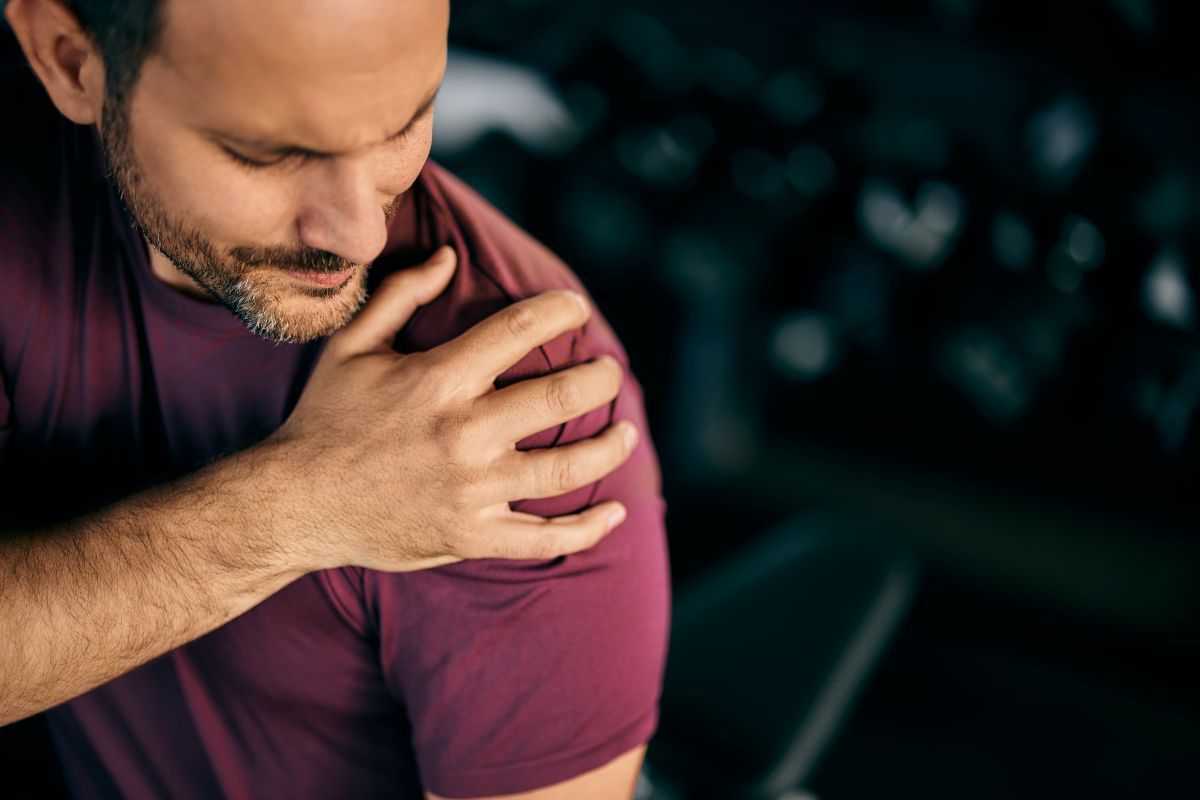
Shoulder injuries are common due to the overhead nature of many pickleball shots. The rotator cuff muscles stabilize the shoulder joint, but they are vulnerable to overuse.
Symptoms may include:
- Shoulder pain during or after play
- Limited range of motion
- Weakness when lifting the arm
Improper serving mechanics and repeated overhead shots are often the root cause. Without proper strength and mobility, the shoulder becomes increasingly susceptible to strain.
Knee Injuries
The quick directional changes required in pickleball can put significant stress on the knees. Injuries may involve ligament strain, meniscus irritation, or general joint inflammation.
Common causes include:
- Sudden stops and pivots
- Lunging for low shots
- Poor lower-body strength
Hard courts amplify the impact, especially for players who lack proper shock absorption through muscle engagement.
Ankle Sprains
Ankle injuries often occur during lateral movement or when players misstep while reaching for a ball. These injuries can range from mild sprains to more severe ligament damage.
Risk factors include:
- Inadequate footwear
- Poor balance or coordination
- Uneven court surfaces
Once an ankle is injured, it becomes more prone to future sprains if not properly rehabilitated.
Achilles Tendon Injuries
The Achilles tendon plays a critical role in explosive movement and pushing off the ground. Overuse or tight calf muscles can lead to inflammation or even rupture in severe cases.
Players may notice:
- Stiffness in the back of the ankle
- Pain during movement
- Reduced power when pushing off
This injury often develops gradually but can become serious if ignored.
Wrist and Hand Injuries
The repetitive nature of paddle contact can lead to strain in the wrist and hand. Poor grip technique or incorrect paddle size can worsen the issue.
Symptoms include:
- Wrist pain during swings
- Reduced control
- Tendon irritation
These injuries are especially common among beginners who rely heavily on wrist action instead of proper body mechanics.
Lower Back Pain
Lower back discomfort is frequently linked to poor posture and weak core engagement. Repetitive bending, twisting, and reaching can strain the muscles and spine.
Contributing factors:
- Lack of core strength
- Improper stance
- Over-rotation during shots
While often mild at first, back pain can become chronic without correction.
Key Causes of Pickleball Injuries

Most pickleball injuries can be traced back to a handful of common, preventable habits rather than bad luck.
- Overuse and Lack of Recovery: Playing too often without adequate rest places continuous stress on muscles, tendons, and joints. Overuse injuries build gradually, making them easy to overlook until pain becomes persistent.
- Poor Technique and Mechanics: Inefficient movement patterns increase strain on specific areas of the body. Relying too much on the arm instead of engaging the full body during shots often leads to elbow and shoulder injuries.
- Skipping Warm-Ups and Preparation: Starting play without properly warming up limits mobility and muscle activation. This significantly raises the risk of strains, pulls, and joint stress during sudden movements.
- Improper Equipment: Wearing running shoes instead of court shoes reduces lateral stability and increases the chance of slips or ankle injuries. Incorrect paddle grip size can also contribute to wrist and elbow strain.
- Playing Beyond Your Fitness Level: Pushing intensity without the physical conditioning to support it leads to fatigue and poor movement control, both of which increase injury risk.
By addressing these key causes early, players can reduce their risk and build a more consistent, injury-free pickleball experience.
How to Prevent Pickleball Injuries
Preventing pickleball injuries comes down to consistency in preparation, smart training, and proper technique.
Proper Warm-Up Routine
A dynamic warm-up prepares the body for movement by increasing blood flow and activating key muscle groups. This includes:
- Light cardio (jogging or side shuffles)
- Dynamic stretches (leg swings, arm circles)
- Mobility drills for hips, shoulders, and ankles
Skipping this step significantly increases injury risk.
Strength and Conditioning
Building strength is one of the most effective ways to prevent injuries. Strong muscles support joints and absorb impact more efficiently.
Focus areas include:
- Legs for stability and movement
- Core for balance and control
- Shoulders for shot durability
Even a simple weekly routine can dramatically reduce injury risk over time.
Improve Technique
Technique is often the biggest difference between players who stay healthy and those who don’t. Efficient mechanics reduce unnecessary strain and improve consistency.
Working with a qualified coach helps identify and correct:
- Improper swing mechanics
- Poor footwork
- Inefficient positioning
Bounce makes it easy to find experienced pickleball coaches, clinics, and structured sessions in your area. Learning proper technique early not only improves performance but also significantly lowers the risk of injury.
Wear the Right Gear
Footwear is especially important. Court shoes are designed for lateral movement and provide the stability needed for quick direction changes.
Key considerations:
- Non-slip soles for traction
- Proper cushioning for impact
- Support for ankles and arches
Choosing the right paddle and grip size also helps reduce strain on the wrist and elbow.
Manage Playing Load
More play is not always better. Without proper recovery, the body cannot repair itself effectively.
To reduce injury risk:
- Limit consecutive days of intense play
- Incorporate rest days
- Vary intensity levels
Balancing activity with recovery is essential for long-term progress.
Best Exercises to Reduce Injury Risk

Targeted exercises can strengthen vulnerable areas and improve overall resilience.
Effective options include:
- Squats and lunges for lower-body strength
- Resistance band exercises for shoulder stability
- Planks and rotational work for core strength
- Ankle stability drills for balance and control
- Mobility exercises for hips and shoulders
Consistency matters more than intensity. Even short sessions performed regularly can make a significant difference.
How to Recognize Early Signs of Injury
Catching problems early is critical to avoiding more serious pickleball injuries. Many players ignore warning signs until the issue becomes difficult to manage.
Key indicators include:
- Persistent pain that does not improve with rest
- Swelling or stiffness in joints
- Reduced range of motion
- Discomfort during normal movements
Understanding the difference between soreness and injury is essential. Muscle soreness typically fades within a day or two, while injury-related pain persists or worsens.
When these signs appear, reducing activity and addressing the issue early can prevent long-term damage.
When to Seek Medical Help
Not every ache or soreness requires medical attention, but knowing when a minor issue becomes something more serious is critical for preventing long-term damage.
- Persistent Pain That Doesn’t Improve: If pain lasts more than a few days despite rest, it may indicate a deeper issue such as tendon damage or joint inflammation.
- Swelling or Visible Inflammation: Ongoing swelling, especially around joints like the knee, ankle, or elbow, can signal structural injury that needs evaluation.
- Sharp or Sudden Pain During Play: A sudden, intense pain - particularly in the Achilles, knee, or shoulder - should not be ignored, as it may indicate a tear or acute injury.
- Limited Range of Motion: Difficulty moving a joint normally or stiffness that restricts play is often a sign that something is not functioning properly.
- Weakness or Instability: Feeling like a joint might “give out,” especially in the ankle or knee, can point to ligament damage.
- Numbness or Tingling: Sensations like tingling, numbness, or radiating pain may involve nerve irritation and should be assessed promptly.
Seeking medical advice early can prevent minor injuries from becoming chronic problems. When in doubt, it’s better to step off the court, get evaluated, and return with confidence rather than risk long-term setbacks.
Conclusion
Most pickleball injuries are preventable with the right approach. By focusing on proper preparation, improving technique, and managing physical load, players can significantly reduce their risk while continuing to improve their game. Awareness and consistency are the foundation of staying healthy on the court.
For players looking to take the next step, Bounce provides a simple way to connect with coaches, discover clinics, and join structured sessions in your city. With the right guidance and environment, it becomes easier to build skills, avoid injuries, and enjoy pickleball for the long term.