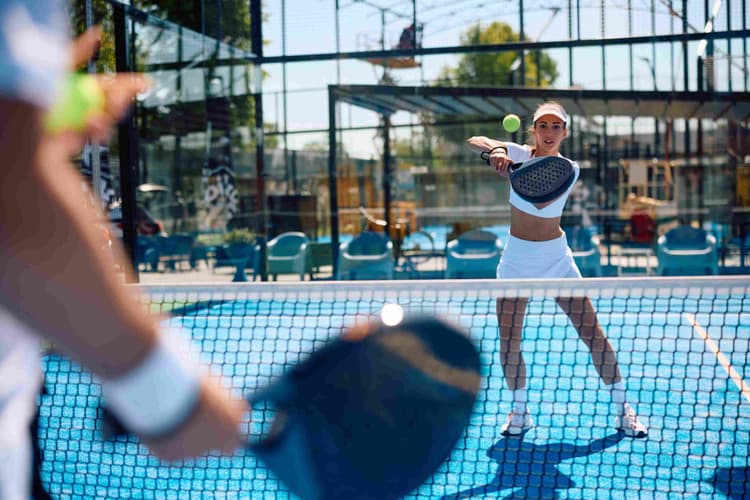
The pickleball backhand technique is one of the most defining skills in a player’s development. It determines whether rallies are extended or cut short, whether defensive moments become neutral resets or costly errors.
At beginner levels, the backhand is often exposed as a weakness. At advanced levels, it becomes a strategic tool that dictates tempo, placement, and control. A technically sound backhand transforms a player from reactive to composed under pressure.
Improving the backhand requires more than repetition. It requires understanding mechanics, positioning, grip structure, and shot selection. Players who commit to refining these elements build consistency that holds up in competitive environments.
The sections below break down the full technical framework needed to develop a reliable and offensive backhand.
Understanding the Fundamentals of Pickleball Backhand Technique
The foundation of a strong backhand lies in efficiency. Unlike tennis, pickleball rewards compact motion and controlled acceleration. The court is smaller, reaction time is shorter, and exaggerated swings reduce recovery speed.
A proper pickleball backhand technique is built around stability, balance, and controlled paddle path.
The backhand plays several critical roles in match play. It is commonly used for:
- Defensive resets from midcourt
- Cross-court dinks at the kitchen line
- Blocking hard drives during fast exchanges
- Passing shots when stretched wide
Because opponents frequently target the backhand side, players must eliminate technical hesitation. Reliable mechanics reduce unforced errors and create offensive opportunities through placement and spin rather than brute force.
The two primary structural variations are the one-handed backhand and the two-handed backhand.
- The one-handed version offers reach and simplicity, making it common among traditional players.
- The two-handed variation increases stability and control, particularly for drives and aggressive topspin shots.
Both styles can be effective when mechanics are disciplined and repeatable.
Grip selection directly influences control and spin production. The continental grip is the most versatile and allows quick transitions between forehand and backhand. The Eastern backhand grip slightly closes the paddle face, helping generate topspin on drives.
Consistency in grip pressure is equally important. Excess tension reduces touch during dinks and resets, while a relaxed but firm hold improves feel and responsiveness.
Proper Body Positioning and Footwork
Technical execution begins before the paddle moves. Proper body positioning determines balance, timing, and recovery.
Players should maintain an athletic stance with knees slightly bent and weight distributed evenly on the balls of the feet. The paddle should remain centered in front of the body, allowing quick transition to either side.
A correct unit turn is essential for backhand stability. Rather than swinging with the arm alone, players rotate the shoulders and upper torso as a single unit. This creates controlled power without overextending. The non-dominant shoulder should rotate toward the net during preparation, storing rotational energy that releases through contact.
Footwork supports every successful backhand. Key movement patterns include:
- Side shuffle to maintain balance during lateral movement
- Drop step when covering deeper backhand balls
- Pivot adjustments to align hips and shoulders properly
- Maintaining a stable base through contact
Players who rely solely on reaching with the arm often lose balance and control. Efficient footwork ensures the body is positioned behind the ball, allowing a compact swing path and consistent contact point. Stability through impact significantly improves shot accuracy and depth control.
Balance remains critical during kitchen exchanges. Small adjustment steps allow micro-corrections before contact. Advanced players focus on staying grounded rather than jumping or leaning excessively. Controlled posture leads to predictable ball trajectory and quicker recovery into ready position.
Step-by-Step Mechanics of an Effective Pickleball Backhand Technique
1. Identify the Ball Early
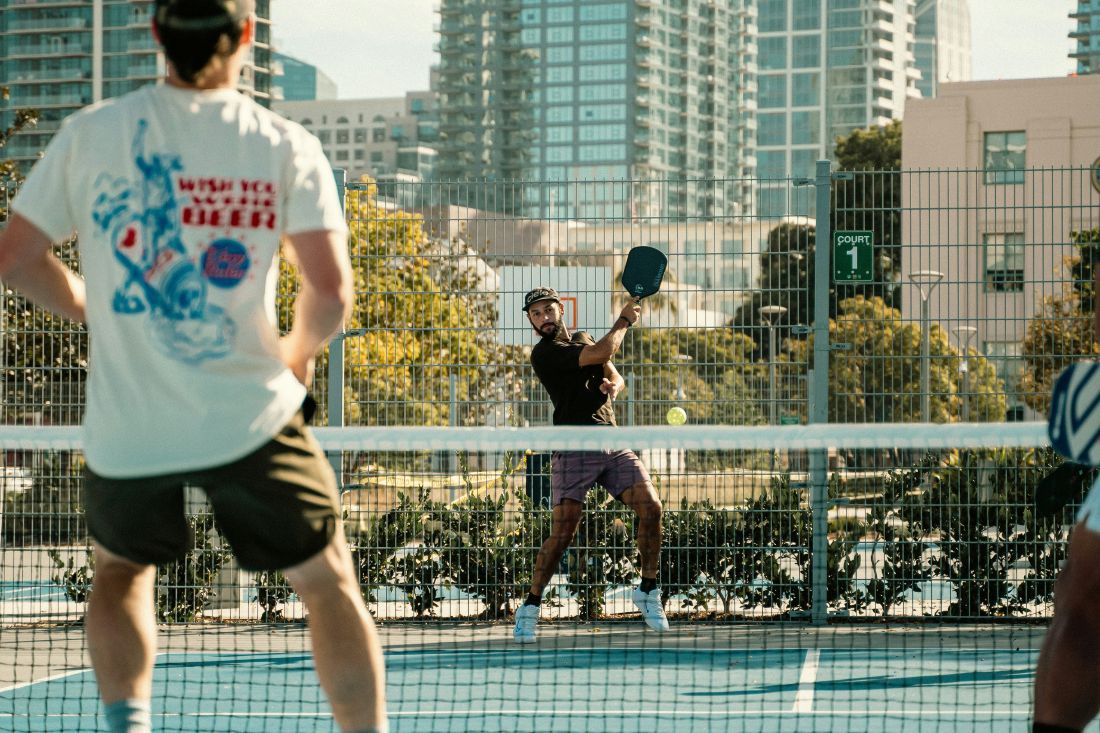
Preparation begins the moment the ball leaves the opponent’s paddle. The goal is early recognition so your body has time to organize instead of reacting at the last second.
Track the ball with your eyes, but also read cues like the opponent’s paddle path, contact height, and follow-through direction. Earlier reads reduce rushed swings and improve consistency.
A strong backhand starts with deciding the type of backhand you need before the ball arrives. A faster incoming ball usually calls for a compact block or punch volley. A slower, floatier ball gives time for a controlled drive or topspin roll. Making that decision early helps you set the correct paddle face angle and prevents mid-swing adjustments that cause errors.
If you play in structured environments - clinics, leagues, or coached sessions - you will see this recognition improve faster because repetition comes with consistent feedback.
2. Establish a Stable Ready Position
Start from an athletic stance with:
- Paddle in front of your chest
- Elbows relaxed
- Weight on the balls of your feet
- Your knees should be slightly bent so you can move laterally without standing upright or leaning backward
This stance is your baseline for every backhand, whether it becomes a dink, block, drive, or reset.
The paddle position matters more than most players realize. If the paddle is too low, you will lift and pop balls up under pressure. If it is too far to the side, you will be late when the ball comes quickly into your body. Keeping the paddle centered reduces reaction time and supports clean, compact strokes.
Maintain a grip pressure that is firm but not tense. Over-gripping locks the wrist and reduces touch, especially on dinks and resets. Under-gripping causes instability against pace. A controlled “secure but relaxed” feel allows you to absorb speed and redirect placement.
3. Create a Compact Unit Turn
As soon as you recognize the ball is coming to your backhand side, initiate a unit turn. This means:
- Your shoulders rotate together as one piece, rather than pulling the paddle back with your arm
- The paddle moves slightly back and stays connected to your torso, creating a compact loading position.
A compact backswing is essential in pickleball. Large swings introduce timing errors and slow recovery - especially at the kitchen line where exchanges are fast. Your backswing should be short enough that you can still hit effectively even when the ball arrives earlier than expected.
Your non-dominant side plays a role here. Use your off-hand for balance and posture control. Even if you do not use a two-handed backhand, the off-hand helps keep the chest stable and prevents excessive rotation that can pull your contact point behind you.
4. Move Your Feet to Win the Contact Point
Footwork is what allows the backhand to feel effortless. Your goal is to position your body so contact happens slightly in front of your lead hip, not beside you or behind you. Small adjustment steps are often more important than big movement.
Use these patterns depending on the situation:
- Shuffle steps for short lateral moves while staying balanced.
- Drop step when you need to cover a deeper or wider ball to the backhand.
- Pivot adjustment to align hips and shoulders to your target line.
When you rely on reaching, your torso tilts and the paddle face changes at the last moment, creating pop-ups or mis-hits. When your feet arrive first, the paddle can stay stable and your swing can remain compact. This is one of the biggest separators between inconsistent backhands and reliable ones.
5. Set the Paddle Face Based on the Shot
The paddle face angle must match the purpose of the shot. Many backhand errors happen because players keep the face too open under pressure and send the ball upward.
Use these general face guidelines:
- Neutral face for a controlled backhand drive with flatter trajectory.
- Slightly closed face for topspin drives and aggressive rolls.
- Slightly open face for defensive resets, soft dinks, and controlled blocks.
The paddle face should be set before the swing begins, not adjusted at impact. Pre-setting the face improves accuracy and reduces wrist manipulation. It also helps you keep the ball low, which is one of the primary goals of strong backhand execution.
6. Strike the Ball at the Correct Contact Point
The ideal contact point is in front of your body, roughly in front of the lead hip. Contacting the ball late forces you to compensate with the wrist or open the face, which often causes floaty balls and errors.
Contact height matters:
- At net height, you can drive through the ball or roll topspin.
- Below net height, prioritize lift and control, often with a reset or softer trajectory.
- Above net height, you can apply pressure with angle, pace, or aggressive placement.
Keep your head still through contact. Players who lift their head early often change posture mid-swing. A stable head position supports clean timing and consistent ball striking.
7. Control Impact With Structure, Not Wrist Flicks
During impact, the wrist should remain stable. This does not mean rigid, but it does mean controlled. Excess wrist flicking introduces variability in face angle and contact point, which is why it causes unpredictable misses.
Power comes primarily from:
- Shoulder rotation from the unit turn
- A stable base from footwork
- Controlled forward movement through contact
The arm and wrist are for guidance, not for generating the majority of force. When players “slap” at the ball, they often lose control and hit long or into the net. A smooth acceleration pattern produces a heavier, more reliable backhand.
8. Finish With a Compact Follow-Through Toward the Target
Follow-through should extend naturally toward the target line without becoming exaggerated. A compact finish improves control and allows quick recovery for the next shot.
Your follow-through should match the shot:
- Drives: extend forward, finish stable, return to ready quickly.
- Dinks: minimal follow-through, paddle stays in front.
- Resets: softer motion, absorb pace, finish quiet and controlled.
- Volleys: short punch, no long swing.
A common mistake is finishing across the body too dramatically, which often opens the paddle face and pulls the shot off-line. Finishing through the target helps accuracy and consistency.
9. Recover Immediately Into Ready Position
Recovery is part of the technique. After contact, return the paddle to the centerline and reset your stance. Players who freeze after a good shot often lose the next point because pickleball rewards quick sequences.
Recovery focuses on:
- Paddle returning to a neutral ready position
- Feet re-centering for the next ball
- Eyes tracking opponent contact for early recognition again
At the kitchen line, this recovery must be automatic. Even a small delay can turn a neutral exchange into a losing scramble.
10. Synchronize the Sequence Until It Becomes Automatic
Consistency comes from synchronization: recognition → unit turn → footwork → face angle → contact → follow-through → recovery.
When these phases connect smoothly, the backhand becomes automatic rather than reactive, which is essential during fast exchanges and pressure points.
Structured practice accelerates this automation because it creates repeatable environments with feedback.
If you want faster progress, Bounce helps you find city-based coaches, clinics, and competitive programming where backhand mechanics get reinforced under realistic match speed instead of isolated drills.
Backhand Variations Every Player Should Master
Backhand Drive
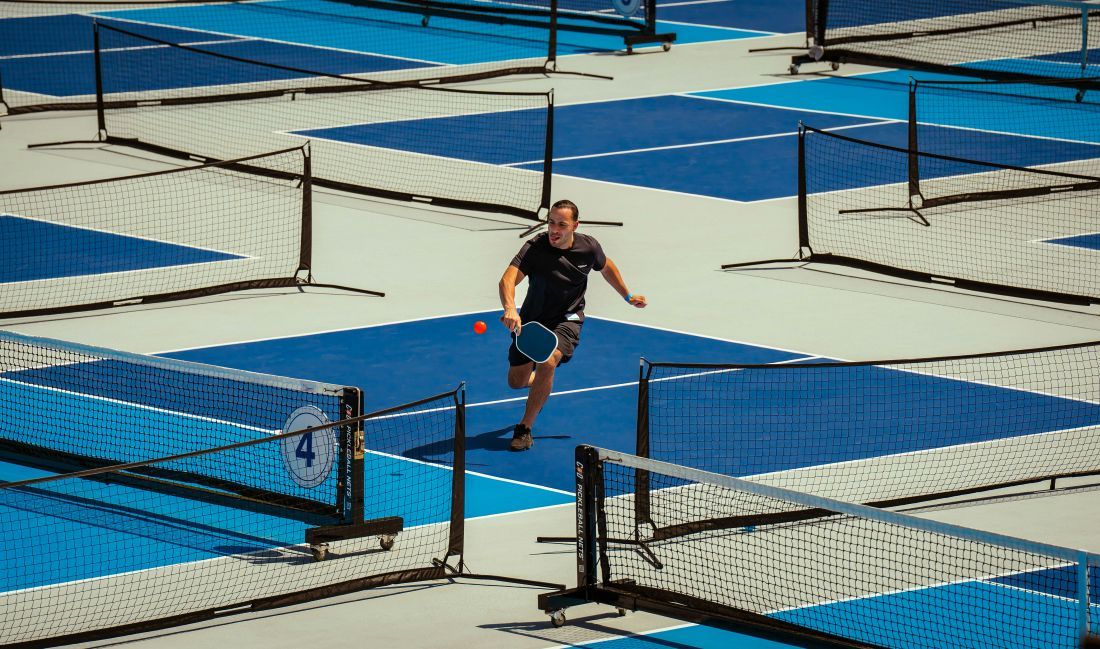
The backhand drive is your primary offensive backhand. It is used to apply pressure from the baseline or transition zone and to counterattack balls that sit above net height.
The swing path is slightly longer than a dink but remains compact and controlled. Overswinging reduces consistency and delays recovery, especially against fast opponents.
Topspin generation is key for an effective drive. Brush upward through the back of the ball with a slightly closed paddle face while maintaining a stable wrist.
The upward motion allows you to swing aggressively while keeping the ball inside the baseline. Controlled acceleration produces a heavy, penetrating shot that stays low after the bounce.
Placement is more important than raw pace. Driving deep to an opponent’s backhand corner often forces weaker returns. Targeting the inside hip can also jam opponents and limit their swing path.
A disciplined backhand drive turns neutral rallies into offensive opportunities without sacrificing consistency.
Backhand Dink
The backhand dink is essential for kitchen control and rally patience. It requires:
- Soft hands
- Precise paddle angle
- Minimal swing
The objective is to keep the ball low over the net and land it inside the opponent’s non-volley zone, preventing attackable returns.
Cross-court dinks offer higher margin because the net is slightly lower in the middle and the diagonal court provides more space. Straight-ahead dinks increase pressure but demand tighter control. Both variations require disciplined touch and controlled grip pressure.
The key technical elements include:
- Relaxed grip to absorb pace
- Minimal backswing
- Contact in front of the body
- Gentle upward lift when contacting below net height
Extended dink exchanges reward patience and positioning. Players who maintain balance and avoid forcing speed typically win more kitchen battles. A stable backhand dink builds confidence and prevents opponents from targeting your backhand side.
Backhand Volley
The backhand volley is used during fast exchanges at the non-volley zone. Reaction speed and compact mechanics define success here.
Unlike a drive, the volley requires no backswing. The paddle stays in front of the body, and the motion resembles a short punch toward the target.
Stability through contact prevents pop-ups. When players swing too big at the kitchen line, they lose control and give opponents attackable balls. The paddle face should be slightly closed when redirecting pace downward and neutral when blocking hard drives.
Key execution principles include:
- Paddle out in front, not tucked to the side
- Minimal follow-through
- Firm but controlled grip
- Quick recovery after contact
Strong backhand volleys transform defensive situations into neutral exchanges. Consistent control during rapid hand battles builds reliability under pressure.
Backhand Slice
The backhand slice introduces underspin and changes the rhythm of rallies. By slightly opening the paddle face and brushing downward through the ball, you create backspin that keeps the trajectory low and skidding after the bounce.
This variation is particularly effective:
- As a defensive reset from midcourt
- When approaching the kitchen
- To disrupt aggressive opponents
- To force upward contact from opponents
The motion should remain compact. Excess chopping increases inconsistency. The slice works best when executed with a controlled, smooth downward path rather than a sharp hacking motion.
Adding the slice to your backhand arsenal expands tactical options. It creates variation in pace and spin, forcing opponents to adjust their timing and contact point. When combined with drives, dinks, and volleys, the backhand becomes versatile rather than predictable.
Common Mistakes in Pickleball Backhand Technique
- Late preparation: Delaying shoulder rotation or paddle preparation forces rushed swings and off-balance contact. When the paddle is not set early, players compensate mid-swing, which reduces timing consistency and control.
- Excessive backswing: Large take-backs create timing problems and slow recovery. Pickleball rewards compact mechanics. Shortening the backswing improves reaction speed, especially during fast exchanges at the kitchen line.
- Poor balance at contact: Leaning backward, standing upright, or reaching too far disrupts weight transfer. Without a stable base, directional control suffers and shots tend to float or drift wide.
- Arm-dominant swinging: Failing to use a proper unit turn places too much responsibility on the arm. This reduces controlled power and increases fatigue. Effective backhands rely on shoulder rotation and body alignment, not just arm movement.
- Overuse of the wrist: Excess wrist flicking changes the paddle face angle unpredictably. The wrist should remain stable during drives and controlled during dinks. Too much wrist action leads to inconsistent spin and trajectory.
- Inconsistent contact point: Striking the ball too far behind the body forces last-second adjustments. Contact should occur slightly in front of the lead hip to maintain directional control and clean acceleration.
- Improper paddle face angle: Keeping the paddle too open causes pop-ups, while closing it too much drives balls into the net. The paddle face must match the intended shot before contact occurs.
- Freezing after the shot: Many players execute a solid backhand but fail to recover to ready position. Lack of recovery positioning often leads to losing the next ball in quick exchanges.
Correcting these mistakes requires deliberate repetition and honest feedback. Structured training environments accelerate improvement by identifying technical flaws early and reinforcing proper mechanics before bad habits become permanent.
Conclusion
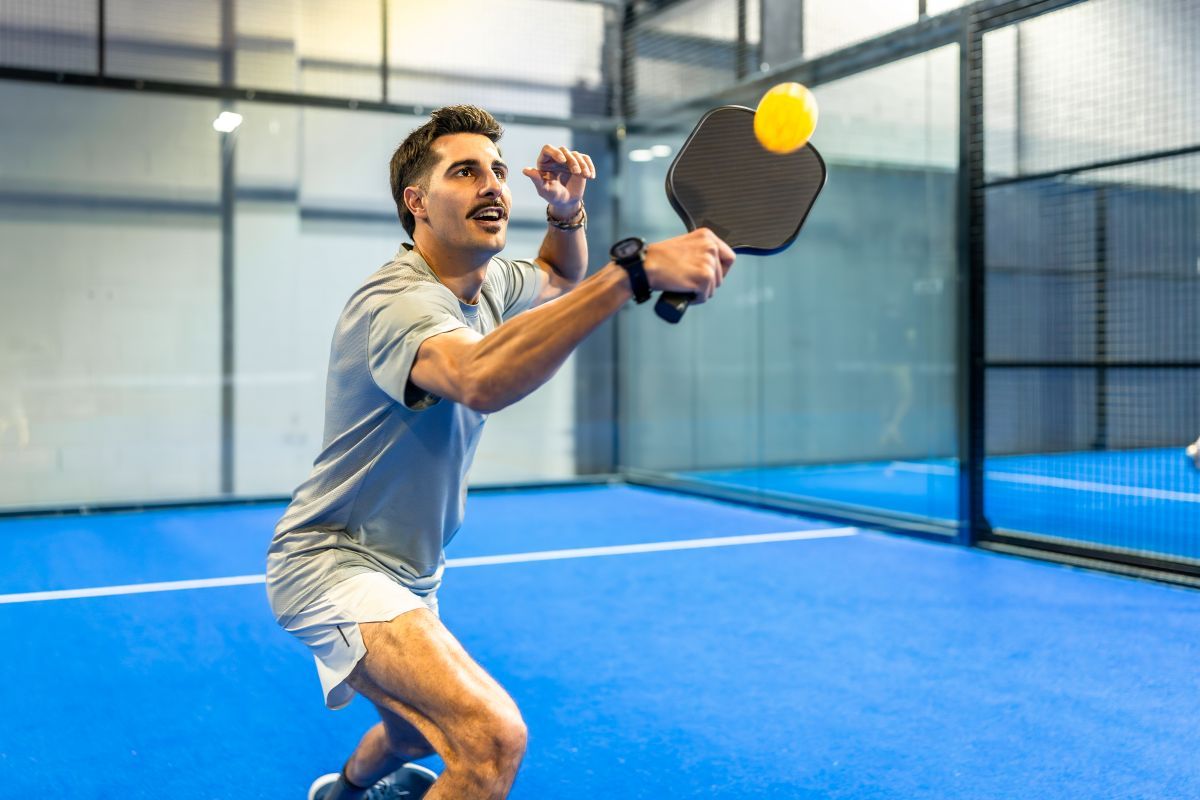
A refined pickleball backhand technique is built on disciplined mechanics, balanced positioning, and structured repetition. When preparation is early, contact is stable, and follow-through is controlled, the backhand transforms from a defensive liability into a strategic asset.
Technical clarity combined with consistent application creates long-term reliability.
If you are serious about elevating your backhand and translating technique into real match performance, commit to structured improvement. Find certified coaches, book targeted clinics, and join competitive leagues through Bounce’s city-based platform.
Make your backhand a strength, not a limitation - step into consistent training and start building a more complete game today.