

Reaching the advanced level in pickleball requires more than frequent play. It requires structured repetition, intentional correction, and strategic refinement. Casual games reinforce habits, but advanced pickleball drills reshape performance.
Players rated 4.0 and above succeed because they reduce unforced errors, execute under pressure, and maintain tactical clarity deep into long rallies.
At higher levels, margins shrink. Points are rarely decided by obvious mistakes. Instead, rallies are won through superior third-shot execution, transition discipline, kitchen control, and counterattack timing.
These skills are not built through random play. They are built through targeted drills that isolate weaknesses and reinforce repeatable mechanics.
What Defines “Advanced” in Pickleball?
Skill Benchmarks of Advanced Players
Advanced players demonstrate predictable execution under stress. They do not rely on power alone. Instead, they consistently land third-shot drops within inches of the kitchen line, reset from uncomfortable transition positions, and control speed exchanges at the net.
An advanced skill profile includes:
- Third-shot reliability above 70–80%
- Transition resets that neutralize hard drives
- Confident offensive speed-ups without reckless pop-ups
- Strategic targeting of backhands and middle lanes
- Communication discipline in doubles
Shot selection becomes calculated rather than reactive. Players recognize attackable balls early and avoid forcing low-percentage plays.
Rating Context
At the 4.0–5.0+ level, rallies extend longer and errors carry greater cost. Advanced players tolerate pace and spin without panic. They understand court geometry and anticipate patterns.
Common performance metrics at this level include:
| Skill Area | Advanced Standard |
| Third-shot drop consistency | 7–8 out of 10 successful |
| Reset under drive pressure | Majority neutralized |
| Dink rally tolerance | 15+ shots without error |
| Offensive conversion rate | High on elevated balls |
The emphasis shifts from “can you execute?” to “can you execute repeatedly?”
Advanced Pickleball Drills for the Third Shot
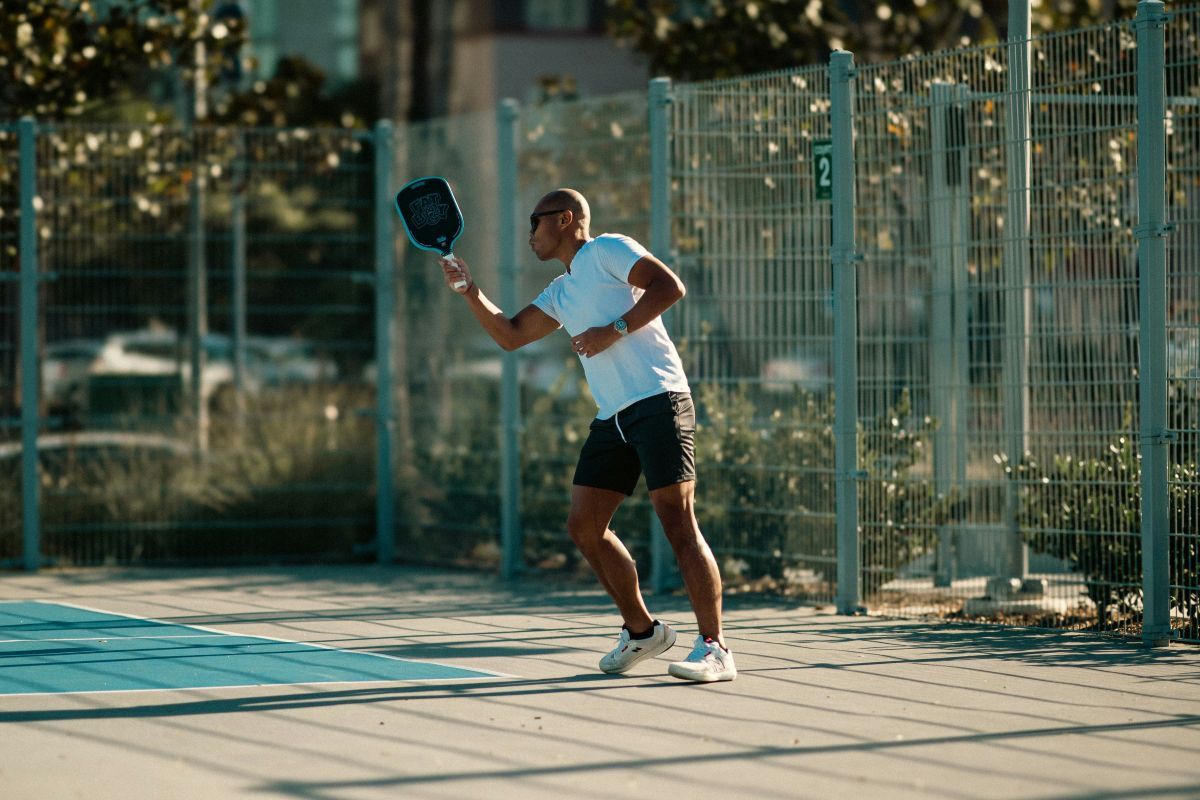
1. Third-Shot Drop Precision Drill
The third-shot drop remains the single most important neutralizing tool in advanced pickleball. At the 4.0+ level, a drop that floats even slightly above net height becomes attackable.
This drill builds repeatable trajectory control, depth accuracy, and emotional patience.
Structure
- Player A serves.
- Player B returns deep.
- Player A must drop cross-court into a defined kitchen target zone.
- Complete 20 repetitions per side.
- Track successful drops that land below opponent’s net height contact point.
Technical Emphasis
- Contact below waist height.
- Slightly open paddle face.
- Smooth upward swing path, not a lifting flick.
- Stable base with minimal forward drift.
Progressions
- Narrow Target Zones: Reduce landing space to a 2x2 foot area.
- Score Accountability: 1 point for a clean drop. -1 for a pop-up. First to +10 wins.
- Live Pressure Variation: Returner may occasionally step in and attack high drops.
Performance Outcomes
- 70–80% drop consistency target.
- Reduced attackable thirds in match play.
- Improved confidence on serve.
2. Third-Shot Drive + Fifth Shot Drop Drill
Advanced players must blend power and touch. This drill trains offensive sequencing and tempo control.
Structure
- Serve.
- Third-shot drive.
- Opponent blocks.
- Fifth-shot drop into kitchen.
- Continue rally live.
Repeat 15 reps each side.
Technical Focus
- Drive with controlled pace, not full power.
- Expect and prepare for a low block.
- Soften hands immediately after drive.
- Maintain forward momentum into transition.
Progressions
- Alternate forehand and backhand drives.
- Blocker varies block height.
- Add scoring: point only counts if fifth shot lands unattackable.
Performance Outcomes
- Cleaner attack-to-soft transitions.
- Fewer rushed fifth shots.
- Improved rally control after initial aggression.
3. Hybrid Decision Drill (Drop vs Drive Recognition)
This drill improves situational reading under speed.
Structure
- Returner varies depth and height intentionally.
- Server must decide instantly between drop or drive.
- Rally continues live.
Coaching Cues
- Short + high return = drive.
- Deep + low return = drop.
- No hesitation in execution.
Progressions
- Add time constraint (no pre-bounce adjustment).
- Introduce spin-heavy returns.
- Play first to 11 using decision accuracy scoring.
Performance Outcomes
- Faster pattern recognition.
- Reduced indecision errors.
- Higher offensive conversion rates.
Transition Zone Mastery Drills
The transition zone exposes mechanical flaws. Advanced pickleball drills in this area build stability under fire.
1. Continuous Reset Drill
This drill builds defensive composure under sustained pressure.
Structure
- Attacker drives repeatedly from baseline.
- Defender resets from transition.
- 10-ball sequences.
- Switch roles.
Technical Focus
- Soft grip pressure.
- Paddle out in front.
- Absorb pace, don’t swing through.
- Balanced stance with slight knee bend.
Progressions
- Increase drive pace.
- Reduce defender space (closer to net).
- Track percentage of neutralized balls.
Performance Outcomes
- Fewer transition breakdowns.
- Improved reset depth control.
- Increased comfort against heavy hitters.
2. “No Bounce” Transition Pressure Drill
Half-volley resets sharpen touch precision.
Structure
- Drives must be reset before bounce.
- Defender cannot retreat.
- 3-minute continuous rounds.
Technical Emphasis
- Minimal backswing.
- Early paddle preparation.
- Compact block mechanics.
Progressions
- Add directional reset requirement.
- Alternate forehand/backhand only.
- Introduce scoring penalties for pop-ups.
Performance Outcomes
- Stronger half-volley control.
- Faster reaction timing.
- Reduced panic in fast exchanges.
3. Moving Through the Transition Corridor
This builds disciplined advancement.
Structure
- Start at baseline.
- Advance only after successful reset.
- Missed reset returns player to baseline.
Coaching Focus
- Controlled forward momentum.
- Split-step timing.
- Balanced recovery after each reset.
Performance Outcomes
- Smarter net approach decisions.
- Fewer rushed advances.
- Better transition patience.
Advanced Kitchen (Non-Volley Zone) Drills
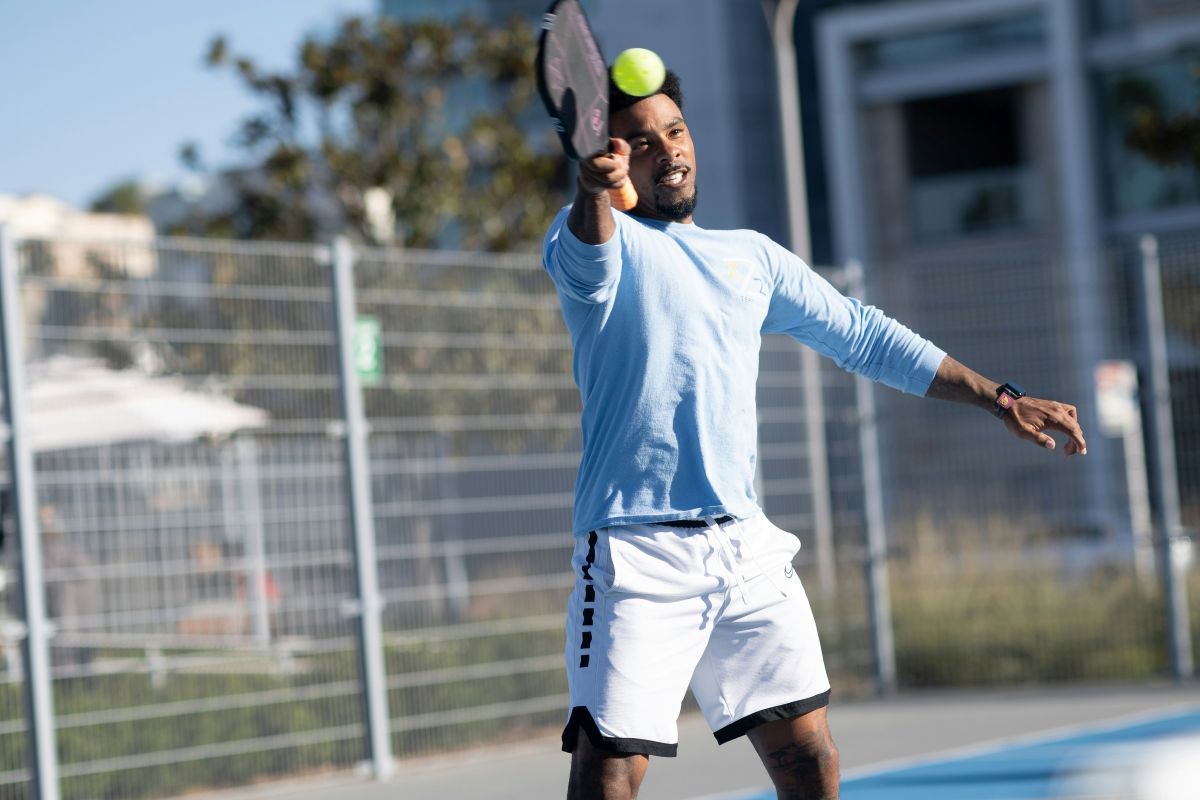
Kitchen exchanges at the advanced level become strategic chess matches.
1. Cross-Court Dink Acceleration Drill
This drill trains pace modulation without sacrificing control.
Structure
- Begin slow.
- Gradually increase pace every 10 shots.
- Maintain low net clearance.
Technical Focus
- Compact motion.
- Controlled shoulder rotation.
- Stable paddle angle.
Progressions
- Add sideline-only targeting.
- Alternate pace every three shots.
- Introduce middle attack attempt only when ball rises.
Performance Outcomes
- Higher rally tolerance.
- Improved pressure control.
- Better angle creation.
2. Attackable Ball Recognition Drill
Advanced players attack selectively.
Structure
- Dink rally.
- Player must call “attack” before speeding up.
- Continue live.
Emphasis
- Identify net-height threshold.
- Avoid premature speed-ups.
- Place attacks to feet or shoulder pocket.
Outcomes
- Higher offensive efficiency.
- Fewer counterattack losses.
- Sharper visual recognition.
3. Hands Battle Reaction Drill
This sharpens compact volley mechanics.
Structure
- Rapid volley exchanges at kitchen.
- 30–45 second rounds.
- Rotate feeder.
Technical Focus
- Elbows slightly forward.
- No backswing.
- Punch through contact.
Progressions
- Increase speed.
- Alternate forehand-only/backhand-only.
- Add directional constraints.
Performance Outcomes
- Faster reflexes.
- Cleaner counters.
- Increased confidence in speed exchanges.
4. Inside-Out Dink and Angle Creation Drill
This drill develops positional manipulation.
Structure
- Two cross-court dinks.
- One inside-out angle.
- Reset neutral.
- Repeat.
Focus
- Pull opponent wide.
- Recognize open middle.
- Maintain low contact point.
Performance Outcomes
- Better pattern construction.
- Increased opening creation.
- More strategic patience.
Offensive Pattern Development Drills
Advanced offense is constructed, not improvised.
1. Two-Ball Setup Drill
Teaches structured offense.
Structure
- First dink creates movement.
- Second ball attacks open lane.
- Live continuation.
Emphasis
- Intentional placement.
- Controlled aggression.
- Avoid rushed attacks.
Outcomes
- Higher finish percentage.
- Improved rally planning.
- Reduced impulsive errors.
2. Erne Setup Repetition
Enhances timing and disguise.
Structure
- Wide dink.
- Partner anticipates sideline poach.
- Controlled landing.
Focus
- Footwork timing.
- Non-telegraphed movement.
- Safe recovery positioning.
Outcomes
- Increased sideline pressure.
- More offensive unpredictability.
- Stronger doubles coordination.
3. Middle Ball Domination Drill
Middle wins points at advanced levels.
Structure
- Teams target only middle for 10-ball sequences.
- Emphasize communication.
Focus
- Forehand assertion.
- Clear verbal cues.
- Avoid hesitation.
Outcomes
- Reduced partner confusion.
- Stronger team cohesion.
- Higher defensive disruption.
Defensive and Counterattack Drills
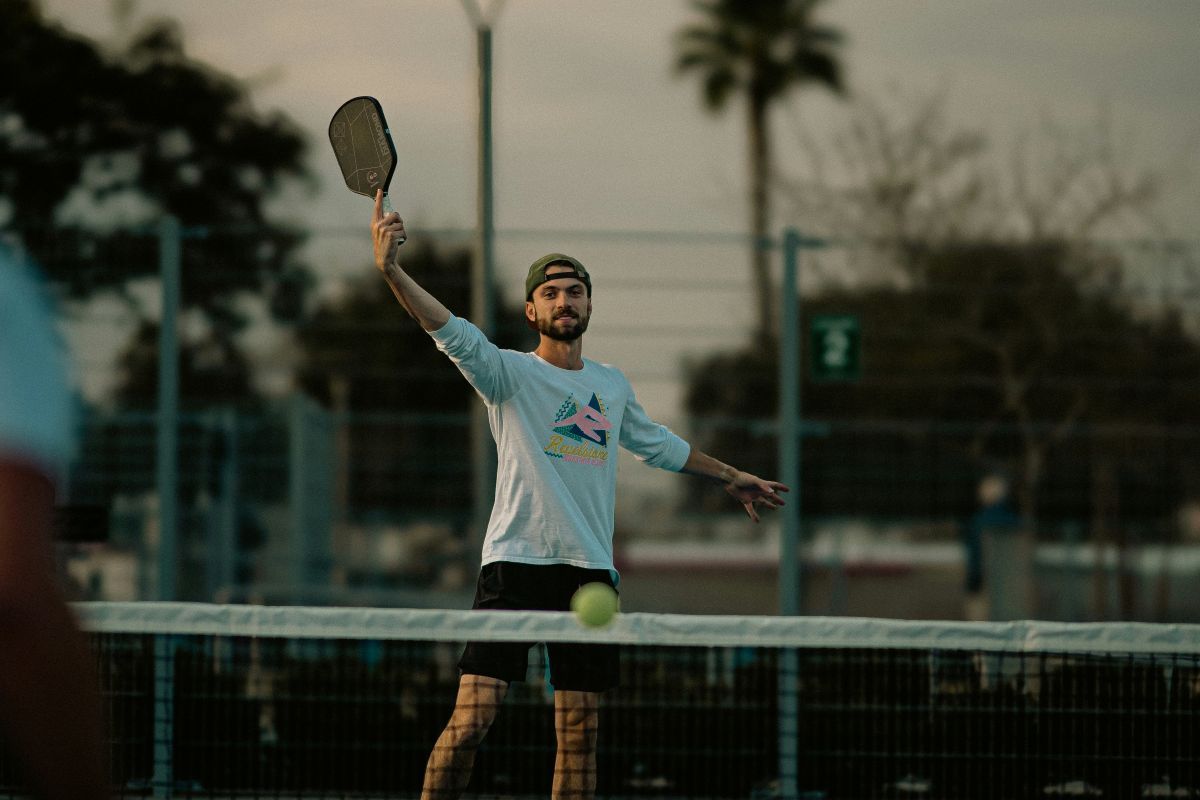
Defense transitions into offense at high levels.
1. Block-and-Reset Under Fire Drill
Simulates aggressive opponents.
Structure
- 10 consecutive drives.
- Defender resets each.
- Track neutralization percentage.
Focus
- Paddle stability.
- No backswing.
- Deep, soft resets.
Outcomes
- Improved defensive consistency.
- Reduced pop-ups.
- Stronger patience under pressure.
2. Lob Defense and Overhead Recovery Drill
Builds backcourt composure.
Structure
- Alternate lob and overhead.
- Immediate recovery to kitchen.
Focus
- Quick pivot.
- Controlled smash placement.
- Efficient footwork recovery.
Outcomes
- Fewer missed overheads.
- Faster net re-entry.
- Better backcourt control.
3. Counterattack Timing Drill
Defense becomes offense.
Structure
- Defender blocks two drives.
- Third ball counterattacks if high.
- Continue rally live.
Focus
- Recognize floating drives.
- Short punch mechanics.
- Attack down at feet.
Outcomes
- Improved timing.
- Higher counter conversion.
- Increased offensive confidence.
Advanced Singles Pickleball Drills
Singles require endurance and depth control.
1. Depth Control Baseline Drill
Improves court dominance.
Structure
- Cross-court rallies.
- Must land within three feet of baseline.
- 20-ball goal.
Outcomes
- Higher depth consistency.
- Stronger defensive positioning.
- Improved shot tolerance.
2. Passing Shot Precision Drill
Builds offensive precision under pressure.
Structure
- Opponent approaches net.
- Defender targets sideline passing shot.
- Rotate roles.
Focus
- Low trajectory.
- Controlled spin.
- Quick recovery.
Outcomes
- More effective counters.
- Reduced net-point losses.
- Sharper targeting discipline.
3. Conditioning Rally Drill
Develops stamina and mental endurance.
Structure
- 5-minute cross-court rally.
- No winner attempts.
- Track error count.
Outcomes
- Improved aerobic capacity.
- Stronger rally patience.
- Late-game consistency.
Conditioning and Movement Drills for Competitive Players
Physical conditioning directly influences late-match performance.
1. Lateral Explosion Drill
This drill develops first-step acceleration and lateral stability, both critical during kitchen exchanges and wide dink recoveries.
Structure
- Place 4–6 cones spaced 3–5 feet apart in a horizontal line.
- Start centered in athletic stance.
- Coach signals left or right.
- Explode laterally to cone, touch, and recover to center.
- 20–30 second intervals, 4–6 rounds.
Optional: Add a quick volley feed after each movement to simulate live play.
Technical Focus
- Low base and bent knees.
- Drive off outside leg.
- Avoid crossing feet.
- Controlled recovery back to center.
Progressions
- Replace verbal cues with visual signals.
- Add resistance band for overload.
- Increase signal speed for reaction demand.
Performance Outcomes
- Improved first-step quickness.
- Better balance during wide recovery.
- Reduced ankle instability in fast exchanges.
- Faster positioning at the kitchen.
2. Split-Step Reaction Drill
This drill sharpens timing and directional push-off, improving readiness during speed exchanges.
Structure
- Player at kitchen line.
- Feeder initiates swing.
- Player performs split step just before contact.
- Feeder directs ball left or right.
- 15–20 reps per set, 3–5 sets.
Technical Focus
- Light hop landing on balls of feet.
- Knees flexed on landing.
- Immediate push-off without hesitation.
- Eyes locked on paddle contact.
Progressions
- Increase feed pace.
- Add disguised directional changes.
- Add short shuffle set before each rep.
Performance Outcomes
- Faster reaction timing.
- Cleaner directional acceleration.
- Reduced hesitation in kitchen battles.
- Improved defensive readiness.
3. Endurance Kitchen Exchange Drill
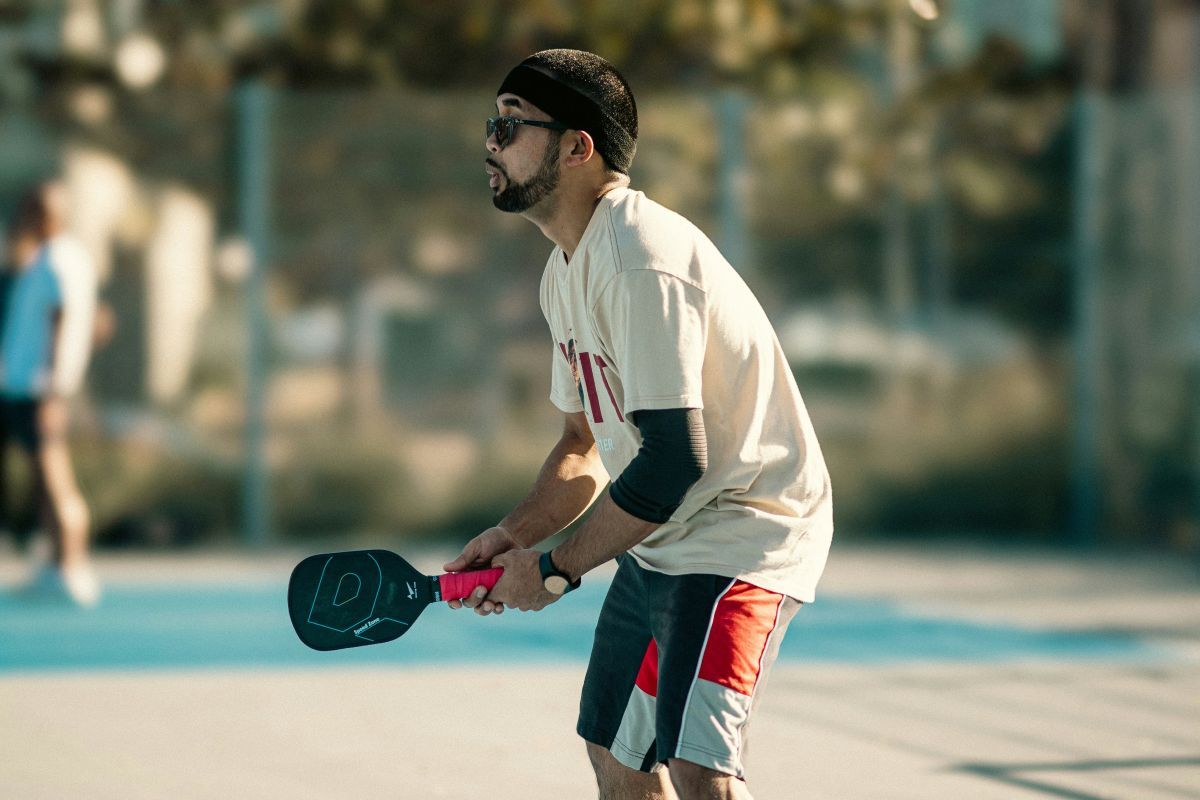
This drill builds fatigue-resistant touch and rally tolerance during prolonged dink exchanges.
Structure
- Cross-court dink rally at kitchen.
- 3–5 minutes continuous.
- Error resets clock.
- Alternate cross-court and straight every 10 shots.
- 2–4 rounds.
Technical Focus
- Compact swing.
- Stable paddle face.
- Light grip pressure.
- Small adjustment steps, no reaching.
Progressions
- Alternate short and deep dinks.
- Allow one controlled speed-up per 15 balls.
- Add lateral shuffle set before starting rally.
Performance Outcomes
- Higher dink rally tolerance.
- Fewer late-rally pop-ups.
- Improved balance during wide exchanges.
- Stronger composure under fatigue.
4. Match-Simulation Fatigue Sets
This drill simulates tournament pressure under physical fatigue.
Structure
- Sprint set: Baseline to kitchen and back (5 reps) and 10 lateral shuffles.
- Immediately play short game to 5.
- Rotate partners.
- 3–6 cycles.
Technical Focus
- Maintain shot discipline.
- Avoid forced winners.
- Prioritize resets over risky speed-ups.
- Control breathing between points.
Progressions
- Reduce rest time between cycles.
- Start mini-games at 3–3.
- Track unforced errors per fatigue round.
Performance Outcomes
- Improved late-game focus.
- Better shot selection under stress.
- Increased physical resilience.
- Greater composure in tight matches.
Structured programming environments accelerate these gains. Through Bounce, advanced players can locate competitive leagues and drill-based sessions designed specifically for 4.0+ participants, ensuring intensity matches skill level.
Structured Training Plans for Advanced Players
A weekly training model improves retention and balance.
Sample Framework
| Day | Focus |
| Day 1 | Third-shot refinement |
| Day 2 | Kitchen speed and counters |
| Day 3 | Transition resets |
| Day 4 | Match simulation |
Sessions should combine:
- Technical isolation
- Tactical application
- Conditioning integration
Tracking progress strengthens accountability. Advanced players often monitor:
- Third-shot success rate
- Reset conversion percentage
- Offensive finish efficiency
Working with certified coaches improves feedback loops and mechanical correction. Bounce connects players to high-level instructors and organized programming within city ecosystems, reducing fragmentation and increasing consistent practice access.
Final Thoughts
Advanced pickleball drills transform talent into repeatable execution. Mastery emerges from disciplined repetition, technical refinement, and tactical awareness applied consistently under pressure.
High-level performance is not built on occasional brilliance. It is built on minimizing errors and maximizing control across every phase of the rally.
If your goal is to elevate performance, reduce inconsistency, and compete at a higher level, commit to intentional drilling and structured environments. Explore advanced coaching, clinics, and competitive leagues on Bounce and take the next step toward sustained, measurable improvement.


