If you’re wondering about calories burned playing pickleball, the most useful answer is a range, not one magic number. For most adults, pickleball burns roughly 250 to 800 or more calories per hour, depending on body size, skill level, game format, and how much of the session is actually spent moving.
That range sounds wide because it is. A relaxed doubles game with pauses between points does not demand the same energy as fast singles, competitive doubles, or a clinic with steady drills. Some articles make calorie burn sound more precise than it really is. In practice, your total depends less on the sport’s name and more on what your version of the session looks like.
That said, pickleball still sits in a really good spot for most everyday players. It is easier to stick with than many gym-based workouts, it can still raise your heart rate meaningfully, and it gives you a social reason to stay active. For beginners and improvers, that combination matters.
A realistic calorie-burn range for pickleball
The clearest way to estimate pickleball calorie burn is by play style.
| Play style | Practical calorie range per hour |
| Casual doubles | 250 to 400 |
| Active recreational doubles | 350 to 500 |
| Competitive doubles or hard drill sessions | 450 to 650 |
| Fast singles | 500 to 800+ |
These are estimates, not guarantees. But they line up with what the current research suggests, and they help explain why calories burned playing pickleball can look very different from one player to another.
In a study of older recreational players, both singles and doubles pickleball reached moderate-to-vigorous intensity, and singles produced more steps per hour than doubles. That helps explain why singles usually push calorie burn higher than doubles. You can see that in the PubMed study on singles and doubles pickleball intensity.
It also helps to understand how calorie estimates are usually built. Many exercise estimates rely on MET values, which are a standard way to describe activity intensity. That broader framework comes from the Compendium of Physical Activities. In plain terms, harder movement plus more time in motion usually means more calories burned.
What changes the number most
A lot of articles go straight to the calorie number and skip the more important question: why does the number change so much from one player to another?
Singles vs. doubles
This is usually the biggest factor.
Singles covers more court, involves more running, and usually raises your heart rate faster. Doubles can still be active, especially at higher levels, but many recreational doubles sessions include more pauses and less court coverage per player.
That does not mean doubles is too easy to count. It just means doubles often has a lower average output unless the pace stays high.
Body size
Larger bodies generally burn more calories doing the same activity because moving more mass requires more energy. That is one reason two players can have very different numbers even when they play the same match.
This broader weight-and-energy relationship is well established in public health guidance, including the CDC’s overview of physical activity and weight.
Skill level and rally quality
Skill level changes calorie burn in two opposite ways.
Beginners often use extra energy because their movement is less efficient. But they also tend to have more dead time, more mishits, and shorter rallies. Advanced players usually move more efficiently, yet they often burn more because the game itself gets faster, cleaner, and more demanding.
So the better question is not whether better players burn less because they move better. It is whether their level creates more continuous movement. Often, the answer is yes.
Session structure
An hour on court is not always an hour of real work.
If your session includes long waits between games, chat-heavy open play, or frequent breaks, your actual burn drops. If it includes back-to-back games, singles, or drill blocks with limited rest, the number climbs quickly.
Calories burned playing pickleball by age
Age matters, but not in the way many headlines suggest.
You do not burn calories because of age alone. What usually changes with age is pace, recovery, movement style, and how a person chooses to play. That is why it is better to talk about patterns by age than fixed age-based calorie numbers.
Age changes tendencies, but it does not determine everything by itself. When people compare calories burned playing pickleball across age groups, the bigger factors are usually pace, body size, intensity, and whether they are playing singles or doubles.
Younger players
Teens and younger adults often land higher in the range because they tend to recover faster, move more explosively, and play at a quicker pace. That is especially true in singles or fast doubles.
Adults in their 30s to 50s
This group often has the widest range. Some players stay in social doubles and remain near the lower-middle end. Others play competitive doubles, add drills, or mix in singles and end up much higher.
Older adults
Older players can still get a meaningful workout from pickleball, especially through steady doubles play. The key point from the research is not that older players burn a fixed number of calories, but that pickleball can still reach moderate-to-vigorous intensity in this group. That is one reason the sport has become such a strong fit for active aging, especially when players can scale pace and format.
So yes, age influences tendencies. But body size, session design, and game format usually matter more than age by itself.
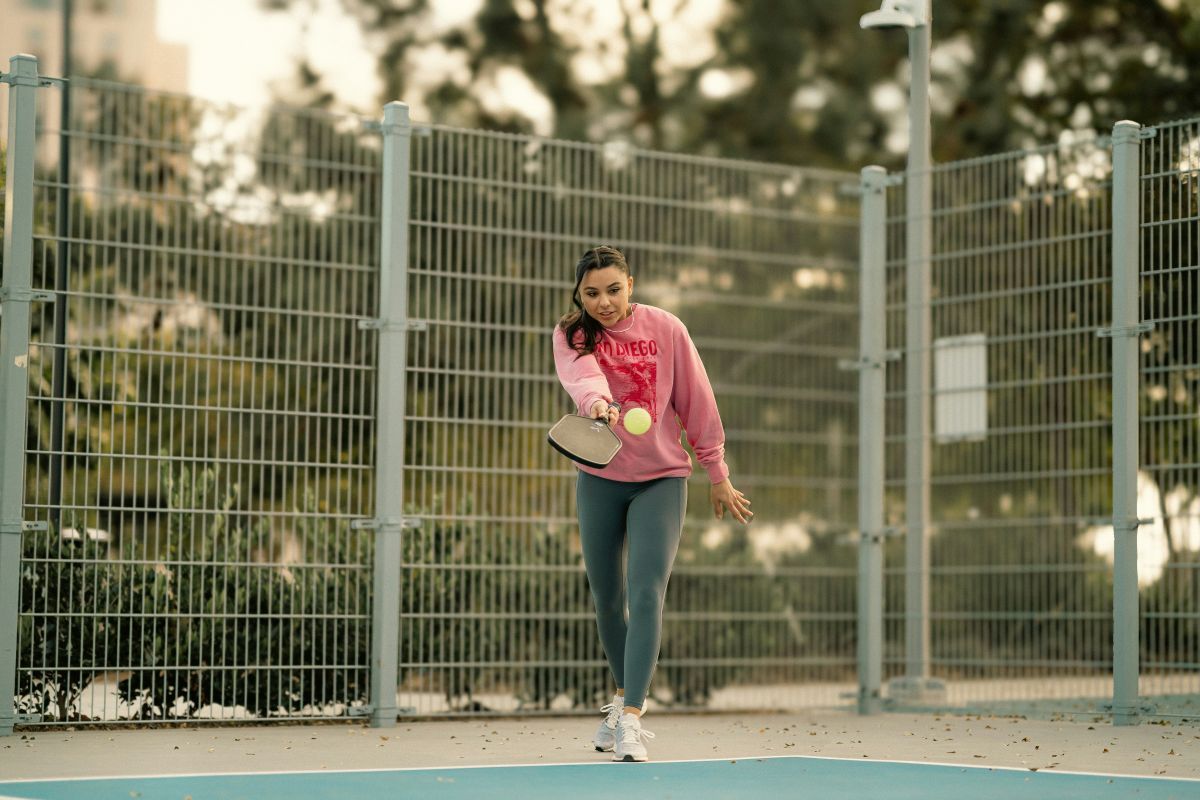
Calories burned playing pickleball by level
Level matters because level changes the texture of the match.
Beginner level
Beginners often burn calories in a stop-start way. There is more hesitation, shorter rallies, and more downtime between points. That usually keeps them in the lower to middle part of the hourly range, especially in doubles.
Intermediate level
This is where calorie burn often becomes more consistent. Players move better, points last longer, and court positioning improves. Many recreational adults start feeling that pickleball is not just fun, but also a genuine conditioning tool.
If you are still building that foundation, a practical pickleball shots guide can help you keep points alive longer and move with more purpose.
Advanced or competitive level
At stronger levels, pickleball can be surprisingly demanding. Better players recover faster, change direction more sharply, and create rallies that require repeated acceleration, braking, and quick decisions. That usually pushes calorie burn toward the top end of the range, especially in singles or fast doubles.
Skill level also changes the picture. In real play, calories burned playing pickleball often rise when rallies get faster, movement becomes more continuous, and sessions include fewer long breaks.
Is pickleball enough for weight loss or fitness?
It can help a lot, but context matters.
Pickleball can support fat loss, fitness, and better long-term activity habits. The biggest reason is not just the raw calorie number. It is that many people will actually keep doing it.
That matters more than people think. A workout you enjoy three times a week usually beats a perfect plan you quit after ten days.
Still, calorie burn is only one piece of the picture. If your goal is weight loss, food intake matters too. The CDC is very clear that physical activity helps with weight management, but nutrition still matters alongside movement. That is one reason it is more honest to say pickleball can support weight loss than to promise it on its own. The CDC’s weight-and-activity guidance is useful here too.
Movement comfort matters as well. The right paddle, shoes, and court setup can help you stay active longer and move better, which is why a practical pickleball equipment guide can make a real difference if you’re just getting started.
A simple way to estimate your own burn
If you want a practical estimate without overcomplicating it, ask yourself four questions:
- Was I playing singles or doubles?
- How much of the session was I actually moving?
- Was the pace social, steady, or intense?
- Am I lighter, average, or heavier for my height?
Then place yourself here:
- 250 to 400/hour for casual doubles
- 350 to 500/hour for active recreational doubles
- 450 to 650/hour for competitive doubles or steady drills
- 500 to 800+/hour for fast singles
This is not perfect, but it is usually more useful than pretending everyone burns the same number.
How to burn more calories playing pickleball without ruining the game
You do not need to turn every session into punishment.
A few practical changes can raise the training effect:
- play singles for part of the session
- shorten rest between games
- add drills before open play
- choose games where the pace stays steady
- move your feet earlier instead of reaching late
- build enough skill so that rallies last longer
This is also where structured improvement helps. For players who want more direction, Bounce can be a useful next step for finding local coaches, clubs, programs, and ways to play more often with purpose in your city.
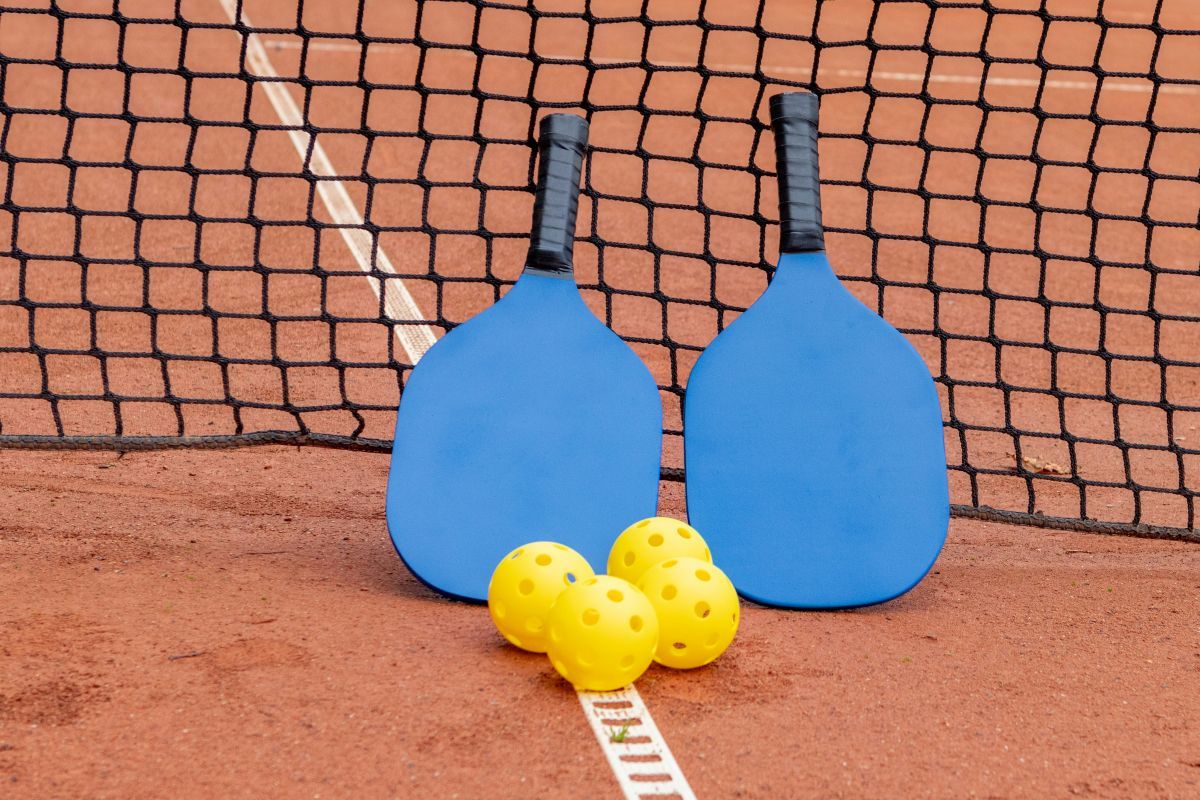
What this number actually means for regular players
For most people, the best takeaway is not “I burned exactly 412 calories.”
It is this: pickleball can absolutely be a real workout, and the more you grow into the sport, the more control you have over how active it becomes. You can keep it social and light, or you can make it more demanding through pace, opponent level, and smarter session design.
For most people, the best takeaway is not chasing one exact number. It is understanding that calories burned playing pickleball depend on how you play, how long you move, and how much intensity you bring to the court.
That is a big reason the sport works so well for beginners and improvers. It gives you a practical way to play, learn, and stay active without forcing yourself through a routine you hate. If you want more player-first guidance, the Bounce blog has more pickleball articles that help turn curiosity into real court time.
FAQs
How many calories do you burn playing pickleball in 30 minutes?
For many players, a 30-minute session burns roughly 125 to 400 calories, depending on whether the session is casual doubles, active doubles, or fast singles.
Do you burn more calories in singles or doubles pickleball?
Usually, yes. Singles typically burn more because you cover more court and spend less time sharing movement responsibilities. Research on older recreational players also found higher steps per hour in singles than in doubles.
Does age lower calorie burn in pickleball?
Not directly. Age can influence pace, recovery, and style of play, but body size, intensity, and game format usually matter more.
Do beginners burn fewer calories than advanced players?
Often yes, but not always. Beginners may move less efficiently, but they also tend to have more downtime. Advanced players often burn more because rallies are faster and more demanding.
Is pickleball good for weight loss?
It can help, especially if you play regularly and combine it with eating habits that support your goal. The biggest advantage is that many people enjoy it enough to stay consistent.
What is a good calorie estimate for recreational doubles?
A practical range is about 250 to 500 calories per hour, depending on body size and how active the session really is.