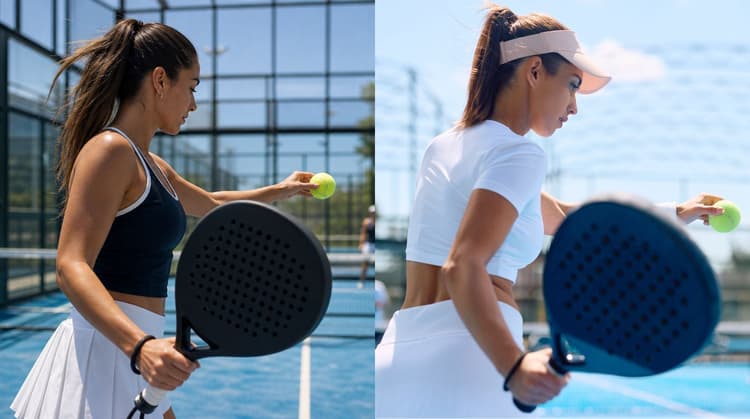
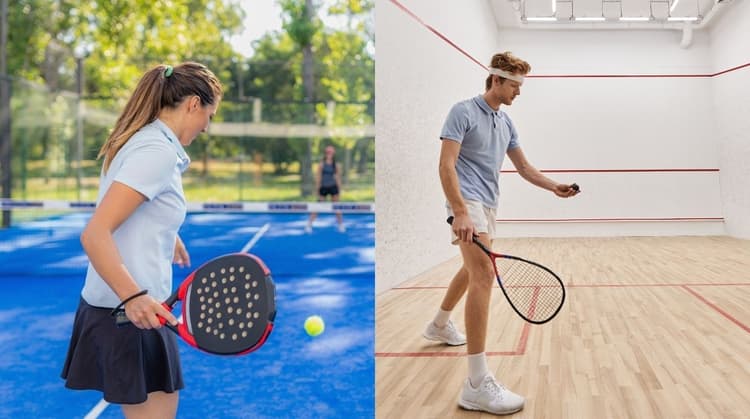
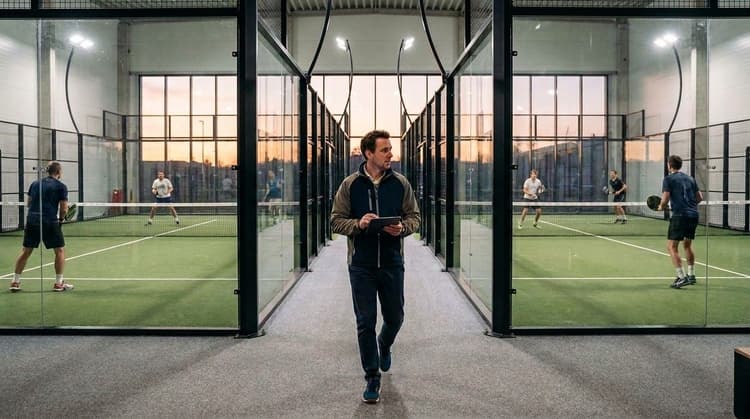
Pickleball for seniors has grown rapidly because it offers a rare combination of low-impact exercise, social interaction, and mental engagement.
Unlike many traditional sports, pickleball is approachable from the very first session, making it ideal for older adults who want to stay active without putting excessive stress on their bodies.
The smaller court, slower ball, and simple rules create an environment where players can build confidence quickly and enjoy consistent progress.
Why Pickleball Is Perfect for Seniors
Pickleball stands out because it removes many of the barriers that make other sports difficult later in life. The compact court size significantly reduces the need for long-distance running, allowing players to focus on positioning, timing, and control instead of endurance alone. This makes it easier to stay engaged in longer sessions without excessive fatigue.
Another key advantage is the low-impact nature of the sport. Movements are controlled and deliberate, which helps minimize strain on joints such as:
- Knees
- Hips
- Ankles
Compared to high-impact activities, pickleball allows seniors to stay active while reducing the risk of injury, making it a sustainable choice over time.
The simplicity of the game also plays a major role. The rules are easy to understand, and basic skills can be learned quickly. This creates an early sense of achievement, which is crucial for maintaining motivation. Seniors can begin playing recreationally almost immediately, even without prior racket sports experience.
Equally important is the social aspect. Pickleball is typically played in doubles, encouraging:
- Communication
- Teamwork
- Connection
Many players find that the social environment becomes just as valuable as the physical exercise, helping to build friendships and maintain an active lifestyle.
Key Health Benefits of Pickleball for Seniors
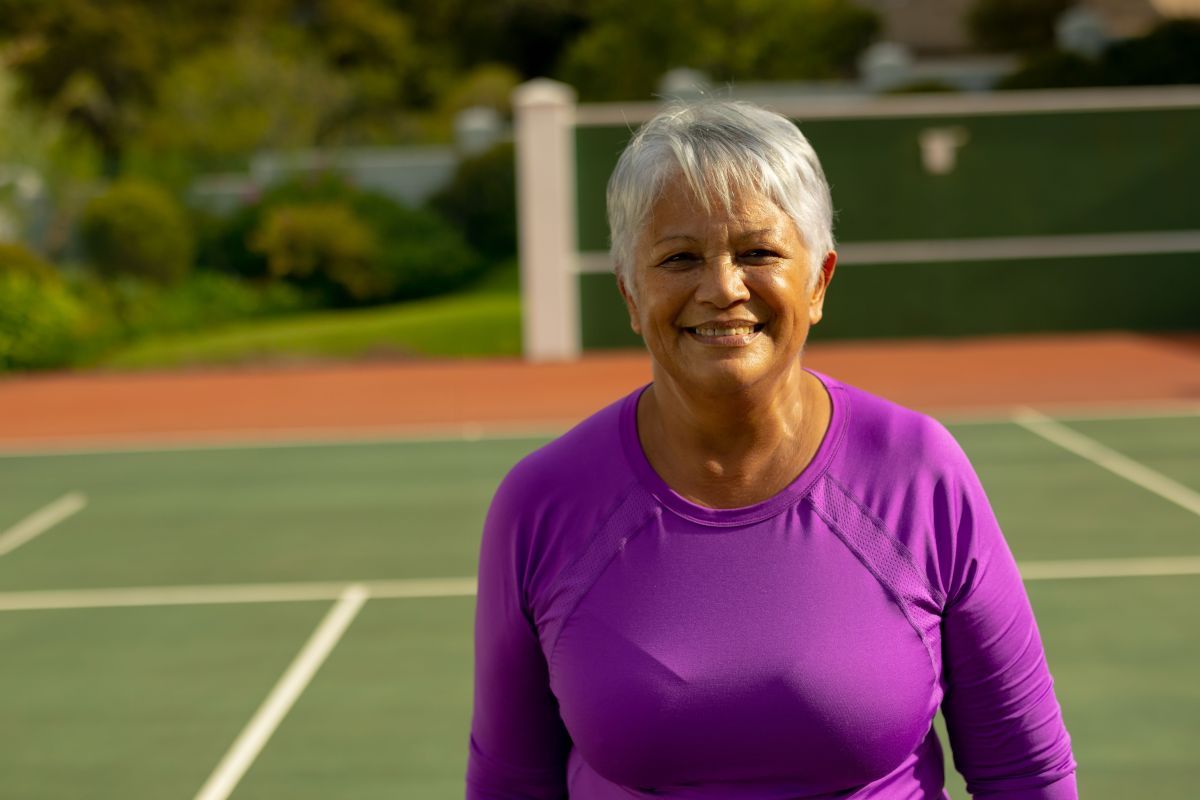
Physical Health Benefits
Pickleball provides a well-rounded form of exercise that supports multiple aspects of physical health:
- Improves cardiovascular health by maintaining consistent movement during rallies, supporting heart function and stamina
- Enhances balance and coordination, helping reduce the risk of falls through better stability and body control
- Builds functional strength by engaging key muscle groups in the legs, core, and upper body during play
- Supports joint mobility and flexibility through controlled, repetitive movements that improve range of motion
- Encourages active aging, allowing seniors to stay physically engaged without excessive strain on the body
Mental and Cognitive Benefits
The mental demands of pickleball are often underestimated. The game requires players to:
- Anticipate shots
- Make quick decisions
- Adjust strategies in real time
This continuous engagement stimulates cognitive function and helps maintain mental sharpness.
Regular participation can also contribute to improved focus and memory. Learning rules, tracking scores, and adapting to different opponents all require active thinking. These elements create a mentally stimulating environment that supports long-term brain health.
Stress reduction is another important factor. Physical activity naturally releases endorphins, which improve mood and reduce anxiety. Combined with the enjoyable and social nature of the game, pickleball becomes a powerful tool for maintaining emotional well-being.
Social and Emotional Benefits
Pickleball offers a strong sense of community that is difficult to replicate in individual fitness routines. Playing regularly creates opportunities to:
- Connect with others
- Build friendships
- Stay socially active
This is especially valuable for seniors who may otherwise face isolation.
The structure of the game encourages interaction. Doubles play requires communication and teamwork, fostering a sense of belonging and shared purpose. Over time, these interactions often extend beyond the court into broader social relationships.
There is also a meaningful boost in confidence and self-esteem. As players improve their skills and become more comfortable in the game, they develop a sense of accomplishment. This positive reinforcement can carry into other areas of life, supporting overall mental health.
Is Pickleball Safe for Seniors?
Pickleball is widely regarded as one of the safest racket sports for older adults, largely due to its controlled pace and lower physical demands. However, safety still depends on proper preparation and awareness. Understanding how to approach the game correctly can significantly reduce risks.
Common concerns include:
- Falls
- Overuse injuries
- Joint strain
These risks can be minimized by focusing on:
- Proper footwear
- Maintaining balance
- Avoiding sudden
- Uncontrolled movements
Playing at an appropriate intensity level is essential, especially for beginners.
Technique also plays a crucial role in safety. Learning correct form for serves, volleys, and movement patterns helps reduce unnecessary strain on the body.
For seniors with existing health conditions, it is advisable to consult a medical professional before starting. Once cleared, a gradual and mindful approach ensures that pickleball remains a safe and enjoyable activity.
Essential Tips for Seniors Starting Pickleball
1. Start Slow and Build Gradually
Beginning at a manageable pace is critical for long-term success. Many new players feel motivated to play frequently, but overexertion can lead to fatigue or injury. Starting with shorter sessions allows the body to adapt naturally.
Consistency is more important than intensity. Regular play at a comfortable level helps build endurance and skill without overwhelming the body. Over time, players can gradually increase duration and frequency.
Progress should be measured in improvement rather than speed. Developing control, accuracy, and confidence creates a stronger foundation than trying to advance too quickly.
2. Learn the Basic Rules First
Understanding the rules is essential for enjoying the game and avoiding confusion. The scoring system, serving sequence, and positioning all contribute to a smoother playing experience.
One of the most important concepts is the non-volley zone, commonly known as the kitchen. Learning how to navigate this area correctly prevents faults and improves overall strategy.
Clear knowledge of positioning also helps reduce unnecessary movement. Players who understand where to stand and how to rotate during play conserve energy and perform more effectively.
3. Use the Right Equipment
Choosing appropriate equipment has a direct impact on comfort and performance. A lightweight paddle provides better control and reduces strain on the arm, making it ideal for seniors.
Grip size is another critical factor. An improper grip can lead to discomfort and reduced control. Selecting the correct size ensures a more natural and relaxed hold.
Footwear should not be overlooked. Supportive court shoes improve stability, reduce the risk of slipping, and help protect joints during movement.
4. Warm Up and Cool Down Properly
Preparation before play is essential for injury prevention. A proper warm-up:
- Increases blood flow
- Loosens muscles
- Prepares the body for movement
Simple stretching exercises focusing on the legs, shoulders, and arms can significantly improve flexibility. This reduces the likelihood of strains and improves overall performance.
Cooling down after play is equally important. Gentle stretching helps the body recover and prevents stiffness, allowing for more consistent participation over time.
Common Mistakes Seniors Should Avoid
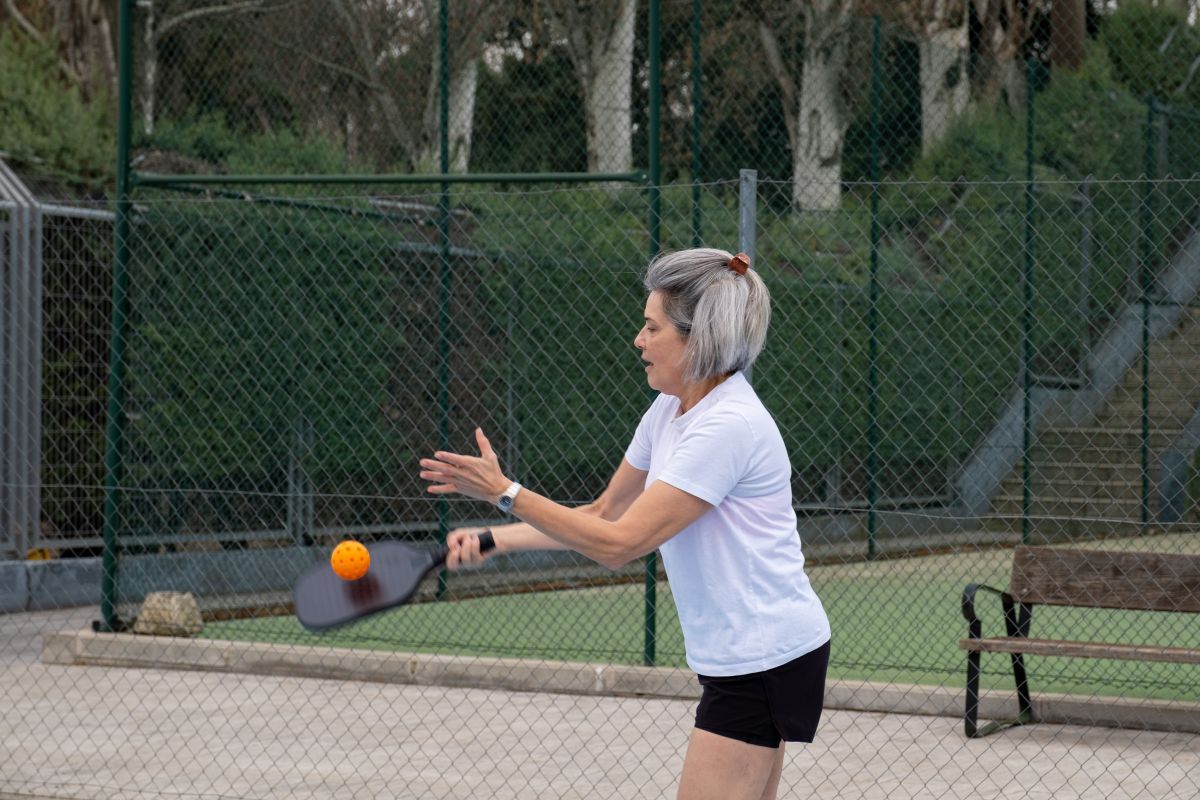
Many beginners make avoidable errors that can slow progress or increase the risk of injury. Recognizing these mistakes early helps create a smoother learning experience.
- Playing too aggressively too early, leading to fatigue and inconsistency
- Ignoring proper footwear, increasing the risk of slips and joint strain
- Skipping warm-ups, which can result in muscle tightness or injury
- Using the wrong paddle or grip size, reducing control and comfort
- Overplaying without adequate rest, limiting recovery and long-term progress
Avoiding these mistakes allows seniors to focus on steady improvement and sustained enjoyment of the game.
How to Improve Quickly as a Senior Player
Improvement in pickleball comes from focusing on the right fundamentals. Prioritizing placement over power is one of the most effective strategies. Controlled shots that are well-placed often outperform fast but inconsistent hits.
Developing a reliable serve and return creates a strong foundation. These shots set the tone for each rally and provide opportunities to gain early control. Consistency in these areas leads to more predictable and successful gameplay.
Practicing soft shots, such as dinks, is also essential. These controlled shots near the net help slow the game down and create strategic advantages. Mastery of these techniques allows players to dictate the pace of play.
Structured learning can accelerate progress significantly. Bounce makes it easier to find qualified coaches, beginner clinics, and organized play, helping seniors improve faster while staying engaged.
Should Seniors Take Pickleball Lessons?
Taking lessons can dramatically improve both confidence and performance. Professional instruction provides clear guidance on:
- Technique
- Positioning
- Strategy
helping players avoid common mistakes.
Lessons also create a structured learning environment. Instead of relying on trial and error, players receive targeted feedback that accelerates improvement. This is especially valuable for beginners who want to build a strong foundation.
Another advantage is injury prevention. Proper technique reduces unnecessary strain on the body, making the game safer and more sustainable. Coaches can also tailor instruction to individual needs and physical capabilities.
Group lessons offer a social and supportive setting, while private lessons provide personalized attention.
How Often Should Seniors Play Pickleball?
Consistency is key to gaining the full benefits of pickleball. Most seniors benefit from playing two to four times per week, depending on their fitness level and recovery capacity. This frequency allows for steady improvement without excessive strain.
Balancing activity with rest is essential. Recovery periods give the body time to adapt and prevent overuse injuries. Listening to physical signals such as fatigue or soreness helps maintain a sustainable routine.
Shorter, regular sessions are often more effective than occasional long sessions. This approach supports both skill development and physical conditioning, leading to better long-term results.
Conclusion
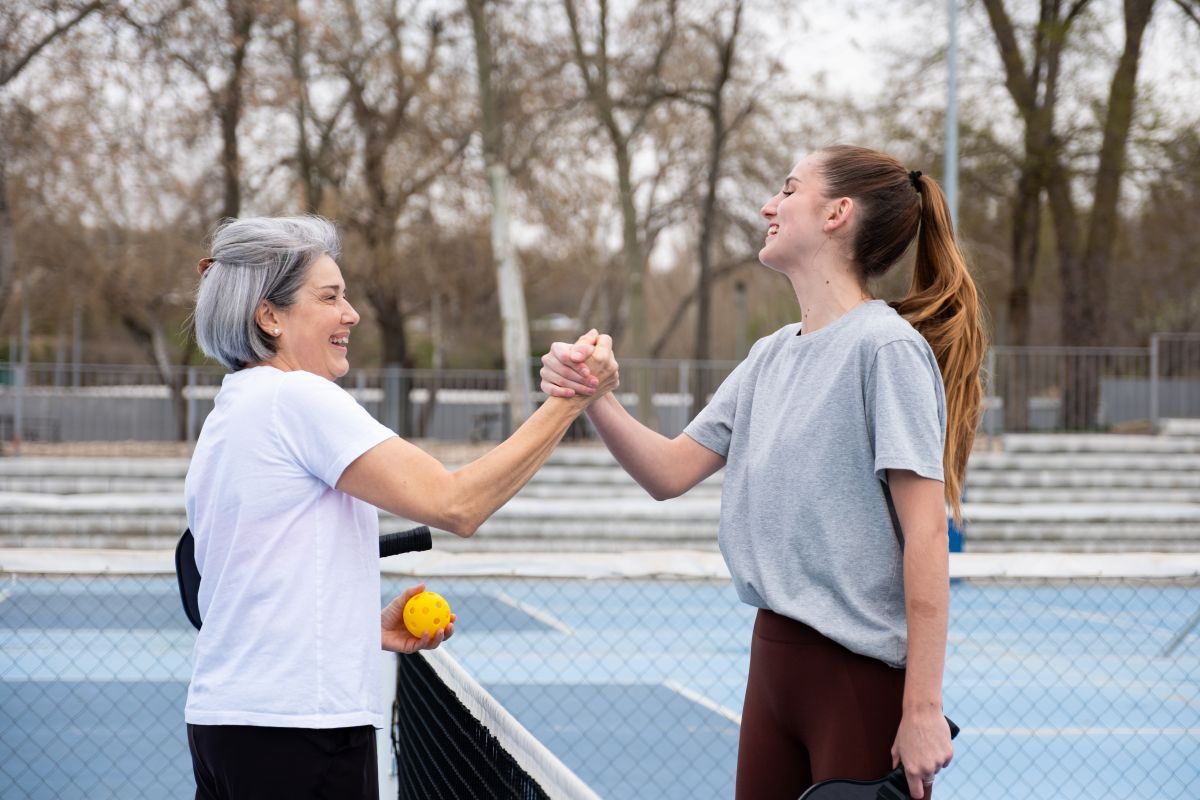
Pickleball offers a powerful combination of physical activity, mental stimulation, and social connection, making it one of the most rewarding sports for seniors.
With the right approach, it becomes more than just a game - it becomes a consistent and enjoyable part of a healthy lifestyle. Progress comes from staying consistent, focusing on fundamentals, and embracing the social side of the sport.
If you are ready to start or improve your game, explore your local options and get started with Bounce today to make pickleball a regular and rewarding part of your routine.
References
- Buzzelli, A. A., & Draper, J. A. (2019). Examining the motivation and perceived benefits of pickleball participation in older adults. Journal of Aging and Physical Activity, 28(2), 180-186. Link.
- Sheikhbahaie, S., Sahebozamani, M., Bahiraei, S., Hosseinzadeh, M., & Alimoradi, M. (2025). The Effect of 8 Weeks of Pickleball Program on Balance, Spatiotemporal Gait Parameters, and Psychosocial Factors in Older Adult Women: A Single-Blinded Randomized Controlled Trial. Journal of Aging and Physical Activity, 1(aop), 1-11. Link.
- Stroesser, K., Mulcaster, A., & Andrews, D. M. (2024). Pickleball participation and the health and well-being of adults - a scoping review. Journal of Physical Activity and Health, 21(9), 847-860. Link.