Pickleball equipment starts with four core items: a paddle (typically 7.3-8.5 oz), a ball matched to your playing surface, court-appropriate shoes, and net access.
The essentials are a paddle, balls (indoor or outdoor depending on your surface), court shoes, and net access. A midweight composite or graphite paddle suits most beginners. Budget around $80-$150 to start; serious players often invest $150-$250 in a paddle alone.
Pickleball equipment plays a direct role in how consistently, comfortably, and confidently players perform on the court. While the game is accessible with minimal gear, equipment choices influence shot quality, injury risk, and long-term progression.
A paddle that matches swing mechanics, shoes that support lateral movement, and balls suited to the playing environment all contribute to better outcomes during play.
Essential Pickleball Equipment Overview
Every pickleball player needs four items to step on court: a paddle, balls, net access, and court shoes. Everything else supports play but is not required to get started.
While the list is short, each item varies widely in quality, durability, and performance, which can influence comfort and consistency on the court.
- Pickleball paddle: The primary piece of equipment, with differences in material, weight, grip size, and shape affecting control, power, and feel.
- Pickleball balls: Indoor and outdoor balls are designed differently, and using the correct type ensures predictable bounce and better rally flow.
- Regulation net and court access: A standard net and properly lined court are essential for consistent play, whether in recreational or competitive settings.
- Court-specific shoes: Shoes built for lateral movement provide stability, traction, and injury prevention, making them strongly recommended for all players.
As players progress and play more frequently, additional pickleball gear becomes increasingly useful.
- Bags and storage: Paddle bags or backpacks protect equipment and make transport easier.
- Grips and accessories: Fresh overgrips, protective sleeves, braces, hats, and sunglasses are the practical layer most players add as session length and intensity increase.
Equipment needs naturally expand with skill level, frequency of play, and competitive involvement. Making thoughtful equipment choices early helps players stay comfortable, avoid common issues, and build a setup that can grow alongside their game.
Pickleball Paddles: The Most Important Piece of Equipment
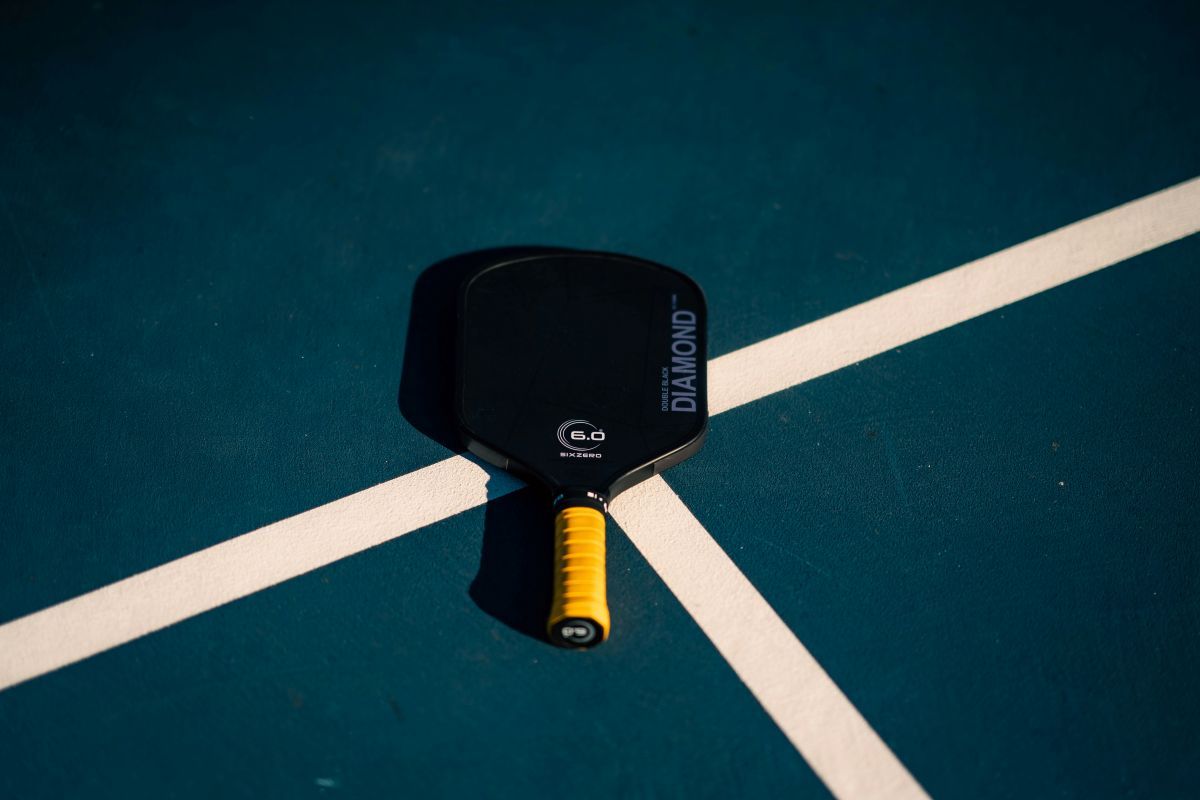
The paddle is the only piece of equipment that directly affects how you hit every shot. Material, weight, and balance shape control, power, feel and the right combination depends on playing style more than price.
Paddle Materials
Pickleball paddles are typically grouped by face material, and the choice affects weight, feel, durability, and overall performance at different stages of the game.
Wood Paddles
Wooden paddles are the most affordable and highly durable option. They are commonly used in schools, community centers, and introductory programs.
Due to their heavier weight and smaller sweet spot, wooden paddles offer limited touch and control, which can become restrictive as players develop more refined skills.
Composite Paddles
Composite paddles use fiberglass or similar materials layered over a core. This construction provides a balanced combination of power, control, and forgiveness.
Composite paddles are versatile and suit a wide range of skill levels and playing styles, making them a popular choice for recreational and intermediate players.
Graphite Paddles
Graphite paddles feature a thin graphite face that delivers excellent responsiveness and a lighter overall feel. They allow for faster hand speed, improved precision, and greater consistency during fast exchanges.
These paddles are commonly preferred by intermediate and advanced players who value touch, control, and quick reactions at the net.
Carbon fiber paddles
Carbon fiber paddles represent the premium end of the market. A textured carbon fiber face delivers exceptional spin potential, precise touch, and strong durability at a lighter overall weight than graphite alternatives. Increasingly common at the competitive level, they suit advanced players who prioritize spin generation and control during high-tempo exchanges.
Paddle Weight and Balance
Paddle weight is the most measurable factor in how a paddle feels, but balance point matters just as much. Small differences in either can shift swing speed, arm fatigue, and shot consistency.
Pickleball paddles typically range from under 7.3 ounces (lightweight) to over 8.5 ounces (heavyweight), with midweight paddles sitting between these two categories.
- Lightweight paddles: Lighter paddles promote faster reactions, quicker hand speed, and reduced arm fatigue. They are well suited for players who rely on touch, quick volleys, and extended net exchanges.
- Midweight paddles: Midweight paddles are the most popular choice, offering a balanced blend of stability, control, and power. They accommodate a wide range of playing styles and provide enough mass for solid shots without sacrificing maneuverability.
- Heavyweight paddles: Heavier paddles generate more power with less swing effort, which can benefit players who prefer baseline drives or have shorter swings. However, they may increase fatigue during longer sessions.
- Balance point: Head-heavy paddles enhance power and depth; handle-heavy paddles improve control and quicker hand movement at the net. Balance interacts with raw weight to define how a paddle actually feels during play.
The process of choosing a pickleball paddle that fits your game comes down to physical comfort, playing style, and injury prevention can have small differences in weight or balance can shift consistency and confidence significantly.
Pickleball Balls: Indoor vs Outdoor Differences
Indoor and outdoor pickleball balls are built for different surfaces. Using the wrong type produces unpredictable bounce, faster wear, and play conditions that do not reflect real match standards.
Pickleball balls are engineered differently for indoor and outdoor play, and using the correct type is essential for consistent bounce, predictable flight, and realistic practice conditions. While they may look similar, construction differences significantly affect how the ball performs.
Key Performance Differences
- Outdoor pickleball balls: Designed with smaller holes and harder plastic to resist wind and handle abrasive court surfaces such as asphalt or concrete. These balls play faster and are more durable in outdoor conditions.
- Indoor pickleball balls: Built with larger holes and a softer plastic blend, allowing for better control and a slower pace on gym floors or smooth indoor courts. They tend to bounce higher and travel more consistently indoors.
Temperature and Environment Effects
- Cold weather: Balls become more brittle, increasing the likelihood of cracking and reducing bounce consistency.
- Hot conditions: Balls soften, which can slow play and shorten overall durability.
- Surface type: Rough outdoor courts accelerate wear, while indoor surfaces extend ball life.
The table below highlights the key differences between indoor and outdoor pickleball balls to help players choose the correct option for their playing environment.
| Feature | Indoor Pickleball Balls | Outdoor Pickleball Balls |
| Hole size | Larger holes | Smaller holes |
| Plastic hardness | Softer | Harder |
| Typical court surface | Gym floors, indoor courts | Asphalt, concrete |
| Speed of play | Slower | Faster |
| Wind resistance | Low | High |
| Durability | Moderate | High |
Pickleball Nets and Court Equipment
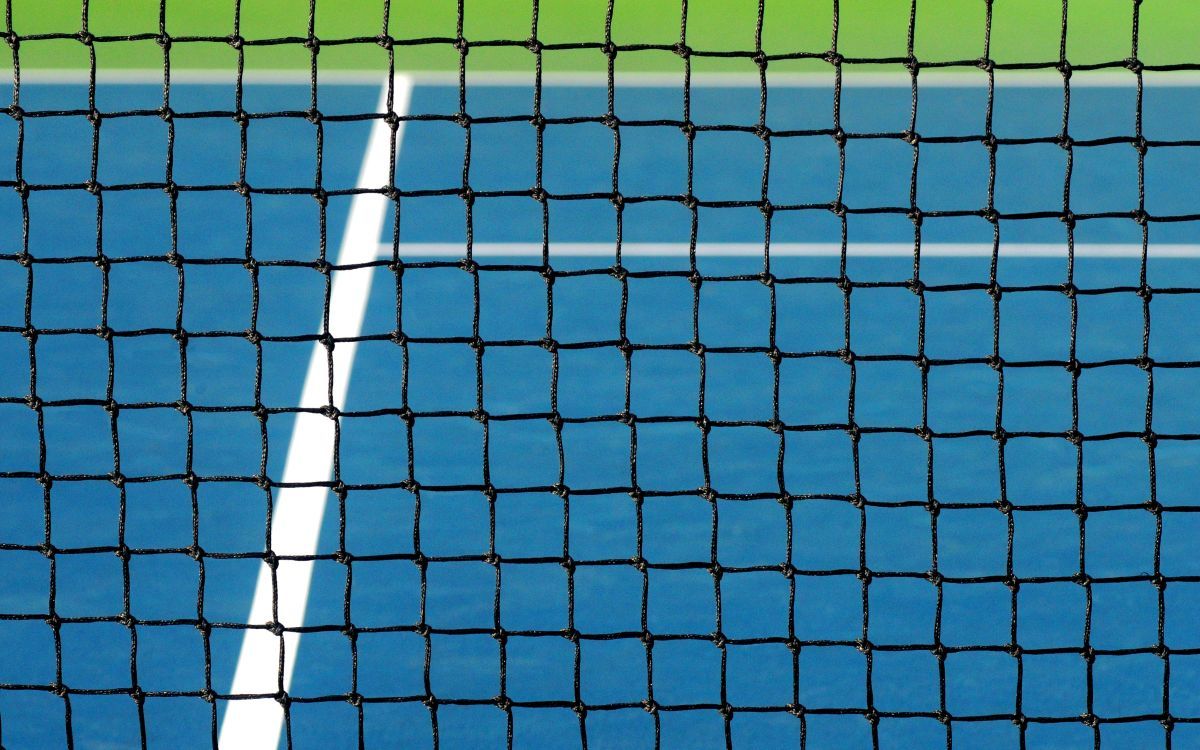
A regulation net and properly lined court are the baseline requirements for consistent play. Portable options replicate official specifications closely enough for competitive practice.
Portable Pickleball Nets
Regulation pickleball nets measure 22 feet wide, with a height of 36 inches at the sidelines and 34 inches at the center are the specifications that align with the standard pickleball court dimensions set by USA Pickleball.
Portable nets replicate these dimensions and are commonly used in parks, gyms, and driveways. Recreational nets prioritize ease of setup and transport, while tournament-grade nets emphasize stability and tension.
Choosing a net depends on frequency of use and whether the setup is temporary or semi-permanent.
Court Accessories
Court accessories help transform shared or temporary spaces into functional pickleball courts while keeping games organized and flowing smoothly. Although not required to play, these items become especially valuable in group sessions, leagues, and organized open play.
- Court lines and tape: Temporary lines and court tape allow players to mark pickleball boundaries on tennis courts, gym floors, or multi-use surfaces. They provide clear visual references that improve line calls and reduce disputes.
- Ball holders and baskets: Ball holders, tubes, or baskets keep balls easily accessible between points and drills, minimizing interruptions and maintaining game rhythm during practice or group play.
- Score markers and scoreboards: Portable score markers help players track points accurately, which is particularly useful in doubles play and league settings where consistent scorekeeping is essential.
- Net weights and straps: Net weights, center straps, and tensioning accessories help maintain proper net height and stability, especially when using portable nets outdoors.
Together, these court accessories improve organization, reduce downtime, and create a more professional and consistent playing environment, allowing players to focus on performance rather than logistics.
Pickleball Shoes: Footwear Built for the Game
Court shoes built for lateral sports reduce ankle injury risk and improve balance on pickleball courts. Running shoes are not designed for the quick direction changes the sport demands.
Pickleball shoes are a critical part of any complete equipment setup. Because the sport involves quick lateral movements, sudden stops, and frequent direction changes, proper court footwear provides both performance benefits and injury protection.
- Lateral stability: Court shoes are designed with reinforced sidewalls and a wider base to support side-to-side movement, reducing the risk of ankle rolls and loss of balance.
- Durable outsoles: Unlike running shoes, pickleball shoes use flat, non-elevated soles that maintain consistent contact with the court, improving traction and control during rapid transitions.
- Indoor vs outdoor designs: Indoor pickleball shoes feature non-marking soles suited for gym floors and polished surfaces. Outdoor shoes use tougher rubber compounds that withstand abrasion from asphalt and concrete courts.
- Cushioning and comfort: Proper cushioning absorbs impact from repeated stops and starts, helping reduce foot, knee, and joint fatigue during longer sessions.
For players coming from tennis, the differences between pickleball shoes and tennis shoes go beyond branding—outsole construction, lateral reinforcement, and cushioning profiles each affect performance and injury risk on court.
Pickleball Apparel and Protective Gear
Breathable, stretch fabrics handle the range of motion pickleball demands. Protective gear such as compression sleeves and braces matters more as play frequency and intensity increase.
Pickleball apparel and protective gear are designed to support comfort, mobility, and durability during play. While often overlooked, the right clothing and accessories help players perform consistently and manage the physical demands of the game.
- Performance apparel: Pickleball clothing prioritizes breathability, stretch, and moisture management. Lightweight shirts, shorts, skirts, and dresses allow full range of motion and help regulate body temperature during long rallies and warm conditions.
- Freedom of movement: Flexible fabrics reduce restriction during lunges, quick lateral steps, and overhead shots, supporting smoother and more efficient movement on court.
- Sun and weather protection: For outdoor play, hats, visors, sunglasses, and sunscreen protect against sun exposure and improve visibility, especially during extended sessions.
- Support and injury prevention gear: Compression sleeves, braces, and athletic tape provide joint stability and muscle support, helping players manage fatigue and reduce strain during frequent or high-intensity play.
Together, proper apparel and protective pickleball gear enhance comfort, promote endurance, and support safer movement, allowing players to focus on performance rather than physical discomfort.
Pickleball Equipment by Skill Level
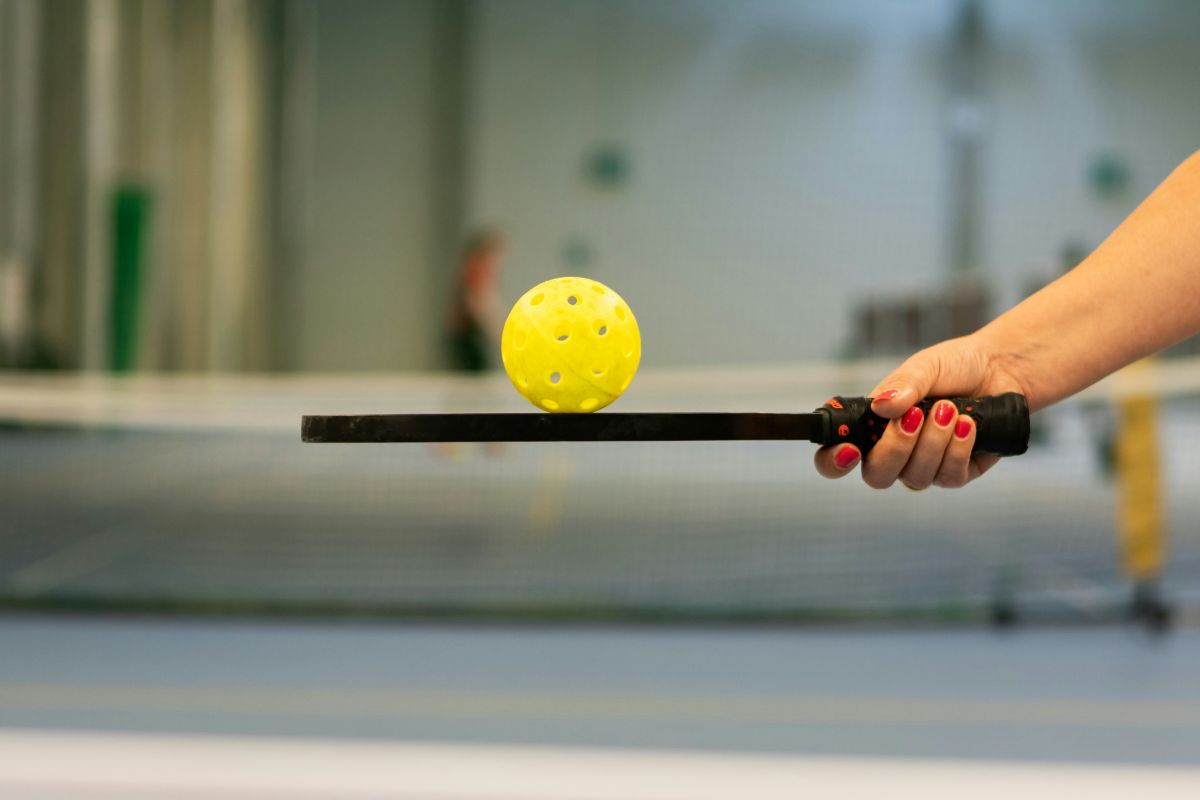
Beginner equipment prioritizes forgiveness and comfort. Intermediate upgrades target consistency and touch. Advanced setups are highly personalized to playing style and competitive environment.
Pickleball equipment needs evolve as players gain experience, increase playing frequency, and enter more competitive environments. Matching equipment to skill level helps players improve efficiently without overinvesting too early.
Beginner Pickleball Equipment Setup
Beginners benefit most from forgiving, easy-to-use equipment that supports consistency and comfort.
- Paddle: Midweight paddles with large sweet spots and polymer cores help absorb mishits and provide reliable control.
- Balls: Durable outdoor balls are suitable for most recreational settings and withstand regular use.
- Shoes: Comfortable court shoes with basic lateral support reduce injury risk and improve movement confidence.
- Net access: Most beginners start at public courts or recreation centers where nets are already in place. A portable net becomes useful if you are converting a driveway or flat surface for home play.
At this stage, fundamentals and repetition matter more than advanced paddle technology, making budget-friendly equipment a practical choice.
Intermediate Player Equipment Upgrades
As skills improve and play becomes more structured, equipment upgrades can refine performance.
- Paddle upgrades: Players often move to composite or graphite paddles to improve touch, consistency, or power.
- Footwear: Shoes with enhanced cushioning, stability, and durability support longer sessions and faster play.
- Additional gear: Paddle bags, overgrips, and basic training aids become useful as players join leagues or play more frequently.
- Balls: Switching from general recreational balls to surface-specific indoor or outdoor options improves bounce consistency as play becomes more structured.
Advanced and Competitive Pickleball Equipment
Advanced players prioritize precision, reliability, and consistency across all equipment.
- Paddle selection: Highly personalized choices based on weight, balance, face material, and core feel.
- Balls: Regulation-approved balls matched to league or tournament standards.
- Footwear: High-durability court shoes designed for frequent, high-intensity use.
- Accessories: Grip customization and performance-focused gear to maintain consistency over extended competition.
The table below summarizes how pickleball equipment priorities typically change as players progress from beginner to advanced levels.
| Skill Level | Paddle Characteristics | Ball Type | Shoe Priority | Additional Gear |
| Beginner | Midweight, large sweet spot, polymer core | Durable outdoor balls | Basic court support | Minimal |
| Intermediate | Composite or graphite, balanced feel | Match play environment | Cushioning and stability | Bags, overgrips |
| Advanced | Personalized weight, balance, face material | Regulation-approved | Durability and performance | Grip customization |
How to build your complete pickleball setup
Start with the essentials: a paddle, balls, and court shoes. Add gear as your game and schedule demand it. Buying too much too early rarely improves results.
A complete pickleball equipment setup balances quality, comfort, and suitability for the playing environment. Equipment should support consistent mechanics, safe movement, and long-term enjoyment of the sport. Thoughtful upgrades over time allow players to match gear to evolving skill levels without unnecessary expense.
Players can test how equipment choices hold up in real match conditions by booking courts, joining open play, or signing up for coaching through Bounce.
Frequently asked questions
What equipment is needed for pickleball?
The four essentials are a paddle, balls suited to indoor or outdoor play, court shoes, and access to a net. Bags, overgrips, and other accessories are optional, though they become more useful as you play regularly.
What are the two types of pickleball paddles?
The two main categories are hard-face paddles (graphite or carbon fiber) and soft-face paddles (composite or fiberglass). Hard-face delivers more feel and spin potential; soft-face is more forgiving and generates more power. Most beginners start with a soft-face composite paddle.
What's the difference between a cheap and expensive pickleball paddle?
Entry-level paddles use heavier materials and smaller sweet spots, which can reduce feel. Mid-range and premium models use lighter cores and more responsive face materials for better control and touch. You’ll notice the difference once your technique becomes consistent.
What kind of shoes are good for pickleball?
Court shoes built for lateral movement work best. Tennis and volleyball shoes both translate well to pickleball because they use flat outsoles, reinforced sidewalls, and cushioning made for repeated stops and starts. Running shoes have raised heels built for forward motion, which reduces lateral stability on the court.
What does every pickleball player need?
The minimum to play: a paddle, balls, and court access. The minimum to play consistently and safely: add court shoes. Most players find a ball tube, spare grip, and a paddle bag to cover everything needed for regular sessions.