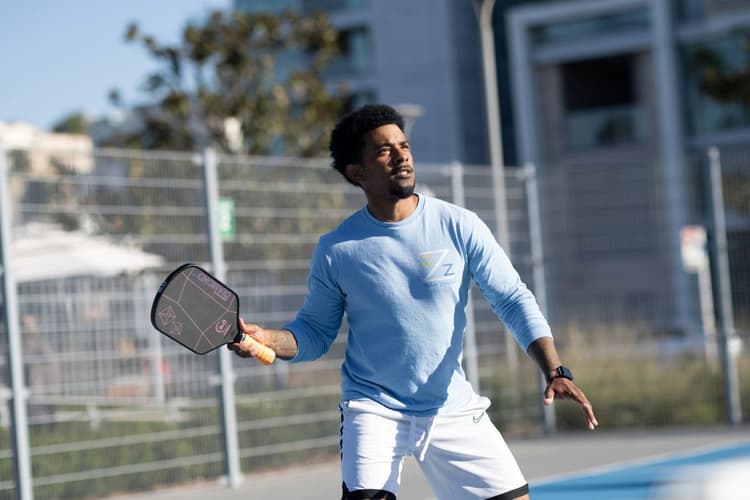
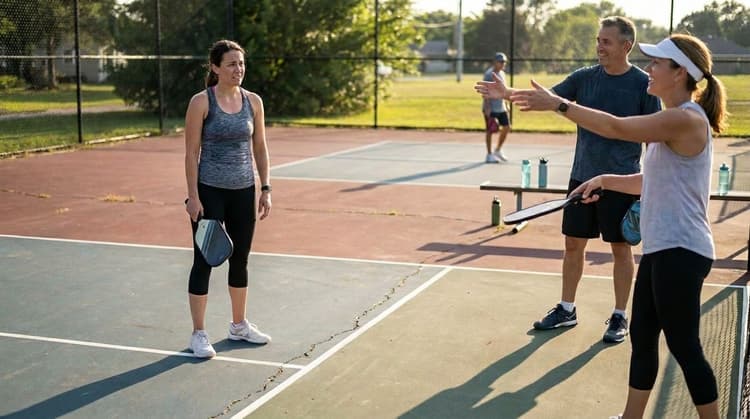
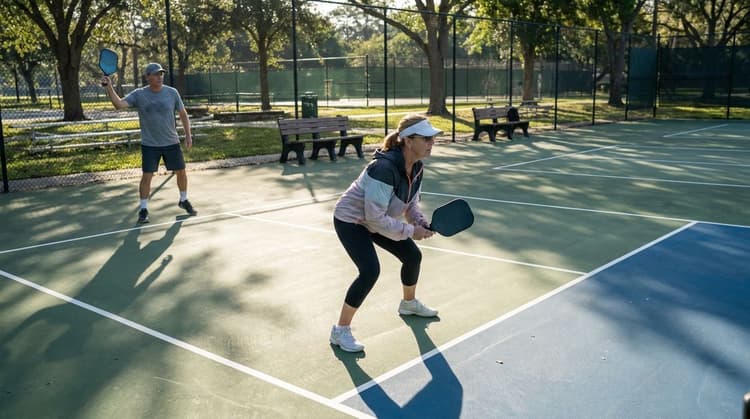
Comparing wiffle ball vs pickleball reveals two very different approaches to recreational sports. One focuses on instant accessibility and casual fun, while the other offers structured gameplay with opportunities for skill development and competition.
Wiffle ball remains a go-to option for quick, low-commitment play in almost any environment. Pickleball has grown into a global sport with organized courts, coaching, and leagues, attracting players who want more than just occasional games.
This article breaks down the key differences so players can understand what each sport offers.
Design Differences Between Pickleball and Wiffle Ball
The design differences between pickleball and wiffle ball play a critical role in how each sport functions.
While both balls are made of plastic and feature holes, their construction, weight, and performance characteristics are engineered for completely different playing environments and styles.
Wiffle Ball
A wiffle ball is designed for maximum air movement and unpredictability. It typically has a half-smooth, half-perforated structure, with holes concentrated on one side.
This unique design allows players to create:
- Sharp curves
- Drops
- Unpredictable pitches
making it ideal for backyard play where space is limited.
The lightweight nature of the ball also reduces travel distance, ensuring the game remains controlled even in small areas.
Pickleball
A pickleball is built for:
- Consistency
- Durability
- Controlled flight
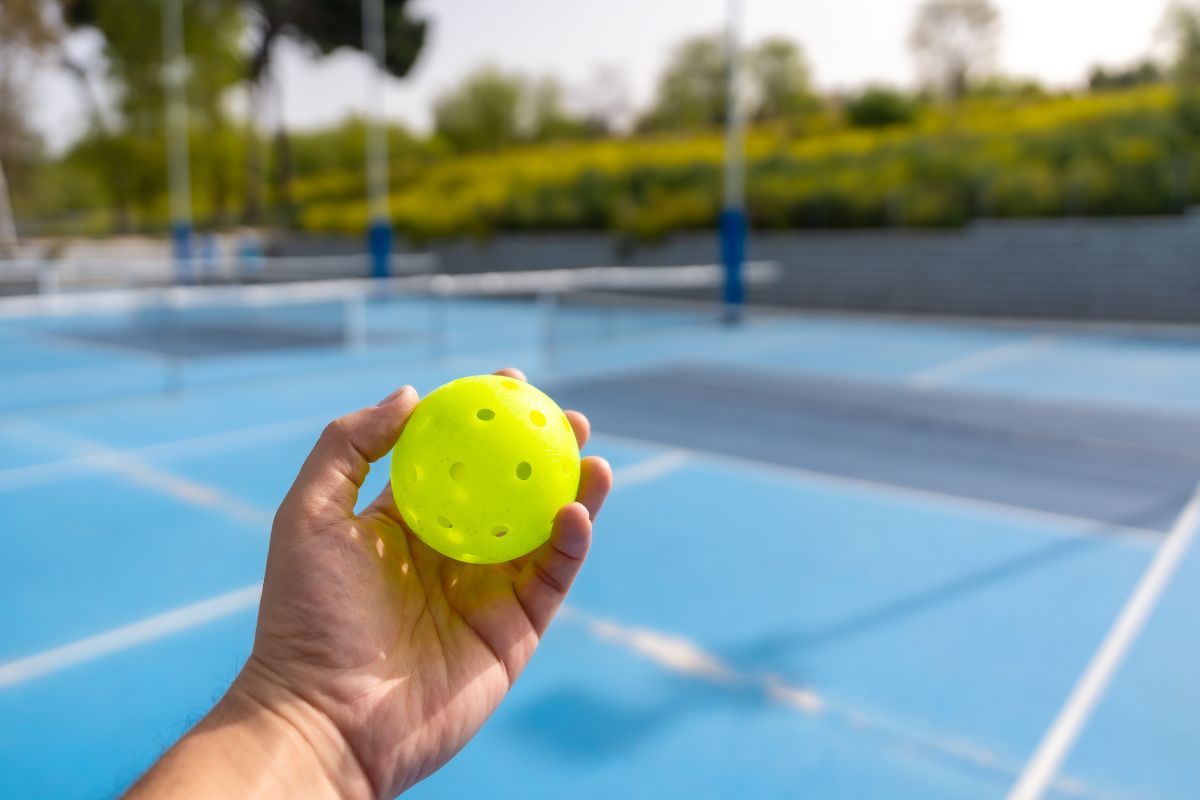
It features evenly distributed holes across the entire surface, which stabilizes the ball during rallies. This symmetrical design ensures predictable bounce and trajectory, which is essential for a sport played on a regulated court with a net.
The ball is slightly heavier and more rigid than a wiffle ball, allowing it to withstand repeated impact during structured play.
These design choices directly influence gameplay. Wiffle balls prioritize:
- Fun
- Creativity
- Variability
Pickleballs emphasize:
- Precision
- Reliability
- Competitive consistency
Players transitioning between the two often notice that pickleball requires more controlled shot placement, whereas wiffle ball allows for more exaggerated movement and improvisation.
What Is Wiffle Ball?
Wiffle ball is a recreational bat-and-ball sport designed to be played in small spaces with minimal risk. It originated as a simplified version of baseball, making it accessible to players of all ages and skill levels. The defining feature of wiffle ball is its lightweight plastic ball with holes, which allows for unique movement and reduces the need for large playing fields.
The game is typically played in backyards, parks, streets, or any open area, with flexible rules that can be adjusted depending on the group. Unlike formal sports, wiffle ball does not require a standardized field or strict adherence to regulations, which is part of its appeal.
Players can:
- Set up makeshift bases
- Define boundaries
- Adapt scoring systems
Equipment is intentionally simple. A plastic bat and wiffle ball are the only essentials, making it one of the most affordable and accessible sports available. This simplicity lowers the barrier to entry, allowing players to start playing almost immediately without preparation or investment.
What Is Pickleball?
Pickleball is a paddle sport played on a court, combining elements of:
- Tennis
- Badminton
- Table tennis
into a fast-growing and highly structured game
It is played using:
- A solid paddle
- A perforated plastic ball, similar in appearance to a wiffle ball but designed specifically for controlled play on a court surface
The sport follows a clear set of rules, including:
- The underhand serve
- The double bounce rule
- The non-volley zone (kitchen)
These rules create a balance between offense and defense, encouraging strategic play rather than pure power. Matches are typically played in singles or doubles format, with standardized scoring systems used across recreational and competitive settings.
Pickleball is played on a dedicated court with a net, which immediately differentiates it from the flexible nature of wiffle ball. The structured environment allows for consistent gameplay, skill development, and organized competition. Players can track progress, refine techniques, and participate in leagues or tournaments.
The sport has experienced rapid growth due to its accessibility and scalability. Beginners can learn quickly, while more advanced players can continue improving through coaching and competitive play.
Bounce plays an important role in this ecosystem by helping players find courts, book lessons, and connect with local communities, making it easier to engage with the sport consistently.
Wiffle Ball vs Pickleball: Key Differences
The comparison of wiffle ball vs pickleball becomes clearer when examining the core elements that define how each sport is played.
| Category | Wiffle Ball | Pickleball |
| Playing Environment | Informal and flexible environments such as backyards, parks, or streets. Setup can vary each game, reducing consistency. | Regulated court with fixed dimensions, ensuring consistent gameplay and predictable conditions. |
| Primary Equipment | Plastic bat and lightweight perforated ball designed for safety and simplicity. | Solid paddle and durable plastic ball designed for control and performance. |
| Control & Precision | Lower precision due to lightweight equipment and informal play style. | Higher precision with equipment built for accuracy and consistent shot control. |
| Durability of Equipment | Moderate durability, often suited for casual use. | High durability, designed for frequent and competitive play. |
| Rules and Structure | Loosely defined and customizable rules that vary by group and environment. | Standardized rules used across all courts, enabling organized and competitive play. |
| Physical Intensity | Lower intensity, focused on casual hitting and light movement. | Moderate intensity with movement, positioning, and sustained rallies. |
| Skill Development | Limited structured progression; improvement is informal and inconsistent. | Progressive skill development with measurable improvement through practice and coaching. |
Wiffle ball prioritizes simplicity, flexibility, and casual play, while pickleball is built around structure, consistency, and long-term progression, making each sport suited for different types of players and goals.
Similarities Between Wiffle Ball and Pickleball
Despite their differences, wiffle ball and pickleball share several important characteristics that contribute to their popularity. Both sports use lightweight plastic balls, making them safer and more accessible compared to traditional sports like baseball or tennis.
Another key similarity is their ease of entry. Players can learn the basics quickly and begin playing without extensive training. This accessibility makes both sports appealing to a wide range of age groups, from children to older adults.
Both sports also emphasize social interaction. Whether it is a casual game of wiffle ball in a backyard or a friendly pickleball match at a local court, the focus is often on enjoyment and connection rather than strict competition. This social aspect is a major factor in their widespread appeal.
However, the way these similarities evolve over time differs significantly. Pickleball builds on this accessibility to create structured communities and ongoing engagement..
Which Is Easier to Learn: Wiffle Ball or Pickleball?
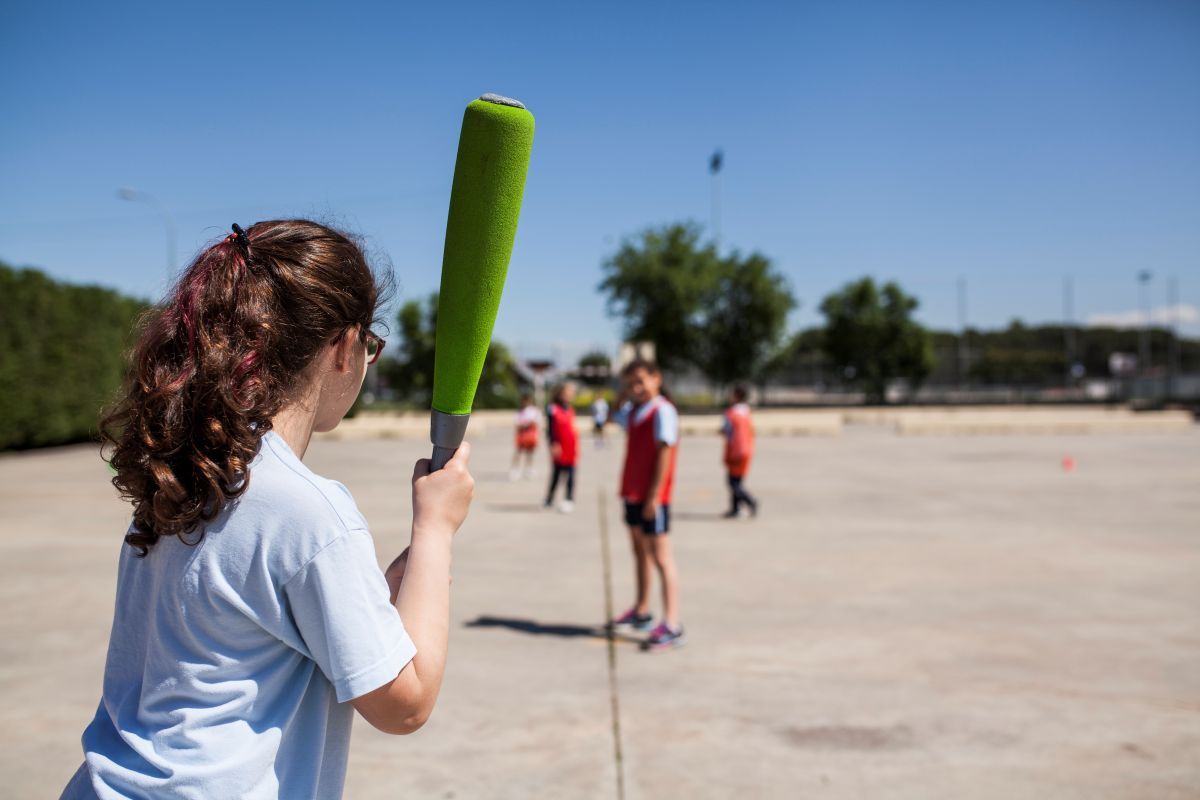
Learning curve is one of the most important considerations when comparing wiffle ball vs pickleball.
Wiffle ball is typically easier to start because it requires minimal instruction and no formal setup. Players can begin playing almost immediately, relying on basic coordination and simple rules.
Pickleball introduces more structure, which can initially feel more complex. Players must understand:
- Serving rules
- Court positioning
- The non-volley zone
all of which influence gameplay. Despite this, the sport remains highly beginner-friendly due to its slower pace compared to tennis and its emphasis on control rather than power.
The difference becomes more noticeable over time. Wiffle ball remains relatively flat in terms of learning progression, while pickleball offers a clear path for improvement. Players can refine techniques, develop strategies, and compete at higher levels as their skills advance.
Cost and Accessibility
Cost and accessibility play a major role in determining which sport is more practical for different players. The differences between wiffle ball vs pickleball become especially clear when comparing upfront costs, long-term value, and ease of access.
| Category | Wiffle Ball | Pickleball |
| Initial Cost | Very low – requires only a plastic bat and ball. | Moderate – requires a paddle and ball, with optional court fees. |
| Facility Requirements | None – can be played in any open space such as backyards or parks. | Requires access to a dedicated court with a net. |
| Ongoing Costs | Minimal to none after initial purchase. | Low ongoing costs, including potential court fees, lessons, or league participation. |
| Equipment Availability | Widely available and inexpensive. | Widely available with a range of price options for beginners to advanced players. |
| Accessibility | Extremely high – can be played almost anywhere at any time. | Dependent on court availability and local pickleball infrastructure. |
| Long-Term Value | Limited – primarily suited for casual, occasional play. | High – structured ecosystem with leagues, coaching, and consistent play opportunities. |
| Community & Play Opportunities | Informal and self-organized. | Strong community presence with organized games, clinics, and events. |
Wiffle ball stands out for low cost and maximum flexibility, while pickleball offers greater long-term value through its structured, community-driven ecosystem.
Can Wiffle Ball Skills Transfer to Pickleball?
There is some overlap in the skills required for both sports, particularly in hand-eye coordination and timing. Players who have experience with wiffle ball often find it easier to make initial contact with the ball in pickleball, especially during basic rallies.
The lightweight nature of the ball in both sports also helps players develop a sense of touch and control, which can be beneficial when transitioning to pickleball. These foundational skills can provide a small advantage during the early stages of learning.
However, the similarities have clear limits. Pickleball requires:
- Movement
- Positioning
- Strategic shot selection
which are not emphasized in wiffle ball. The presence of a net, defined court boundaries, and structured rules introduces a level of complexity that goes beyond casual play.
As a result, while wiffle ball can serve as an introduction to basic coordination, it does not fully prepare players for the demands of pickleball. Developing proficiency in pickleball requires consistent practice within its structured environment, ideally supported by access to coaching and regular gameplay.
Conclusion
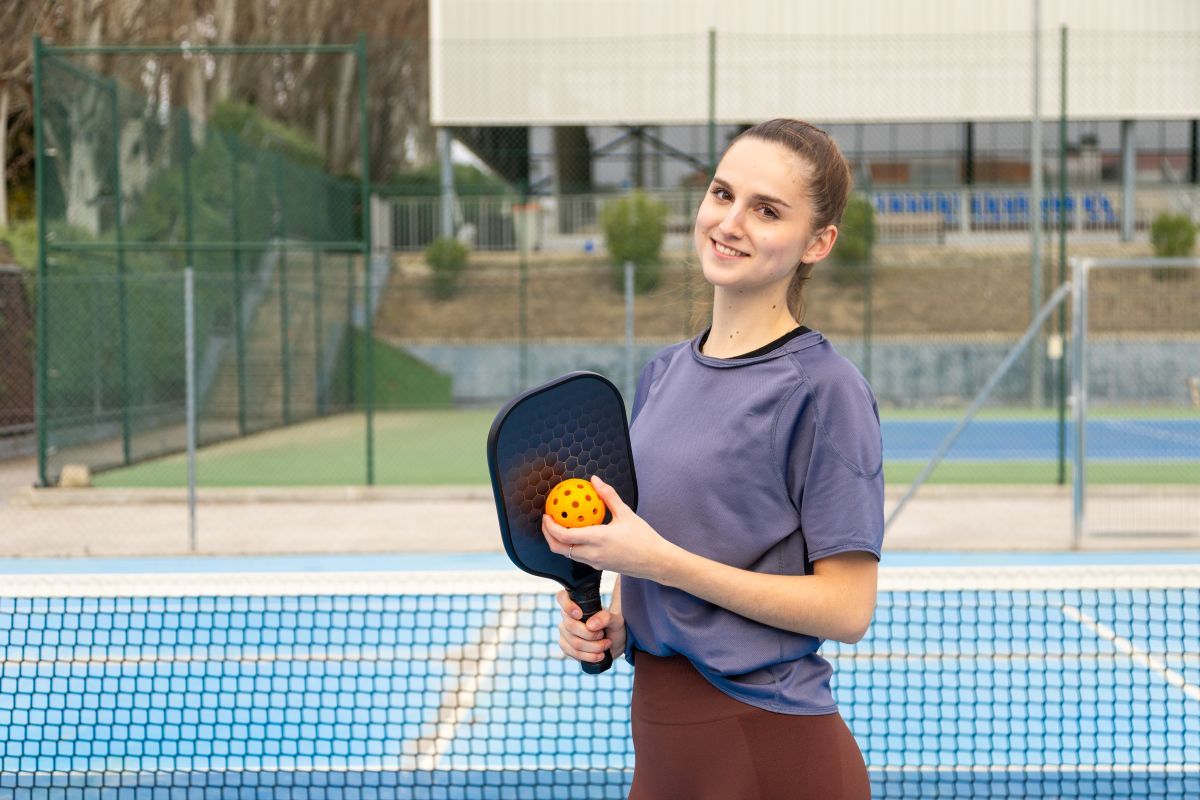
Wiffle ball and pickleball serve different purposes, and understanding that distinction makes the decision straightforward.
Wiffle ball offers quick, casual fun with almost no barriers, while pickleball provides a structured environment where players can develop skills, compete, and stay engaged over time. The difference is not just in how the games are played, but in how they evolve for the player.
For those ready to move beyond occasional play and experience a sport with real progression and community, pickleball is the clear next step. Bounce makes that transition seamless by helping players discover courts, book lessons, and connect with local games and leagues.