Pickleball shots shape every rally, from the opening serve to the final volley. Learning how to send the ball over the net is only the starting point; improvement comes from understanding why different shots exist and how they fit together.
As rallies lengthen and opponents improve, players without this foundation often struggle with inconsistency, poor transitions, and rushed decision-making. Points are lost not from lack of effort, but from choosing the wrong shot at the wrong time.
This guide breaks down the full spectrum of pickleball shots - from foundational groundstrokes, serves, and returns to dinks, third-shot options, transition resets, offensive attacks, defensive tools, and advanced specialty shots.
By learning the purpose behind each shot and how it fits into common rally patterns, players can build points with intention, reduce unforced errors, and gain control of the court at every stage of play.
Fundamental Pickleball Shots Every Player Must Master
All effective pickleball shots are built on the same foundation: controlled groundstrokes executed with balance, spacing, and consistency. Forehands and backhands from the baseline initiate most rallies and determine how well a player handles pressure as the point develops.
Strong fundamental groundstrokes share several key characteristics:
- Depth over pace: Shots that land near the baseline limit attacking angles and reduce an opponent’s ability to volley aggressively.
- Compact swing mechanics: Short, efficient swings improve timing and reduce unforced errors, especially during extended rallies.
- Stable footwork and balance: Proper spacing to the ball allows for cleaner contact and consistent shot direction.
- Relaxed grip pressure: A loose grip promotes control and touch while preventing overhitting.
Advanced players rarely attempt full-power shots from the baseline. Instead, they rely on high-percentage groundstrokes that maintain rally neutrality and create opportunities to move forward. By prioritizing consistency and placement, they force opponents to take risks rather than gifting points through errors.
Developing reliability with these fundamental shots builds rally tolerance. Players who can sustain longer exchanges without missing naturally gain control of points, apply pressure through patience, and create openings without forcing aggressive shots too early.
Serving Shots: Starting the Point with Purpose
The serve in pickleball is not designed to end points outright, but it plays a critical role in shaping how each rally begins. A dependable serve that applies pressure while minimizing risk gives the serving team time to establish positioning and control the early phase of the point.
Effective serving relies on understanding both technique and intent:
- Flat serves travel on a lower trajectory and reach the receiver quickly, making them effective when placed deep and accurately.
- Arcing serves provide higher net clearance and greater consistency, which is especially valuable in recreational and intermediate play.
- Topspin serves allow players to swing with pace while keeping the ball inside the baseline as it dips late.
- Slice serves create lateral movement, pulling receivers off the court or forcing uncomfortable contact.
Placement consistently outweighs raw speed. Serves directed deep to the backhand side or into the center seam disrupt footwork and limit return options.
In doubles play, deep serves prevent receivers from stepping inside the baseline early, reducing their ability to attack the third shot and giving the serving team a better chance to transition forward.
A well-placed, repeatable serve sets the foundation for disciplined point construction and reduces the need to recover from defensive positions immediately.
Return of Serve Shots: Neutralizing the Advantage
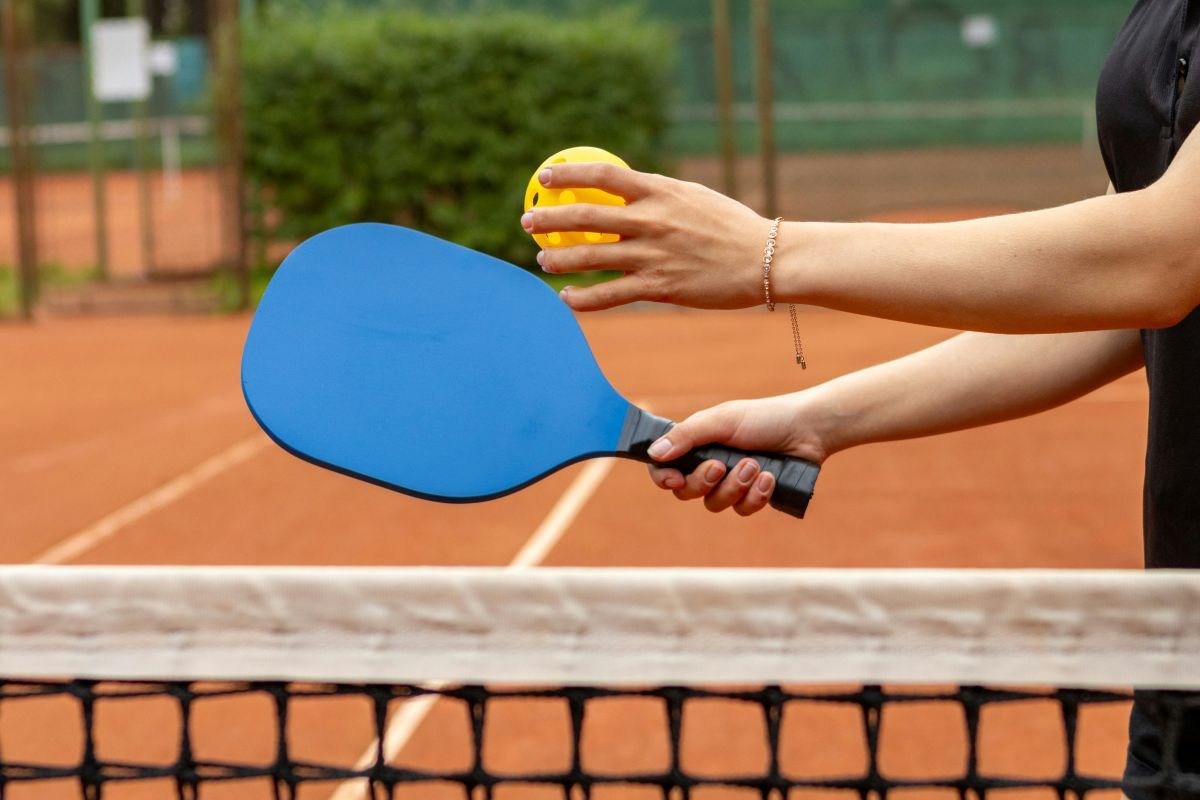
The return of serve plays a decisive role in determining early point control. Because the serving team must let the return bounce, a well-executed return allows the receiving team to dictate positioning and tempo from the outset.
Effective returns emphasize control and placement rather than outright aggression. Strong return of serve shots share several key principles:
- Depth as the top priority: Returns that land near the baseline push the serving team back and force upward contact on the third shot.
- Height for margin and time: Higher net clearance reduces errors and gives the returning team time to move forward to the non-volley zone line.
- Controlled pace over speed: Moderate pace improves consistency and positioning, while low, fast returns increase risk and limit recovery time.
As competition increases, players begin varying return placement based on opponent tendencies. Targeting weaker sides, creating movement, or directing the ball through the center can all disrupt third-shot execution.
Regardless of placement choice, the core objective remains unchanged: neutralize the serve, reach the net in balance, and prevent the serving team from attacking early in the rally.
A disciplined return sets the foundation for winning positioning and longer-term point control.
Transition Zone Shots: Advancing Without Losing Control
The transition zone, often called “no-man’s land,” is one of the most challenging areas of the pickleball court.
Positioned between the baseline and the non-volley zone, players frequently encounter balls below net height, making aggressive shots high risk and difficult to execute consistently.
Effective transition play depends on disciplined shot choices and sound fundamentals:
- Reset shots: Soft, controlled shots that remove pace and land in the non-volley zone, forcing opponents to hit upward and neutralizing pressure.
- Blocks: Compact, absorbing motions that redirect incoming speed without adding pace, keeping the ball unattackable.
- Half-volleys: Low-contact shots taken just after the bounce, requiring soft hands and balance to maintain control while moving forward.
The objective in the transition zone is stability, not point-ending offense. Successful players avoid attacking from compromised positions and instead prioritize patience, balance, and controlled placement.
By earning their way to the net through consistent resets and smart blocks, they reduce errors and create opportunities to regain positional advantage.
Dink Shots: The Most Important Shot in Pickleball
Dink shots sit at the center of modern pickleball strategy. As skill levels increase, points are decided less by power and more by control, patience, and positioning at the non-volley zone.
Extended dink rallies are common in higher-level play because they limit risk while creating opportunities through consistency.
A well-executed dink shares several defining characteristics:
- Soft, controlled contact that keeps the ball unattackable
- High margin over the net to reduce errors under pressure
- Precise placement inside the non-volley zone, forcing opponents to hit upward
Cross-court dinks are generally preferred because they travel over the lowest part of the net and allow greater room for error. Straight-ahead dinks are used more selectively to change ball direction, exploit court positioning, or disrupt an opponent’s rhythm.
Dinks serve different strategic purposes depending on the situation:
- Defensive dinks absorb pace and reset the rally when under pressure
- Neutral dinks maintain stability and extend the exchange without risk
- Offensive dinks apply subtle pressure by moving opponents laterally or creating openings at the net
Effective dinking requires refined touch, patient decision-making, and discipline. Players who master the dink game control tempo, force mistakes, and create scoring chances without needing to rely on high-risk shots.
Third Shot Options: Choosing the Right Tool
The third shot is one of the most discussed concepts in pickleball because it determines whether the serving team can reach the net safely. There are three primary approaches: the drop, the drive, and hybrid combinations.
The third shot drop is designed to land softly in the kitchen, forcing opponents to hit up and allowing the serving team to advance. Consistency and margin are more important than perfection. High, arcing drops that clear the net safely are often more effective than low-risk attempts that clip the tape.
Third shot drives apply pace to pressure opponents, particularly those who struggle with blocking. However, drives that lack purpose often lead to counterattacks.
Hybrid strategies blend pace and softness, using drives to set up drops rather than replace them. Advanced players choose their third shot based on opponent tendencies, court positioning, and match context.
Offensive Pickleball Shots That Create Pressure
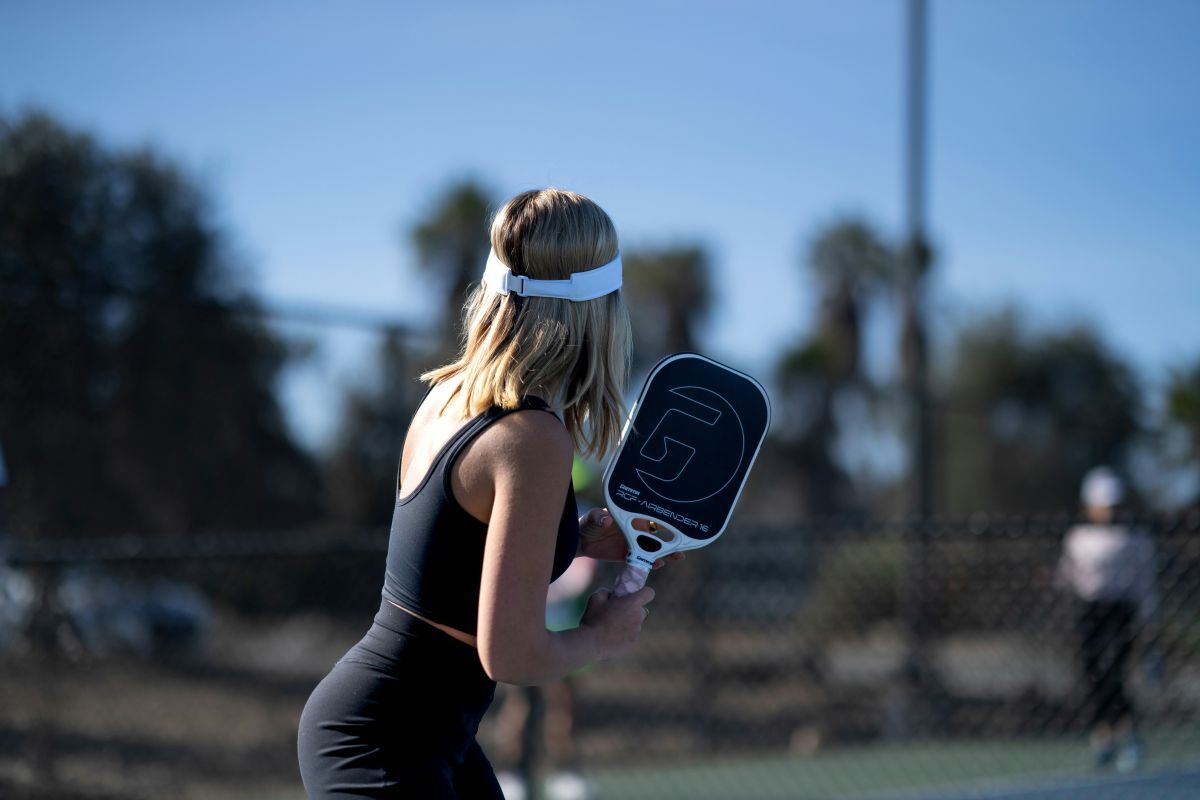
Effective offense in pickleball is built on control rather than constant aggression. Attacking shots are most successful when taken from strong court positions, particularly when the ball is above net height or after an opponent has been forced into a defensive reply.
Common offensive shots and their purposes include:
- Punch volleys: Compact, forward motions that redirect pace with accuracy, ideal for targeting open court or an opponent’s feet.
- Roll volleys: Topspin volleys that create net clearance and dip quickly, allowing controlled aggression without sacrificing consistency.
- Speed-ups: Sudden increases in pace designed to surprise opponents, typically aimed at the body, dominant shoulder, or small gaps at the net.
Timing determines whether offense creates pressure or gives it away. Attacking balls below net height or from poor balance positions often leads to counterattacks or errors.
Disciplined players recognize when patience maintains advantage and wait for clear, high-percentage opportunities before accelerating the ball.
Well-timed offensive shots force opponents into rushed decisions, disrupt positioning, and open the door for controlled finishes rather than reckless attempts at winners.
Overhead and Smash Shots: Finishing Points Efficiently
Overhead and smash shots are among the most decisive tools in pickleball, but they demand sound preparation and control to be effective. While these shots can end points quickly, success depends far more on positioning and balance than on raw power.
A reliable overhead is built on several key fundamentals:
- Early recognition of the lob and quick adjustment to get behind the ball
- Sideways movement and proper footwork to maintain balance and spacing
- Early paddle preparation that allows a smooth, controlled swing
- Targeted placement toward open court or an opponent’s weaker side
Players who rush overheads or swing late often sacrifice accuracy and consistency. In many situations, a controlled overhead placed with intention produces better results than a full-power smash that increases error risk.
There are also scenarios where smashing is not the correct decision:
- Poor court positioning that limits balance or recovery
- Deep defensive lobs that force contact from an uncomfortable height or angle
- Off-balance movement that reduces control and increases mistakes
In these cases, choosing a reset or safer placement preserves advantage and maintains pressure. Strong players recognize when patience secures the point more effectively than forcing a high-risk finish.
Defensive Pickleball Shots That Keep You in the Rally
Defense in pickleball is an active, intentional skill that allows players to withstand pressure and regain control of points. Effective defensive shots extend rallies, reduce errors, and force opponents to generate their own winners rather than capitalizing on mistakes.
Key defensive shots and principles include:
- Lobs: Used when opponents crowd the net, a well-executed lob creates time and forces retreat, disrupting positioning and rhythm. Poorly placed lobs, however, often result in overhead opportunities for opponents.
- Counterattacks from below net height: These rely on soft hands, controlled pace, and smart angles rather than power, keeping the ball unattackable.
- Defensive resets: Soft shots off volleys or groundstrokes that land in the non-volley zone, neutralizing pace and restoring balanced positioning.
Strong defense emphasizes patience and precision. By absorbing pressure and returning the ball with control, players increase the likelihood of opponent errors and create opportunities to transition back into offense.
Over time, disciplined defensive play becomes a reliable source of point control rather than a last resort.
Specialty and Advanced Pickleball Shots
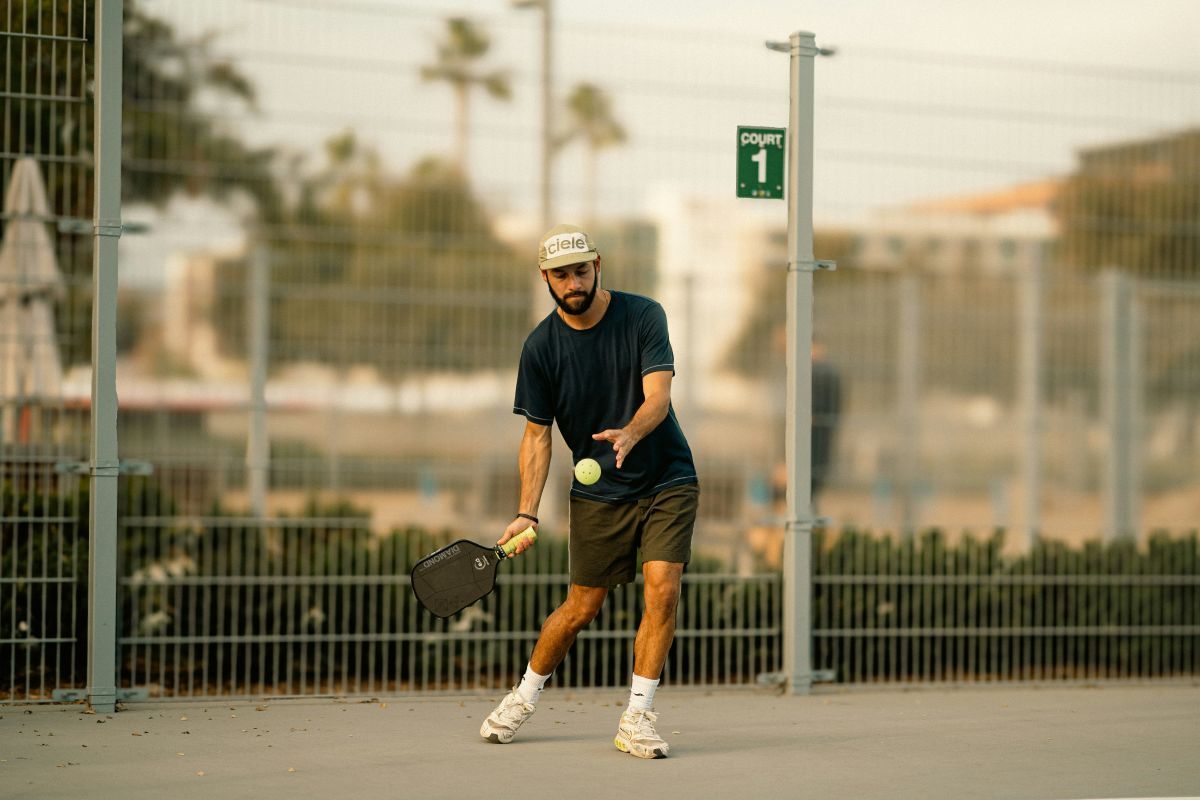
As players advance, they gain access to specialty shots that require precise execution and strong court awareness. These shots can create immediate advantages when used correctly, but they demand sound fundamentals and disciplined decision-making.
Common advanced shots and their strategic value include:
- Drop volleys: Soft, controlled volleys taken at the non-volley zone that remove pace and force opponents to hit upward from uncomfortable positions.
- Erne shots: Attacking shots executed by stepping outside the non-volley zone to strike the ball in the air, allowing aggressive positioning without committing a kitchen fault.
- Around-the-post shots: Shots hit outside the net post that bypass net height entirely, taking advantage of extreme angles when recognized early.
These shots are situational rather than foundational. Effective players use them selectively to capitalize on positioning errors or predictable patterns. When overused or attempted from poor positions, they often increase error rates.
Advanced pickleball shots add variety and creativity to a player’s game, but long-term success still depends on consistent fundamentals, sound positioning, and disciplined shot selection.
Common Pickleball Shot Mistakes and How to Fix Them
Many pickleball errors are not caused by a lack of technical ability, but by poor shot selection and timing. Players often attempt aggressive shots from disadvantageous positions, turning neutral rallies into lost points.
Identifying and correcting these patterns leads to immediate improvement.
| Common Mistake | Why It Causes Problems | More Effective Adjustment |
| Overhitting from the baseline | Reduces margin and increases unforced errors | Add height and depth, prioritize consistency over pace |
| Speeding up balls below net height | Creates easy counterattack opportunities | Reset the rally with a soft dink or block |
| Attempting winners too early | Forces low-percentage shots under pressure | Build the point and wait for clear openings |
| Attacking while off balance | Limits control and recovery positioning | Stabilize footwork before applying pace |
| Ignoring opponent positioning | Sends attacks into defended areas | Target open court or weaker sides intentionally |
Correcting these mistakes begins with increasing margin. Higher net clearance, smaller swings, and intentional placement dramatically improve consistency without sacrificing effectiveness.
Awareness of court positioning and patience during rallies reduce self-inflicted errors and allow opponents to make the first mistake.
Sustained improvement often comes from structured feedback rather than trial and error. Playing in organized environments where shot selection is challenged and patterns become visible reinforces better decision-making and accelerates long-term progress.
How Learning Environments Accelerate Shot Development
Pickleball shots develop faster in environments that emphasize repetition with feedback. Playing randomly with different partners can help exposure, but structured settings create measurable progress.
Clinics, leagues, and coached sessions expose players to a wider range of shots and tactical scenarios. Facing stronger opponents accelerates adaptation and reinforces proper shot selection under pressure.
Bounce supports this progression by connecting players with local coaches, clubs, leagues, and organized play formats. Centralized access to instruction and competition helps players move beyond casual learning and toward intentional development.