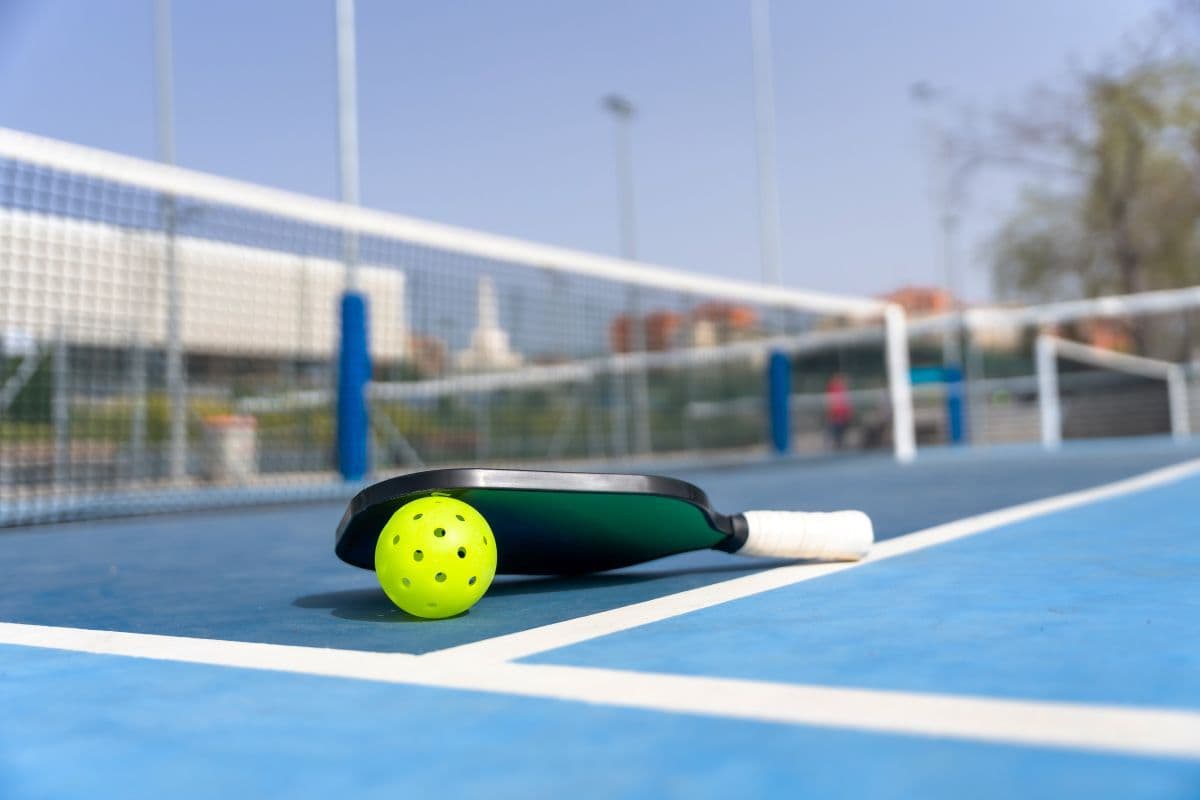
Building a pickleball court can cost anywhere from $15,000 to over $75,000 per court, depending on location, materials, site preparation, and whether the build is residential or commercial. Multi-court facilities can range from $150,000 to $500,000+, especially when lighting, fencing, drainage, and amenities are included.
Understanding how much it costs to build a pickleball court requires more than a simple number. Construction type, long-term maintenance, and usage goals significantly influence total investment. A backyard recreational court is fundamentally different from a revenue-generating commercial facility.
This guide breaks down every cost category in detail so homeowners, clubs, developers, and municipalities can plan intelligently and avoid underestimating total expenses.
How Much Does It Cost to Build a Pickleball Court? (Quick Breakdown)
Average Cost Ranges
The total cost to build a pickleball court depends on the scale and quality of the project:
- Backyard pickleball court: $15,000–$35,000
- Premium residential court: $25,000–$50,000
- Commercial-grade single court: $40,000–$75,000+
- Multi-court facility (4–12 courts): $150,000–$500,000+
These ranges assume professional installation. DIY builds may reduce labor costs but often increase long-term repair expenses if base preparation is inadequate.
Cost Per Square Foot
A regulation pickleball playing area measures 20' x 44', but proper construction includes safety run-off space. A full recommended footprint is approximately 30' x 60', or 1,800 square feet.
Installed cost typically ranges from:
- $8–$20 per square foot for standard outdoor construction
- Higher for indoor builds due to flooring and HVAC requirements
Concrete bases generally cost more upfront than asphalt but provide superior long-term durability.
Key Factors That Impact the Cost to Build a Pickleball Court
1. Site Preparation and Excavation
Site preparation is often underestimated. Proper grading and compaction determine long-term surface integrity.
Costs increase if the site requires:
- Tree removal
- Soil stabilization
- Drainage correction
- Extensive leveling
Drainage is especially important. Water accumulation leads to cracking and surface breakdown. Investing in proper grading reduces long-term resurfacing expenses.
2. Concrete vs Asphalt Base
The base layer is the structural foundation.
Concrete base
- Higher upfront cost
- Greater durability
- Fewer cracks over time
- Lower long-term maintenance
Asphalt base
- Lower initial investment
- More susceptible to cracking
- Requires more frequent resurfacing
For commercial facilities expecting heavy play, post-tension concrete slabs are increasingly common due to structural strength.
3. Surface Coating Systems
The playing surface consists of acrylic sport coatings layered over the base. Standard options include:
- Acrylic color coating
- Textured finish for traction
- Cushion systems for joint impact reduction
Cushion systems raise upfront cost but improve comfort, particularly in high-volume facilities.
4. Fencing and Enclosures
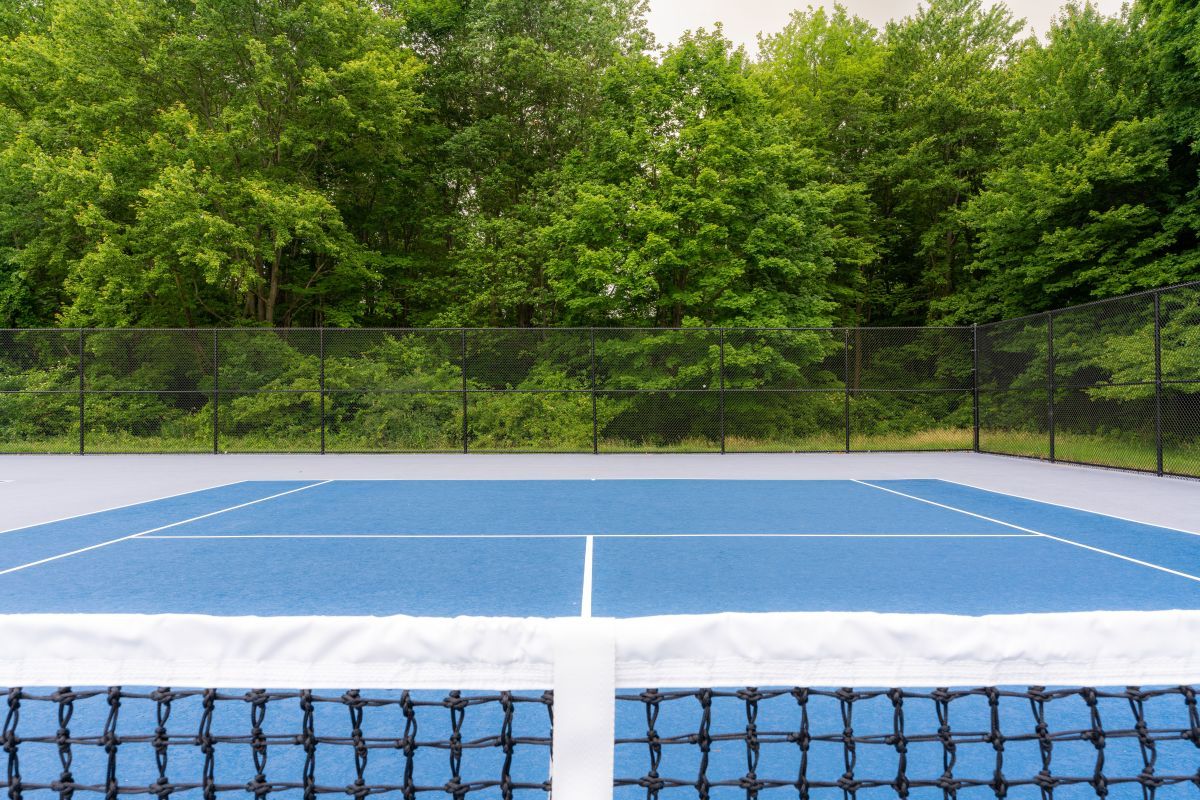
Outdoor courts typically require 10–12 foot chain-link fencing.
- Average fencing cost per court: $5,000–$15,000
Costs increase with:
- Wind screens
- Privacy fencing
- Sound mitigation barriers
Noise complaints have become common in residential developments, making acoustic planning an increasingly important expense.
5. Lighting Systems
Lighting transforms a court into a revenue-generating asset. LED sports lighting installation typically ranges from:
- $15,000–$35,000 per court
Commercial builds require:
- Pole installation
- Electrical trenching
- Permit compliance
Lighting significantly extends playable hours and improves return on investment.
6. Nets and Equipment
Permanent net systems range from:
- $1,000–$3,000 per court
Additional equipment may include:
- Scoreboards
- Divider nets
- Windscreens
- Storage units
While these costs are smaller compared to surface work, they contribute to the total project budget.
Backyard Pickleball Court Cost: What Homeowners Should Expect
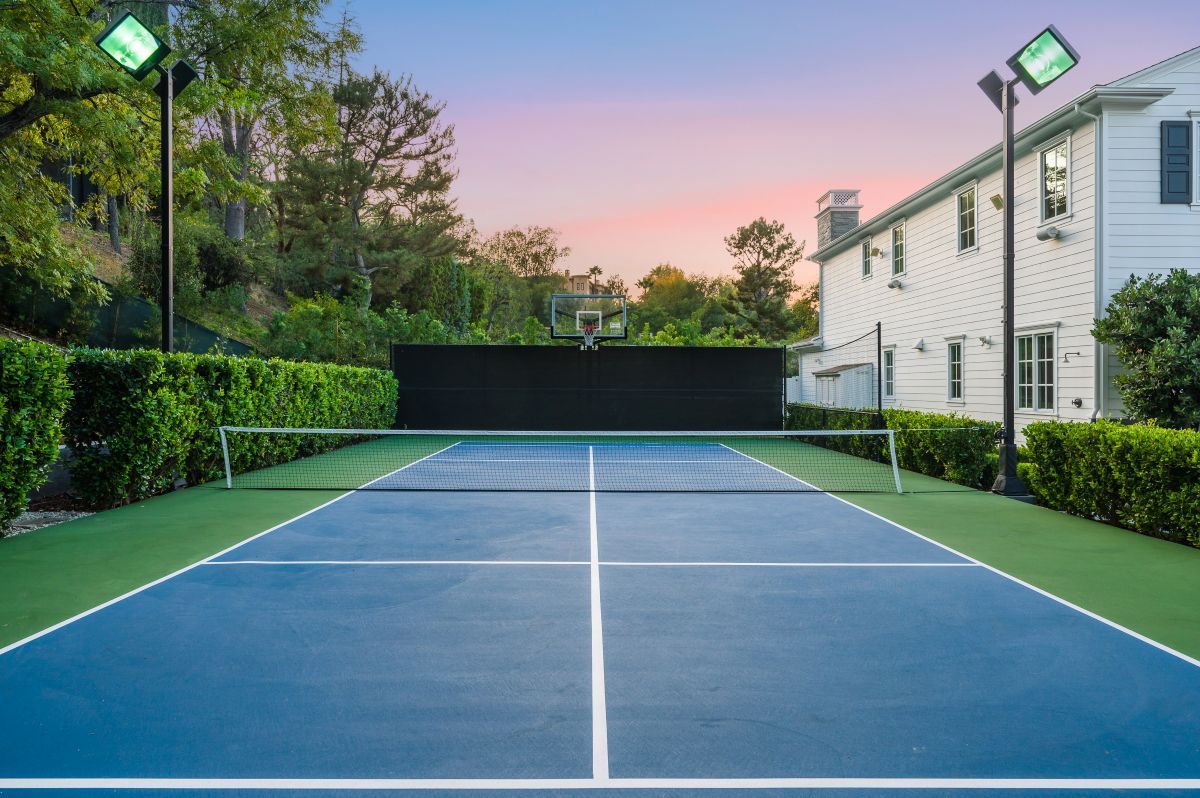
Homeowners typically invest between $15,000 and $35,000 for a standard outdoor court.
Space Requirements
Minimum recommended space: 30' x 60'
Tighter installations may compromise play quality.
Budget Residential Build ($15,000–$20,000)
- Asphalt base
- Basic acrylic coating
- No fencing
- Portable net
This approach prioritizes affordability but may require earlier resurfacing.
Mid-Range Residential Build ($20,000–$35,000)
- Concrete slab
- Professional striping
- Basic fencing
- Permanent net
This level balances durability and cost.
Premium Residential Build ($35,000–$50,000+)
- Cushion surface system
- Full fencing enclosure
- Lighting
- Landscaping integration
HOA regulations may require sound mitigation measures. Planning ahead prevents costly revisions later.
How Much Does It Cost to Build a Commercial Pickleball Court?
Commercial courts require higher structural standards.
Single-Court Commercial Build
Expect:
- $40,000–$75,000+ per court
- Concrete base
- Commercial fencing
- Lighting infrastructure
These courts are designed for frequent daily use.
Multi-Court Facility Costs
4-Court Facility
- $150,000–$250,000+
8-Court Facility
- $300,000–$450,000+
12+ Court Complex
- $500,000–$1M+ depending on amenities
Shared infrastructure can reduce per-court cost in larger builds.
Indoor vs Outdoor Construction
Indoor facilities cost significantly more due to climate control requirements, specialized flooring, and building-code compliance. Outdoor courts are structurally simpler and typically less expensive to build and maintain.
The table below highlights the key cost differences.
| Category | Outdoor Pickleball Court | Indoor Pickleball Court |
| Base Construction | Concrete or asphalt slab | Concrete slab within enclosed structure |
| Climate Control | Not required | HVAC system required |
| Insulation | Not required | Full building insulation required |
| Flooring System | Acrylic sport coating | Sport flooring or specialized surface system |
| Lighting | Court pole lighting | Integrated indoor sports lighting |
| Code Compliance | Basic local permits | Fire code, occupancy, and commercial building compliance |
| Estimated Cost Per Court | $25,000–$60,000 | $75,000+ per court equivalent (warehouse conversion often higher) |
Revenue and ROI Considerations
Construction cost is only one side of the equation. Utilization determines sustainability. Revenue streams include:
- Court rentals
- Membership models
- Leagues
- Clinics
- Private lessons
- Tournaments
Courts without structured programming often struggle with consistent bookings.
Bounce acts as a programming and marketplace layer that helps facilities surface leagues, clinics, and lessons to players in their city. Clubs keep their existing reservation systems while using Bounce to generate demand and attract new players beyond their core membership base.
Building courts creates supply. Programming creates recurring revenue.
Hidden Costs When Building a Pickleball Court
Unexpected costs frequently derail budgets, especially when projects are planned around surface installation alone.
Many builders focus on base construction and coatings while overlooking regulatory, engineering, and long-term operational expenses. These hidden costs can increase total project spend by 10–25% or more if not anticipated early.
A disciplined planning process accounts for both upfront compliance requirements and ongoing lifecycle expenses. The following categories represent the most common budget surprises.
Permits and Inspections
Permit costs vary by municipality, but nearly every court project requires formal approval before construction begins. Failing to secure proper permits can result in fines, forced removal, or construction delays.
Local permits may include:
- Zoning review (confirming recreational use is allowed on the property)
- Engineering approval for grading, drainage, and structural base work
- Electrical permits for lighting installation
- Environmental impact or stormwater management review (in some regions)
Permit fees may range from a few hundred dollars for residential builds to several thousand dollars for commercial facilities. Timelines also affect cost. Delays in approval can push projects into higher seasonal labor pricing windows.
Municipal builds and HOA communities often require public comment periods or noise studies, which extend both timeline and consulting expenses.
Architectural and Engineering Fees
Commercial pickleball facilities typically require stamped architectural and structural drawings. These documents ensure the project meets safety codes, ADA compliance, and occupancy standards.
Professional design fees may include:
- Civil engineering plans
- Drainage system design
- Structural engineering review
- Electrical load planning for lighting
- Fire safety planning for indoor facilities
Design and engineering services often range from 5–15% of total construction cost. Indoor facilities almost always require full architectural documentation, particularly when converting warehouses or constructing enclosed buildings.
Underestimating professional design costs can stall financing approval or cause costly mid-project revisions.
Drainage Corrections
Drainage problems are one of the most expensive post-construction fixes. Courts that hold water develop cracks, surface bubbling, and premature coating breakdown.
Common drainage expenses include:
- French drains
- Subsurface drainage systems
- Grading adjustments
- Catch basins
- Expanded stormwater infrastructure
If drainage is overlooked during site preparation, retrofitting solutions can cost thousands to tens of thousands of dollars, depending on severity. Investing in proper slope and water flow at the beginning protects the base and extends court lifespan.
Regions with heavy rainfall or freeze-thaw cycles are especially vulnerable to drainage-related damage.
Resurfacing
All hard courts require resurfacing over time. UV exposure, temperature shifts, and consistent play gradually wear down acrylic coatings.
Typical resurfacing cycle:
- Every 4–8 years, depending on usage intensity
Estimated cost:
- $4,000–$10,000 per court
High-traffic commercial facilities may need more frequent touch-ups. Cushion systems also require periodic maintenance. Budgeting for resurfacing at the time of construction prevents financial strain later.
Routine crack repair and minor patching between full resurfacings can reduce major repair frequency.
Insurance
Insurance is an ongoing operational cost for commercial operators. Liability exposure increases with programming volume and public access.
Common coverage types include:
- General liability insurance
- Property insurance
- Participant accident coverage
- Event insurance for tournaments
Insurance premiums vary by facility size and programming volume but can range from several thousand to tens of thousands annually for larger complexes.
Facilities that host leagues, lessons, and tournaments must factor insurance into long-term financial modeling. Structured programming increases revenue but also increases liability considerations.
Maintenance Costs of a Pickleball Court
Building a pickleball court is a capital investment. Maintaining it properly determines how long that investment performs at a high level. Surfaces exposed to sun, moisture, temperature changes, and consistent foot traffic gradually deteriorate.
Without a structured maintenance plan, small issues such as hairline cracks or fading lines can develop into expensive resurfacing projects.
Maintenance costs are often underestimated during the construction planning phase. Many owners focus on the upfront build cost without allocating an annual reserve for upkeep. A well-maintained court not only preserves play quality but also protects the underlying base structure, which is the most expensive component to repair or replace.
Commercial facilities in particular must treat maintenance as part of operational budgeting. High usage from leagues, clinics, and daily rentals accelerates wear. Proactive care ensures courts remain safe, visually appealing, and compliant with facility standards.
Annual Budgeting Should Include
- Cleaning and debris removal (pressure washing, leaf clearing, surface washing)
- Crack repair and minor surface patching
- Line repainting to maintain visibility and regulation accuracy
- Net replacement or tension system repair
- Lighting maintenance, including bulb replacement and electrical checks
Routine cleaning prevents organic buildup that can make surfaces slippery and accelerate coating breakdown. Crack repair, when handled early, prevents water intrusion that compromises the base layer.
Average Annual Maintenance Costs
- Residential courts: $500–$1,500 per year
- Commercial courts: $2,000–$5,000+ per court annually
Commercial operators with lighting systems and heavy programming should budget toward the higher end of the range. Facilities that host tournaments or structured leagues may also require more frequent surface touch-ups to maintain professional presentation standards.
Preventative maintenance reduces long-term capital expenditure. Courts that receive consistent care typically extend resurfacing cycles and delay full reconstruction needs. Planning maintenance as a fixed annual line item rather than an occasional repair expense protects both the playing experience and the long-term financial viability of the court.
Cost Planning Checklist Before You Build
Proper planning minimizes overruns.
Before construction:
- Confirm zoning and noise regulations
- Conduct soil and drainage evaluation
- Decide on base material
- Budget for lighting early
- Plan long-term maintenance
- Determine usage level
Conclusion
The cost to build a pickleball court ranges widely based on scale and ambition. Backyard builds may begin around $15,000, while commercial facilities can exceed $75,000 per court. Multi-court complexes require careful financial modeling and long-term planning.
Investing in a strong foundation, proper drainage, and quality surfacing protects the court over time. Budgeting for lighting, fencing, and maintenance prevents surprise expenses.
For facilities, the true return comes from activation. Courts alone do not generate engagement. Structured leagues, coaching programs, and recurring social play create community and revenue. Bounce operates as the connective layer that helps clubs, coaches, and players find each other within city-based ecosystems.
Building a pickleball court is a capital decision. Building an active playing community around it is the strategy that determines long-term success.