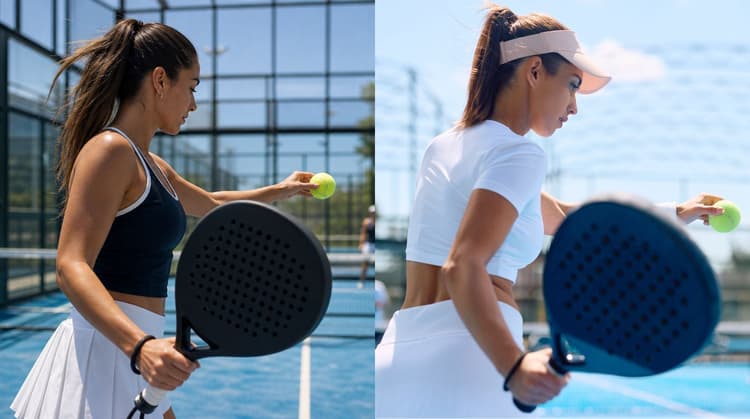
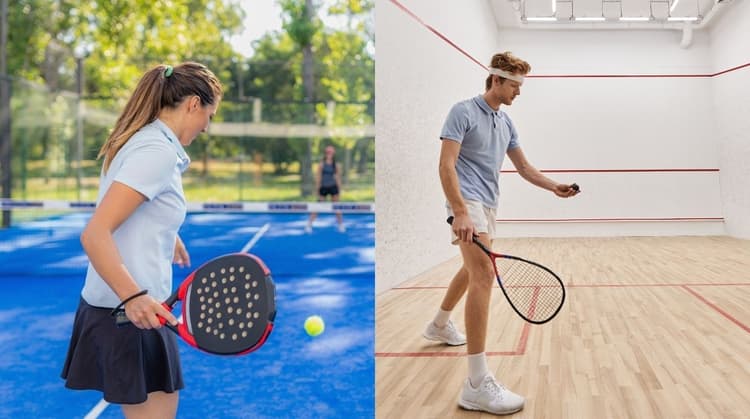
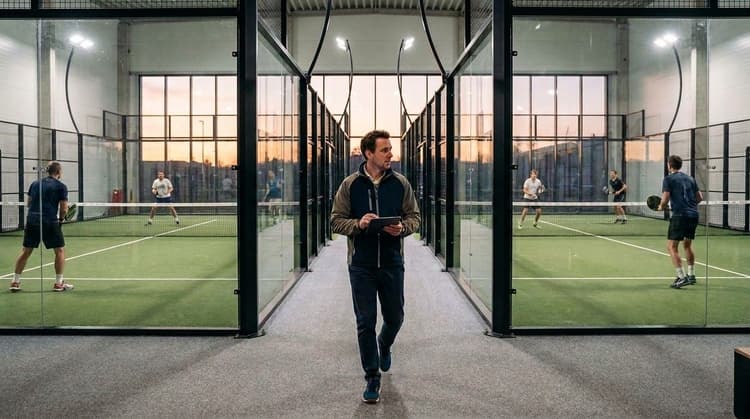
Pickleball has evolved from a recreational pastime into one of the fastest-growing racket sports in North America. Public parks are adding courts, private clubs are expanding programming, and indoor facilities are opening in major cities.
This growth has created strong demand for qualified instructors who can teach fundamentals, develop players, and run structured programs.
Understanding how to become a pickleball instructor involves more than simply playing well. It requires certification, communication skills, business organization, and ongoing education.
Instructors are responsible for shaping player development, maintaining safe environments, and representing the sport professionally.
Step 1: Understand What a Pickleball Instructor Actually Does
A pickleball instructor is responsible for far more than feeding balls across the net. The role combines technical instruction, player development, lesson design, and group management.
Instructors serve as educators, mentors, and ambassadors for the sport.At the foundational level, instructors teach:
- Grip techniques and stroke mechanics
- Serve and return fundamentals
- Dinking, volleys, and resets
- Court positioning and movement
- Rules and scoring
- Strategic shot selection
Beyond teaching strokes, instructors structure lessons in progressive formats:
- Beginners require simplified drills and repetition
- Intermediate players need tactical refinement and consistency training
- Advanced players benefit from strategy-based sessions and point construction analysis
A skilled instructor adjusts pacing and complexity based on the group.
There is also a distinction between an instructor, a coach, and a teaching professional:
- Recreational instructors often focus on beginners and community programming
- Certified teaching professionals typically work within clubs and facilities
- Performance coaches may train tournament players at higher competitive levels
While these roles overlap, certification and experience often determine scope.
Soft skills are equally important. Effective instructors demonstrate:
- Clear communication
- Patience and adaptability
- Leadership presence
- Structured lesson planning
- Professional court management
Technical knowledge opens the door. Communication and organization build long-term credibility.
Step 2: Evaluate Your Playing Experience and Skill Level
Before pursuing certification, it is important to assess your playing level honestly.
Most certification bodies recommend a minimum playing rating of 3.5 to 4.0+, depending on the level you intend to teach. Higher certifications may require stronger competitive experience.
Skill level alone is not enough. You must demonstrate the ability to explain mechanics clearly and break down movements into teachable components. Many strong players struggle with instruction because they perform skills instinctively but cannot articulate corrections.
A ready instructor typically possesses:
- Consistent stroke mechanics
- Reliable serves and returns
- Solid understanding of doubles positioning
- Ability to demonstrate resets, drops, and transition play
- Knowledge of official rules and updates
Technical readiness also includes recognizing common beginner mistakes. For example, new players frequently swing too hard at the non-volley zone or stand too far from the kitchen line. An instructor must diagnose errors quickly and provide simple corrective cues.
In addition, familiarity with structured play formats - such as clinics, leagues, and ladder systems - strengthens your readiness. Many instructors refine their understanding of player development by participating in organized play before transitioning into teaching roles.
Step 3: Choose a Pickleball Instructor Certification Program
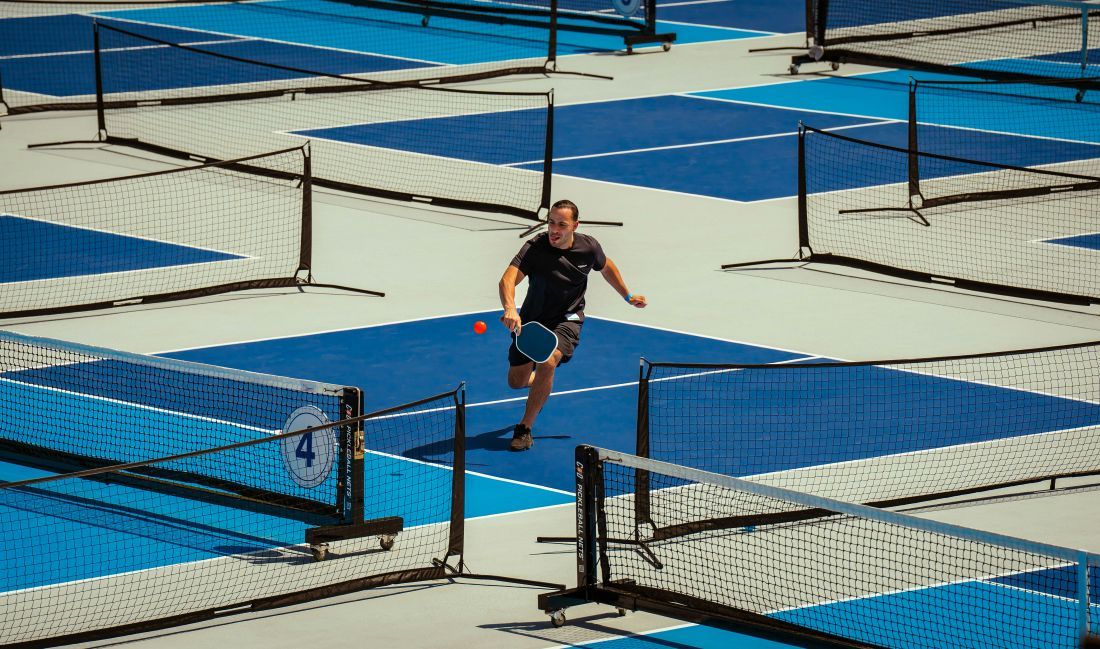
Certification provides structure, credibility, and access to professional networks. Many parks departments, clubs, and private facilities require instructors to hold recognized credentials before teaching on-site.
Three major organizations offer established certification pathways:
- Professional Pickleball Registry (PPR)
- Professional Tennis Registry (PTR)
- Pickleball Coaching International (PCI)
Each organization provides coursework, evaluation standards, and continuing education opportunities. While program structures vary, certification typically includes:
- Online educational modules
- Teaching methodology instruction
- On-court practical assessment
- Written or rules examination
- Background screening and SafeSport training
Certification demonstrates that you understand fundamentals, safety protocols, and lesson progression systems.
It also increases trust among players seeking professional instruction. In many markets, certified instructors are more likely to secure club affiliations and facility partnerships.
Step 4: Complete Training and Pass the On-Court Assessment
Certification workshops combine classroom-style instruction with live court evaluation. Preparation is critical. Candidates are assessed not only on playing ability but also on teaching presence and technical clarity.
Evaluators typically look for:
- Accurate skill demonstrations
- Clear verbal instruction
- Effective drill design
- Ability to correct player errors
- Safe court management
- Professional demeanor
Successful candidates prepare by practicing lesson outlines in advance. Teaching peers or small community groups before formal evaluation builds confidence. Recording yourself while explaining techniques can also reveal areas for improvement.
Continuing education is part of long-term instructor development. Advanced workshops often focus on:
- Transition zone play and resets
- Doubles communication systems
- Competitive strategy
- Junior player development
- Specialty clinics such as serve mechanics or defensive positioning
The most respected instructors continue refining their craft long after initial certification.
Step 5: Gain Practical Teaching Experience
Certification marks the beginning of professional instruction, not the end of preparation. Real-world teaching experience accelerates growth and confidence.
Many new instructors start by:
- Assisting certified professionals during clinics
- Volunteering for community programs
- Leading beginner workshops
- Hosting introductory “learn to play” sessions
Shadowing experienced instructors provides insight into pacing, group control, and communication tone. Observing how seasoned professionals manage mixed skill levels is particularly valuable.
Lesson planning becomes essential at this stage. Effective sessions often include:
- Warm-up drills focused on consistency
- Technical focus segment with correction
- Progressive drill application
- Structured point play or game scenario
- Clear summary and takeaways
Consistent structure builds trust among players. Over time, instructors develop signature teaching styles that reflect their strengths and personality.
Platforms like Bounce support this development by allowing instructors to list clinics, camps, and specialty sessions once certified. Structured scheduling and booking tools reduce administrative workload, allowing instructors to focus more on instruction and less on logistics.
Step 6: Secure Insurance and Structure Your Coaching Business
Professional instruction requires basic business organization. Liability insurance protects instructors in case of accidents or injuries during sessions. Many certification organizations provide access to insurance options as part of membership.
Key business considerations include:
- General liability coverage
- Participant waivers
- Clear cancellation policies
- Transparent pricing
- Consistent communication standards
Instructors must also decide whether to operate as independent contractors or employees within clubs. Independent instructors often set their own rates and schedules, while club-affiliated instructors may benefit from built-in facilities and player traffic.
Administrative efficiency matters. Managing scheduling, lesson packages, and payments manually can become time-consuming.
Bounce helps instructors streamline these processes through integrated booking, availability management, and secure payment systems. This structure creates professionalism and reduces friction for players seeking lessons.
Professional presentation extends beyond paperwork. Clear messaging, punctuality, and structured programming signal reliability. Instructors who treat teaching as a professional service build stronger reputations.
Step 7: Find Places to Teach and Build a Client Base

Securing court space is a crucial step in becoming an active instructor. Common teaching environments include:
- Public parks and recreation centers
- Private country clubs
- Indoor pickleball facilities
- Community centers
- School programs
Networking plays a significant role. Introducing yourself to facility managers, attending local leagues, and engaging with player communities increases visibility. Word-of-mouth referrals remain one of the strongest growth drivers.
Digital presence also matters. Instructors benefit from:
- Professional profiles
- Clear descriptions of lesson offerings
- Transparent pricing
- Testimonials
- Easy booking options
Bounce acts as a city-based marketplace where certified instructors can create searchable public profiles. Players searching for “pickleball instructor in [city]” can discover available coaches, view offerings, and book sessions directly. For instructors, this visibility expands reach beyond personal networks.
Clubs that partner with Bounce can list programming while keeping their operational systems intact. This layered ecosystem helps instructors access broader audiences without duplicating administrative effort.
Step 8: Develop a Teaching Niche or Specialty
Specialization strengthens long-term growth. While many instructors begin with general beginner instruction, developing a niche differentiates you in competitive markets.
Potential specialties include:
- Beginner foundations and rule education
- Junior development programs
- Doubles strategy clinics
- Competitive tournament preparation
- Senior-focused instruction
- Corporate group programming
- Social play and league organization
A niche clarifies marketing and attracts committed players seeking targeted improvement. It also allows instructors to deepen expertise within specific areas rather than remaining broadly general.
The strongest instructors balance technical skill development with community-building. Players often return not only for instruction but for the social environment cultivated through consistent programming.
Final Thoughts
Learning how to become a pickleball instructor involves a deliberate progression: mastering fundamentals, earning certification, gaining teaching experience, organizing business systems, and integrating into local playing communities.
Instructors who combine:
- Strong technical knowledge
- Recognized certification
- Clear lesson structure
- Professional communication
- Reliable administrative systems
position themselves for lasting success.
Bounce supports instructors at multiple stages of this journey. Certified coaches can establish public profiles, list clinics and private lessons, manage bookings, and connect with clubs and players within their city ecosystem. By reducing friction between instructors and players, Bounce helps transform credentials into consistent opportunities.
The path to becoming a pickleball instructor requires preparation and professionalism. Those who approach it with structure, discipline, and commitment to ongoing education can build meaningful careers while contributing to the continued growth of the sport.