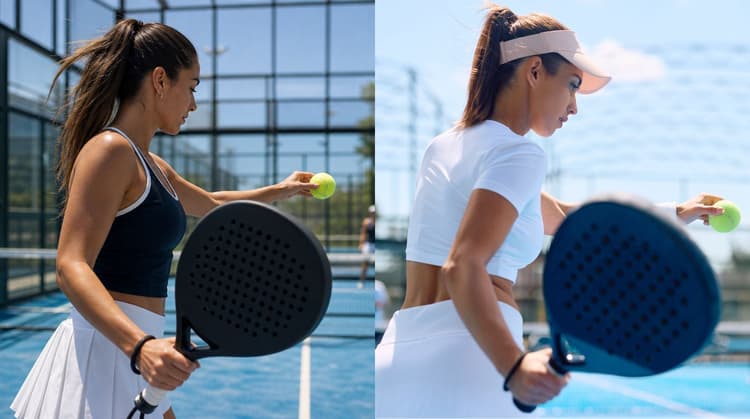
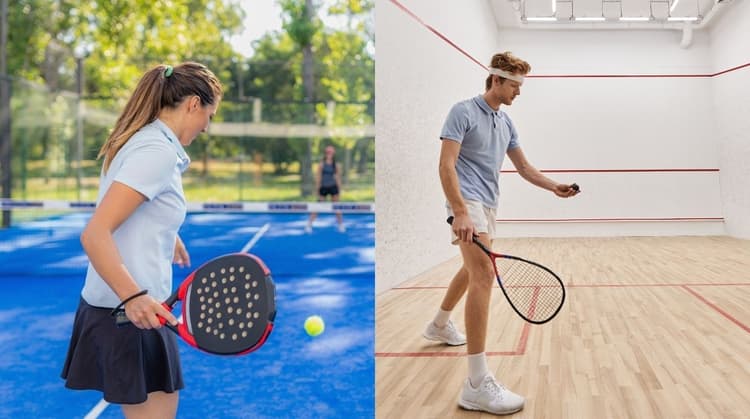
One of the first questions new players ask is simple: what to wear to play pickleball? It sounds straightforward, but the answer matters more than most beginners expect. The wrong footwear leads to ankle rolls. The wrong fabric leaves you overheated and sluggish.
The wrong outfit in a tournament setting can even result in a required clothing change under official rules.
The good news is that pickleball does not have a strict uniform. Players have a lot of flexibility in what they wear, and the sport is genuinely accessible from a gear standpoint. But there are a few principles worth knowing before you step on the court, whether you are playing a casual open session or entering your first competitive event.
This guide covers clothing, footwear, accessories, outfit considerations for women, dress code rules, and what to avoid on the court.
Clothing Basics: What Actually Matters on the Court
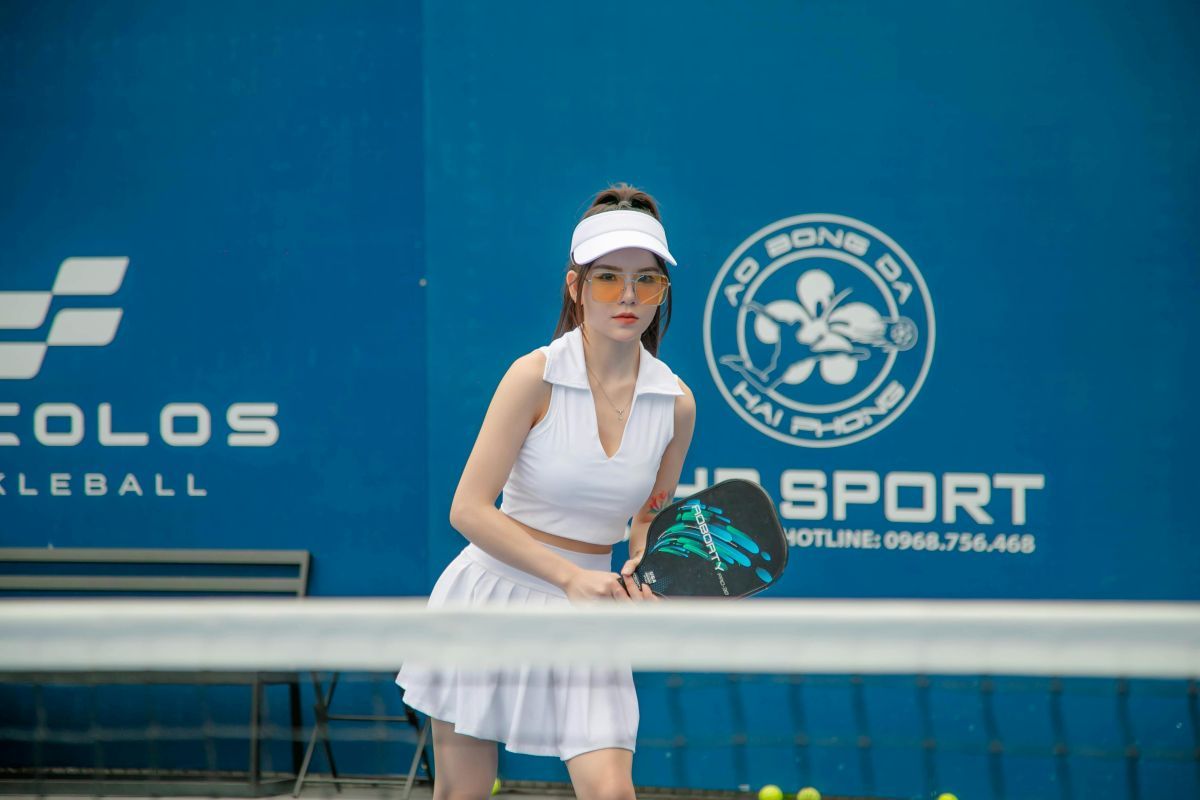
Pickleball is a fast-moving racket sport that involves quick lateral steps, low body positions, and frequent direction changes. Your clothing needs to support that range of motion without adding friction, weight, or discomfort. The core principles are simple.
Prioritize moisture-wicking fabric
The single most important clothing decision is choosing the right fabric. Moisture-wicking fabric pulls sweat away from the skin and allows it to evaporate quickly, keeping your body temperature stable and preventing the heavy, clammy feeling that makes long sessions uncomfortable.
Polyester, nylon, and spandex blends are the most common choices. They dry fast, move with the body, and hold their shape through repeated washes. Research from the Sport Information Resource Centre confirms that synthetic fabrics move moisture away from the skin far more effectively than cotton during physical activity, particularly in warm or humid conditions.
Cotton is the fabric to avoid. It absorbs sweat rather than releasing it, which means it gets heavier and slower to dry as a match goes on. In cool weather it can also trap cold moisture against the skin, which is uncomfortable and a real recovery issue.
Choose the right fit
Fit matters for movement, not style. Clothing that is too tight restricts shoulder rotation, hip drive, and the low crouched stance used at the kitchen line. Clothing that is too loose can catch on the paddle face during awkward shots or flap into your line of sight.
The ideal fit is close enough to move with the body but loose enough to allow a full range of motion without pulling. Look for athletic cuts with gussets in the shorts, stretch panels in the sleeves, and longer back hems that stay tucked during forward bends.
Layer for temperature
If you play outdoors in variable weather or in an indoor facility with heavy air conditioning, layers are your best tool. A lightweight zip-up or pullover over a base layer can be removed quickly between games and stored in your bag. Avoid heavy cotton hoodies that trap heat and sweat during play.
Tops: T-Shirts, Tanks, and Polos
Most players wear a lightweight athletic T-shirt, tank top, or polo shirt. All three work well as long as the fabric is breathable and the fit allows free arm movement. Polos are common in recreational club settings and give a slightly more polished look without sacrificing function.
Compression tops are an option for players who prefer a closer fit and some light muscle support, but they are not standard. Avoid tops with decorative elements like zippers, metal grommets, buttons, or thick seams across the shoulder, as these can interfere with the swing or cause chafing during long sessions.
Bottoms: Shorts, Skirts, Skorts, and Leggings
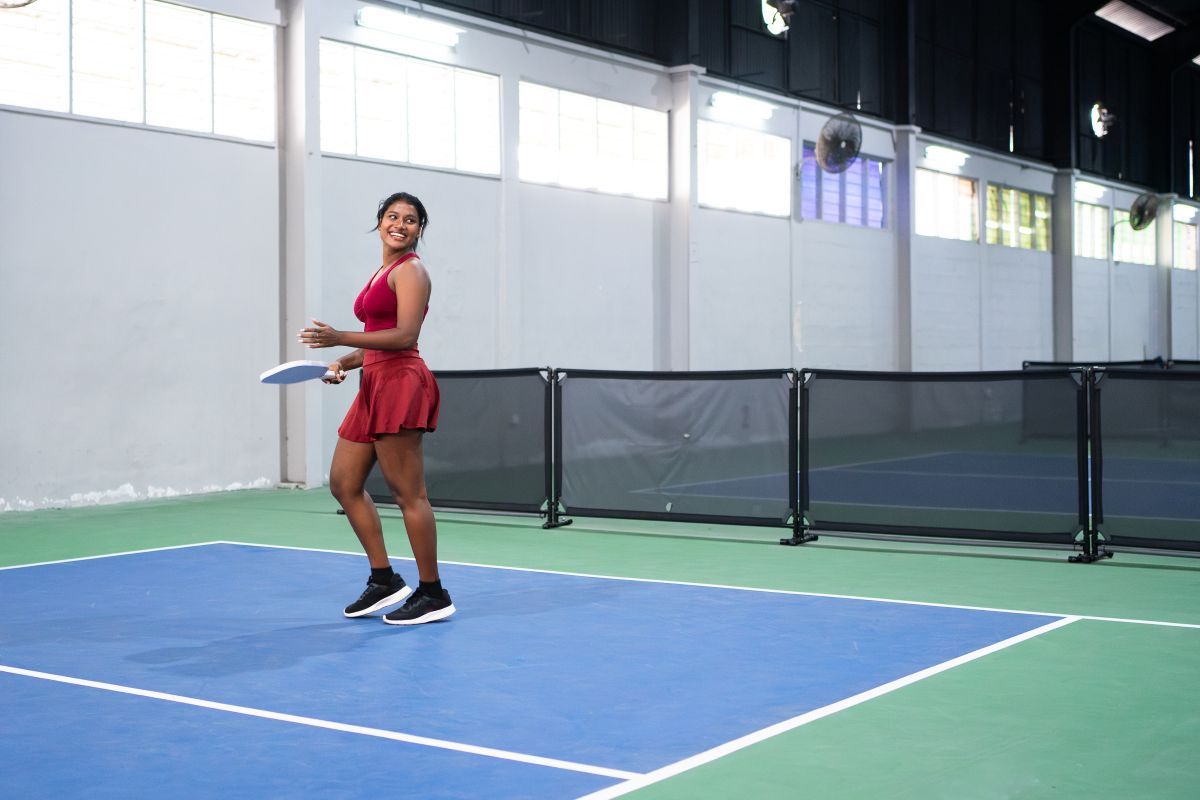
The lower body options for pickleball are wider than most new players realize, and all of them are court-appropriate as long as they allow full movement.
Shorts
Athletic shorts are the most common choice for men and for many women. Mid-thigh length is the practical standard, giving enough coverage to move freely without the fabric bunching during lateral lunges.
Shorts with a built-in liner or compression layer underneath offer extra support and prevent chafing.
Avoid board shorts, cargo shorts, or anything with a non-athletic waistband. These restrict movement and are not appropriate for court play.
Skirts and skorts
Skirts and skorts are very popular in recreational and competitive women's pickleball. The skort design combines a skirt exterior with built-in shorts underneath, offering full coverage during movement while maintaining a clean look on the court.
Players who come from a tennis background will already be familiar with this style, as it is standard in that sport.
Leggings and capris
Leggings are an excellent option for cooler conditions or for players who prefer more coverage. High-waist designs stay in place during movement and eliminate riding or bunching at the waistband. Capri-length leggings are a practical middle ground in moderate temperatures.
What to avoid
Denim, khakis, and anything with rigid structure restrict movement and are not appropriate for court play. Tight athletic styles that limit hip rotation cause the same problem. Anything with external pockets that can catch the ball mid-play is also worth avoiding in a competitive setting.
Best Shoes for Pickleball: Why Footwear Is the Most Important Decision
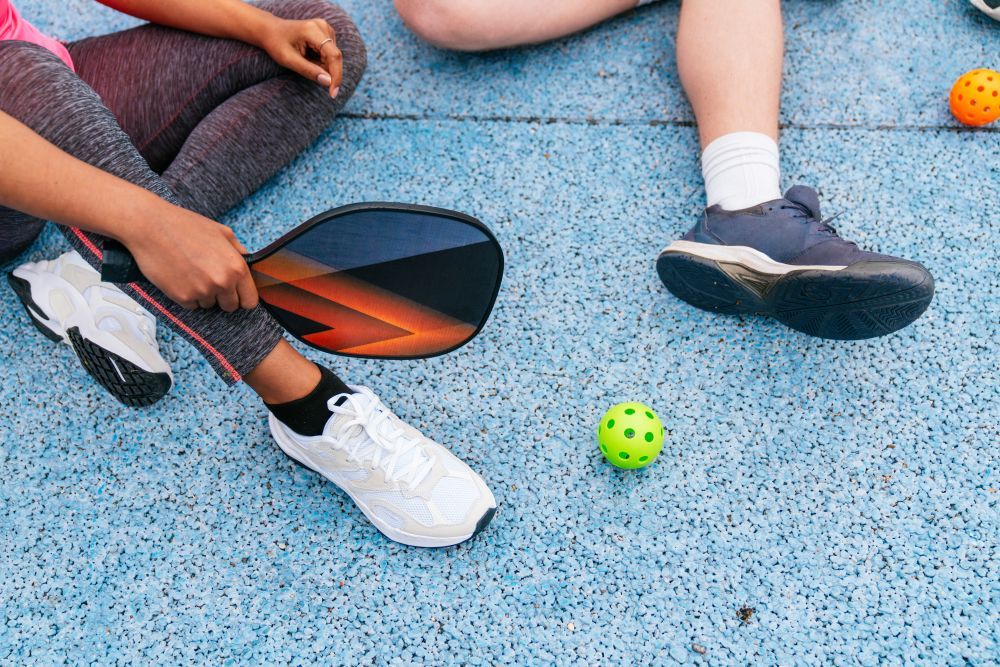
If there is one gear decision that has a direct impact on both performance and injury risk, it is footwear. Choosing the right shoes is not about finding the most expensive option. It is about understanding what the sport demands from a shoe and making sure yours can deliver it.
The wrong footwear is one of the most common contributors to ankle and knee injuries in pickleball. A medical review of pickleball-related injuries found that rapid lateral movements and abrupt direction changes are among the leading mechanisms of lower-body injury, which is precisely what running shoes are not built to handle.
Players coming from other sports who assume their existing athletic shoes will transfer across are particularly at risk.
Players managing existing ankle or knee issues should also be aware that pickleball-related injuries are more common than most beginners expect, and that the right footwear is one of the simplest ways to reduce that risk before it becomes a problem.
Why running shoes do not work
Running shoes are built for forward momentum. They have elevated heels, thick rear cushioning, and soles designed for a heel-strike gait. Pickleball requires lateral movement, quick pivots, and low body positions, none of which a running shoe is engineered to support.
Players who wear running shoes on the pickleball court often experience ankle instability, slipping during direction changes, and faster fatigue in the lower leg.
What to look for in a court shoe
Court shoes designed for tennis or dedicated pickleball shoes are the best options. The key features to look for are:
- Lateral support: A reinforced upper and wider footprint that stabilizes the ankle during side-to-side movement.
- Non-marking rubber outsole: Required on most indoor courts and standard on all court shoes.
- Herringbone or multidirectional tread: This pattern grips the court across multiple directions rather than just front-to-back.
- Toe reinforcement: Pickleball involves frequent short slides and drag stops that wear through the toe box faster than most other sports.
- Low heel-to-toe drop: A flatter profile keeps the foot closer to the court surface and improves stability during low crouching movements at the kitchen line.
Socks matter too
Athletic socks designed for court sports provide padding in high-pressure zones, moisture management, and a snug fit that prevents blisters. Ankle-length and crew-length options both work. Avoid thin fashion socks or socks with very little cushion, which reduce comfort over long sessions and increase blister risk.
Pickleball Outfit for Women: What Works Best
Women's pickleball has developed its own clear identity over the past several years, borrowing heavily from tennis while developing some distinct preferences of its own. The practical options span athletic dresses, skirts, leggings, shorts, and matching sets, giving players genuine variety without sacrificing court function.
Athletic dresses
The athletic dress, sometimes called a tennis dress, has become one of the most popular choices in women's pickleball. It combines a fitted top with a built-in skort or shorts underneath, giving full coverage during movement while creating a clean, coordinated look.
Many feature pockets in the skirt layer designed to hold a spare ball, which is a practical detail for serving without needing to dig into a bag between points.
Matching sets
Coordinated two-piece sets, typically a fitted top paired with a matching skort or shorts, are widely worn at recreational and competitive levels. They feel more intentional than a mix-and-match outfit without requiring extra planning.
Several sportswear brands have developed pickleball-specific lines built around these sets.
Sports bra fit and support
For women, a properly fitting sports bra is as important a performance decision as any outer layer.
Pickleball involves enough repeated movement, jumping, and quick direction changes that inadequate support leads to discomfort and posture compensation during long rallies.
A medium to high-support sports bra is the right starting point for most players. Higher support is appropriate for more competitive or high-intensity sessions.
Getting dressed for the court is just one part of preparing to play well.
If you are still building out your full setup, what the right pickleball gear looks like from paddle to shoes is a useful starting point for understanding what to prioritize as you put together your first complete kit.
Accessories Worth Bringing
Accessories are easy to overlook, but the right ones make a meaningful difference in comfort and performance over a session.
Hats and visors
For outdoor play, a hat or visor is one of the most practical accessories you can bring. It reduces glare on overhead balls, keeps sweat from dripping into your eyes, and provides real sun protection over a long session on an exposed court.
A visor is the more popular choice among players who find full hats trap too much heat.
Sunglasses
Pickleball involves a lot of overhead play, and tracking a ball against a bright sky without eye protection is both uncomfortable and difficult. Wraparound sport sunglasses with UV protection and a secure fit are the most practical option.
Avoid fashion sunglasses that slide during movement or have rigid frames that could be hazardous in a collision.
Wristbands and headbands
Players who sweat heavily benefit from a sweatband on the wrist of their paddle arm, as sweat running down the forearm can affect grip security mid-rally.
Headbands keep sweat from reaching the eyes and reduce how often you need to pause and wipe your face. Both are small, inexpensive additions that pay off over long sessions.
Gloves
Pickleball gloves are not common, but some players with grip issues, blister problems, or reduced hand strength find them useful. If you use a glove, make sure it does not significantly alter your paddle feel, as touch and grip pressure sensitivity are important in soft game exchanges near the kitchen.
Compression sleeves and braces
Players managing knee, elbow, or ankle issues often wear compression sleeves or braces for added stability and circulation support. These are particularly useful for older recreational players or anyone returning from injury.
They do not replace proper footwear or technique, but they can reduce discomfort and support confidence during movement-heavy play.
Pickleball Dress Code Rules: What You Need to Know
Most recreational pickleball has no enforced dress code beyond basic athletic appropriateness. Tournaments are a different matter.
Understanding dress code rules before entering a sanctioned event prevents the awkward situation of being required to change your outfit or, in extreme cases, facing a forfeit.
The official rule on apparel
Under USA Pickleball's official rulebook, Rule 2.G sets out the following apparel requirements:
- Safety and distraction: A player may be required to change apparel that is inappropriate, including clothing that approximates the color of the ball.
- Depictions: Graphics, insignias, pictures, and writing on apparel must be in good taste.
- Footwear: Shoes must have soles that do not mark or damage the court surface.
- Enforcement: The tournament director has authority to enforce apparel changes. Non-compliance can result in a forfeit.
The ball color rule
The requirement that clothing must not approximate the color of the ball is one of the less obvious rules and one that catches players off guard. Yellow and white tops are the most common targets of this rule, particularly in tournaments using yellow balls.
The practical workaround is simply avoiding those colors when you know the ball color in use.
What courts and clubs may require
Beyond tournament rules, individual clubs and facilities sometimes have their own dress standards, particularly regarding footwear. Non-marking soles are almost universally required on indoor courts.
Some private clubs require collared shirts or prohibit certain styles of athletic wear. It is worth checking with the facility before your first visit.
What Not to Wear to Pickleball
Knowing what not to wear saves you from equipment problems, injury risk, dress code violations, and general discomfort mid-match.
- Running shoes: Not built for lateral movement. Ankle instability and slipping are common issues on court.
- Cotton clothing: Absorbs sweat, gets heavy, and takes too long to dry during active play.
- Jeans or rigid trousers: Restrict lower-body movement significantly and are not appropriate for any level of court play.
- Clothing matching ball color: Yellow and white tops in particular may create issues in tournament settings under official dress rules.
- Loose jewelry: Rings, bracelets, and necklaces create hazards during paddle swings and ball tracking.
- Marking-sole footwear: Any shoe that leaves marks on the court surface is prohibited at most indoor facilities.
- Baggy or oversized clothing: Excess fabric can catch the paddle face or restrict your field of view during overhead tracking.
If you are putting together your first pickleball kit or stepping up to more regular play, starting with the right guidance makes the process faster.
Bounce connects players with certified coaches and organized sessions where you can ask equipment and apparel questions in context, learn from experienced players, and find your footing on the court without having to figure everything out alone.
Dressing for Outdoor vs Indoor Pickleball
The environment you play in affects what to wear as much as the sport itself does. Outdoor and indoor pickleball create different demands on clothing and footwear.
| Category | Outdoor Play | Indoor Play |
| Fabric priority | UV-resistant, moisture-wicking, lighter weight | Moisture-wicking, breathable, slightly warmer options okay |
| Shoe requirement | Rubber outsole, lateral support | Non-marking outsole mandatory at most facilities |
| Sun protection | Hat or visor, UV sunglasses, sunscreen | Not applicable |
| Layering | Useful for morning or evening sessions | Useful in air-conditioned venues |
| Color considerations | Avoid yellow or white if playing with yellow balls | Same rule applies in tournament settings |
| Accessories | Wristbands, visor, sport sunglasses | Wristbands, headband if needed |
Building Your Pickleball Kit: A Practical Starting Point
If you are new to pickleball and wondering where to begin, you do not need to buy a specialized wardrobe from day one. Start with what you already have in your athletic drawer and evaluate from there. Most players who already own tennis, running, or gym clothing have something that will work for their first few sessions.
The things worth picking up early are the ones that have the highest impact on comfort and safety. The one item worth investing in immediately is footwear.
A proper court shoe makes a noticeable difference from the first session and reduces your injury risk in ways that no amount of warming up or stretching can fully compensate for.
Once you have the right shoes, everything else can be added gradually as you play more frequently.
From there, a few moisture-wicking tops, a pair of athletic shorts or a skort, and a hat for outdoor play covers everything you need for recreational sessions. As your game develops and you start playing in more structured environments, you can build out the rest of your kit around the specific demands of your format and skill level.
Players who want guidance on gear selection alongside their skill development benefit from working with a coach in a real court environment. Bounce makes it easy to find a verified pickleball coach in your city who can give you practical, session-specific feedback on everything from shot mechanics to equipment setup.
Conclusion
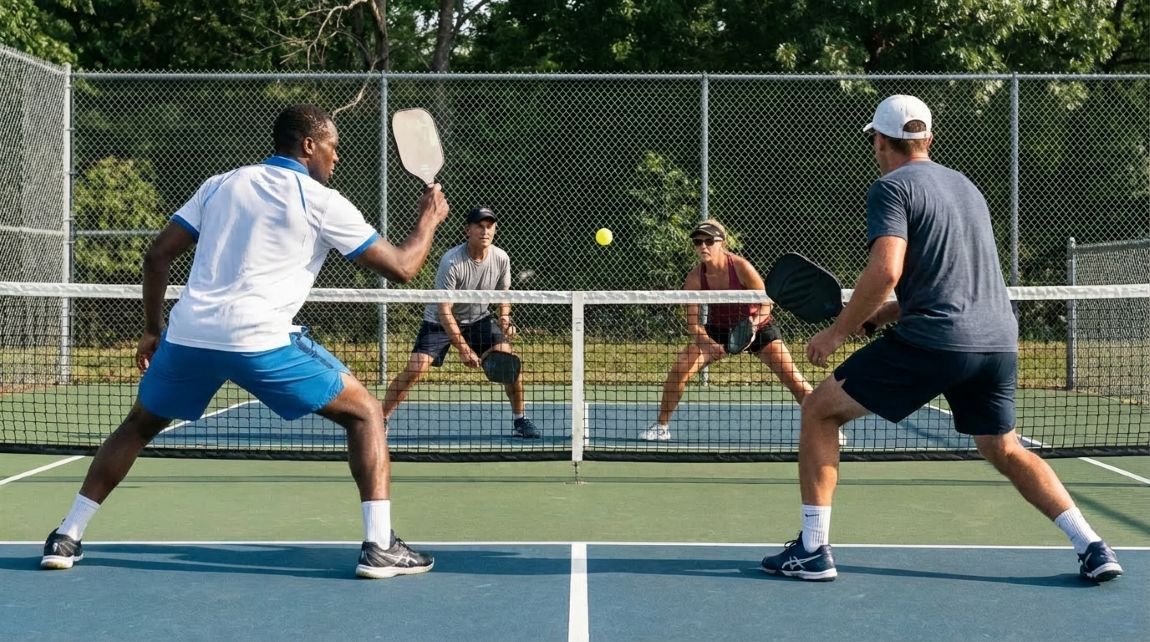
Knowing what to wear to play pickleball comes down to three things: fabric, fit, and footwear. Everything beyond that is personal preference and comfort.
There is a lot of variety in how pickleball players dress, and that flexibility is part of what makes the sport accessible.
Whether you show up in a coordinated athletic set or a plain T-shirt and tennis shoes, what matters most is that your gear supports your movement, keeps you comfortable over a full session, and meets the basic requirements of whatever court you are on.
If you are ready to find your next game, connect with a coach, or explore local leagues and open play sessions in your area, Bounce is the place to start. Get on the court and play.
FAQs
Do I need special pickleball clothing?
No. There is no required uniform for recreational pickleball. Any breathable athletic clothing that allows full freedom of movement is appropriate. Dedicated pickleball apparel exists and offers useful features, but it is not necessary to start.
Can I wear tennis shoes for pickleball?
Yes. Tennis shoes are one of the best options for pickleball because they are designed for the same type of lateral court movement. Dedicated pickleball shoes are also available and offer similar features, but quality tennis court shoes work very well.
Are there colors I should not wear?
In recreational play, color is not restricted. In tournament settings, avoid wearing clothing that closely matches the color of the ball in use, particularly yellow or white tops when yellow balls are used. This is an official USA Pickleball rule.
What do women typically wear to play pickleball?
Athletic dresses, skorts, shorts, and matching two-piece sets are the most common choices. Leggings are popular in cooler conditions. The most practical options combine built-in coverage, moisture-wicking fabric, and a secure fit during movement.
Do I need to wear non-marking shoes?
For indoor courts, yes. Non-marking soles are required at most indoor facilities to protect the court surface. Outdoor courts generally accept any rubber-soled athletic shoe, but it is always worth confirming the specific facility's requirements before you arrive.
Can I wear jewelry while playing?
It is not recommended. Rings, bracelets, and necklaces can be hazardous during paddle swings and create a risk of injury from impact. They may also be damaged during play. Most experienced players remove jewelry before stepping on the court.