Doubles pickleball is defined by teamwork, structure, and disciplined execution. While strong fundamentals and athletic ability help, consistent success in doubles comes from understanding positioning, making smart shot choices, and operating as a coordinated unit.
Points are rarely won through single-shot brilliance. Instead, they are earned by controlling space, managing tempo, and forcing opponents into mistakes.
This guide to pickleball strategy doubles breaks down the techniques, positioning principles, and tactical habits that winning teams rely on.
Fundamentals of Doubles Pickleball Strategy
Doubles pickleball places a premium on cooperation and spatial awareness. With two players sharing the court, every movement and shot selection affects the team’s defensive and offensive balance.
In singles play, speed and court coverage dominate. In doubles, court coverage is shared, which reduces open angles and makes passing shots significantly harder to execute. As a result, rallies tend to be longer and more methodical. Players must rely on placement, patience, and anticipation rather than outright power.
Doubles strategy also places greater importance on minimizing unforced errors. A missed shot often hands momentum to the opposing team, especially when both opponents are positioned at the kitchen line.
Teams that understand how to extend rallies and wait for high-percentage opportunities consistently outperform more aggressive but inconsistent opponents.
Core Objectives in Doubles Play
Effective doubles teams align around several consistent objectives:
- Establish control of the non-volley zone
- Maintain balanced spacing and depth between partners
- Keep opponents hitting upward whenever possible
- Apply pressure through positioning rather than speed
When these objectives are met, points develop naturally. Opponents are forced to take risks, and errors follow.
Tip 1: Control the Non-Volley Zone as a Team
The non-volley zone is the strategic center of doubles pickleball. Teams that consistently hold this position dictate how points unfold.
From the kitchen line, players can volley the ball early, reduce reaction time for opponents, and apply downward pressure. This positioning limits angles and forces opponents into defensive shots. Teams stuck behind the baseline must rely on high, looping shots, which are easier to attack.
Statistically, most doubles points are won by the team that establishes kitchen position first and maintains it through controlled volleys and soft exchanges.
Moving to the Kitchen Together
Transitioning forward must be deliberate and synchronized.
After a return of serve or a well-executed third shot, both players should advance together, stopping at the kitchen line only when balanced and ready. One player moving forward alone creates gaps that skilled opponents exploit immediately.
Successful teams treat movement as a shared responsibility, adjusting pace and depth together to preserve court integrity.
Common Mistakes That Keep Teams Back
Several recurring mistakes prevent doubles teams from establishing and maintaining control of the non-volley zone:
- Hesitating after a quality drop shot, which gives opponents time to reassert net control
- Advancing one player at a time, resulting in staggered positioning and exposed court space
- Stopping short of the kitchen line, leaving players vulnerable to angled volleys
- Retreating after neutral exchanges instead of holding position and applying pressure
- Failing to anticipate the next ball, causing late movement and defensive scrambling
- Lack of trust in the drop shot, leading to unnecessary resets back to the baseline
Correcting these mistakes allows teams to transition forward confidently, maintain offensive positioning, and dictate the pace of doubles rallies more effectively.
Tip 2: Master the Third Shot Strategy in Doubles
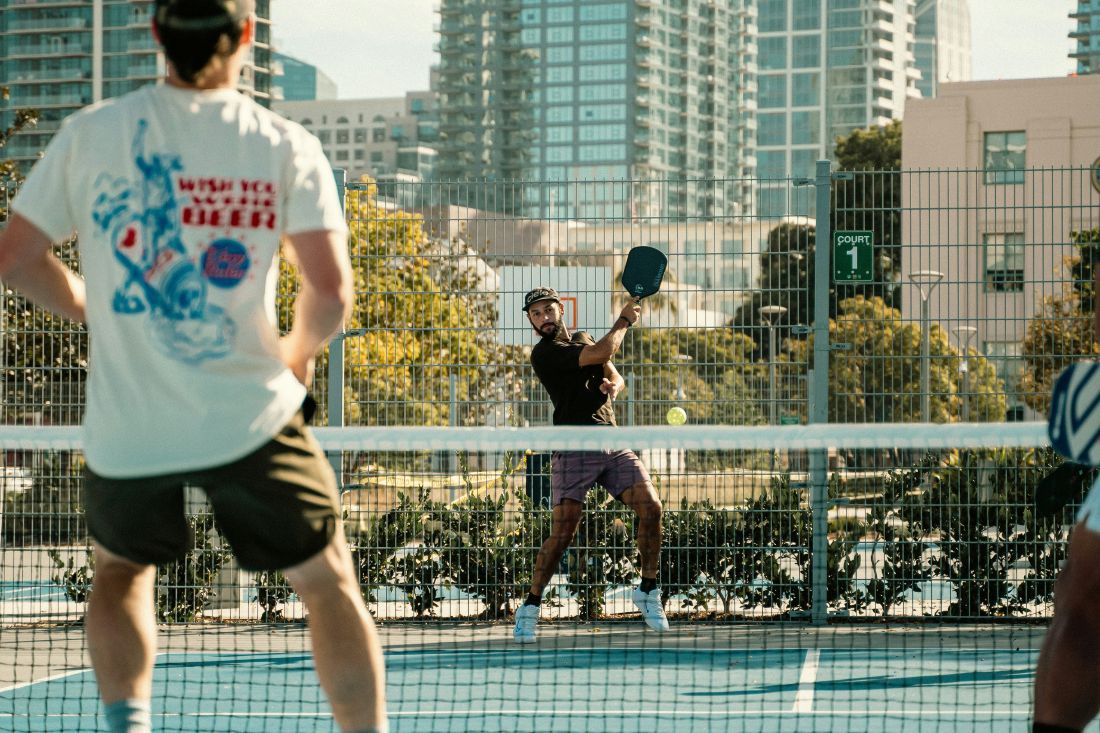
The third shot represents the most important transition moment in doubles pickleball. It determines whether the serving team regains balance or remains under pressure.
The third shot drop is the foundational doubles strategy tool. A well-placed drop forces opponents to hit upward, giving the serving team time to advance.
Drives, while useful in specific situations, are most effective when aimed at feet or weaker sides to force soft replies rather than outright winners.
Advanced teams blend drops and drives strategically, using variation to disrupt opponent rhythm while prioritizing consistency.
While one player executes the third shot, the partner must be equally engaged. This includes covering the middle, anticipating a block or volley, and preparing to advance together. Clear understanding of roles prevents hesitation and late reactions.
Aggressive third shots that miss the target often result in immediate point loss. Teams that prioritize margin, height, and placement steadily gain ground over the course of a match.
Consistent third shots allow teams to transition forward and begin neutral exchanges rather than defending from the baseline.
Tip 3: Smart Court Positioning and Spacing
Positioning determines how effectively a doubles team covers the court and responds to pressure.
Side-by-side positioning provides balanced coverage and works well in most situations, while stacking allows teams to maximize specific strengths, such as keeping forehands in the middle or protecting weaker backhands.
However, successful stacking depends on clean rotations and clear communication, particularly after serves and returns.
Proper spacing between partners is equally important. Good spacing keeps players close enough to defend the middle while still allowing coverage of sharp angles.
When partners crowd each other, sidelines become exposed, whereas excessive separation often leads to confusion and missed shots. Maintaining consistent spacing improves both defensive stability and offensive pressure.
Positioning should also adjust to opponent tendencies. Against teams that rely heavily on speed-ups, slightly deeper positioning can improve reaction time. In contrast, holding the kitchen line tightly against patient dinking teams limits available angles. These adjustments should remain subtle and coordinated to preserve overall team balance.
Tip 4: Communication Strategies That Win More Points
Communication is one of the most consistent differentiators between effective doubles teams and talented but inconsistent ones.
Clear, timely communication reduces hesitation, improves court coverage, and allows partners to function as a single unit rather than two independent players.
Strong communication habits also minimize unforced errors during fast exchanges and high-pressure points.
Calling Middle Balls and Switching Coverage
Establishing clear agreements about middle balls before play begins eliminates indecision and prevents missed opportunities. Both partners should know who takes which shots in advance, especially during quick exchanges at the kitchen line.
Effective verbal communication should be:
- Short and decisive, using simple words like “mine,” “yours,” or a partner’s name
- Consistent, so cues are recognized instantly under pressure
- Early, giving partners time to react rather than adjust late
Switching coverage is equally important when the ball pulls one player out of position. Situations that require immediate communication include:
- Wide shots that force a partner off the court
- Lobs that shift responsibility for overheads
- Fast resets where one player must temporarily cover the middle
Failing to communicate during these moments often leaves large sections of the court exposed.
Non-Verbal Signals Between Partners
Not all communication needs to be verbal. Non-verbal cues allow teams to coordinate without revealing intentions to opponents, particularly during serve and return situations.
Common non-verbal communication tools include:
- Hand signals before serves to indicate serve placement or third-shot intentions
- Paddle positioning to signal readiness for speed-ups or defensive resets
- Body alignment and footwork cues that indicate movement direction or coverage responsibility
These habits are especially valuable during fast-paced kitchen exchanges, where verbal communication may be too slow or disruptive.
Resetting After Lost Points
Mistakes are unavoidable in doubles pickleball, but how teams respond to them often determines match outcomes. Successful teams reset quickly and maintain emotional stability, even after extended rallies or critical errors.
Effective reset habits include:
- Positive body language, such as relaxed posture and eye contact
- Brief reinforcement, acknowledging the effort rather than the mistake
- Immediate refocus on positioning and strategy for the next point
Emotional control preserves momentum, prevents frustration from escalating, and strengthens trust between partners.
Teams that communicate calmly after errors remain more consistent and competitive throughout the match.
Tip 5: Shot Selection for High-Percentage Doubles Play
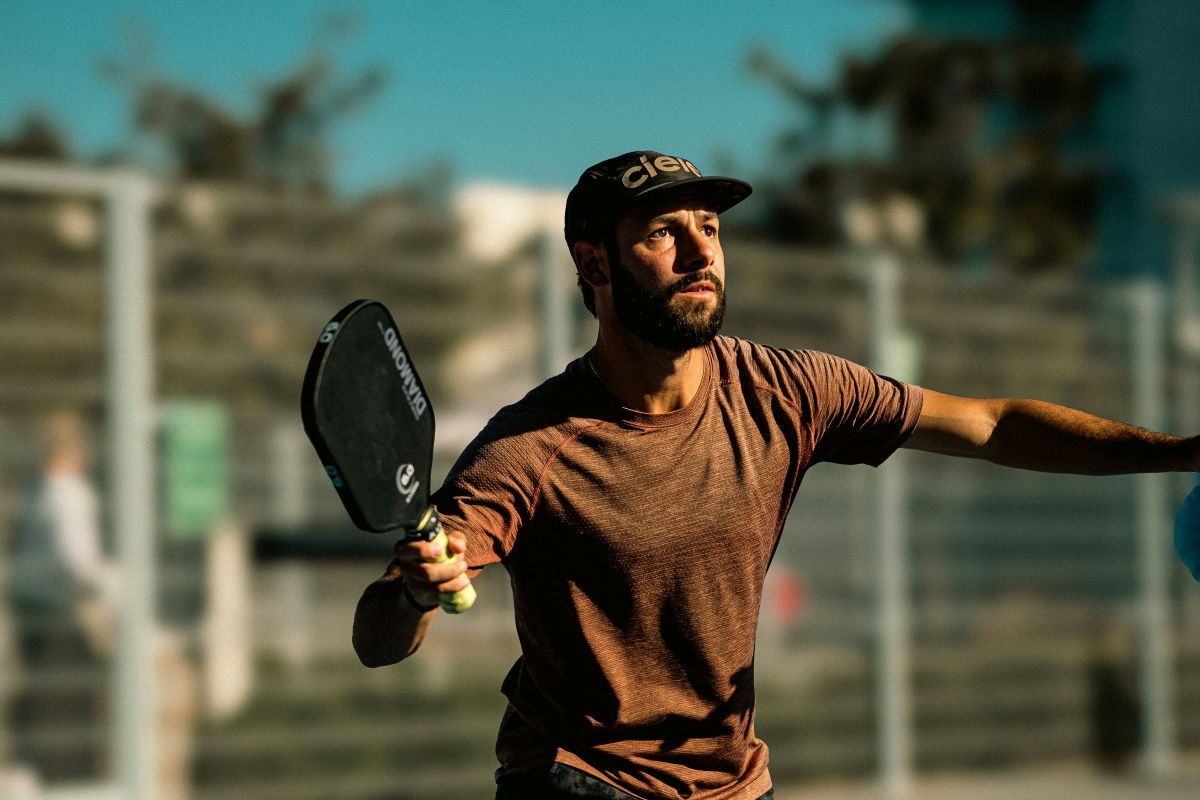
Winning doubles pickleball requires disciplined shot selection.
Purposeful Dinking
Effective dinking applies pressure through patience and placement rather than speed.
Well-executed dinks move opponents laterally, force uncomfortable contact points, and gradually create openings at the kitchen line.
Over time, consistent dinking wears opponents down by requiring repeated adjustments in balance and positioning.
Key goals of purposeful dinking include:
- Moving opponents side to side to stretch court coverage
- Targeting low contact zones that limit offensive options
- Forcing opponents to reach, bend, and reset repeatedly
- Increasing the likelihood of errors without taking unnecessary risks
Identifying the Right Moments to Speed Up
Speed-ups are most effective when used selectively and with clear intent. Rather than forcing pace, successful teams wait for conditions that favor controlled aggression.
Ideal opportunities to speed up the ball include:
- Balls that sit above net height
- Opponents leaning forward or out of position
- Exposed body areas, particularly the dominant-side shoulder or feet
Targeting these areas reduces the chance of a clean counterattack and keeps offensive pressure on the opposing team.
Avoiding Low-Percentage Shots
High-level doubles play rewards discipline and smart decision-making. Attempting winners from defensive or neutral positions often leads to unforced errors and momentum shifts.
High-percentage strategy emphasizes:
- Maintaining control of the rally
- Prioritizing placement over power
- Waiting for clearly attackable balls
- Trusting patience to create better opportunities
By avoiding low-percentage shots, teams remain consistent, apply sustained pressure, and win points through structure rather than risk.
Tip 6: Defensive Strategy in Doubles Pickleball
Effective defense in doubles pickleball is proactive rather than reactive. Strong defensive teams do not simply survive pressure; they use control, anticipation, and patience to neutralize attacks and shift rallies back in their favor.
Blocking and Resetting at the Kitchen Line
Blocking and resetting are essential defensive skills when facing aggressive opponents. Instead of swinging at pace, players use soft hands and compact motions to absorb speed and guide the ball safely back into the kitchen.
Effective resets focus on:
- Relaxed grip pressure to reduce rebound speed
- Short, controlled swings that keep the ball low
- Placement into the non-volley zone to force upward replies
- Maintaining balance while absorbing pace
These techniques slow the rally and allow teams to regain stable positioning at the net.
Defending Against Speed-Ups
Speed-ups are designed to rush opponents into mistakes, but composed teams reduce their impact through preparation and positioning.
Key defensive priorities include:
- Keeping the paddle up and centered to protect reaction time
- Using stable footwork to stay balanced during rapid exchanges
- Protecting the middle, where most speed-ups are directed
- Avoiding oversized swings that increase error risk
Teams that remain calm during fast exchanges often force opponents to overhit or choose poor targets.
Turning Defense into Offense
Strong defense creates offensive opportunities. Well-executed blocks and resets produce softer balls that allow teams to step forward and reclaim net control.
Defensive patience leads to offense by:
- Forcing opponents out of attacking positions
- Creating neutral balls that invite advancement
- Shifting momentum through consistency rather than aggression
By viewing defense as a pathway to control rather than survival, doubles teams convert pressure into advantage and win more points consistently.
Tip 7: Playing as a Unit, Not Two Individuals
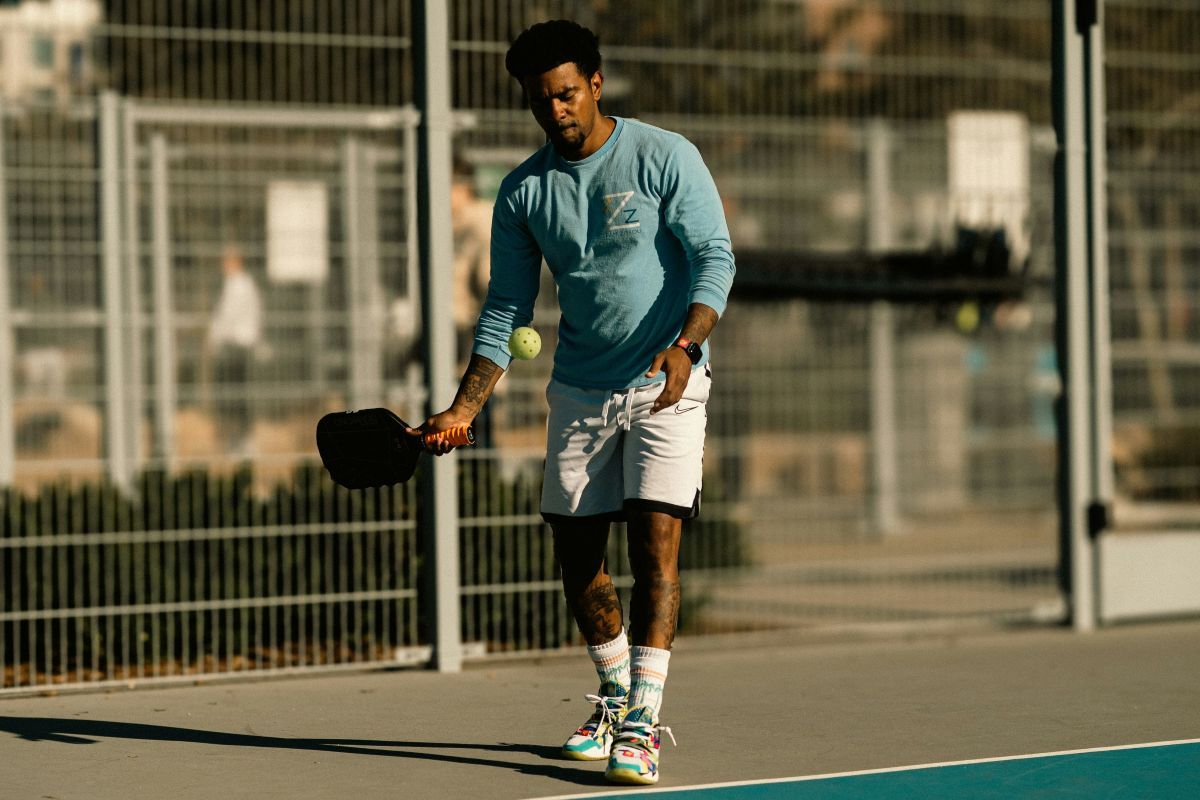
Long-term success in doubles pickleball depends on partnership cohesion rather than individual performance. Teams that function as a unified pair make cleaner decisions, cover the court more efficiently, and remain composed under pressure.
Playing as a unit requires awareness, role clarity, and trust built over time. Key elements of strong doubles partnership include:
- Understanding complementary strengths, such as one partner excelling at overheads while the other specializes in resets, dinks, or defensive play
- Adapting strategy to support each other, rather than forcing identical roles or shot selections
- Clearly defining responsibilities for overheads, lobs, and middle balls to eliminate hesitation
- Maintaining consistent positioning and movement, so both players react as a coordinated pair
- Building rhythm and trust through repetition, allowing instinctive decision-making during fast exchanges
Consistent partnerships develop shared instincts that cannot be replicated through sporadic play.
Structured practice, competitive matches, and intentional communication accelerate chemistry, enabling teams to anticipate each other’s movement and respond together as a single, cohesive unit.
Final Thoughts
Doubles pickleball consistently rewards patience, positioning, and true partnership.
Teams that control the non-volley zone, transition forward together, communicate with clarity, and commit to high-percentage shot selection gain a sustainable advantage over opponents who rely primarily on aggression.
Success at higher levels is built on disciplined decision-making, trust between partners, and the ability to apply pressure through structure rather than force.
For players looking to develop these skills in meaningful match environments, Bounce provides access to doubles-focused coaching, leagues, and organized play in local communities.
Whether strengthening fundamentals or refining competitive strategy, Bounce connects players with the right opportunities to improve faster, play smarter, and build stronger, more consistent doubles partnerships.