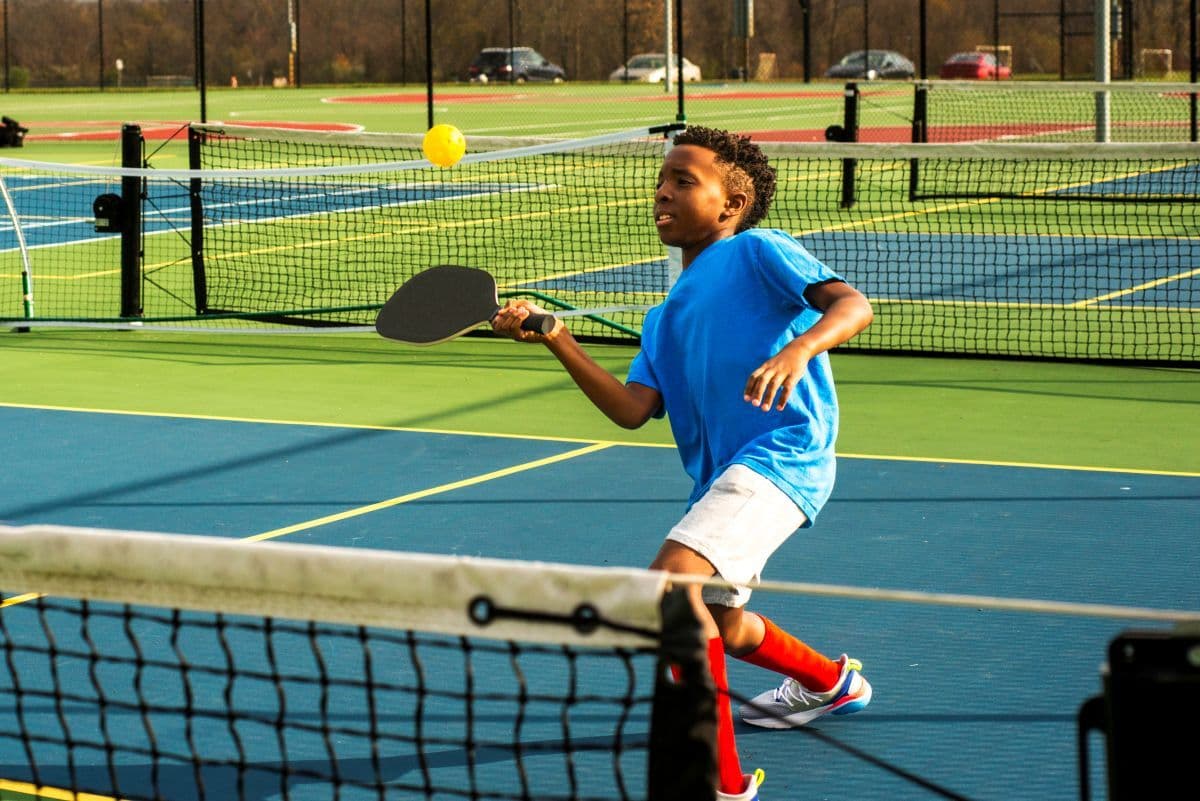
If you’re wondering whether pickleball for kids is actually a good idea, the answer is yes for a lot of families. It is easy to learn, less intimidating than many traditional racket sports, and social enough that kids often enjoy it quickly. For beginners especially, that combination matters.
Pickleball works well for children because it blends movement, coordination, and simple strategy without creating a huge barrier to entry. The court is smaller than a tennis court, the paddle is easier to manage than a full tennis racket for many beginners, and rallies can start sooner. That gives kids more early success, which often means more fun and less frustration.
It is also a sport that can grow with them. A child can start by learning basic movement and simple rallies, then later build better footwork, decision-making, teamwork, and match confidence. That makes pickleball a strong option whether your goal is active play, family recreation, or a more structured youth sport.
Why pickleball works so well for children
One of the biggest reasons kids respond well to pickleball is that the game feels approachable from the start.
In many sports, beginners spend a long time struggling just to keep the ball in play. Pickleball tends to give kids a quicker sense of progress. The paddle is compact, the underhand serve is less overwhelming than an overhand tennis serve, and the smaller court means children do not need the same amount of strength or court coverage to have a real rally.
That early success matters. According to the CDC’s guidance on physical activity for children and teens, kids ages 6 to 17 need at least 60 minutes of physical activity per day. Sports are often easier to stick with when they feel enjoyable, achievable, and social. Pickleball checks those boxes well.
The sport also supports a wide range of benefits parents already care about. The CDC’s overview of health benefits for children highlights improved brain health, stronger muscles and bones, and better overall physical fitness as part of regular activity. Pickleball is not magic, but it can absolutely be one practical, enjoyable way to help kids move more often.
It is easier to start than many parents expect
Another reason pickleball for kids makes sense is that the learning curve is friendly.
Children do not need a long technical foundation before they can participate. They can start by learning how to hold the paddle, track the ball, move into position, and rally with simple targets. That makes the sport especially useful for families who want something active without the pressure of highly specialized training right away.
This matters because enjoyment and confidence are often what keep kids involved. The American Academy of Pediatrics notes in its report on organized sports for children and adolescents that fun, development, and progress matter more than a win-first mindset, and that “sport sampling” can help children build skills while reducing burnout and injury risk.
Pickleball fits that model well. A child can play casually with family, try beginner lessons, join a school or community program, or add it alongside other sports instead of committing to one intense path too early.
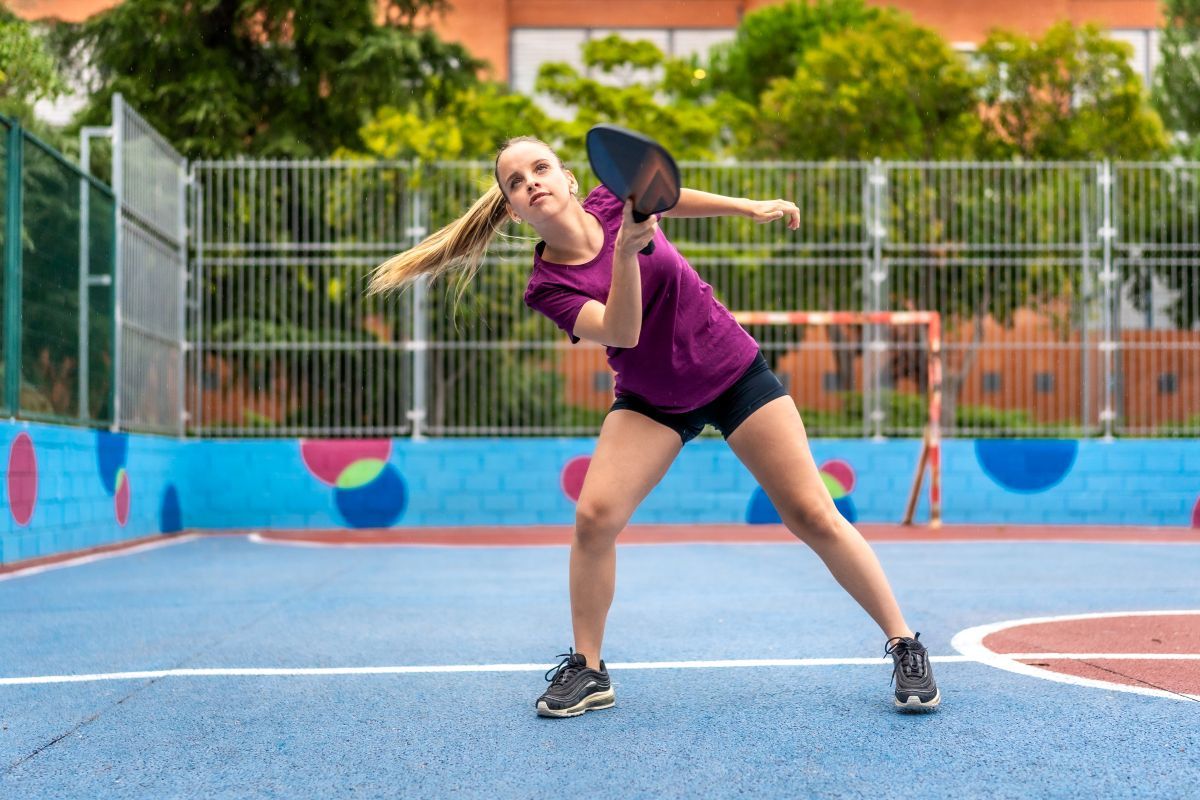
The biggest benefits of pickleball for kids
1. It builds coordination without overwhelming them
Pickleball asks kids to track the ball, judge bounce, time contact, and recover for the next shot. Those are useful athletic skills, but the game usually teaches them in a manageable way.
Because the court is smaller and the rally pace is often easier to read than in tennis for brand-new players, kids can work on hand-eye coordination and movement patterns without feeling lost.
2. It encourages social play
Pickleball is naturally social. Doubles is common, games are short enough to rotate players, and the sport works well in mixed-skill settings. For children, that can make the game feel more welcoming and less isolating.
This is especially helpful for kids who are not immediately drawn to high-pressure team sports. Pickleball gives them a way to participate, cooperate, and compete lightly without needing to be the fastest or most aggressive athlete in the group.
3. It supports confidence through fast wins
A lot of kids stay engaged when they can feel improvement early. In pickleball, that might mean learning to serve legally, keeping a five-shot rally alive, or understanding where to stand in doubles. Those are small wins, but they matter.
If you compare that to sports where children can spend weeks just trying to execute one difficult technical skill, it is easy to see why pickleball often feels rewarding sooner.
4. It can grow from recreation into skill development
Pickleball can start as backyard fun or family activity and then become more structured when a child is ready. USA Pickleball’s junior and youth pickleball page shows that youth pathways already exist for kids who want tournaments, age-based divisions, and more organized competition.
That flexibility is one of the sport’s strengths. Not every child needs a heavy competition track. Some just need a fun way to move and play. Others eventually want coaching, drills, and junior events. Pickleball can support both.
What age can kids start pickleball?
There is no one perfect age, because it depends on the child’s coordination, attention span, and interest.
Many children can start learning basic pickleball concepts in elementary school with modified equipment, shorter sessions, and simple games. The key is not making the sport too formal too soon. Younger kids usually respond best when the focus stays on movement, fun, and contact with the ball rather than strict tactics or scoring details.
For older children, especially those already comfortable with sports, pickleball can become more structured quickly. They can learn positioning, shot selection, basic doubles strategy, and how to compete respectfully.
The most important question is not “What is the exact right age?” but “Is this child ready to enjoy it?” If the answer is yes, start light and build from there.
How parents can make the first experience better
The first few sessions matter a lot. A good start usually has less to do with performance and more to do with setup.
Keep expectations simple. The goal does not need to be full games right away. It can be rallying, serving into a target area, or learning how the bounce works. Let kids feel success early.
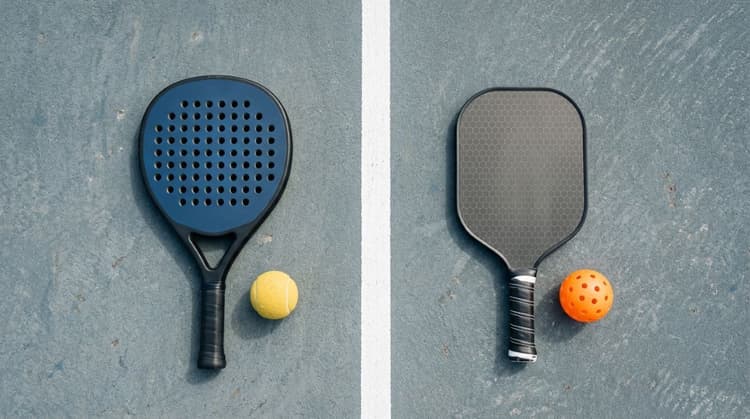
It also helps to use gear that matches their stage. A beginner does not need advanced equipment. A comfortable grip, a manageable paddle, and the right court environment go a long way. Bounce’s pickleball equipment guide is a useful place to start if you are unsure what matters most for a child’s first setup.
Parents can also keep sessions short, especially in the beginning. A child who ends practice wanting five more minutes is in a much better place than a child who leaves tired, frustrated, or overloaded.
When coaching helps
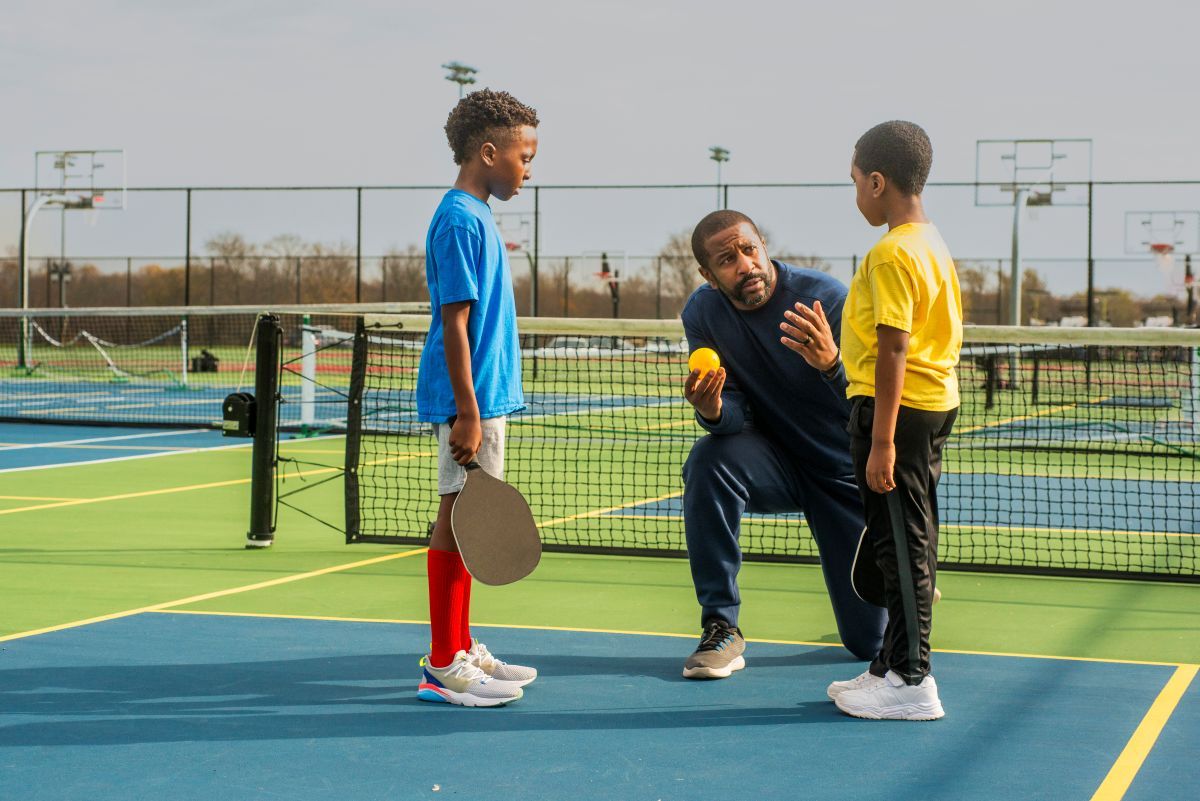
Kids do not always need formal coaching immediately, but good instruction can speed up confidence.
That is especially true if a child likes the sport and wants to keep improving. A coach can help with grip, footwork, spacing, rally habits, and the kinds of movement patterns that are easier to learn early than correct later. The goal is not to make things intense. It is to make learning smoother.
For families who want more structure, Bounce can be a practical next step for finding lessons, courts, or junior-friendly ways to play more often. And if your child starts getting curious about how the game works beyond the basics, guides like Bounce’s pickleball shots guide or its broader collection of pickleball and tennis articles on the Bounce blog can help parents support that next stage.
Remote coaching can also be worth considering for motivated juniors or busy families. Bounce’s remote pickleball lessons page is relevant if you want flexible feedback without needing to line up every session in person.
Is pickleball better than tennis for kids?
Not always. But for many beginners, it can be easier to enjoy right away.
Tennis is a great sport, and some kids will absolutely prefer it. But pickleball often feels less physically demanding at the beginner stage because the court is smaller and the technical entry point is more forgiving. That can make it a better first racket sport for some children, especially those who need early wins to stay engaged.
It is also okay not to turn this into a hard either-or choice. The AAP’s youth sports guidance supports sport sampling, and the Aspen Institute’s Project Play has also emphasized keeping youth sports fun, accessible, and development-focused. A child can try pickleball, tennis, soccer, or swimming without needing to lock into one identity too early.
For a lot of families, that may be the best approach. Let kids discover what they enjoy, where they feel comfortable, and which sport makes them want to come back.
FAQs
Is pickleball good for kids?
Yes. Pickleball is a strong option for many children because it is approachable, social, and easier to learn than some other racket sports at the beginner level.
What age can kids start pickleball?
Many kids can start in elementary school with simple games, shorter sessions, and age-appropriate instruction. Readiness depends more on interest and coordination than on one exact age.
Why is pickleball for kids becoming more popular?
Because it is fun, accessible, and easy to start. Kids can rally sooner, parents can learn alongside them, and programs can adapt the game for different ages and skill levels.
Does pickleball help children stay active?
Yes. It can be one enjoyable way for children to build movement, coordination, and regular physical activity as part of an overall active lifestyle.
Do kids need special pickleball equipment?
Not much at first. A beginner-friendly paddle, balls, and access to a suitable court are usually enough to get started comfortably.
Should kids take lessons right away?
Not always. Some children do well starting casually with family or school programs. Lessons become more useful when a child wants more structure, better technique, or steady improvement.