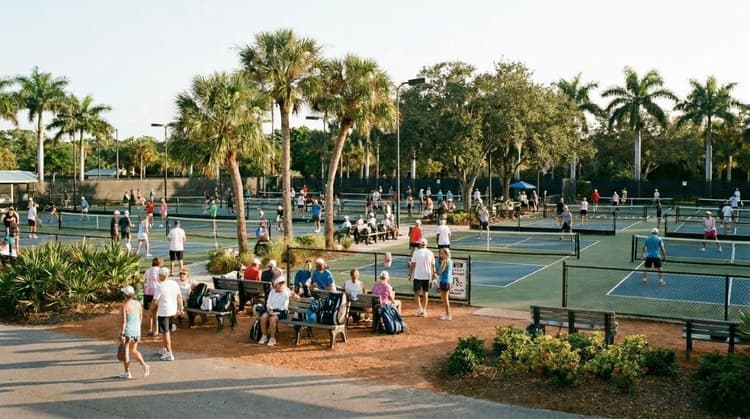
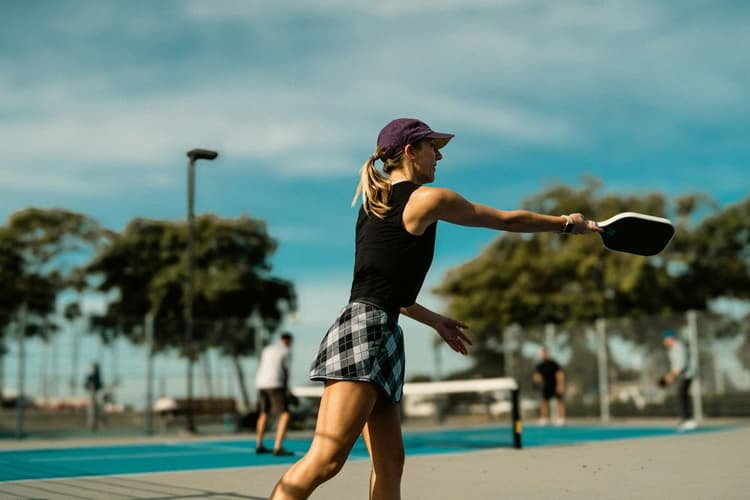
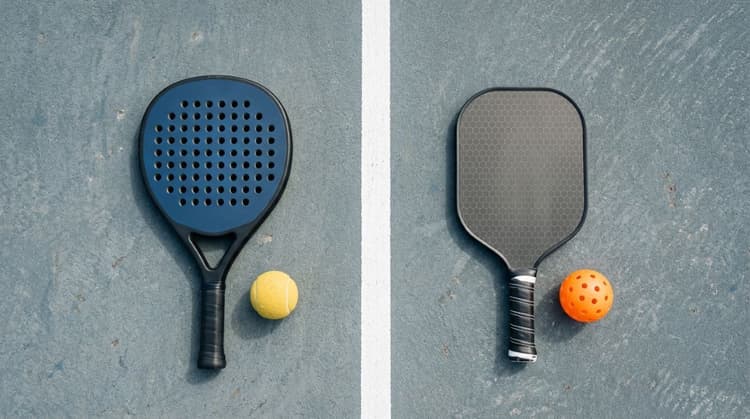
The serve in pickleball begins every rally and establishes the tempo of the point. While it does not immediately win points as frequently as in other racket sports, a well-executed serve creates immediate pressure, limits the returner’s options, and positions the serving team to control the third shot.
Players who treat the serve as a simple formality often plateau. Players who treat it as a strategic weapon steadily gain an advantage.
Strong serving is built on consistency first, controlled power second, and intelligent variation third. This progression allows players to reduce unforced errors, apply pressure through depth and placement, and expand into spin and pace once the foundation is reliable.
Mastering these pickleball serve tips requires attention to mechanics, awareness of tactical positioning, and deliberate practice habits.
Understanding the Fundamentals of a Legal and Effective Pickleball Serve
Before exploring advanced pickleball serve tips, players must master the rules and technical foundations that define a legal serve. Even minor violations can lead to faults that undermine momentum.
Under official rules, the serve must be executed with an underhand motion. The paddle must contact the ball below the waist, defined as the navel level, and the paddle head must remain below the wrist at the moment of contact. The serve must travel diagonally and land within the opponent’s service court, clearing the non-volley zone completely.
A strong technical base begins with grip and stance. The continental grip is widely recommended because it allows smooth transitions between serves, groundstrokes, and volleys. Foot positioning should provide balance and forward weight transfer. The back foot anchors stability while the front foot guides directional alignment toward the target service box.
Contact point consistency is critical. Striking the ball slightly in front of the body promotes forward momentum and cleaner ball flight. Players who contact too close to the hip or too far behind often lose control.
Developing a repeatable motion reduces variability and increases confidence under pressure.
Key fundamentals include:
- Balanced stance with stable base
- Smooth, controlled backswing
- Forward weight transfer through contact
- Full follow-through toward the target
When these elements become automatic, players can focus on strategy rather than mechanics.
Pickleball Serve Tips for Consistency (High-Percentage Foundations)
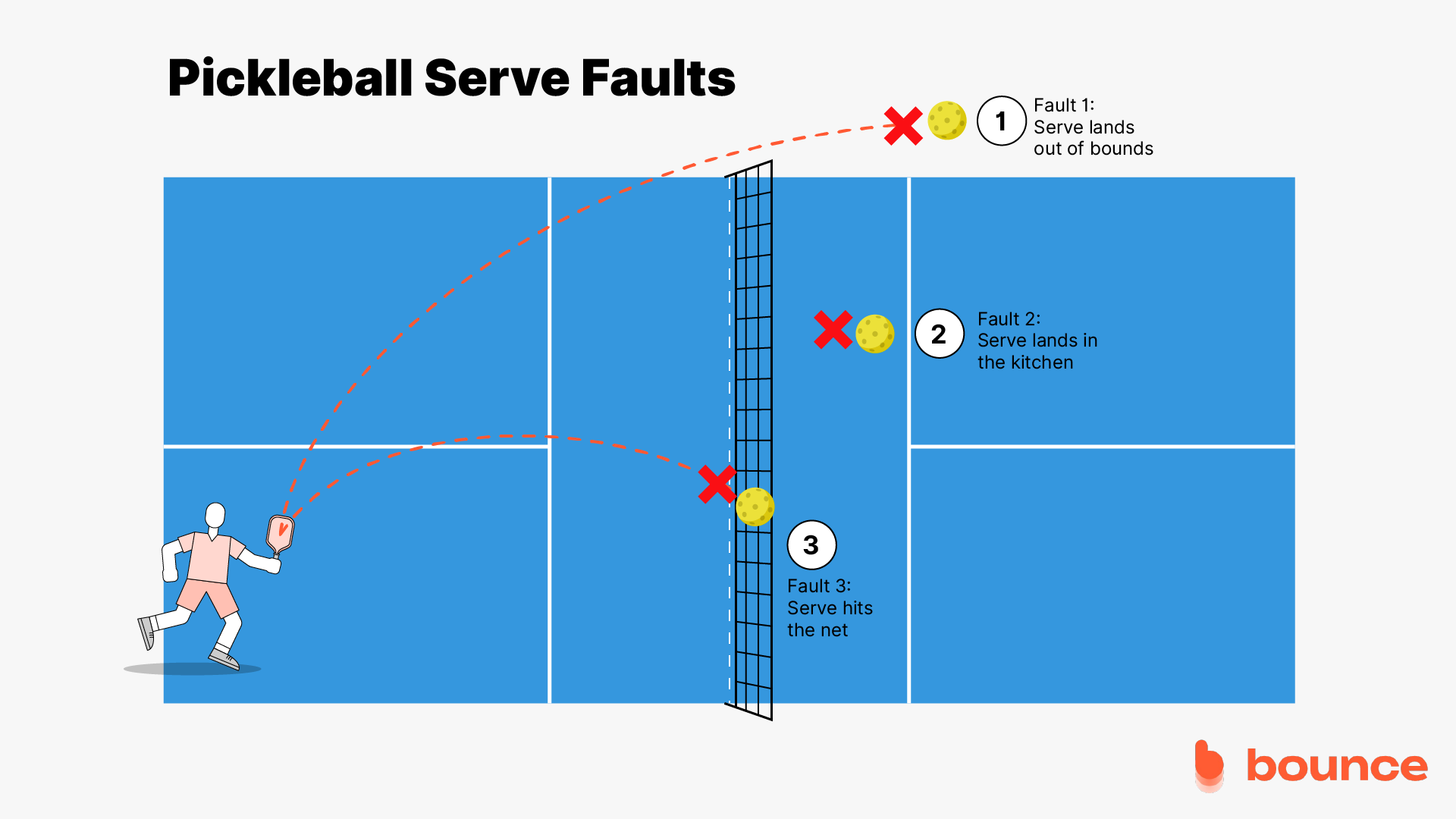
Consistency is the foundation of effective serving. A missed serve is an immediate lost opportunity. Reliable placement and depth apply pressure without excessive risk.
Tip 1: Prioritize Depth Over Speed
A deep serve forces the returner to strike from farther behind the baseline. This reduces their ability to step forward and attack. Depth also increases the difficulty of producing a controlled return that lands deep in response.
Consistently landing serves within two to three feet of the baseline limits aggressive third-shot positioning by the receiving team. While speed can be helpful, depth produces greater long-term results at most skill levels.
To improve depth:
- Aim visually for the back third of the service box.
- Use higher net clearance for safety margin.
- Emphasize forward momentum through contact.
Depth transforms the serve from neutral to strategic.
Tip 2: Develop a Repeatable Service Motion
Simplicity increases reliability. Complex motions introduce timing inconsistencies that lead to faults. A compact backswing, steady tempo, and controlled follow-through create repeatable results.
Players should avoid excessive wrist flicking or abrupt acceleration. Instead, focus on smooth paddle acceleration generated from the shoulder and core. Rhythm matters. A consistent pre-serve routine - such as bouncing the ball once and setting the feet - builds mental stability.
Repetition under structured conditions accelerates progress. Many players use Bounce to find local clinics that focus specifically on technical refinement. Working with a coach helps eliminate small mechanical inefficiencies before they become ingrained habits.
Tip 3: Aim for the Backhand Early and Often
Targeting the opponent’s backhand remains one of the most effective pickleball serve tips across skill levels. Most players generate less power and control from the backhand side compared to the forehand.
In doubles, serving toward the outside backhand corner forces cross-court returns that travel longer distances. In singles, directing the serve wide to the backhand opens space for the next shot.
Intentional targeting requires observation. During warm-up or early points, note opponent tendencies. Adjust placement accordingly rather than serving randomly.
Tip 4: Use a Pre-Serve Routine to Improve Accuracy
Consistency extends beyond mechanics. A brief pre-serve routine stabilizes focus and reduces tension. This routine should be simple and repeatable.
Elements of an effective routine:
- Set feet deliberately behind the baseline.
- Take one controlled breath.
- Visualize the intended landing zone.
- Commit fully to the swing.
Players who skip this reset often rush under competitive conditions. Discipline between points preserves serving accuracy deep into matches.
Pickleball Serve Tips for Adding Controlled Power
Once consistency is reliable, adding controlled pace increases pressure. Power without control leads to faults. Power integrated into solid mechanics elevates performance.
Tip 5: Generate Power from the Legs and Core
Arm-dominant serves limit both power and control. True pace originates from the lower body. A stable base allows energy to transfer upward through the kinetic chain.
Begin with slight knee flexion. Shift weight forward as the paddle moves through contact. Engage the core to stabilize rotation. This coordinated movement produces more pace with less strain.
Players who focus solely on arm speed often sacrifice depth. Integrating lower-body mechanics produces heavier, more penetrating serves.
Tip 6: Improve Paddle Acceleration Without Losing Control
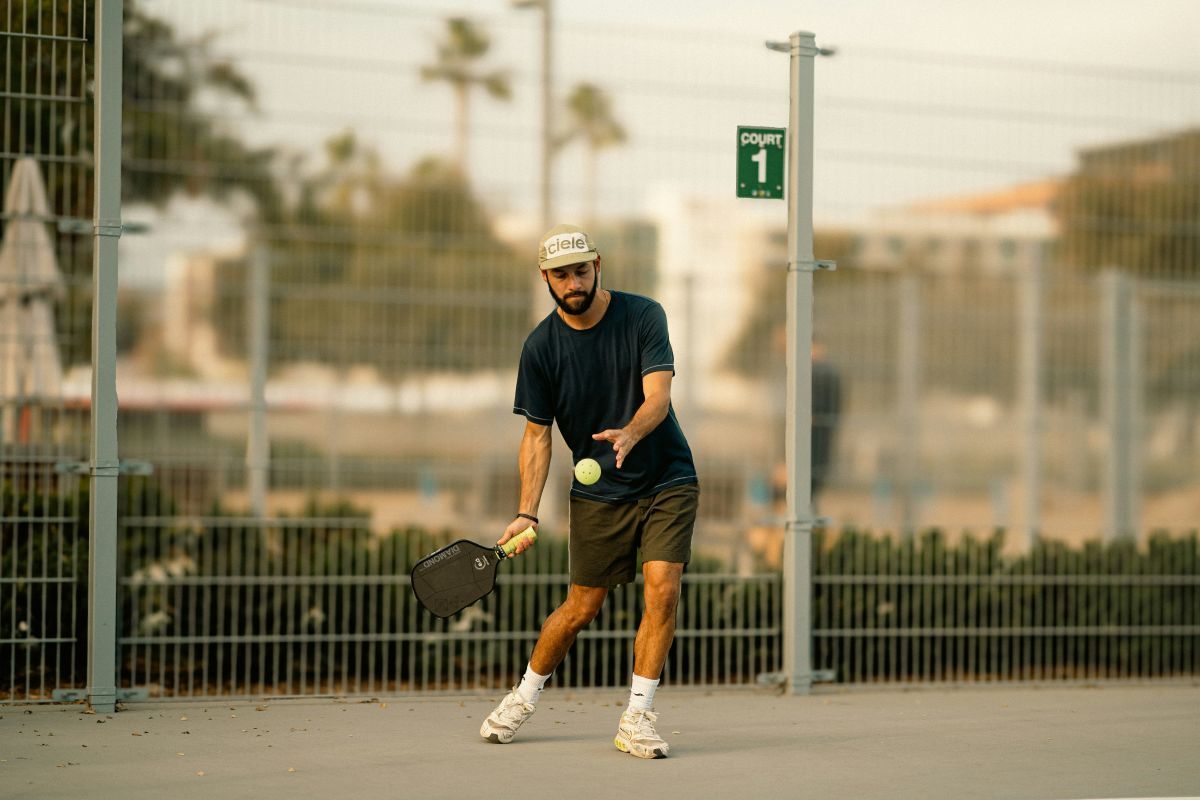
Acceleration should occur gradually through contact rather than in a sudden burst. A smooth increase in paddle speed maintains balance and reduces mishits.
Follow-through direction influences accuracy. The paddle should extend toward the intended target, not wrap abruptly across the body. Balanced finishes allow quicker recovery positioning for the third shot.
Key reminders:
- Maintain eye focus on contact point.
- Avoid over-rotating the shoulders.
- Keep weight moving forward.
Controlled acceleration builds trust in more aggressive serves.
Tip 7: Master the Deep, Heavy Serve
A heavy serve combines depth with moderate pace and spin. The ball clears the net safely while descending late toward the baseline. This trajectory increases bounce height and reduces the receiver’s attack window.
Net clearance should remain consistent. Aiming too low increases fault risk. Aiming too high reduces pressure. Finding the optimal arc requires repetition.
Advanced Pickleball Serve Tips for Spin and Variation
Variation prevents predictability. Once depth and power are consistent, adding spin and placement diversity keeps opponents guessing.
Tip 8: Add Topspin for Higher Bounce and Margin
Topspin enhances both control and bounce. Brushing upward along the back of the ball creates forward rotation. This rotation causes the ball to dip into the court while jumping higher after impact.
Advantages of topspin:
- Increased net clearance safety.
- Sharper downward trajectory.
- Higher bounce that pushes opponents back.
Proper mechanics require a low-to-high paddle path. Contact should remain below the waist to maintain legality. Practicing topspin gradually ensures consistency before increasing speed.
Tip 9: Incorporate Slice Serves for Wide Angles
Slice introduces lateral movement. Brushing across the outside of the ball creates sidespin that pulls the serve wide upon landing. This technique is especially effective in singles where open court space is more valuable.
Slice serves force opponents off balance and create weaker returns. However, excessive slice without depth reduces effectiveness. Balance placement and spin for best results.
Executing slice consistently requires controlled wrist positioning and precise contact timing. Players benefit from technical feedback during this development phase.
Tip 10: Develop a Short or Surprise Serve
Occasional short serves disrupt rhythm when used strategically. These serves land shorter in the service box, forcing opponents to adjust footwork unexpectedly.
Short serves carry risk. Overuse reduces effectiveness. Proper timing - such as after multiple deep serves - maximizes surprise value.
Key considerations:
- Maintain identical pre-serve mechanics.
- Avoid telegraphing intent.
- Recover quickly for the next shot.
Variation enhances serving identity without sacrificing reliability.
Singles vs Doubles: Adjusting Your Pickleball Serve Strategy
Serving strategy shifts significantly between singles and doubles because court coverage, positioning, and return dynamics change.
In singles, the server defends the entire court alone. In doubles, responsibilities are shared, but coordination becomes critical. Understanding these distinctions allows players to apply the right type of pressure without increasing unnecessary risk.
The table below summarizes the key tactical differences and adjustments between singles and doubles serving strategies:
| Category | Singles Strategy | Doubles Strategy |
| Primary Objective | Stretch opponent and create open court | Initiate rally with minimal risk |
| Depth Priority | Very high – push opponent deep | High – limit attacking returns |
| Width Usage | Aggressive wide serves to open angles | Selective – avoid overexposing position |
| Pace Tolerance | Higher pace acceptable | Moderate pace preferred for consistency |
| Targeting Focus | Open space and weaker wing | Backhand and middle seam |
| Risk Level | Moderate to high depending on score | Low to moderate |
| Post-Serve Movement | Recover centrally and anticipate wide return | Advance with partner and prepare for third shot |
| Score-Based Adjustments | Increase aggression when leading | Protect lead with high-percentage serves |
Common Serving Mistakes That Cost Points
Even technically sound players lose points on serve because of avoidable habits and lapses in discipline. Most serving mistakes stem from impatience, tension, or small mechanical breakdowns that compound under pressure.
Identifying these patterns early allows players to correct them before they become ingrained and costly during competitive play.
Serving Too Short
- Landing serves in the front half of the service box gives opponents an opportunity to step forward.
- Short serves reduce reaction time for the serving team and invite aggressive returns.
- Maintaining consistent depth toward the back third of the box reduces this vulnerability.
Over-Swinging Under Pressure
- Attempting to add excessive pace late in games increases fault rates.
- Tension in the arm and shoulder disrupts timing.
- Controlled acceleration and steady tempo preserve reliability in high-stakes moments.
Predictable Placement Patterns
- Repeatedly serving to the same target allows opponents to anticipate returns.
- Lack of variation makes it easier for receivers to prepare aggressive responses.
- Mixing depth, spin, and direction increases uncertainty.
Poor Balance After Contact
- Falling backward or drifting off-line delays recovery for the third shot.
- Lack of forward weight transfer reduces both power and accuracy.
- A stable, balanced finish improves court positioning immediately after the serve.
Rushing the Pre-Serve Routine
- Skipping a consistent reset between points leads to inconsistent mechanics.
- Serving too quickly often reflects frustration or scoreboard pressure.
- A deliberate routine stabilizes focus and rhythm.
Ignoring Opponent Tendencies
- Failing to adjust placement based on opponent weaknesses wastes strategic opportunities.
- Serving into an opponent’s strength repeatedly increases return quality.
- Observing and adapting throughout the match sharpens serving effectiveness.
Correcting these mistakes often requires objective feedback. Video review can reveal subtle timing issues or balance flaws that are difficult to detect in real time.
Many players use Bounce to find qualified coaches who specialize in serve mechanics and competitive strategy. Personalized instruction helps identify inefficiencies and replace them with repeatable, high-percentage habits.
Eliminating these common errors transforms the serve from a liability into a reliable advantage and strengthens overall match performance.
Final Thoughts
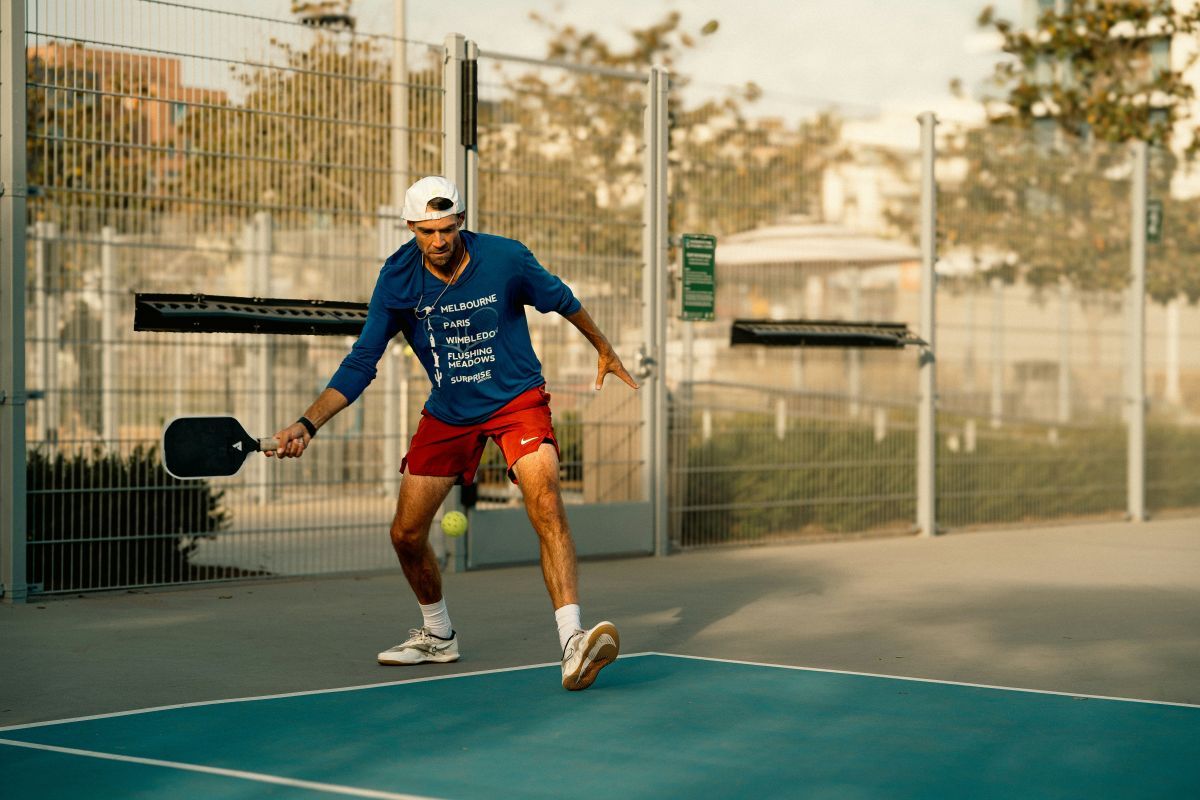
Mastering effective pickleball serve tips requires discipline and intentional progression. Consistency forms the base, controlled power builds pressure, and thoughtful variation creates strategic advantage. Players who commit to this progression reduce unforced errors and expand their offensive potential.
Serving should never feel rushed or casual. Each point begins with an opportunity to establish control. A composed routine, reliable depth, and intelligent targeting produce steady gains over time.
Improvement accelerates when practice is combined with structured competition. Bounce connects players with local coaches, leagues, and clinics designed to transform technical adjustments into repeatable performance.
Players seeking long-term progress benefit from deliberate repetition, feedback, and competitive exposure. By applying these pickleball serve tips consistently and engaging with organized training opportunities, serving evolves from a basic requirement into a dependable competitive asset.