If you’re comparing pickleball vs badminton, the easiest way to think about it is this: both are net sports with plenty of touch and strategy, but they feel very different once you actually play. Pickleball is built around a plastic ball, a solid paddle, and a smaller movement pattern. Badminton uses a shuttlecock, a strung racket, and a much faster, more reactive rally style.
That difference changes almost everything. Pickleball tends to feel more stable and easier to read at the beginner level. Badminton often feels lighter, quicker, and more explosive because the shuttle slows down and drops sharply in ways a ball does not. So while the two sports can look loosely related from a distance, the on-court experience is not the same.
For most recreational players, the real question is not which sport is “better.” It is which one feels more fun, more accessible, and more natural for the way you like to move and compete.
The biggest difference starts with the object you hit
The biggest separator in pickleball vs badminton is the thing you’re striking.
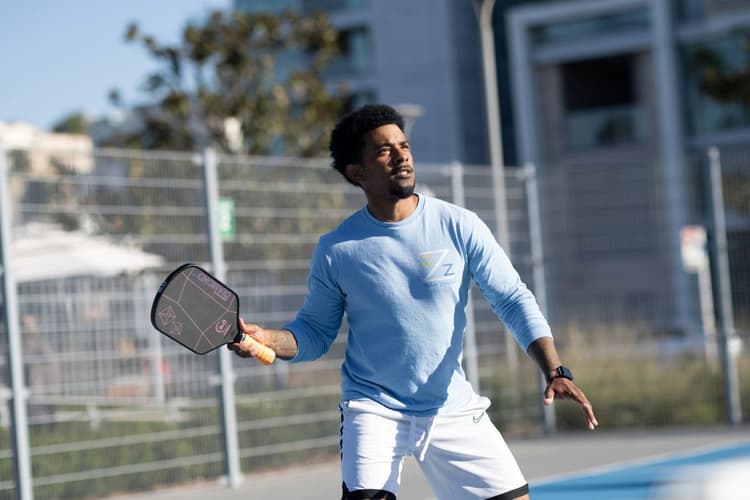
In pickleball, you hit a perforated plastic ball with a solid paddle. In badminton, you hit a shuttlecock with a lightweight strung racket. That one difference shapes the speed, timing, and rhythm of almost every rally.
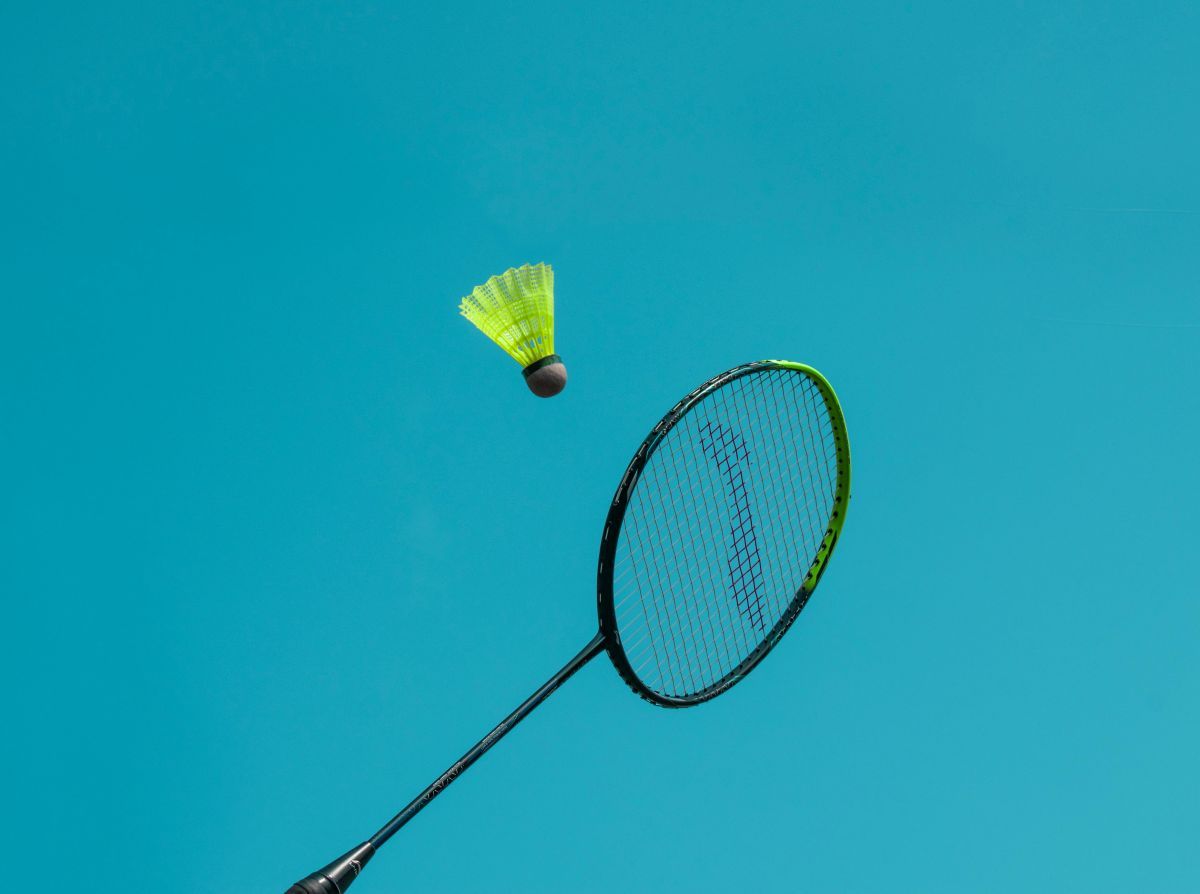
A pickleball travels in a more predictable path. It still rewards touch and control, but new players can usually track it more easily. A shuttlecock behaves differently. It can move fast off the racket, then lose speed and drop abruptly. That makes badminton feel more delicate in one moment and more explosive in the next.
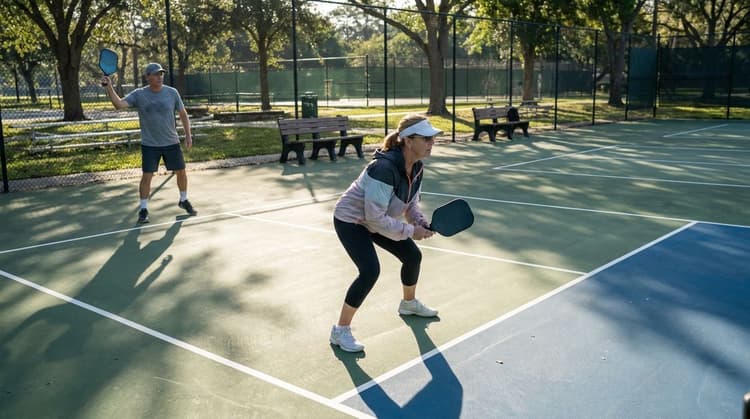
The court setup reinforces that contrast. Under the USA Pickleball rules, a standard pickleball court is 20 by 44 feet for both singles and doubles, and it includes the non-volley zone, better known as the kitchen.
In badminton, the Britannica badminton overview notes that the court is also 44 feet long, but it is 17 feet wide for singles and 20 feet wide for doubles, and there is no kitchen-style zone limiting volleys near the net. Those structural differences push the sports toward different patterns of play.
Rules: pickleball is more structured at the start of each point
The first few shots of a rally feel very different in the two sports.
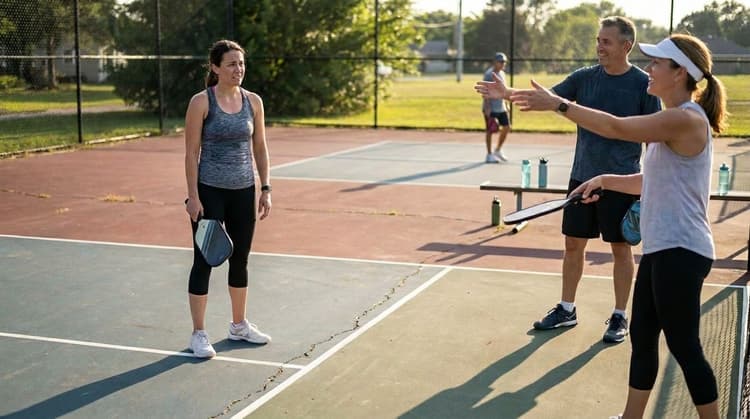
In pickleball, the serve is underhand, it must go diagonally crosscourt, and the rally starts with the two-bounce rule. That means the return of serve has to bounce, and the next shot has to bounce too before either side can start volleying. The kitchen adds another layer because players cannot volley while standing in that zone. All of that slows the opening phase of the point and creates a more structured transition into the rally.
Badminton starts faster. According to the BWF simplified rules, a match is best of three games to 21 points, with rally scoring on every serve. There is no bounce phase at all. Once the shuttle is in play, the rally is entirely airborne until the point ends. That makes badminton feel more immediate and more reactive.
Scoring adds another difference. Recreational pickleball is most often played to 11, win by 2, with points usually scored only by the serving side. Badminton uses rally scoring, so every rally adds a point to somebody’s total. Many casual players feel this difference right away: badminton feels more continuous on the scoreboard, while pickleball has a more distinct serving rhythm.
Gear: badminton is lighter, pickleball is easier to decode
Equipment is another major part of the comparison.
Pickleball gear is usually simpler for beginners to understand. You need a paddle, a ball, court shoes, and a place to play. There are still differences between paddles, but the learning curve around gear is usually manageable. If you are leaning toward pickleball, Bounce’s pickleball equipment guide is a practical place to sort out what matters for a first setup.
Badminton equipment feels more specialized earlier. The racket is lighter, the strings matter more, and the shuttle is much more sensitive than a pickleball, especially if there is airflow in the space. That is one reason badminton is most often played indoors at any serious level. The shuttle’s flight can change too much in wind for the game to feel consistent.
This does not make badminton gear harder in a bad way. Some players love the feel of a light racket and the precision that comes with it. But for a beginner who just wants to get started without overthinking equipment, pickleball often feels more straightforward.
Gameplay: one feels steadier, one feels sharper
This is where preference really takes over.
Pickleball rallies often feel more readable. The ball comes off the paddle in a way that most beginners can track fairly quickly, and the smaller court encourages shorter recovery steps and more compact movement. As players improve, the game becomes deeply strategic, especially around the kitchen, resets, and shot selection. Bounce’s pickleball shots guide is useful here because it helps show how the sport evolves beyond simple rallying.
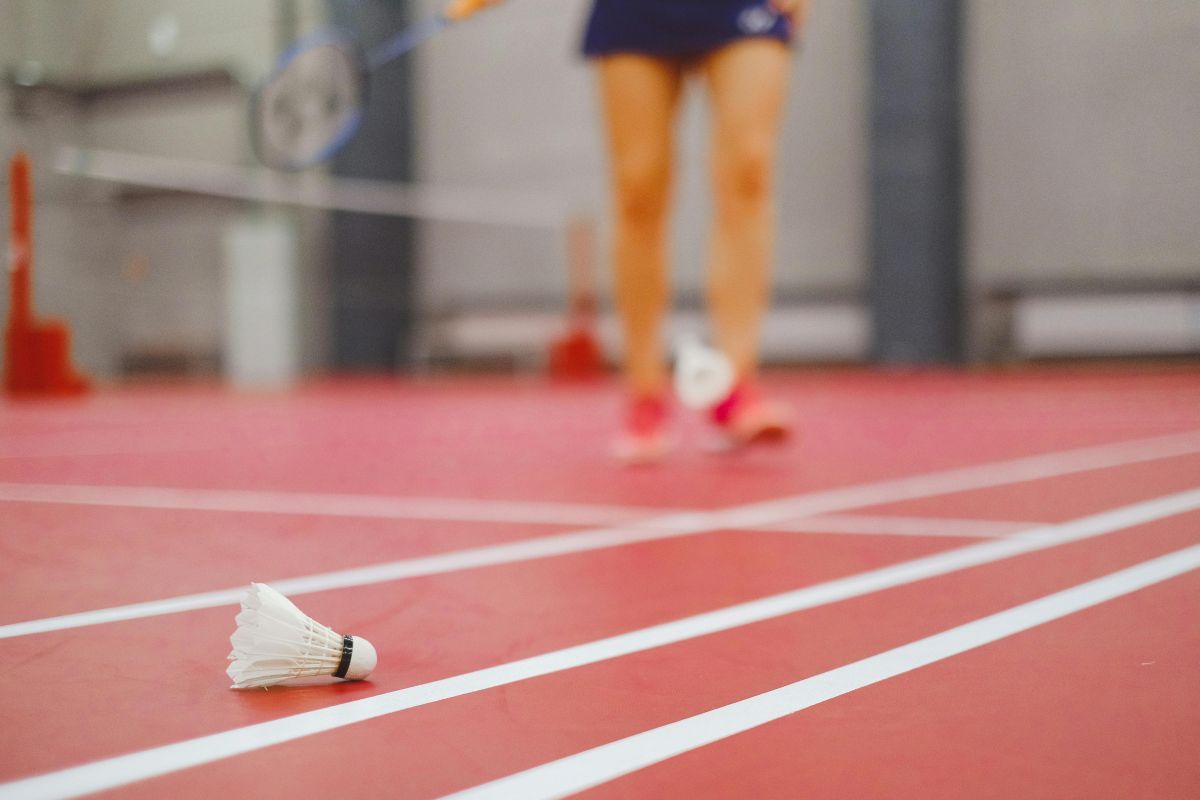
Badminton feels faster in a different way. Because the shuttle can be hit high, steep, soft, or hard in quick succession, rallies often ask for sharper reaction speed and more explosive recovery. Overheads matter more. Angle changes matter more. The game can go from controlled to frantic in one exchange.
Movement patterns are also different. Pickleball relies on compact lateral movement, quick balance adjustments, and strong positioning close to the non-volley zone. Badminton often demands deeper lunges, faster changes of direction, and more repeated overhead recovery. So even though both are racket sports, the body experience is noticeably different.
If you like touch, patience, and smart court positioning, pickleball may feel more intuitive. If you like quick reactions, vertical movement, and a lighter, faster hitting feel, badminton may be more satisfying.
Which one is easier to learn?
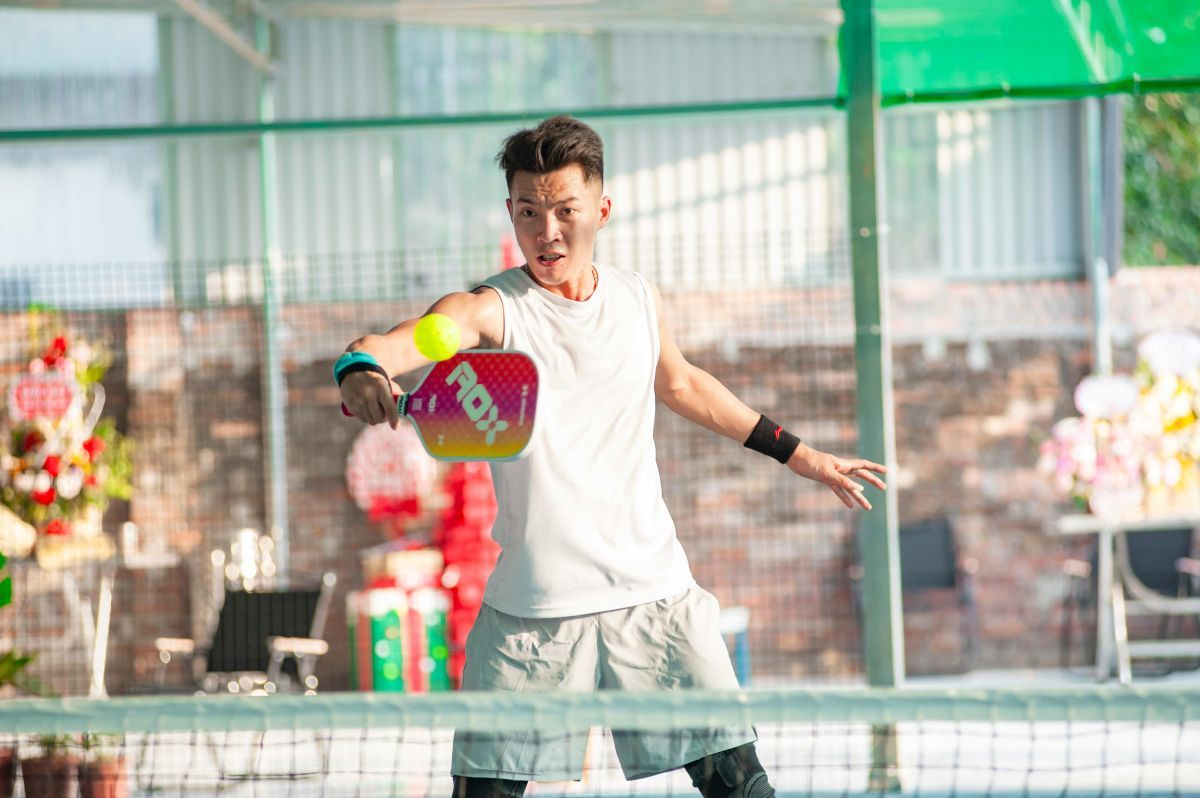
For many adults starting from scratch, pickleball is easier to enjoy quickly.
That does not mean badminton is hard to try. It means pickleball usually gives players earlier success. The underhand serve is easier for many beginners to repeat, the ball is more predictable than a shuttle, and the first playable rallies often come sooner.
Badminton can feel less forgiving at the start because timing the shuttle cleanly takes practice. If your spacing is off, the rally may end instantly. Poor footwork also gets punished fast, especially once the shuttle starts moving you front to back and side to side.
Still, easy to start and easy to master are not the same thing. Pickleball becomes very tactical at higher levels. Positioning, patience, and soft-game control matter a lot. So the better beginner sport is not automatically the simpler sport forever. It is just the one that often feels more accessible on day one.
Fitness and physical demand
Both sports can be excellent workouts, but they stress the body differently.
Badminton is often more explosive. It rewards quick reactions, repeated lunges, and sharper recovery after deep or angled shots. In singles especially, the movement demand can feel intense very quickly.
Pickleball still demands movement and reactions, but it often feels more manageable across a wider range of ages and fitness levels. That is one reason so many recreational players stick with it. You can have competitive, engaging rallies without needing the same level of repeated explosive movement that badminton often requires.
This matters for consistency. A sport you can comfortably play more often usually becomes the better fit over time than a sport you admire but rarely want to schedule.
Which sport should you try first?
If your goal is easy entry, stable rallying, and a lower-friction beginner experience, pickleball is usually the better first choice.
If your goal is speed, quick reactions, and a lighter racket sport that feels more explosive, badminton may be the better fit.
A lot of players will enjoy both. They overlap in touch, anticipation, and net-sport instincts. But they usually click for different reasons. That is why the best choice often comes down to access and feel rather than theory.
This is also the one place where Bounce fits naturally into the article. If pickleball sounds closer to what you want, Bounce can be a useful next step for finding courts, lessons, or ways to play more often. And if you are comparing from a tennis background rather than a badminton one, Bounce’s guide to transitioning from tennis to pickleball can help make that shift feel more intuitive.
FAQs
Is pickleball easier than badminton?
For many beginners, yes. Pickleball usually feels easier to rally in early because the ball is more predictable and the beginner entry point is more forgiving.
Is badminton faster than pickleball?
Usually, yes. Badminton rallies often feel quicker and more explosive because the shuttle changes speed and drops sharply.
Are pickleball and badminton courts the same size?
Not exactly. Both are 44 feet long, but pickleball uses a 20-by-44 court for both singles and doubles, while badminton uses a narrower court for singles and a wider one for doubles.
What is the biggest gameplay difference between pickleball and badminton?
Pickleball includes the two-bounce rule and the kitchen, which create a more structured start to the rally. Badminton has no bounce phase and usually feels faster through the air.
Is badminton an Olympic sport?
Yes. Badminton became an official Olympic sport at the 1992 Barcelona Games.
Which sport is better for recreational adults?
That depends on what you enjoy, but many recreational adults find pickleball easier to start, easier to access, and easier to play consistently.