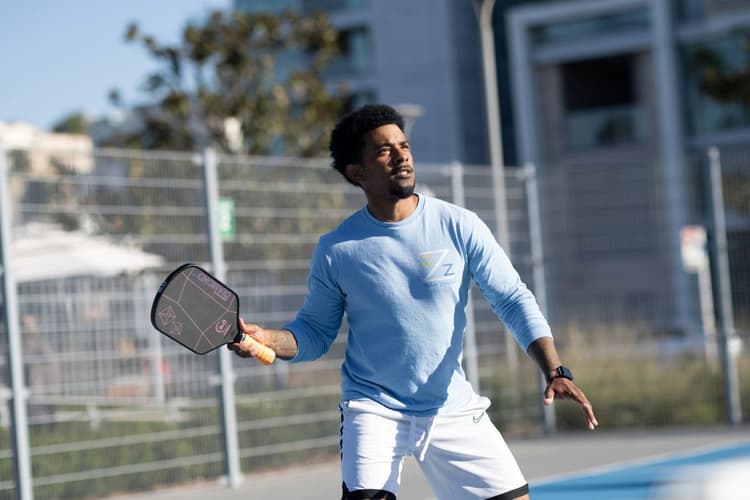
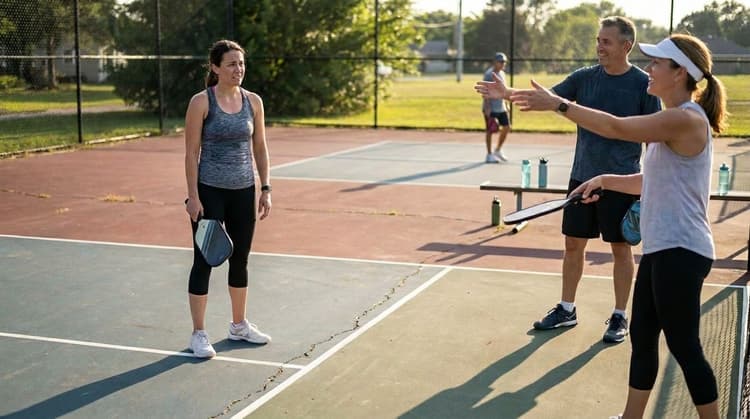
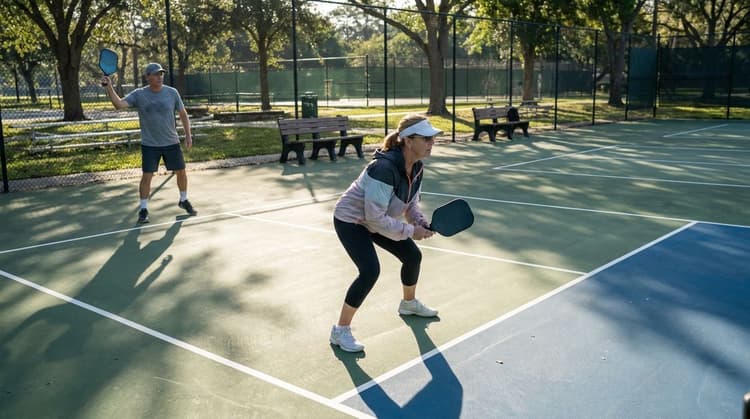
If you’re weighing racquetball vs pickleball, the quickest answer is that they appeal to very different kinds of players. Racquetball is faster off the walls, more enclosed, and usually more physically intense right away. Pickleball is easier for many beginners to rally in early, more social in doubles, and more structured around positioning and touch.
That does not mean one sport is automatically better. It means the better choice depends on what kind of experience you want. Some players love the nonstop reaction speed and enclosed-court feel of racquetball. Others prefer the more readable pace, kitchen strategy, and easier entry point of pickleball.
For most recreational adults, the best comparison comes down to four things: the court, the rules, the gear, and how the game actually feels once you start moving.
The biggest difference is the space you play in
The first major difference in racquetball vs pickleball is the court itself.
Pickleball is played on an open court with a net. Under the USA Pickleball rules, the standard court is 20 feet wide by 44 feet long for both singles and doubles, and it includes the non-volley zone, better known as the kitchen. That kitchen changes net play a lot because you cannot volley while standing inside it.
Racquetball is played inside an enclosed court with walls in play. According to USA Racquetball’s court specifications, a standard four-wall racquetball court is 20 feet wide, 40 feet long, and 20 feet high, with a back wall at least 12 feet high. That one fact changes the whole experience. In racquetball, the walls are part of the rally. In pickleball, the court boundaries end the point.
That alone makes the sports feel fundamentally different. Pickleball creates more open-court positioning decisions. Racquetball creates more reaction-based angles, wall reads, and recovery patterns.
Rules: pickleball is more structured, racquetball is more continuous
The opening of each rally feels very different in the two sports.
In pickleball, the serve is underhand, hit diagonally crosscourt, and followed by the two-bounce rule. That means the return of serve has to bounce, and the next shot has to bounce too before volleys are allowed. After that, the kitchen continues shaping the point because it limits where volleys can be taken. The result is a game that often starts in a measured way before speeding up around the non-volley zone.
Racquetball starts with a serve into the front wall from the service zone. Once the served ball travels legally into play, the rally becomes much more continuous. Players alternate shots to the front wall while using the side walls and back wall as part of the play. That creates a very different rhythm from a net sport.
Scoring also feels different. Traditional pickleball usually uses side-out scoring, where points are most commonly scored only by the serving side. USA Pickleball’s scoring guide lays out that structure clearly.
Racquetball also traditionally awards points only to the server, and introductory racquetball guidance commonly describes matches as best of three games, with the first two to 15 and a tiebreaker to 11 if needed.
That server-based scoring makes both sports different from rally-scoring games, but racquetball still feels more relentless because the court keeps the ball in play through rebounds and ricochets.
Gear: both are simple, but racquetball has a sharper learning edge
Both sports are pretty accessible compared with some racket sports, but the equipment creates a different feel.
In pickleball, you need a paddle, a perforated plastic ball, court shoes, and a place to play. That is one reason beginners often find it easy to get started. There is still nuance in paddle choice, but the learning curve around gear is manageable. If you want a simple starting point, Bounce’s pickleball equipment guide helps cut through the confusion without overcomplicating the first setup.
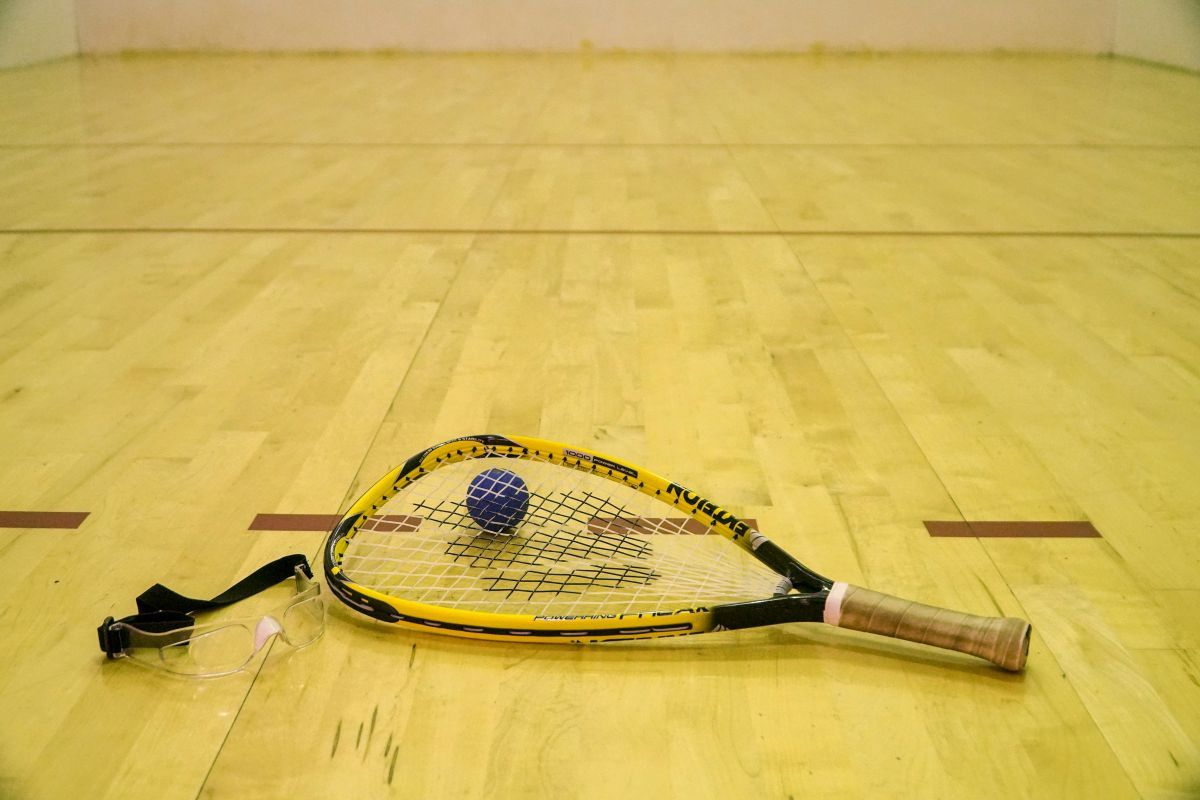
In racquetball, you need a racquet, a rubber ball, indoor court shoes, and protective eyewear. That last point matters. Eyewear is treated much more seriously in racquetball because of the ball speed and enclosed environment. The game can feel more intense from the first session, and the gear reflects that.
The contact feel is different too. Pickleball paddles give a firmer, more direct response with less string influence. Racquetball racquets are lighter in the head than many beginners expect, and the rubber ball comes off the strings quickly. That can feel exciting, but it can also make racquetball less forgiving at the start.
Gameplay: racquetball is more explosive, pickleball is more readable
This is where most players feel the real difference.
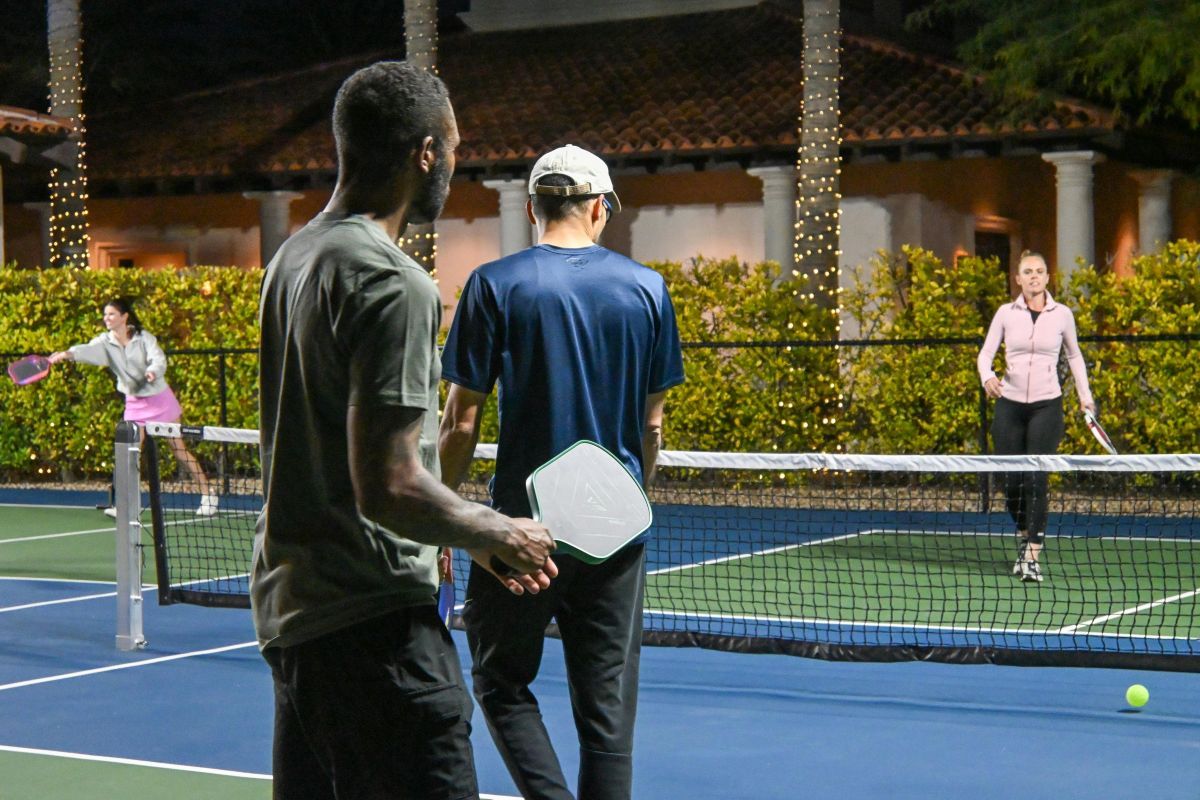
Pickleball usually feels more readable early on. The ball travels in a more predictable path, rallies can settle into patterns, and the smaller open court makes movement easier for many beginners. The sport gets highly strategic as players improve, especially around resets, drops, and shot selection. Bounce’s pickleball shots guide is a good next read if you want to see how the game develops beyond basic rallying.
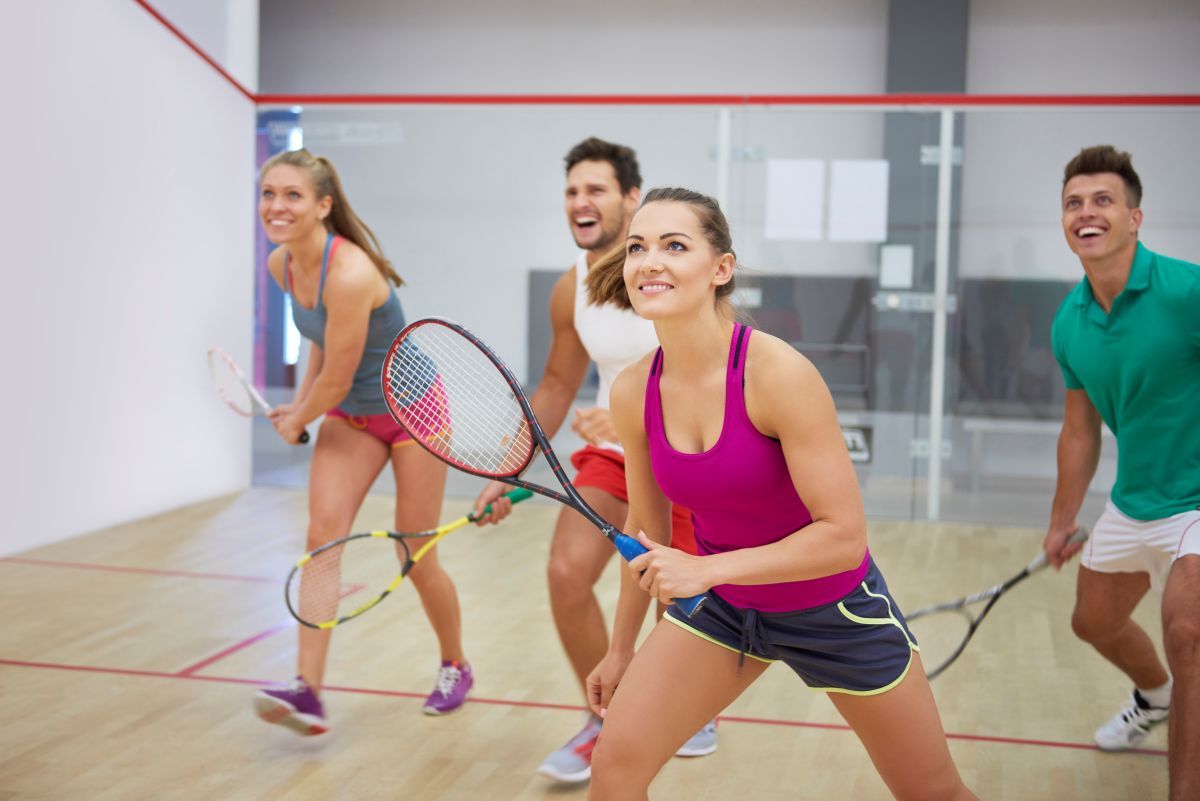
Racquetball feels faster and less forgiving. Because the ball rebounds off the front wall and can come back off side walls or the back wall, you have less time to settle. The pace can feel relentless, especially if you are new to reading wall angles. Many players love that intensity. Others find it exhausting before they find it fun.
Movement patterns are different too. Pickleball is built around compact lateral movement, quick positioning near the kitchen, and a lot of balance-based adjustments. Racquetball asks for more explosive sprints, deeper lunges, and sharper recovery after awkward wall rebounds. Even when both sports are competitive, the body demand feels different.
So if you enjoy anticipation, patience, and winning points through placement, pickleball may click faster. If you enjoy reacting at speed, chasing balls off the walls, and playing in a more enclosed pressure environment, racquetball may be more satisfying.
Which sport is easier to learn?
For most adults starting from scratch, pickleball is easier to enjoy quickly.
That is not because racquetball is too hard to try. It is because pickleball usually gives beginners earlier success. The serve is simpler, the ball is easier to track, and rallies become playable sooner. You do not have to learn wall behavior on top of everything else.
Racquetball can feel harder at the beginning because spacing and timing matter immediately. If you misread the wall angle or recover a little late, the point can disappear fast. The sport can also feel more physically demanding from day one.
Still, easy to start is not the same as easy forever. Pickleball becomes very tactical as players improve. Positioning, patience, and touch matter more and more. Racquetball has its own strategic depth too, especially in shot selection and court control. The difference is that pickleball often feels more welcoming in the beginner stage.
Which one should you try first?
If your priority is easy entry, social doubles, and a lower-friction way to start playing, pickleball is usually the better first choice.
If your priority is fast reactions, enclosed-court intensity, and a more explosive workout, racquetball may be the better fit.
A lot of players will know pretty quickly which one feels more natural. Some want the wall-game chaos and speed of racquetball. Others want the more approachable rhythm and broader beginner ecosystem of pickleball.
This is also where Bounce fits naturally, and lightly, into the article. If pickleball sounds more like your kind of game, Bounce can be a useful next step for finding courts, lessons, or ways to play more often. For broader beginner-friendly reading after this comparison, the Bounce blog is also worth checking.
FAQs
Is racquetball harder than pickleball?
For many beginners, yes. Racquetball often feels harder at first because the ball moves faster off the walls and the enclosed court creates quicker reaction demands.
Is pickleball easier to start than racquetball?
Usually, yes. Pickleball tends to be easier for new players to rally in early, and the beginner learning curve is often more forgiving.
What is the biggest difference between racquetball and pickleball?
The biggest difference is the playing environment. Racquetball is played in an enclosed wall court, while pickleball is played on an open court with a net and a kitchen zone.
Which sport is more physically intense?
Racquetball often feels more intense because of the speed, wall rebounds, and repeated explosive movement. Pickleball can still be competitive, but it is often more manageable for recreational players.
Do racquetball and pickleball use the same scoring system?
They are similar in that both are often played with server-based scoring, but the match structure, rally feel, and overall game flow are still very different.
Which one should recreational adults try first?
Many recreational adults find pickleball easier to access, easier to learn, and easier to keep playing consistently.