Pickleball continues to attract new players because it is accessible, social, and fast-paced. However, beginners often struggle with consistency, positioning, and shot selection during their first months on court.
The difference between early frustration and steady improvement comes down to following the right beginner pickleball tips from the start.
This guide provides practical, detailed, and actionable advice that new players can apply immediately to build a reliable foundation.
Tip 1: Learn the Basic Rules Before Playing Competitively
A surprising number of beginner mistakes come from incomplete rule knowledge. When players hesitate during points, it is often because they are unsure about the double-bounce rule, kitchen restrictions, or scoring sequences. Clarity eliminates hesitation.
Understanding the double-bounce rule is essential. After the serve, the receiving team must let the ball bounce once. Then the serving team must also let the ball bounce once before volleys are allowed. This rule shapes early point strategy and encourages net advancement.
Kitchen rules also deserve attention. Players may not volley while standing inside the non-volley zone, and momentum cannot carry them into the kitchen after a volley. Many beginners lose points by stepping forward too early or by not respecting this boundary.
Before joining competitive games, review:
- Proper underhand serve mechanics
- Doubles scoring sequence
- Non-volley zone restrictions
- Fault definitions
Confidence grows when rules become automatic rather than confusing.
Tip 2: Serve Deep and Prioritize Consistency Over Power
One of the most valuable beginner pickleball tips is simple: a legal, deep serve is more important than a fast serve. Beginners who chase power often produce inconsistent results, leading to unnecessary faults.
A deep serve pushes opponents toward the baseline and limits their ability to attack early. This gives the serving team time to move into position. Depth creates tactical advantage without increasing risk.
Develop a smooth, repeatable motion, focus on contact in front of your body and a controlled follow-through, and avoid rushing the motion under pressure.
Serving fundamentals to emphasize:
- Aim 2–3 feet inside the baseline
- Maintain balanced posture during contact
- Keep mechanics compact and repeatable
- Avoid experimenting with excessive spin early on
Reliable serving builds momentum and reduces free points given away.
Tip 3: Develop a Simple Pre-Serve Routine
Beginners often rush serves due to nerves or eagerness. This leads to inconsistent timing and poor contact. A consistent pre-serve routine creates stability.
Take a controlled breath before every serve, choose a target intentionally rather than hitting aimlessly, visualize the ball traveling toward your chosen location, and commit fully to execution.
Over time, a routine reduces anxiety and improves focus. Even at recreational levels, disciplined habits separate steady players from erratic ones.
An effective pre-serve routine might include:
- One slow breath
- Paddle grip check
- Clear target selection
- Calm, deliberate motion
Consistency begins before the paddle meets the ball.
Tip 4: Return Deep and Move Toward the Kitchen Immediately
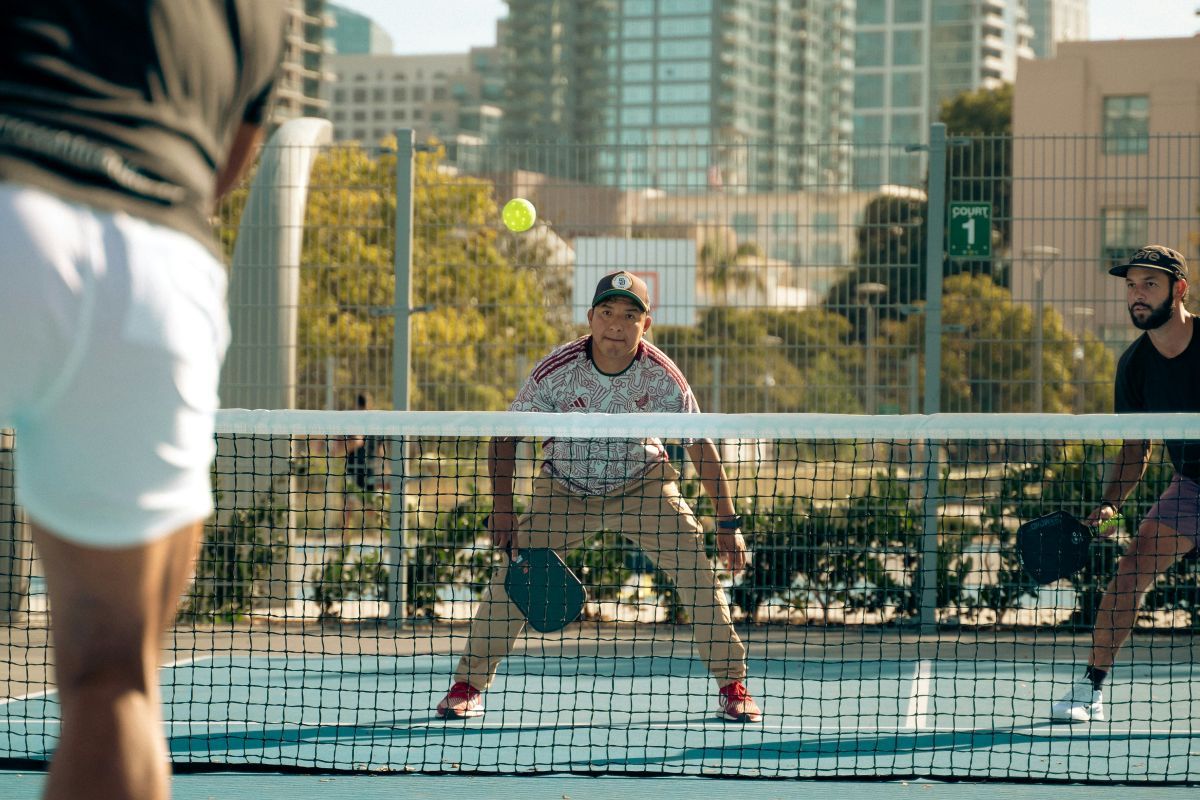
A strong return of serve sets the tone of the rally. Depth on returns prevents the serving team from advancing comfortably and increases the chance of a weaker third shot.
After contact, move forward decisively. Beginners frequently remain at the baseline too long, surrendering net control. Advancing toward the kitchen line places pressure on opponents and prepares you for controlled dinking exchanges.
Footwork matters just as much as placement. Stay low, balanced, and ready to react, avoid drifting forward casually, and move with intention.
Return fundamentals include:
- Aim deep to the middle or backhand side
- Transition forward immediately
- Split-step as opponents strike the third shot
- Avoid stopping in the mid-court
Positioning, not power, wins early rallies.
Tip 5: Get to the Kitchen Line as Soon as Possible
Controlling the non-volley zone line is fundamental to effective pickleball strategy. Players positioned at the kitchen line have better angles, more control, and greater offensive opportunities.
Beginners who stay at the baseline give opponents the advantage. The goal after the serve and return sequence is to establish balanced positioning at the kitchen line alongside your partner.
Transition requires patience. Move forward behind controlled shots rather than charging recklessly. The objective is to arrive balanced and ready, not rushed and vulnerable.
Kitchen line priorities:
- Advance behind deep returns or effective drops
- Stop and split-step before opponent contact
- Maintain paddle position out front
- Stay parallel with your partner
Net control is a foundational skill that elevates overall performance.
Tip 6: Master the Third Shot Drop Early
New players often attempt to drive every third shot. While power can be useful, overusing drives limits long-term development. The third shot drop allows the serving team to transition safely to the kitchen.
The drop shot arcs gently over the net and lands softly inside the non-volley zone. This forces opponents to hit upward, neutralizing their advantage.
Learning this shot requires repetition and patience. Focus on soft hands and proper trajectory rather than pace.
To develop a reliable third shot drop:
- Use a compact swing
- Lift from low to high with control
- Aim toward the middle for higher margin
- Prioritize height and depth control
This single skill significantly accelerates improvement for beginners.
Tip 7: Stay Out of “No-Man’s Land”
The transition zone between the baseline and kitchen line is where many points are lost. Balls often arrive below net height, forcing defensive contact.
Beginners frequently attack from this area, leading to errors. Instead, prioritize resets. A reset is a soft, controlled shot that neutralizes pace and lands in the kitchen.
If caught mid-court:
- Avoid swinging aggressively at low balls
- Absorb pace rather than adding power
- Reset softly and continue advancing
- Stay balanced and ready
The goal in the transition zone is survival, not dominance.
Tip 8: Dink With Patience and Purpose
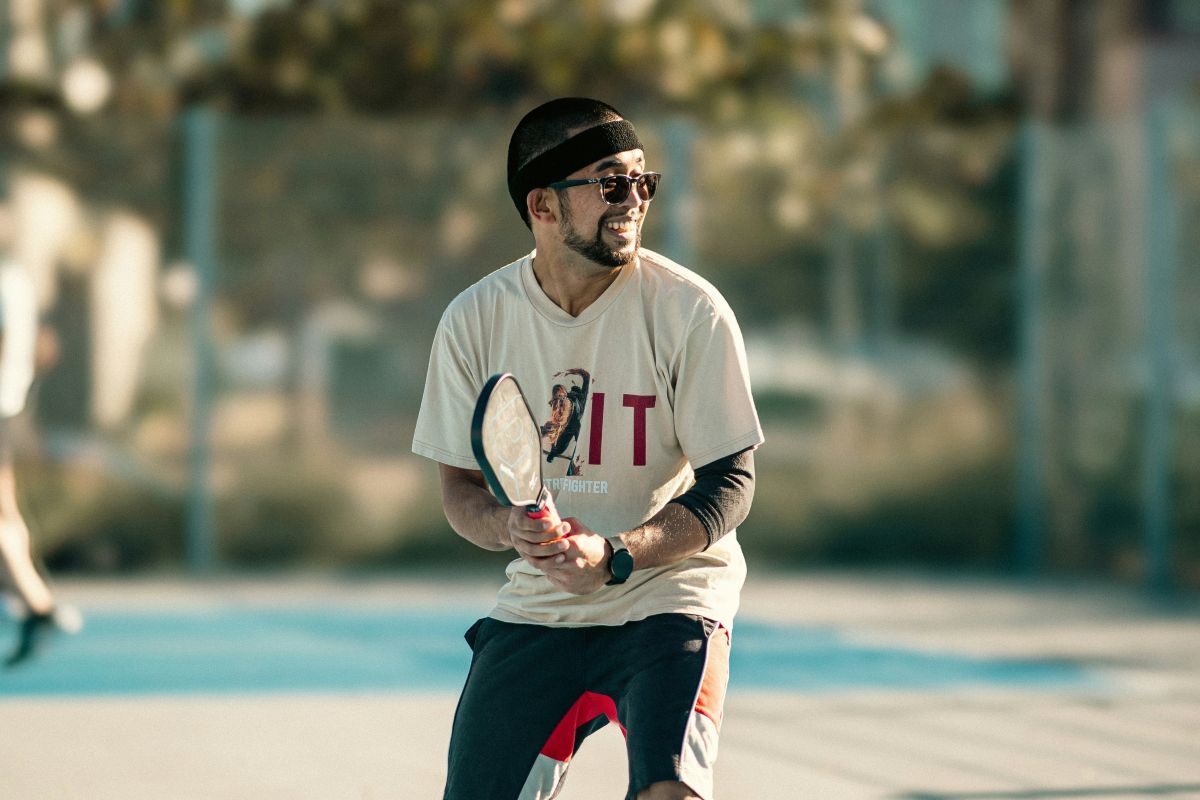
Dinking is the soft exchange near the kitchen line that defines advanced rallies. For beginners, learning to dink patiently builds control and decision-making.
Keep your paddle out front and reduce backswing. Contact should feel controlled rather than forceful. Target opponents’ backhands and aim to keep the ball low.
Patience during dink rallies prevents rushed attacks and unnecessary mistakes. High-percentage play means waiting for a true opportunity before accelerating.
Dinking keys:
- Maintain low paddle position
- Use minimal swing motion
- Focus on placement over pace
- Stay balanced through contact
Disciplined dinking builds confidence and consistency.
Tip 9: Only Attack High Balls
One of the simplest beginner pickleball tips is recognizing when to attack. Balls above net height present opportunities. Balls below net height demand control.
Attacking low balls leads to pop-ups and errors. Instead, reset or continue the dink rally until a clear advantage appears.
Develop a simple shot hierarchy:
- High ball = attack
- Neutral ball = reset or dink
- Low ball = defend
Clear decision-making reduces mental clutter and increases consistency.
Tip 10: Move With Your Partner in Doubles
Doubles positioning requires coordination. Partners should move laterally together, maintaining parallel alignment at the kitchen line.
When one player shifts left, the other shifts as well. Leaving gaps invites attacks down the middle or sidelines.
Communication also matters. Calling “mine” or “yours” prevents hesitation. Generally, the forehand player should take middle balls when possible.
Doubles fundamentals include:
- Stay even with your partner
- Cover middle effectively
- Communicate clearly
- Avoid chasing balls unnecessarily
Strong partnership habits reduce confusion and improve point outcomes.
Tip 11: Reduce Unforced Errors Before Adding Advanced Shots
Many beginners focus on flashy techniques before mastering reliability. The fastest way to improve is by eliminating simple mistakes.
Keep serves in, avoid attacking from poor positions, and extend rallies and force opponents to hit one extra shot.
Improvement checklist:
- Track serve percentage
- Limit aggressive swings on low balls
- Maintain steady footwork
- Value consistency over highlights
Error reduction builds rating progress quickly.
Tip 12: Improve Footwork Before Increasing Power
Footwork is often overlooked by new players. Balanced movement creates better contact and more controlled shots.
Stay low and athletic, use a split-step before opponent contact, and recover quickly after each swing.
Effective movement habits include:
- Short, controlled steps
- Stable base during contact
- Quick lateral adjustments
- Recovery to ready position
Players who move efficiently improve faster than those who simply swing harder.
Tip 13: Seek Structured Coaching and Organized Play
Self-guided improvement has limits. Feedback accelerates development by correcting subtle mechanical issues early.
Working with certified coaches provides clarity on technique, positioning, and strategy. Structured clinics also expose beginners to progressive drills that build confidence.
Accessing organized sessions is easier when players can search locally by skill level, availability, and format. Through Bounce, players can discover beginner-friendly clinics, private lessons, leagues, and social formats in their city. Coaches and facilities list programming in one connected ecosystem, making it easier to move from casual play to intentional development.
Structured learning prevents plateau and builds long-term consistency.
Tip 14: Play With Purpose, Not Just Frequency
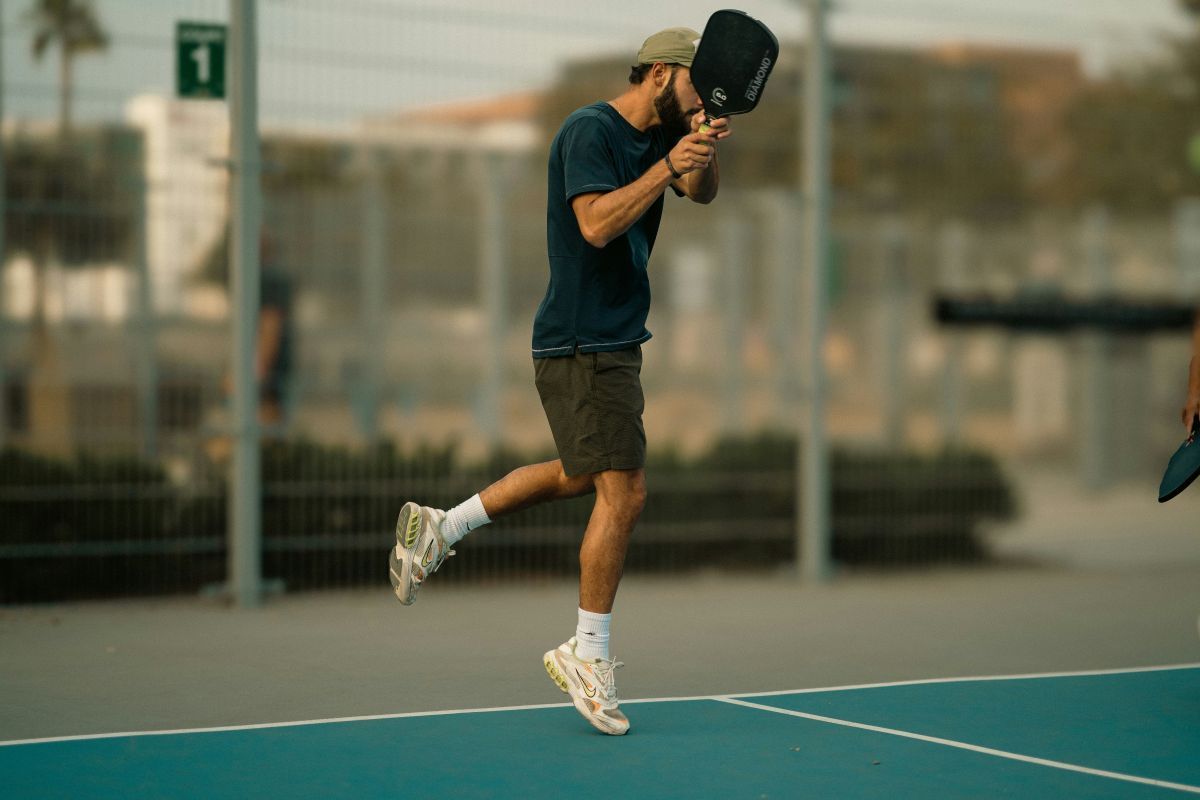
Playing more games does not automatically equal improvement. Intentional practice accelerates progress.
Set focused objectives during sessions. Instead of playing random games, dedicate time to specific skills.
Structured practice ideas:
- 25 consecutive serves to target zones
- 10 third-shot drops per side
- Extended dink rallies without speed-ups
- Controlled transition resets
Purposeful repetition builds dependable mechanics.
Tip 15: Develop a Calm Between-Point Routine
Mental control impacts consistency. Frustration leads to rushed decisions and mechanical breakdowns.
Between points: reset posture, take one controlled breath, and focus on a single objective for the next rally.
Simple routines promote:
- Emotional stability
- Clear tactical thinking
- Better serve execution
- Reduced error streaks
Mental discipline strengthens overall performance.
Conclusion
The most effective beginner pickleball tips emphasize positioning, patience, consistency, and structured development. Players who control serves, move confidently to the kitchen line, dink patiently, and reduce errors build a strong foundation quickly.
Improvement accelerates when practice becomes intentional and learning becomes organized. Access to qualified coaching, structured clinics, and level-appropriate competition prevents bad habits from forming and reinforces the right mechanics early.
Beginners who combine smart fundamentals with consistent repetition see measurable progress in both confidence and performance.
For players ready to take the next step, structured opportunities make a difference. Through Bounce, you can discover local coaches, beginner clinics, leagues, and social play formats designed to help you improve within a connected racket-sports community. Instead of guessing where to play or how to progress, you can find organized pathways that match your skill level and schedule.