Pickleball is often described as a fast-growing sport, but the reality of winning points looks very different from what many beginners expect.
Power alone does not dominate matches. Instead, control, patience, and precision define success. At the center of this strategic approach is one of the most essential shots in the game: the dink pickleball shot.
The ability to execute consistent, well-placed dinks separates casual players from those who truly understand how to control rallies. Learning how to dink effectively is not just a skill - it is the foundation of competitive pickleball.
What Is a Dink in Pickleball?
A dink in pickleball is a soft, controlled shot played near the net that lands in the opponent’s non-volley zone, commonly known as the kitchen. Unlike aggressive shots that aim to end points quickly, the dink is designed to keep the ball low and force opponents into difficult positions.
The defining characteristics of a dink include:
- A soft touch with minimal power
- A low trajectory over the net
- A bounce that stays low, making it hard to attack
The dink is typically played when both players or teams are positioned at the kitchen line. This area becomes the battleground for controlled exchanges, where players attempt to outmaneuver each other through placement rather than speed.
Understanding how the dink differs from other shots is critical. Drives are fast and aggressive, volleys are hit before the bounce, and drop shots transition players from the baseline to the net. The dink, however, is about maintaining control once both sides are already at the net.
For beginners, the temptation is to rely on power. That approach quickly leads to unforced errors. Learning the dink early builds the discipline required to play smarter, not harder.
Why the Dink Is the Most Important Shot in Pickleball
The importance of the dink pickleball strategy cannot be overstated. At higher levels of play, the majority of points are not won through powerful shots - they are earned through consistency and patience.
The dink serves several strategic purposes:
- Controls the pace of the game by slowing rallies down
- Neutralizes aggressive opponents who rely on speed
- Forces errors by requiring precise positioning and timing
- Creates opportunities for attack when opponents hit a weak return
Instead of trying to hit winners immediately, skilled players use dinks to build pressure. Each soft shot forces the opponent to respond carefully. Over time, this increases the likelihood of mistakes or creates an opening for a more aggressive shot.
Another critical aspect is error reduction. Beginners often lose points by hitting the ball too hard. The dink reduces that risk by emphasizing control. This shift in mindset - from power to precision - is one of the biggest turning points in a player’s development.
In doubles, the dink becomes even more essential. With four players at the net, space is limited. Power shots are easier to counter, while well-placed dinks can pull opponents out of position and open the court.
Basic Technique for a Proper Pickleball Dink
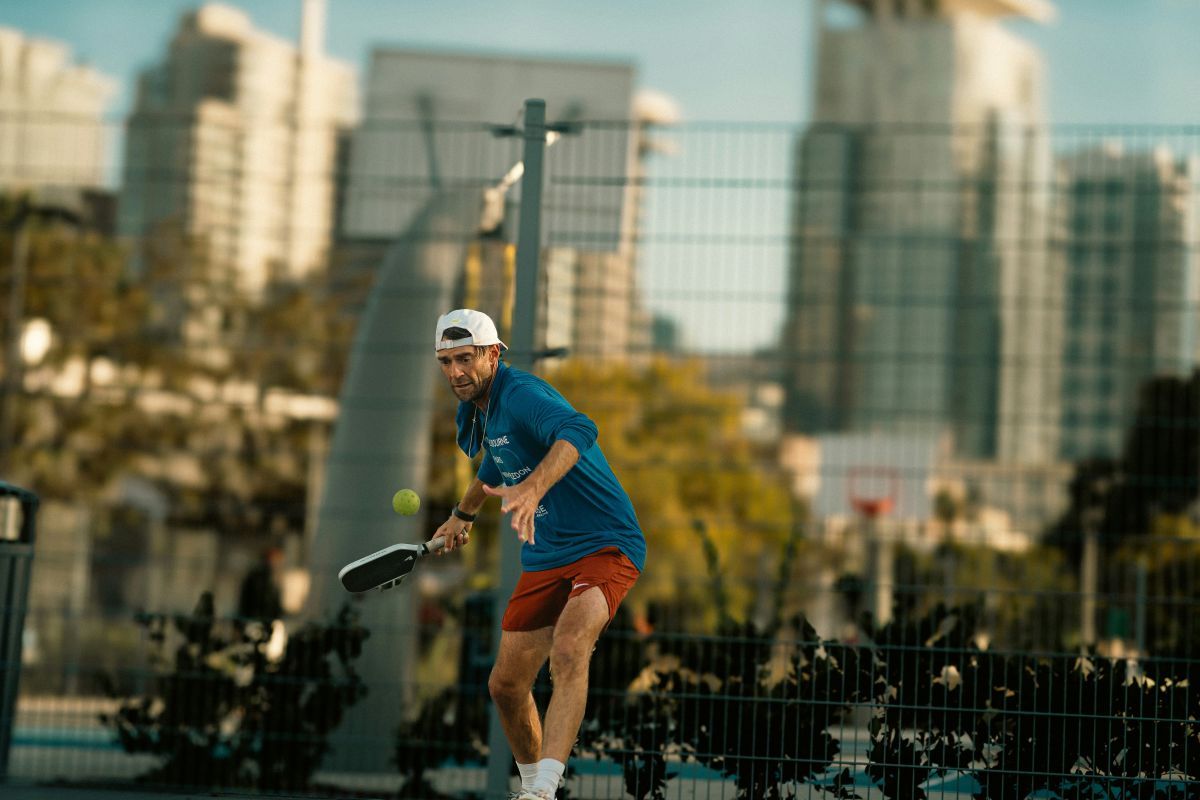
Executing a consistent dink requires attention to detail. Small adjustments in grip, posture, and swing can significantly improve control.
1. Grip and Paddle Position
The most effective grip for dinking is the continental grip, which allows for versatility and control. The key is to maintain a relaxed hand. Tension reduces feel and leads to harder, less controlled shots.
The paddle should be held in front of the body in a neutral position, ready for both forehand and backhand shots. Keeping the paddle up minimizes reaction time and improves consistency.
2. Body Position and Footwork
Proper positioning starts with staying low and balanced. Bending the knees lowers the center of gravity and improves stability. Standing upright often leads to mishits and poor control.
Footwork should be compact and efficient. Small adjustment steps help maintain balance and positioning at the kitchen line. Overreaching or lunging disrupts control and increases errors.
3. Contact Point and Swing Mechanics
The contact point should be in front of the body, not to the side or behind. This allows for better control and direction.
The swing itself should be short and compact, with minimal backswing. The goal is not to generate power but to guide the ball. A soft follow-through ensures the ball stays low and controlled.
4. Arc and Placement
A successful dink travels in a gentle arc over the net, clearing it by a small margin before dropping into the kitchen. Hitting too flat increases the risk of hitting the net, while too much lift creates an attackable ball.
Placement is just as important as technique. Targeting an opponent’s feet or angling the ball wide forces difficult returns. Precision, not speed, defines an effective dink.
Types of Dinks in Pickleball
Not all dinks are the same. Understanding different variations allows players to adapt to situations and apply pressure strategically.
- The straight-on dink is the most basic form, hit directly in front of the player. It is simple and effective but can become predictable if overused.
- The cross-court dink is widely considered the highest-percentage option. The longer diagonal distance provides more margin for error and allows for better angles, making it harder for opponents to respond aggressively.
- A defensive dink is used when under pressure. The goal is to reset the rally and regain control rather than create an offensive opportunity.
- An aggressive dink is slightly firmer and placed strategically to set up a potential attack. It forces a weak return that can be followed by a speed-up shot.
- More advanced players incorporate spin dinks, using topspin or slice to alter the ball’s bounce. These variations make it more difficult for opponents to predict and control their returns.
Mastering these types adds depth to a player’s game and prevents predictability during long rallies.
Common Dinking Mistakes Beginners Make
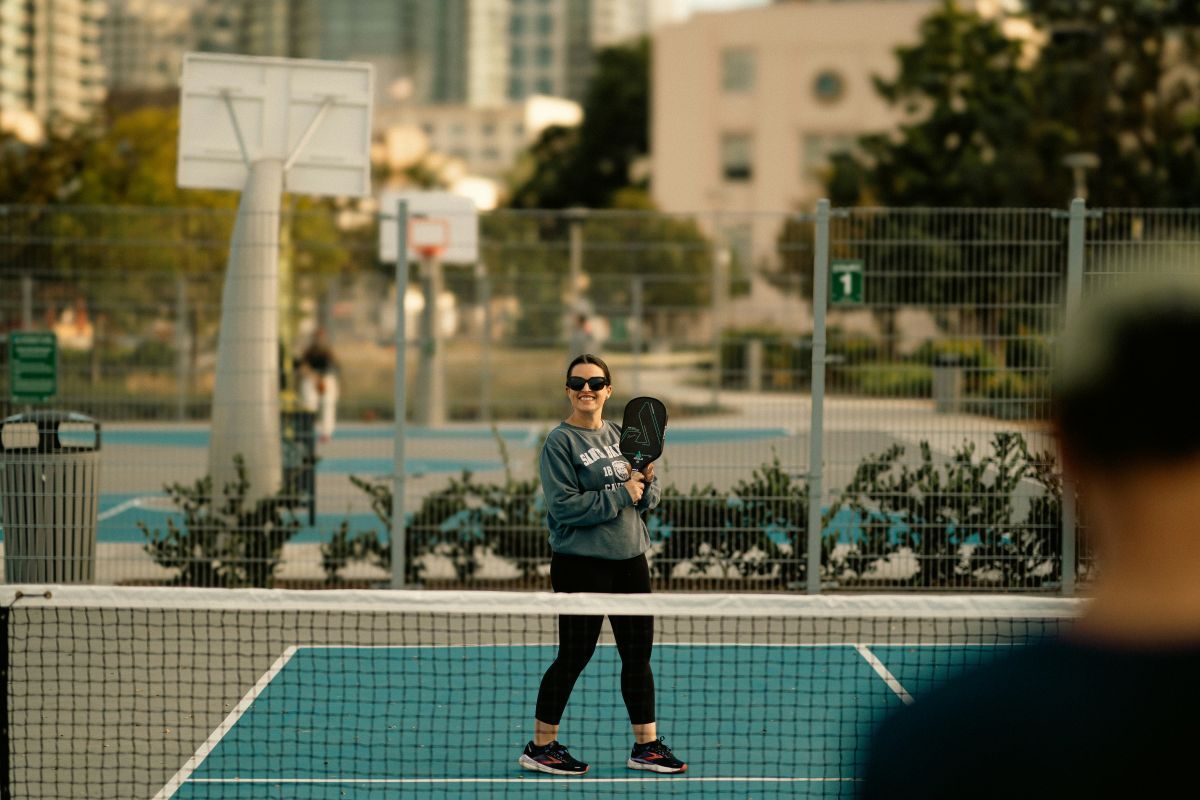
Most players struggle with dinking early on, but the good news is that these mistakes are predictable - and fixable with the right focus.
- Hitting too hard instead of soft: Beginners often treat the dink like a standard groundstroke, using too much power. This leads to balls popping up or going out, making them easy to attack.
- Standing too upright at the kitchen line: A high stance reduces balance and control. Without bending the knees and staying low, it becomes harder to execute consistent, accurate dinks.
- Over-swinging the paddle: Large backswings create unnecessary movement and reduce precision. The dink requires a short, compact motion with minimal follow-through.
- Poor shot selection under pressure: Trying to attack too early in a rally often results in errors. Many beginners struggle to recognize when to stay patient versus when to speed up the ball.
- Ignoring placement and targeting: Hitting directly to opponents instead of aiming for angles, feet, or backhands limits effectiveness. Placement is what makes the dink a strategic weapon.
- Lack of consistency in contact point: Contacting the ball too close to the body or too late reduces control. The ideal contact point is slightly in front for better direction and feel.
Fixing these mistakes early will dramatically improve consistency and help build a reliable soft game that holds up in real match situations.
Dink Strategy: How to Win Points at the Kitchen Line
Dinking is not just about keeping the ball in play. It is a strategic tool used to control rallies and create opportunities.
Patience and Rally Construction
Winning through dinking requires patience. Instead of forcing winners, players build points gradually. Each shot is used to move opponents, test their consistency, and create openings.
This approach reduces errors and increases the likelihood of capitalizing on mistakes.
Targeting Opponent Weaknesses
Effective dinking involves identifying and exploiting weaknesses. Many players struggle with backhand returns or lateral movement. Consistently directing shots to these areas creates pressure and increases errors.
Creating Attack Opportunities
Not every dink is purely defensive. Some are designed to set up an attack. A slightly higher or poorly placed return from an opponent creates the opportunity for a faster, more aggressive shot.
Recognizing these moments is key to transitioning from defense to offense.
Dinking in Doubles vs Singles
In doubles, dinking dominates the game. With limited space and two opponents at the net, controlled play is essential. Teams must coordinate movement and maintain consistent pressure.
In singles, dinking still plays a role but is used more selectively. The larger court requires more movement, and players often mix in passing shots and drives.
Understanding these differences helps players adapt their strategy based on the format.
Drills to Improve Your Pickleball Dink
Improvement in dinking comes from repetition and structured practice. Simply playing matches is not enough. Focused drills accelerate skill development.
Beginner Dink Control Drills
Basic drills focus on consistency. Players rally cross-court, aiming to keep the ball within the kitchen. Repetition builds muscle memory and improves control.
Alternating forehand and backhand shots ensures balanced development.
Partner Dinking Drills
Working with a partner allows for more dynamic practice. Cooperative drills emphasize maintaining long rallies, while target-based drills improve placement and precision.
These exercises simulate real match scenarios and improve decision-making.
Competitive Dink Games
Adding competition increases intensity. Playing points where only dinks are allowed forces players to rely on control and strategy.
Pressure-based drills replicate match conditions and help players stay consistent under stress.
Solo Practice Options
When a partner is not available, wall drills provide a valuable alternative. Repeatedly hitting soft shots against a wall improves touch, timing, and control.
Consistent solo practice reinforces technique and builds confidence.
Structured training significantly accelerates improvement. Instead of relying solely on casual play, working with experienced coaches or joining organized clinics provides targeted feedback and faster progress.
Platforms like Bounce make it easy to find these opportunities locally, connecting players with coaches, clinics, and training programs tailored to their skill level.
When to Dink vs When to Attack
One of the most important skills in pickleball is knowing when to stay patient and when to be aggressive.
Dinking is most effective when the ball is low and neutral. Attempting to attack from this position often leads to errors. Staying in the rally and waiting for a better opportunity is the smarter choice.
An attack becomes viable when the ball is high or poorly placed. These moments create openings for speed-ups or put-away shots. Recognizing these opportunities requires awareness and quick decision-making.
Risk management plays a major role. Aggressive shots carry higher risk, while dinks prioritize consistency. Balancing these approaches is key to winning more points.
Players who master this decision-making process gain a significant advantage. They avoid unnecessary mistakes while capitalizing on opportunities when they arise.
Conclusion
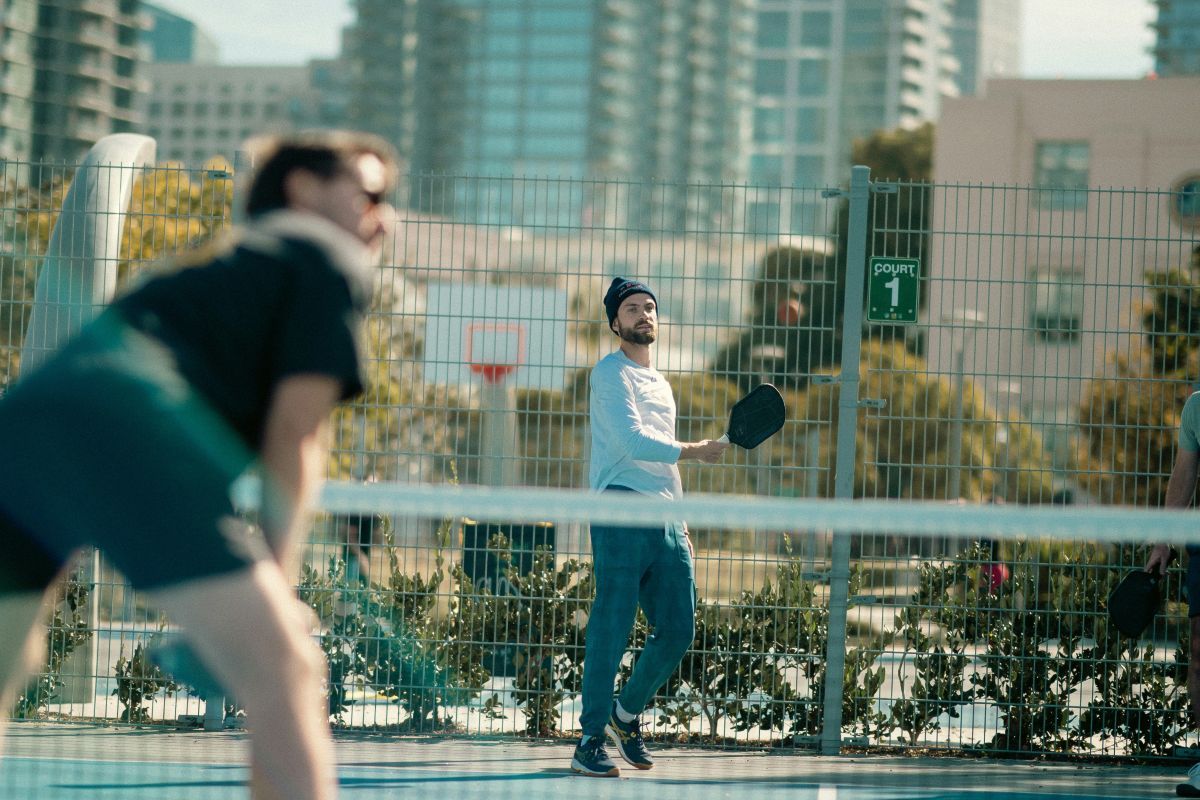
The dink pickleball shot is the foundation of effective play. It transforms the game from a fast-paced exchange of power into a strategic battle of control, patience, and precision. Players who commit to mastering the dink gain the ability to dictate rallies, reduce errors, and create consistent scoring opportunities.
Progress comes from focused practice and intentional improvement. Playing regularly, refining technique, and learning from experienced players all contribute to long-term development. Structured environments accelerate this process by providing guidance and repetition.
For those ready to improve faster, Bounce brings everything together in one place. Instead of navigating scattered options, Bounce simplifies the process of learning and playing, making it easier to stay consistent and continue improving.