Pickleball was invented in the summer of 1965 on Bainbridge Island, Washington by Joel Pritchard, Bill Bell, and Barney McCallum. What started as a backyard improvisation using ping-pong paddles and a wiffle ball has grown into a sport with an estimated 9 million players in the United States as of 2023, according to USA Pickleball.
Its rise has been driven by accessibility, adaptability, and a strong community culture that continues to attract new participants across all age groups.
From improvised beginnings to professional leagues and international expansion, each stage of its evolution has shaped the way the game is played today. This progression highlights how innovation, organization, and community engagement transformed a casual pastime into a worldwide phenomenon.
The Origins of Pickleball in 1965
The Founders of Pickleball
Pickleball was created on a summer afternoon in 1965 by Joel Pritchard, Bill Bell, and Barney McCallum.
Pritchard, a congressman, and Bell, a businessman, were looking for a way to entertain their families during the summer. McCallum, known for his practical problem-solving skills, played a key role in refining the early version of the game.
Each founder contributed to the sport’s development in different ways:
- Pritchard provided the initial setting and concept
- Bell helped shape the early gameplay
- McCallum focused on equipment and rules
The three worked together across several sessions to formalize a game their families could actually return to, not just improvise once and abandon.
The founders shared a common goal: create a game that was inclusive and accessible for players of all ages. This guiding principle became a defining characteristic of pickleball and continues to influence its growth today.
The First Game on Bainbridge Island
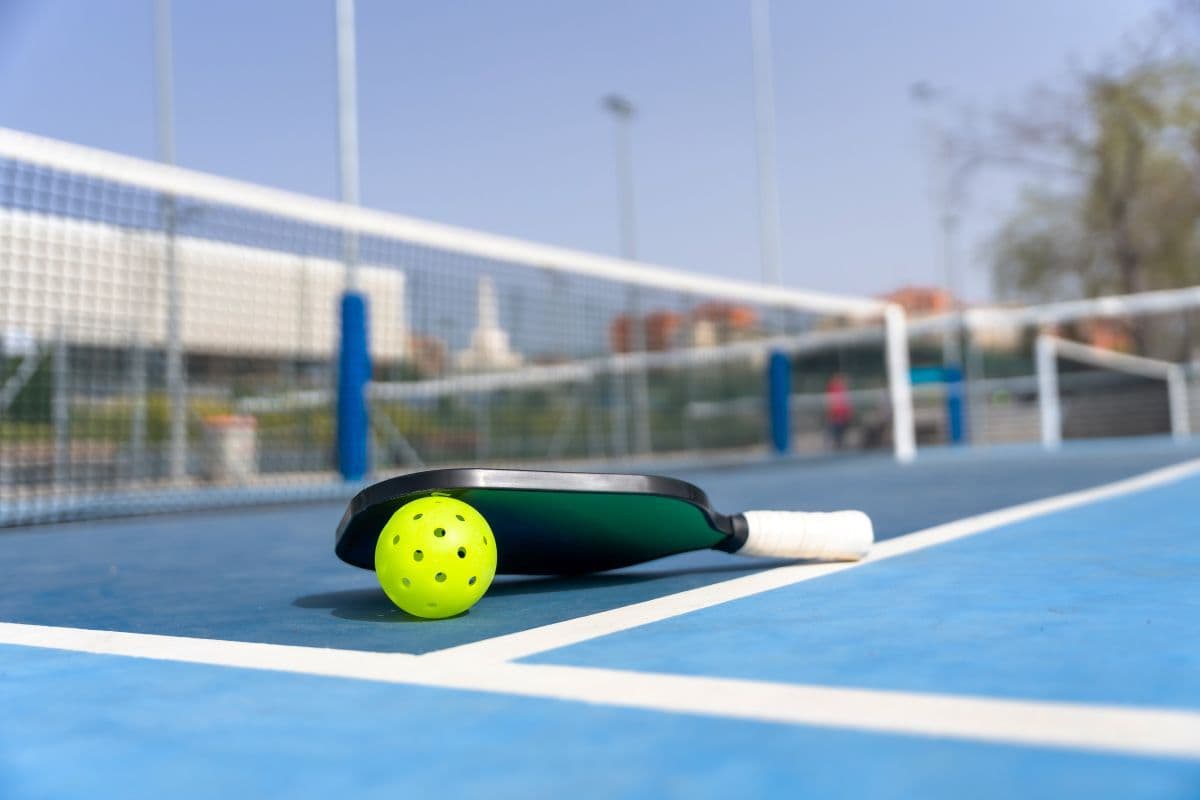
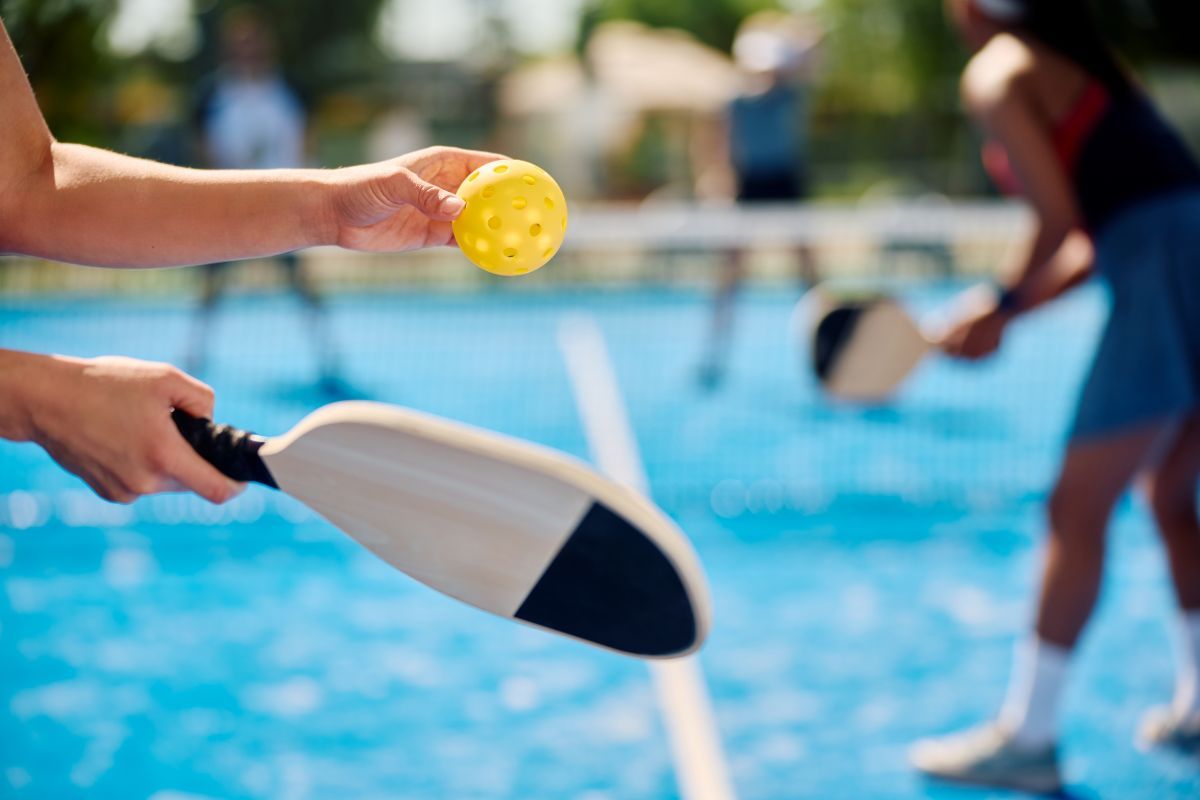
The first pickleball game was played using a badminton court, but with limited equipment available. Instead of traditional rackets, the group used ping-pong paddles, and the ball was a perforated plastic ball. These improvised choices would later become standard elements of the sport.
The gameplay quickly evolved as the founders adjusted rules to suit the equipment and playing conditions. The ball’s limited bounce required players to rely on control rather than power, which led to longer rallies and a more strategic style of play. This early adaptation set pickleball apart from other racket sports.
The backyard setting also influenced the social nature of the game. It was designed to be played by people of different ages and skill levels, encouraging participation rather than competition. This foundation remains a key part of pickleball’s identity.
Why is it called pickleball?
The name was coined by Joan Pritchard, Joel's wife, who named the sport after the "pickle boat" in crew rowing. A pickle boat carries oarsmen left over from other races, the ones not selected for any specific team, assembled from whatever was available. She saw the parallel: pickleball borrowed equipment and rules from multiple racket sports, much like a pickle boat crew assembled from leftovers.
The alternative story, that the sport was named after the Pritchard family dog Pickles, has been investigated and debunked. USA Pickleball confirmed the dog was born in 1968, three years after the sport already had its name. Pickles was named after the game, not the other way around.
The Problem That Sparked the Sport
The creation of pickleball was driven by a simple problem: the lack of proper badminton equipment. Instead of abandoning the idea of playing, the founders chose to innovate using what was available. This moment of improvisation became the starting point for the sport’s development.
By combining elements from badminton, tennis, and table tennis, the founders created a hybrid game that borrowed the best aspects of each. The smaller court reduced physical strain, while the paddle and ball encouraged precision and control.
This problem-solving approach became a recurring theme in the history of pickleball. The sport continued to evolve through practical adjustments, ensuring it remained accessible and enjoyable for a wide range of players.
Early Development and Rule Creation
Standardizing the Game
As pickleball gained popularity among friends and neighbors, the need for consistent rules became clear. During the late 1960s, the founders began formalizing the structure of the game, including:
- Court dimensions and net height
- Scoring rules and service area requirements
The introduction of standardized rules allowed pickleball to move beyond casual play. It created a framework that could be shared and replicated, making it easier for new players to learn and adopt the sport. This step was essential in transitioning pickleball from a backyard activity to an organized sport.
Consistency also improved the overall playing experience. Players could compete under the same conditions, which helped establish fairness and encouraged skill development.
Evolution of Equipment
Equipment played a major role in shaping the history of pickleball. Early wooden paddles were durable but limited in performance. Over time, manufacturers introduced composite paddles made from materials like fiberglass and carbon fiber, improving control and comfort for players at every level.
In 1984, Boeing engineer Arlen Paranto invented the first composite pickleball paddle using fiberglass and honeycomb construction (the same materials used in commercial aircraft panels). That single development changed what was possible for spin and precision.
These advancements made the sport more appealing to a broader audience. Improved equipment allowed players to develop more advanced techniques while maintaining the accessibility that defined pickleball from the beginning.
First Permanent Pickleball Court
In 1967, Joel Pritchard's neighbor Bob O'Brian constructed the first permanent pickleball court, two years after the sport was invented. This dedicated space allowed for consistent gameplay and helped establish pickleball as more than a temporary activity.
The construction of permanent courts also signaled growing interest in the sport. It provided a foundation for organized play and encouraged communities to invest in pickleball facilities.
This shift from improvised spaces to dedicated courts played a crucial role in the sport’s expansion, making it easier for players to practice, compete, and connect.
Growth of Pickleball in the 1970s and 1980s
From Backyard Game to Organized Sport
During the 1970s, pickleball began to spread beyond its original location. Early adopters introduced the game to new communities, leading to increased participation and interest.
The sport’s simplicity made it easy to teach and learn, which contributed to its steady growth. Players appreciated the balance between strategy and physical activity, making it suitable for both recreational and competitive play.
By 1976, the first known pickleball tournament was held at South Center Athletic Club in Tukwila, Washington. Many competitors were college tennis players who had never touched a pickleball paddle before that week. As more people became involved, pickleball started to develop a structured identity.
Formation of Governing Bodies
The establishment of the USA Pickleball Association (USAPA) in 1984 was a turning point. This organization provided official rules, promoted the sport, and supported its development at a national level.That same year, the first official rulebook was published, giving the sport a formal set of standards for the first time.
Having a governing body helped standardize the game and created opportunities for competition. It also increased credibility, attracting more players and sponsors.
The role of organizations like the USAPA cannot be overstated. They laid the groundwork for future growth and ensured that pickleball could expand in a structured and sustainable way.
Early Tournaments and Competitive Play
The introduction of tournaments brought a new level of excitement to pickleball. Competitive events allowed players to test their skills and pushed the sport toward higher levels of performance.
These early competitions helped establish rankings and built a community among players. They also provided visibility, attracting new participants and generating interest in the sport.
By 1990, pickleball was confirmed active in all 50 US states, less than 25 years after three families improvised it in a backyard.
The development of competitive play added depth to pickleball, showing that it could be both recreational and highly competitive.
The Expansion of Pickleball in the 1990s and 2000s
Increased National Popularity
During the 1990s and early 2000s, pickleball experienced steady growth across the United States. Community centers, schools, and recreational facilities began incorporating the sport into their programs.
This expansion introduced pickleball to a wider audience, including younger players and families. The sport’s adaptability made it suitable for different environments, from indoor gyms to outdoor courts.
The increasing availability of courts and equipment played a key role in this growth, making it easier for people to start playing.
Media Exposure and Word-of-Mouth Growth
Pickleball’s growth during this period was largely driven by community engagement and word-of-mouth. Players shared their experiences with friends and family, creating a grassroots movement that expanded organically.
Local media coverage and early online platforms also contributed to awareness. As more people discovered the sport, participation continued to rise.
This phase of growth highlighted the importance of community in the history of pickleball, reinforcing its reputation as a social and inclusive activity.
Improvements in Equipment and Accessibility
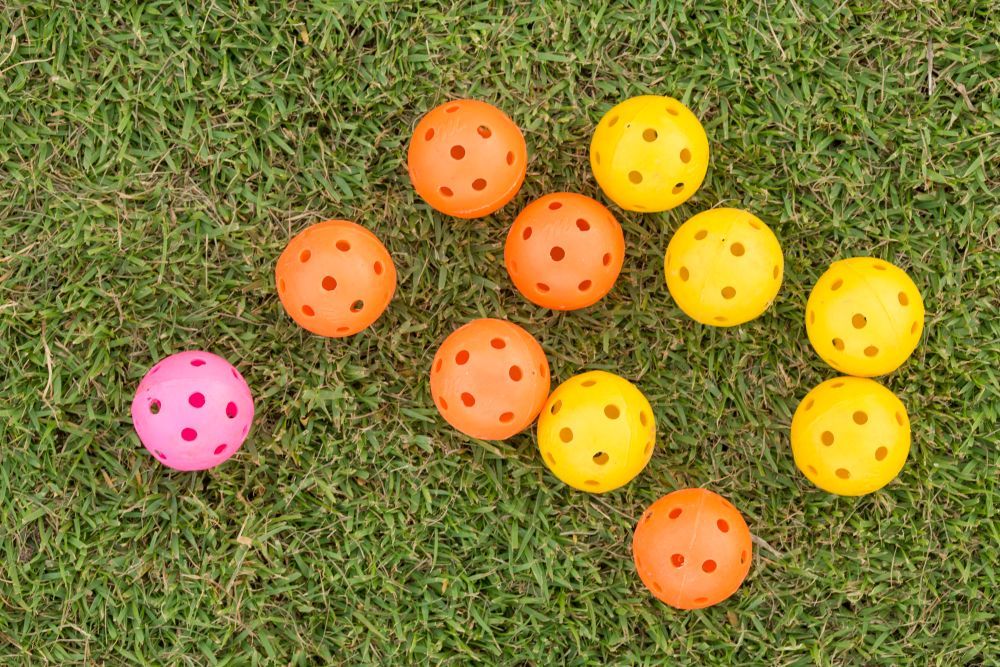
Technological advancements in equipment made pickleball more accessible and enjoyable. Lighter paddles and improved ball designs enhanced gameplay, allowing players to develop skills more effectively.
Accessibility remained a core strength. The sport required minimal investment compared to other racket sports, making it appealing to a broad audience.
The Modern Boom: Pickleball’s Rapid Growth (2010s–Present)
Fastest-Growing Sport in the United States
In the 2010s and beyond, pickleball has become one of the fastest-growing sports in the United States.
Participation grew from roughly 2 million players in 2015 to over 9 million by 2023, and the growth trend behind those numbers shows a 30% year-over-year increase between 2021 and 2022 alone.
Communities have invested in dedicated courts, further supporting expansion.
The sport’s growth shows no signs of slowing, with new players continuing to discover pickleball through local programs and digital platforms.
Professionalization of Pickleball
In 2017, the Association of Pickleball Professionals (APP) Tour launched as the first USA Pickleball-sanctioned professional tour.
This professionalization has elevated the sport’s profile and created new opportunities for players to pursue competitive careers. It has also increased media coverage and sponsorship interest.
For players who want to step into organized competitive play, Bounce runs tournaments and leagues in major US cities, giving players a direct entry point into structured competition at any skill level.
Celebrity and Athlete Involvement
The involvement of celebrities and professional athletes has brought additional attention to pickleball. High-profile endorsements and participation have helped introduce the sport to new audiences.
This increased visibility has contributed to its mainstream appeal, encouraging more people to try the sport and engage with the community.
The combination of grassroots growth and high-level exposure has created a powerful momentum that continues to drive pickleball forward.
Global Expansion of Pickleball
International Growth
Pickleball has expanded beyond the United States, gaining popularity in countries across Europe, Asia, Canada, and Latin America. This international growth reflects the sport’s adaptability and universal appeal.
In 2010, the USA Pickleball Association launched the International Federation of Pickleball (IFP) to support global development.
Structured governance ensures consistency and helps maintain the integrity of the game as it grows. These efforts have strengthened the global pickleball community and created opportunities for international competition.
Digital platforms, including Bounce, play an important role in this expansion by connecting players with opportunities to play, learn, and compete within their cities.
The increasing global presence of pickleball reinforces its position as one of the most dynamic sports in the world.
How People Play Pickleball Today
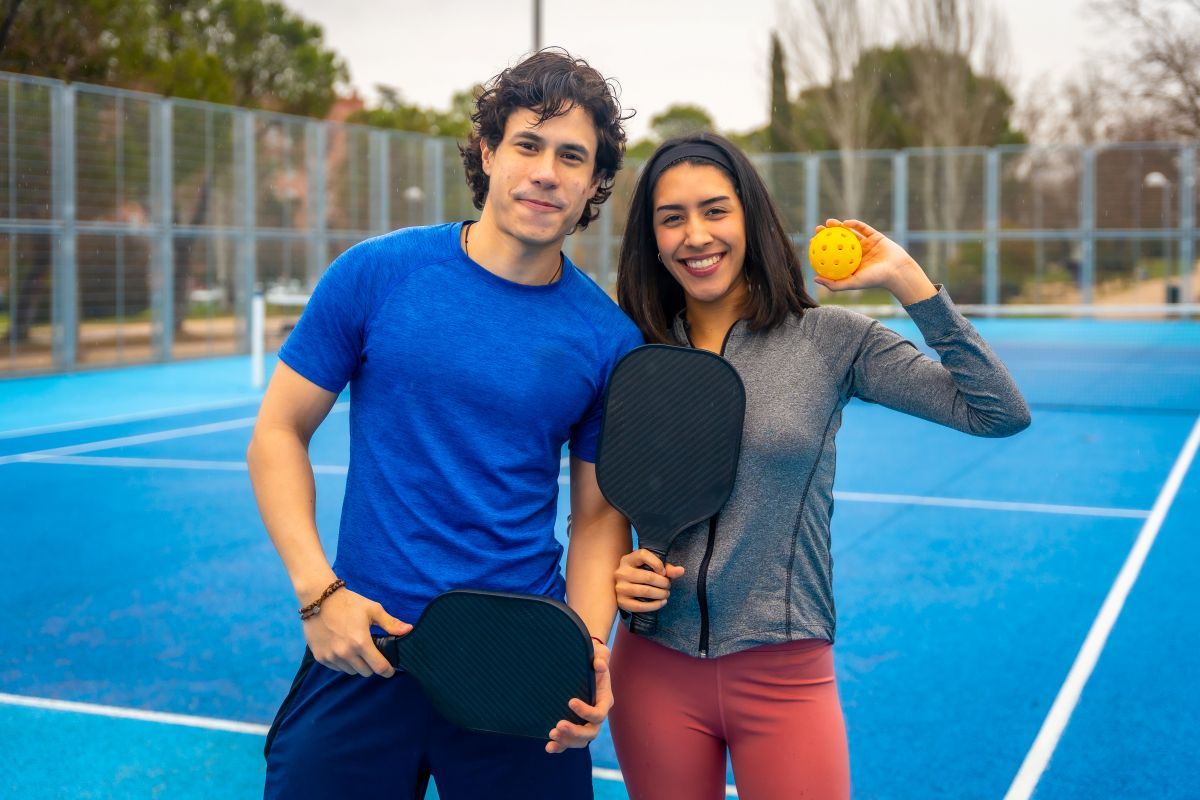
Pickleball accommodates both casual and competitive players. Recreational games focus on enjoyment and social interaction, while competitive play emphasizes performance and strategy.
This dual appeal allows the sport to cater to a wide range of participants, from beginners to advanced athletes.
The flexibility of play styles contributes to the sport’s widespread popularity.
Pickleball is played in a variety of settings, including parks, gyms, clubs, and converted tennis courts. This versatility makes it accessible to players in different environments.
Communities have embraced the sport by building dedicated facilities and organizing regular events.
The availability of playing spaces continues to grow, supporting increased participation.
Key Milestones in the History of Pickleball
| Year | Milestone |
| 1965 | Pickleball invented on Bainbridge Island, Washington |
| 1967 | First permanent court built by neighbor Bob O'Brian |
| 1976 | First known tournament held at South Center Athletic Club, Tukwila, Washington |
| 1984 | USA Pickleball Association (USAPA) established |
| 1990 | Pickleball confirmed active in all 50 US states |
| 2000s | National expansion grows |
| 2010 | International Federation of Pickleball (IFP) launched by USAPA |
| 2010s | Rapid growth and professionalization |
| 2017 | APP Tour launches as the first professional pickleball tour |
| 2021 | Named fastest-growing sport in the US (SFIA); 4.8 million active players |
| 2020s | Global expansion and mainstream recognition |
| 2023 | Over 9 million active US players; USA Pickleball membership reaches 70,000 |
Conclusion
The history of pickleball demonstrates how a simple idea can evolve into a global movement through innovation, community, and accessibility.
From its origins on a backyard court to its current status as a rapidly growing international sport, pickleball has maintained its core identity while continuously adapting to new opportunities. Each stage of its development has contributed to a more structured, inclusive, and widely recognized game.
For those ready to experience the sport firsthand, Bounce makes it easier to get started. You can discover local courts, connect with certified coaches, and join clinics, leagues, and social events tailored to your skill level and schedule.
FAQ
Who invented pickleball?
Pickleball was invented by Joel Pritchard, Bill Bell, and Barney McCallum in the summer of 1965 on Bainbridge Island, Washington. Pritchard was a Washington state congressman, Bell was a businessman, and McCallum was a neighbor who helped formalize the rules. The three created the game to entertain their families using leftover badminton and table tennis equipment they had on hand.
Why is it called pickleball?
The name was coined by Joan Pritchard, Joel's wife, who named the sport after the "pickle boat" in crew rowing. Pickle boats carry the oarsmen not selected for any specific racing team, assembled from whatever was available. She saw the parallel to a game built from leftover equipment. USA Pickleball confirmed the family dog named Pickles was born in 1968, three years after the name already existed. Pickles was named after the game.
Where did pickleball originally come from?
Pickleball originated on Bainbridge Island, Washington, in the summer of 1965. The founders improvised the game using a badminton court, ping-pong paddles, and a wiffle ball after they couldn't find proper badminton equipment. The sport spread through Washington state first, then nationally, and now claims active players in over 60 countries.
When did pickleball become popular nationwide?
Pickleball reached all 50 US states by 1990, but the explosive growth came later. The Sports & Fitness Industry Association named it the fastest-growing sport in the US for three consecutive years starting in 2021, with player counts jumping from 4.8 million that year to over 9 million by 2023. The COVID-19 pandemic increased adoption as players sought outdoor, low-contact recreational options.
What country is pickleball most popular in?
The United States is the center of global pickleball, with over 9 million active players, the majority of professional tours, and USA Pickleball (the sport's national governing body) headquartered there. Canada, Spain, India, and Brazil have growing scenes. The International Federation of Pickleball reported 58 member countries in 2021, and participation continues to expand as the sport pursues Olympic recognition.