

Pickleball has earned a reputation as one of the most accessible racket sports in North America, yet the total investment varies depending on how often you play, where you play, and how seriously you pursue improvement.
Some players spend less than $100 to get started and play casually for years. Others invest in club memberships, coaching, leagues, and tournament travel, pushing annual costs into four figures.
The good news is that pickleball is highly scalable. You can begin at the most affordable level and gradually increase your spending as your interest and skill level grow.
Equipment ranges from entry-level to premium. Courts may be free public parks or climate-controlled indoor facilities. Coaching and leagues are optional but often accelerate development and deepen engagement.
The Minimum Cost to Start Playing Pickleball
The entry point into pickleball is relatively low compared to many organized sports. The essential requirement is a paddle and access to a court. Everything beyond that builds on your personal goals and frequency of play.
Basic Equipment Costs
Most players begin their pickleball journey with a paddle purchase, and pricing varies significantly depending on materials and intended level of play.
Entry-level paddles provide a low-cost introduction to the sport, while higher-end models focus on performance enhancements such as improved control, spin generation, and durability.
Choosing the right paddle often depends on how frequently you plan to play and whether you anticipate progressing into leagues or tournaments.
Pickleball Paddle Costs:
- $30–$70 – Entry-level composite paddles suitable for beginners and casual recreational play
- $80–$150 – Mid-range paddles offering improved balance, better materials, and enhanced feel
- $180–$250+ – Premium paddles featuring carbon fiber faces and advanced core technology designed for competitive performance
Beyond the paddle, players must factor in balls and footwear. Pickleball balls are relatively inexpensive but represent a recurring cost, particularly for outdoor players where rough court surfaces accelerate wear.
Footwear is often underestimated, yet proper court shoes significantly improve stability and reduce injury risk during lateral movement.
Additional Equipment Costs:
- Pickleball balls: $10–$30 per pack (outdoor balls typically wear out faster)
- Court shoes: $60–$140 for quality court-specific footwear
- Replacement frequency: Active players commonly replace shoes once or twice per year
This breakdown clarifies both the initial startup investment and the ongoing equipment expenses associated with regular pickleball participation.
Clothing and Essential Accessories
Athletic apparel for pickleball does not require a specialized wardrobe, which helps keep initial costs low. Most players begin by using existing workout clothing that allows comfortable movement and moisture control.
While brands now produce sport-specific pickleball apparel, these items are optional upgrades rather than essential purchases for beginners.
Apparel and Clothing Costs:
- Existing athletic wear – $0 additional cost if already owned
- Moisture-wicking shirts and athletic shorts/skirts – typically $20–$60 per item if purchasing new
- Supportive athletic socks – $10–$20 per pair
- Specialized pickleball apparel – optional and varies widely in price
Accessories represent small but recurring expenses that contribute to overall equipment maintenance.
Overgrips improve comfort and sweat absorption, helping maintain consistent paddle control. Paddle bags offer organized storage, though new players can delay this purchase by using a standard gym or athletic backpack.
Accessory Costs:
- Overgrips – Under $15 per pack
- Replacement grips – $10–$20
- Basic paddle sling bag – Around $25
- Tournament-style paddle bags – $75–$100+
For a beginner playing primarily on public courts, the realistic startup investment - including paddle, balls, and possibly shoes - typically falls between $50 and $150.
This modest financial commitment lowers the barrier to entry and explains why pickleball continues to attract new players across age groups and skill levels.
How Much Does It Cost to Play Pickleball at Public Courts?
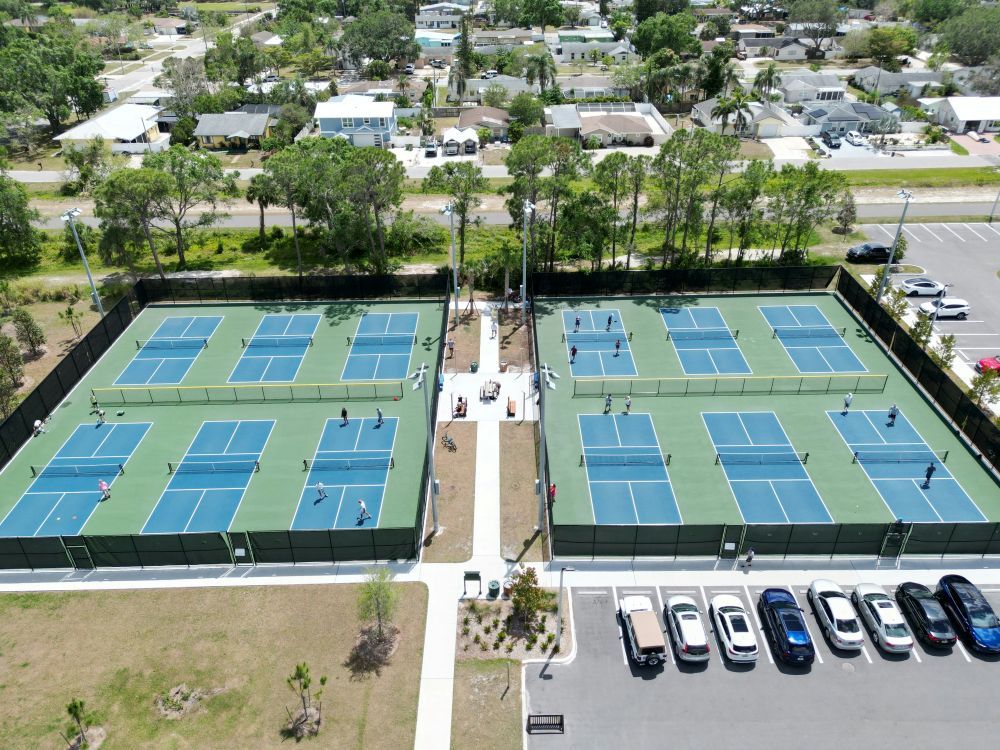
Public access is one of the strongest affordability drivers in pickleball. Many municipalities have invested in converting tennis courts or building dedicated pickleball courts in city parks.
Free Public Courts
In many areas, public pickleball courts are completely free. Players simply bring their own paddle and balls. Open-play formats are common, where players rotate in based on a paddle rack system. This structure promotes community interaction and eliminates reservation fees.
Free public courts dramatically reduce ongoing costs. A player who invests in a paddle and shoes can theoretically play year-round without paying court fees, assuming weather permits outdoor play. For budget-conscious players, this is the most affordable pathway.
Public Recreation Facilities
Public recreation facilities offer a structured and affordable alternative to completely free park courts.
Many city-operated centers provide indoor access, scheduled open play, and organized programming at modest rates. These facilities are especially valuable in colder climates where outdoor courts are not usable year-round.
Public Recreation Facility Costs:
- Drop-in session fees – $3–$10 per visit
- Monthly recreation center memberships – $30–$75 per month, depending on amenities and location
- Indoor access included at many facilities, increasing year-round availability
In high-demand urban areas, municipalities sometimes implement reservation systems to manage court usage during peak hours. These policies help ensure fair access but may introduce additional costs for players who prefer guaranteed court time.
Reservation and Peak-Hour Fees:
- Court reservation fees – $5–$20 per hour
- Peak-hour pricing may apply in densely populated regions
- Some locations require advance booking during high-traffic periods
For players who primarily use public facilities and take advantage of free park courts when available, total annual court expenses often remain between $200 and $400 per year.
This structure allows consistent play while maintaining one of the lowest recurring cost profiles in organized sports.
How Much Does It Cost to Play Pickleball at Clubs?
Private clubs and dedicated indoor facilities offer expanded programming, structured play formats, and climate-controlled environments. These advantages come at a higher price point.
Private Club Membership Pricing
Monthly memberships typically range from $50 to $250 or more, depending on the facility’s amenities and region.
Some clubs require initiation fees, which may range from a few hundred dollars to several thousand in high-end settings. Not all facilities charge initiation fees, particularly newer pickleball-focused centers.
Membership often includes access to leagues, clinics, and social events, though certain programs may carry additional fees. Members typically receive discounted court reservation rates compared to non-members.
Indoor vs Outdoor Pricing
Indoor and outdoor pickleball facilities differ significantly in pricing structure due to access reliability, operating costs, and seasonal limitations.
Indoor venues typically charge more because they provide climate control, lighting, and uninterrupted scheduling. Outdoor club courts, while often more affordable, remain dependent on weather and seasonal conditions.
Below is a clear comparison of indoor vs outdoor pricing considerations:
| Category | Indoor Facilities | Outdoor Club Courts |
| Typical Membership Cost | Higher monthly fees due to overhead and climate control | Lower monthly fees in many regions |
| Drop-In Rates | Often $20–$40 per session | Often $10–$25 per session |
| Weather Impact | No disruption; year-round play | Weather-dependent; seasonal limitations |
| Lighting & Surface Quality | Consistent lighting and controlled surfaces | Varies based on location and maintenance |
| Scheduling Reliability | Highly predictable court access | Potential cancellations due to rain or extreme heat |
| Value Proposition | Ideal for consistent training and competitive preparation | Suitable for recreational or seasonal players |
Players who prioritize consistent scheduling, competitive training, and year-round access often choose indoor memberships despite higher costs. Those comfortable with seasonal play and flexible scheduling may prefer the lower price point of outdoor club courts.
Pay-Per-Play Options
Many clubs offer drop-in rates between $15 and $40 per session for non-members. Some facilities provide punch passes or multi-session packages that reduce the per-visit cost. This flexibility allows players to participate without committing to full memberships.
Depending on frequency, club-based players may spend $600 to $2,500 annually on access alone.
Pickleball Lesson Costs: Coaching and Skill Development
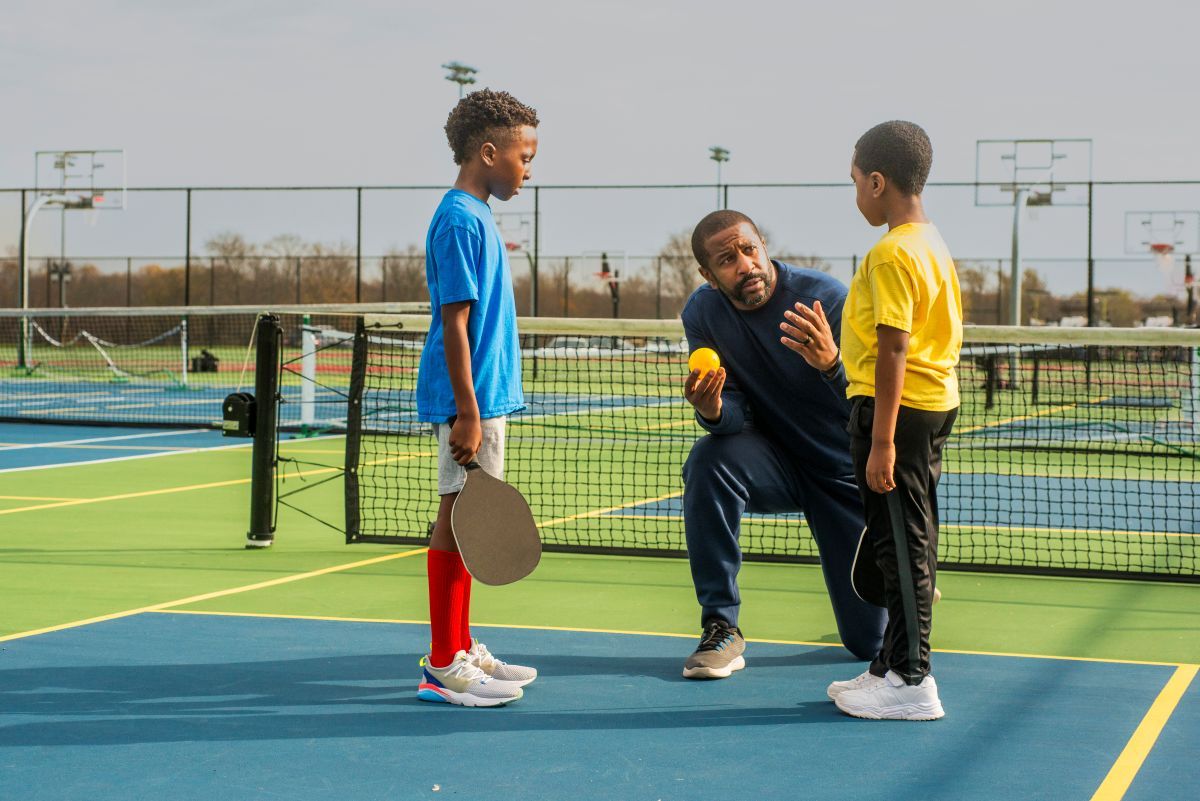
Instruction represents an optional but impactful investment. Structured coaching accelerates improvement and prevents the development of inefficient habits.
Private Lesson Pricing
Private pickleball lessons generally cost between $50 and $120 per hour, depending on the coach’s experience and certifications.
Coaches affiliated with organizations such as PTR, PPR, or PCI often command higher rates due to recognized credentials and structured training backgrounds.
Urban markets typically see higher lesson pricing than suburban or rural areas. High-demand coaches with competitive backgrounds may exceed $120 per hour.
Group Clinics and Programs
Group clinics offer more affordable instruction, typically ranging from $20 to $60 per session. Multi-week programs may bundle sessions into packages priced between $120 and $300, depending on duration and skill level.
Group instruction allows players to develop tactical awareness while interacting with peers at similar skill levels. This format balances affordability with structured development.
Long-Term Value of Coaching
Consistent instruction improves fundamentals, footwork efficiency, and shot selection. Players who invest in coaching often experience faster rating progression and improved competitive performance.
Over time, quality instruction may reduce equipment waste and injury risk by refining technique early.
Platforms like Bounce simplify the process of finding certified coaches in your city. Instead of relying on word-of-mouth or fragmented listings, players can search by:
- Sport
- Location
- Skill level
- Availability
Transparent pricing and streamlined booking reduce friction and help players compare lesson options clearly before committing.
Annual coaching costs vary widely. A player taking one private lesson per month may spend $600 to $1,200 per year, while a clinic-focused player might invest significantly less.
League and Tournament Costs
Structured competition adds another layer of expense but often increases engagement and skill growth.
Recreational League Fees
Local recreational leagues typically cost $50 to $150 per season. Fees usually cover:
- Court access
- Organization
- Scheduling
- Administrative coordination
Some leagues include shirts or small prizes.
Season lengths vary from four to ten weeks. Players may participate in multiple seasons per year, depending on availability and interest.
Tournament Entry Fees
Tournament participation ranges from $40 to $100 or more per event. Larger sanctioned events may charge higher registration fees. Travel, lodging, and meals add additional expenses for players competing outside their local region.
Competitive players who enter multiple tournaments annually should account for cumulative travel-related costs, which often exceed entry fees themselves.
Social and Ladder Formats
Round robins, ladders, and social mixers often charge modest participation fees, typically between $10 and $40 per event. These formats emphasize community engagement and skill-balanced match play.
Annual league and tournament expenses range widely from under $200 for casual participants to several thousand for highly competitive players.
Ongoing Annual Cost Breakdown
The total cost of playing pickleball depends heavily on frequency and commitment level.
Casual Player (1–2 Times Per Week)
A casual player using public courts and owning mid-range equipment might spend:
- Paddle and ball replacement: $100–$200 annually
- Occasional drop-in fees: $100–$300
- One or two clinics: $100–$200
Estimated annual range: $300 to $700
Intermediate Club Player
An intermediate player with a club membership and structured participation may incur:
- Membership: $1,000–$2,000
- Equipment upgrades: $150–$300
- Clinics and leagues: $300–$800
Estimated annual range: $1,500 to $3,000
Highly Engaged Competitive Player
A competitive player regularly entering tournaments and taking lessons may invest:
- Premium equipment: $250–$400
- Membership: $1,500–$2,500
- Lessons: $1,000+
- Tournament travel: variable, often $1,000+
Estimated annual range: $3,000 to $6,000 or more
These ranges illustrate that pickleball remains flexible. Players can control their spending based on participation intensity.
How to Play Pickleball on a Budget
Affordable participation remains achievable with strategic planning.
Players can prioritize free public courts and open-play sessions to eliminate recurring facility fees. Selecting a durable mid-range paddle rather than upgrading frequently helps control equipment costs. Sharing balls within open-play groups reduces replacement frequency.
Group clinics offer lower per-hour instruction rates compared to private lessons. Participating in local social events rather than traveling to distant tournaments minimizes travel expenses.
Bounce assists budget-conscious players by centralizing local programming in one place. Comparing clinics, leagues, and coaching options within your city allows you to choose opportunities that match both your skill level and financial comfort zone.
Thoughtful planning makes consistent play accessible without excessive spending.
Final Thoughts
The answer to how much it costs to play pickleball depends entirely on how you choose to participate. Entry-level access can remain under $150 for beginners using public courts. Structured club membership, coaching, and competitive play can increase annual investment into the thousands. The sport accommodates both extremes comfortably.
Pickleball’s flexibility is one of its greatest strengths. Players can begin affordably, scale their involvement gradually, and invest in lessons or leagues only when ready. Equipment remains relatively accessible, and public court availability continues to expand across North America.
As the sport grows, organized ecosystems that connect players, coaches, and facilities streamline access and clarify pricing. Platforms such as Bounce reduce friction by allowing players to discover courts, lessons, leagues, and social formats in one place. Transparent information empowers players to make informed decisions about their time and financial commitment.
Ultimately, pickleball remains one of the most scalable racket sports available. Whether participating casually at local parks or competing in structured leagues, players retain control over their total investment while benefiting from a rapidly expanding community.


