Choosing the right paddle directly influences how you control the ball, generate power, manage spin, and protect your arm over time. Equipment in pickleball has evolved rapidly, and paddles now vary significantly in weight distribution, core thickness, face material, and grip configuration.
Understanding these variables allows players to make informed decisions rather than relying on branding or trends.
This guide breaks down the key performance factors - weight, core, face material, grip, shape, and budget - so you can confidently select equipment aligned with your playing style.
Equipment alone does not create improvement, but the right paddle removes unnecessary limitations and supports structured growth.
Understand Your Player Profile Before Choosing a Paddle
Before analyzing specifications, it is important to define your player profile. Paddle selection should match how you play, not how someone else plays.
Skill Level Matters
Beginners benefit most from paddles that emphasize forgiveness and control. Larger sweet spots and thicker cores reduce mishits and help establish consistency. Early-stage players should avoid overly powerful paddles that amplify unrefined mechanics.
Intermediate players often begin refining spin and shot placement. At this stage, paddle balance becomes more important. Control still dominates development, but added responsiveness supports offensive growth.
Advanced players typically seek precise feedback, controlled pop, and optimized spin. They are more sensitive to weight distribution and face texture, and minor equipment adjustments can meaningfully impact performance.
Playing Style Influences Paddle Choice
Your tendencies on court strongly influence what you need:
- Baseline-oriented players benefit from paddles with accessible power and stable cores.
- Control-focused players who prioritize dinking and resets require softer feel and touch.
- All-court players need balanced designs that transition smoothly between defense and attack.
- Spin-heavy players should prioritize textured surfaces and raw carbon faces.
Understanding these tendencies clarifies how to choose a pickleball paddle that reinforces strengths while stabilizing weaknesses.
Frequency of Play
A recreational player competing once per week may not require premium-level refinement.
However, league competitors and tournament players who train frequently benefit from durable materials and optimized feel.
Paddle Weight: The Foundation of Performance
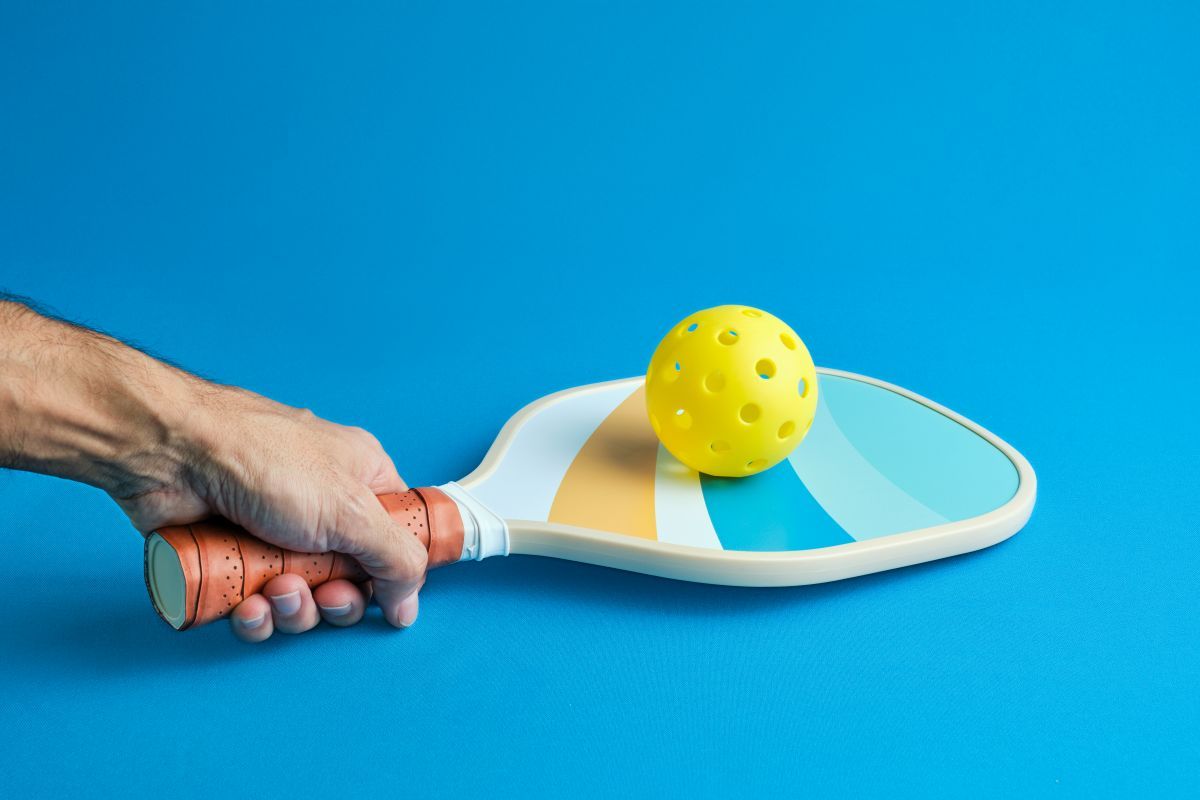
Weight is one of the most impactful variables in paddle selection. It influences swing speed, reaction time, fatigue, and shot depth.
Lightweight Paddles (Under 7.3 oz)
Lightweight paddles prioritize maneuverability. Faster hands improve defensive reactions at the kitchen line and support quick exchanges in doubles. They reduce strain on the wrist and elbow, which benefits players managing overuse concerns.
However, lighter paddles generate less natural power. Players must supply more acceleration to produce depth.
Midweight Paddles (7.3–8.4 oz)
Midweight paddles offer the most balanced profile. They combine sufficient power with reasonable control and are widely preferred across skill levels.
This range provides enough mass for stable contact while maintaining quick handling during fast rallies. Many players transitioning from beginner to intermediate settle comfortably into midweight designs.
Heavyweight Paddles (8.5 oz+)
Heavier paddles deliver greater plow-through and natural power. Baseline players may appreciate the added depth without excessive swing effort.
The trade-off includes slower hand speed and potential arm fatigue over long sessions. Players must ensure their mechanics and conditioning support this additional weight.
Testing weight in live play is ideal. Clinics and open play formats create opportunities to evaluate paddle feel during competitive exchanges rather than isolated practice.
Paddle Core Materials: Control and Feel
The paddle core determines internal structure, affecting vibration dampening and ball response.
Polymer (Polypropylene) Core
Polymer cores dominate modern paddle design. They provide:
- Softer feel
- Reduced noise
- Enhanced control
Most players benefit from polymer’s forgiving response, particularly in touch exchanges at the non-volley zone.
Polymer cores are durable and versatile, making them suitable for nearly all skill levels.
Nomex Core
Nomex cores are firmer and louder. They generate more immediate pop, which can benefit aggressive players seeking power. The firmer response reduces dwell time, meaning less control during soft play.
Nomex is less common today but still appeals to players prioritizing pace.
Aluminum Core
Aluminum cores are lighter and often emphasize touch. They may lack the power of other materials but can suit players who prioritize finesse.
Core Thickness: 13mm vs 16mm
Thickness significantly impacts performance:
- 13mm cores provide quicker response and more pop.
- 16mm cores enhance control, stability, and softer feel.
Most developing players benefit from 16mm thickness because it increases forgiveness and reduces mishits.
Understanding core construction is central to learning how to choose a pickleball paddle aligned with technical growth.
Paddle Face Materials: Spin and Responsiveness
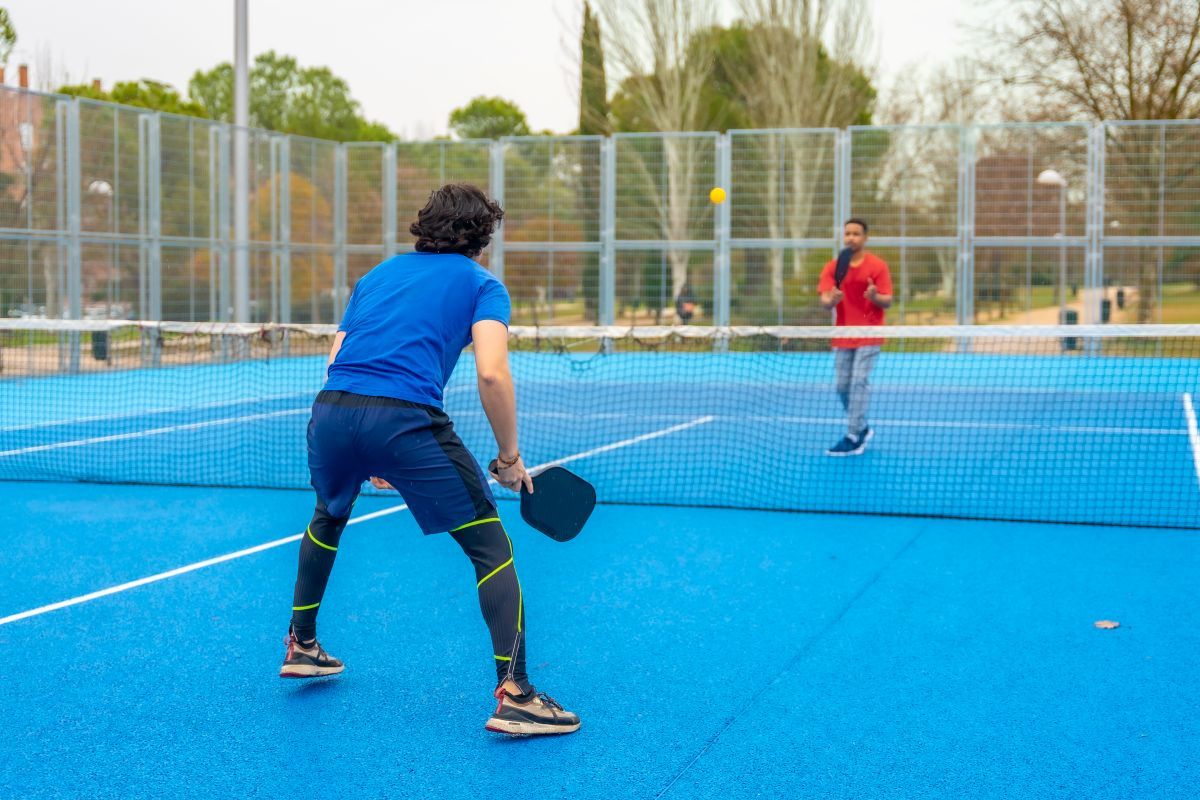
The face material affects ball grip, spin generation, and feedback.
Fiberglass (Composite)
Fiberglass faces create a livelier response and added pop. They support players who want easier power generation.
The surface is typically smoother, limiting extreme spin potential compared to textured carbon options.
Carbon Fiber
Carbon fiber emphasizes control and precision. It offers consistent response and pairs well with thicker cores. Many intermediate and advanced players gravitate toward carbon surfaces.
Graphite
Graphite paddles are lightweight and responsive. They offer balanced performance and remain popular for versatile play.
Raw Carbon and Textured Surfaces
Raw carbon surfaces with textured finishes improve spin. Players who rely on topspin drives and controlled roll volleys benefit from enhanced ball bite.
Spin-focused players competing in structured environments often appreciate the added consistency that textured surfaces provide during competitive play.
Grip Size and Handle Length
Comfort and injury prevention depend heavily on grip configuration.
Grip Size
Standard pickleball grips range from 4 inches to over 4.5 inches in circumference.
- Grip that is too small encourages excessive wrist action and potential strain.
- Grip that is too large restricts mobility and reduces control.
To approximate proper size, measure from the middle crease of your palm to the tip of your ring finger. The handle should allow slight space between fingertips and palm when gripping firmly.
Handle Length
- Longer handles benefit players who use a two-handed backhand or prefer extended reach.
- Shorter handles create slightly larger paddle faces.
- Singles players may appreciate elongated handles for reach.
- Doubles players focused on quick exchanges may prioritize compact balance.
Customization
Overgrips allow minor adjustments without replacing the paddle. Fine-tuning grip thickness enhances comfort and stability.
Selecting correct grip configuration is a fundamental step in understanding how to choose a pickleball paddle that supports durability and long-term health.
Paddle Shape and Sweet Spot Distribution
Paddle shape influences reach, forgiveness, and balance.
| Paddle Shape | Key Characteristics | Sweet Spot Profile | Best For |
| Standard Shape | Balanced design with traditional dimensions and even weight distribution | Larger, more forgiving sweet spot | Beginners and control-focused players |
| Elongated Shape | Extended length for added reach and increased leverage on drives and spin shots | Slightly narrower, more precision-based | Players seeking reach, spin, and power |
| Wide-Body Design | Broader face that increases surface area and overall paddle stability | Enlarged and highly forgiving | Defensive players and those prioritizing control |
Shape selection should match tactical priorities and comfort during extended play.
Power vs Control: Making the Right Choice
Players must determine whether their current stage of development requires additional power or greater control.
Paddle selection should reflect performance patterns rather than preference alone. Identifying recurring tendencies during matches provides clarity.
Signs You May Need More Power
- Difficulty generating depth on groundstrokes
- Passing shots lacking penetration
- Opponents comfortably attacking short balls
Power-oriented paddles can assist offensive production, but they should not replace sound mechanics.
Signs You May Need More Control
- Frequent long errors on drives
- Inconsistent resets and soft shots
- Trouble managing pace in fast exchanges
Control-focused paddles improve stability and help refine precision during development.
The Balanced Option
Balanced paddles often provide the most sustainable growth path. They allow players to sharpen mechanics while maintaining enough pop to stay competitive. This approach prevents overreliance on equipment for shot production.
Singles vs Doubles Considerations
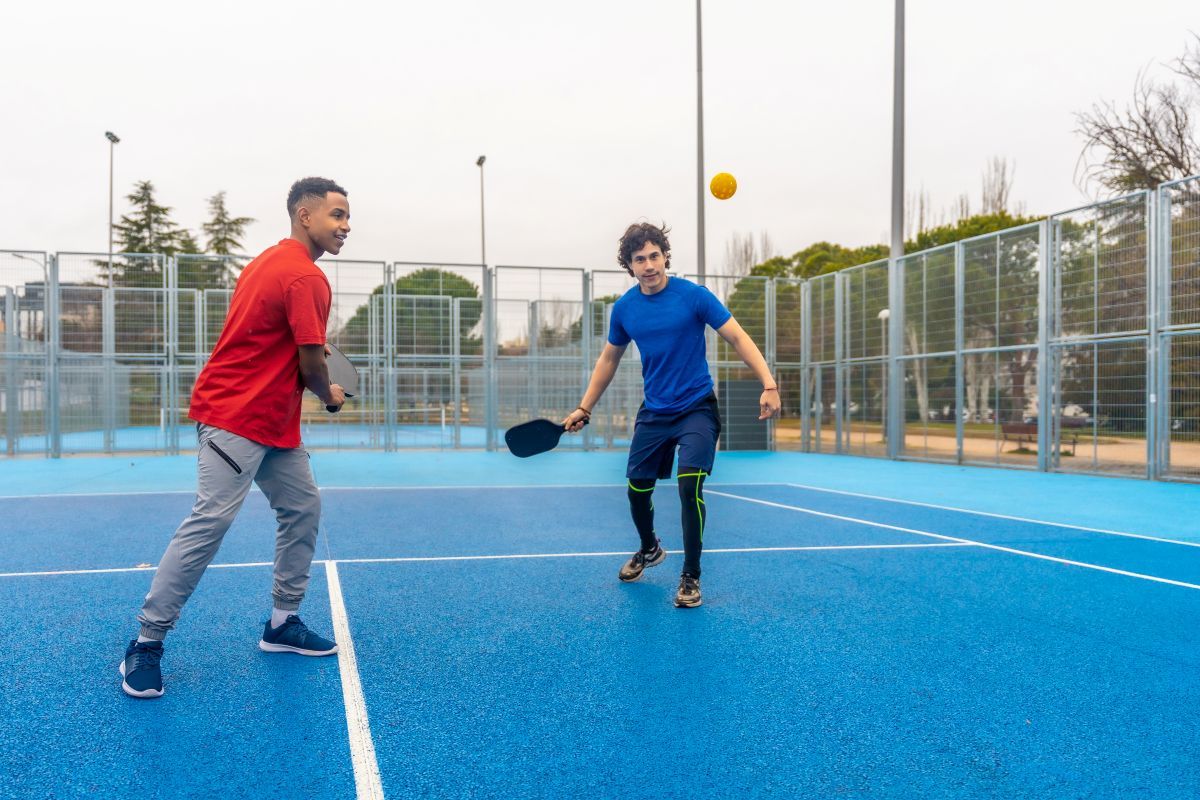
Paddle selection can shift depending on whether you primarily compete in singles or doubles. Each format places different physical and tactical demands on players, influencing weight preference, shape, and overall balance.
Understanding these distinctions helps ensure your paddle supports the specific style of play you encounter most often.
| Format | Primary Demands | Recommended Paddle Characteristics | Performance Focus |
| Singles | Full court coverage, deeper baseline rallies, passing shots, sustained movement | Slightly heavier paddles for added plow-through; elongated shapes for extended reach and leverage | Depth, reach, controlled power, stability during drives |
| Doubles | Fast exchanges at the kitchen line, quick reflex volleys, compact swings | Lighter or midweight paddles for faster hand speed; standard or wide-body shapes for larger sweet spot | Maneuverability, touch, control, reaction speed |
Some competitive players maintain separate paddles for singles and doubles to optimize performance in each format. Evaluating both environments during league matches or social play helps clarify which adjustments feel most natural and effective for your game.
Budget Considerations
Price ranges in pickleball paddles vary significantly, but higher cost does not automatically translate to better performance for every player.
The right investment depends on skill level, frequency of play, and long-term development goals. Spending strategically ensures your paddle supports improvement without unnecessary expense.
Entry-Level Paddles ($50–$90)
Entry-level paddles provide reliable functionality for beginners and casual players. They are suitable for learning fundamentals and gaining match experience without a large financial commitment.
- Solid construction for recreational play
- Adequate control for developing consistency
- Ideal for new players testing long-term interest
These paddles may lack advanced materials, but they serve as practical starting points.
Mid-Range Paddles ($90–$160)
Mid-range paddles typically offer noticeable upgrades in materials, balance, and overall feel. For players participating regularly in clinics, leagues, or competitive matches, this category often provides the best balance between value and performance.
- Improved core technology for better control
- Enhanced face materials for spin and responsiveness
- Greater durability under frequent play
Many consistent players settle comfortably in this range because it supports growth without premium-level pricing.
Premium Paddles ($160+)
Premium paddles refine performance details such as spin generation, weight distribution, and vibration feedback. Advanced competitors are more likely to notice these nuances, particularly in high-pressure match situations.
- High-end materials and precision construction
- Enhanced spin potential and shot feedback
- Optimized balance for competitive environments
Investment should align with your commitment level and frequency of play.
Players engaged in structured leagues and recurring programming often find that mid-range or premium paddles provide greater consistency under competitive stress, while casual players may not require the same level of refinement.
Common Mistakes When Choosing a Pickleball Paddle
Many players rush equipment decisions without aligning choices to their actual needs.
Common errors include:
- Choosing maximum power too early in development
- Ignoring grip size and comfort
- Copying professional player setups without matching skill level
- Selecting paddles solely based on brand reputation
- Overlooking core thickness differences
Avoiding these mistakes protects both performance progression and physical health.
Quick Step-by-Step Checklist
Selecting a paddle becomes simpler when following a structured process:
- Identify your skill level and playing style
- Choose an appropriate weight range
- Select core thickness based on control preference
- Evaluate face material for spin and feel
- Confirm correct grip size
- Test in live play before finalizing purchase
This method ensures decisions are grounded in performance rather than marketing.
Final Thoughts
Choosing the right paddle requires thoughtful analysis of weight, core construction, face material, grip size, and shape. Each factor influences how the paddle responds under pressure and how efficiently technique translates into results. Understanding how to choose a pickleball paddle removes guesswork and aligns equipment with performance goals.
The best paddle is not the most expensive or the most popular. It is the one that matches your current level while supporting steady improvement. Pairing informed equipment decisions with consistent practice and structured play accelerates development.
As players progress through clinics, leagues, and competitive formats - whether independently or through connected ecosystems like Bounce - they gain clarity about what equipment truly enhances their game. Confidence increases when paddle choice supports technique rather than limiting it.
Selecting intentionally sets the foundation for long-term growth and consistent performance on court.