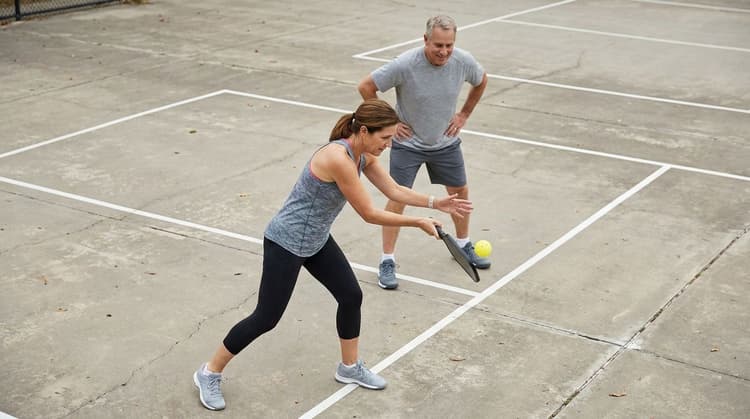
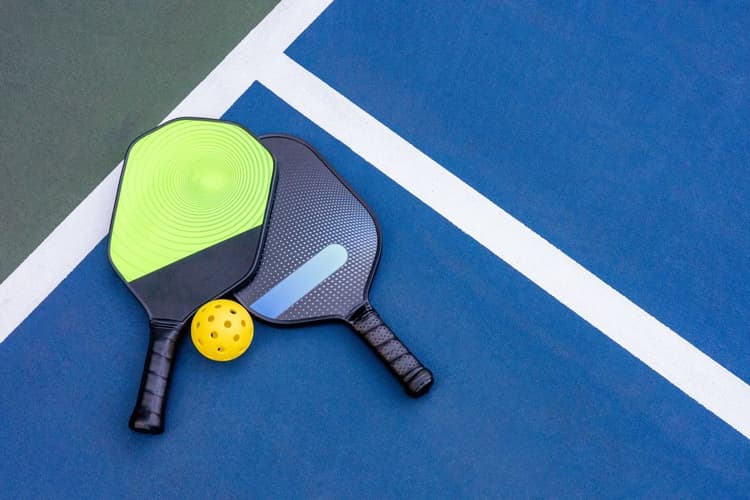
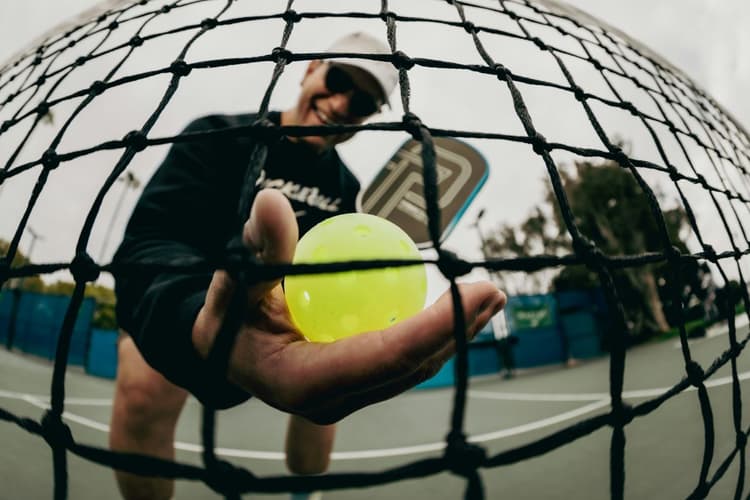
Choosing the correct equipment is a critical step in consistent pickleball performance. The debate around indoor vs outdoor pickleball balls is not about preference but about function. Each type is built for a specific surface and environment, and mismatching them leads to inconsistent bounce and unpredictable flight.
Indoor balls are optimized for smooth gym floors and controlled air conditions. Outdoor balls are engineered to endure rough surfaces and environmental variability. These design differences influence rally speed, shot execution, and durability.
Players who understand how and when to use each ball build stronger fundamentals and experience smoother progression across recreational and competitive play.
What Is a Pickleball? Construction Fundamentals
A pickleball is a hollow, perforated plastic ball designed to balance durability with controlled flight. Official specifications regulate size and weight to maintain fairness across recreational and competitive play. Despite uniform dimensions, internal material properties and hole configurations distinguish indoor and outdoor models.
The ball is produced through a one-piece rotational molding process. This manufacturing method ensures structural integrity and evenly distributed weight. Seamless construction reduces irregular bounce and improves longevity. Precision drilling or molding of holes determines airflow and trajectory stability.
The aerodynamic properties of a pickleball are heavily influenced by hole count, hole size, and spacing. Larger holes create more drag, which slows the ball and stabilizes flight in still-air environments. Smaller, more numerous holes reduce wind interference and help maintain directional control outdoors.
Bounce characteristics depend on both material flexibility and surface interaction. Hardwood gym floors produce different rebound responses compared to textured outdoor concrete.
Manufacturers tailor ball stiffness to complement these surfaces, creating two distinct performance profiles within the broader category of pickleball equipment.
Indoor Pickleball Balls: Features and Performance
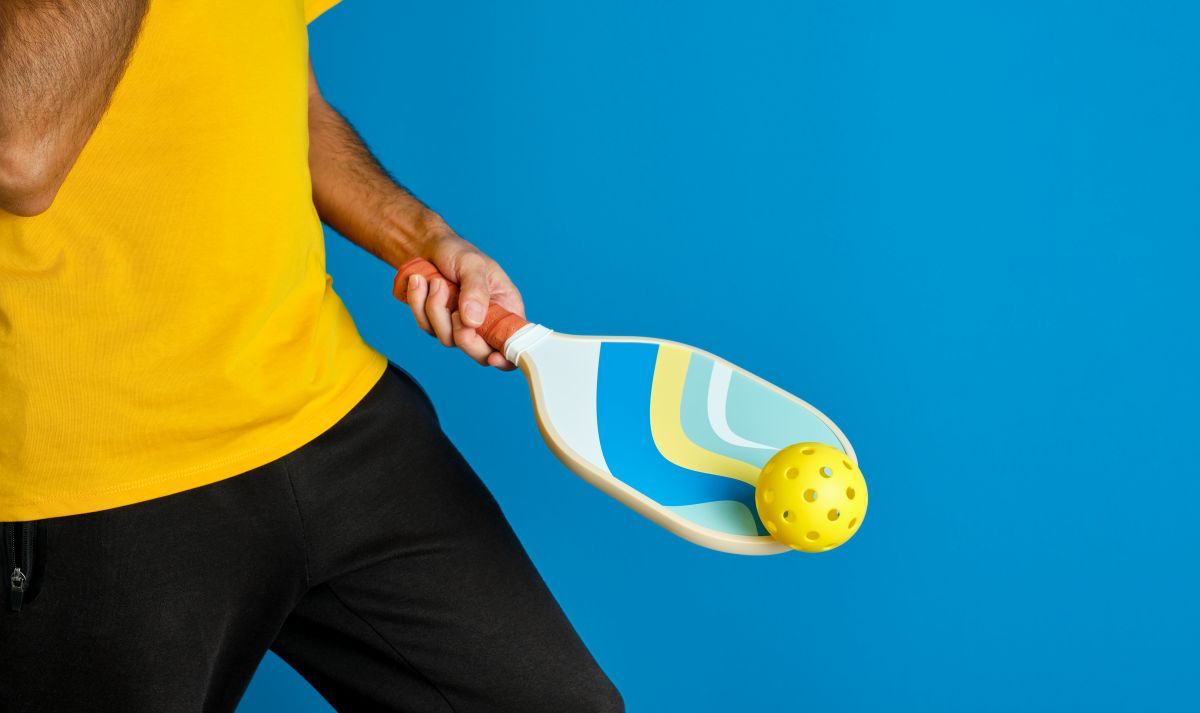
Indoor pickleball balls are engineered specifically for climate-controlled gym environments. Their defining characteristic is a 26-hole configuration with larger openings. These holes increase drag slightly, slowing the ball and enhancing control during rallies.
The plastic used in indoor balls is typically softer and more flexible than outdoor models. This softer composition generates a quieter sound on contact and reduces cracking risk on hardwood surfaces. Flexibility also contributes to a slightly higher and more forgiving bounce.
In match play, indoor balls produce a slower overall pace. Players often experience longer rallies, extended kitchen exchanges, and greater emphasis on touch. The softer construction absorbs some impact energy, leading to smoother transitions between shots.
Spin behavior indoors tends to be more manageable. The slower flight path allows players to execute dinks, drops, and resets with improved accuracy. Control becomes the primary advantage, particularly for beginners and intermediate players refining technique.
Indoor pickleball balls perform best on:
- Hardwood basketball courts
- Synthetic indoor sport flooring
- Dedicated indoor pickleball facilities
Their advantages include:
- Enhanced touch and control
- Reduced noise in enclosed spaces
- Less surface abrasion
- More forgiving bounce for skill development
These characteristics make indoor balls ideal for technical training sessions and structured instructional environments.
Outdoor Pickleball Balls: Features and Performance
Outdoor pickleball balls are built to withstand more demanding conditions. They typically feature a 40-hole design with smaller openings, engineered for aerodynamic stability in moving air. This configuration reduces erratic flight caused by wind.
The plastic used in outdoor balls is harder and more rigid. Increased stiffness improves durability on abrasive surfaces such as concrete and asphalt. Outdoor courts place greater physical stress on equipment, so material strength becomes a priority.
Outdoor balls travel at a faster pace and produce a lower, more skidding bounce. The firmer composition transfers energy more efficiently during contact, resulting in sharper drives and quicker exchanges. Power-oriented players often prefer this feel.
Wind resistance is a major performance factor. Smaller holes minimize turbulence, maintaining directional stability. Even moderate air movement can significantly alter the flight of an indoor ball, which is why outdoor-specific construction is necessary.
Outdoor pickleball balls perform best on:
- Concrete courts
- Asphalt surfaces
- Dedicated outdoor pickleball complexes
Their advantages include:
- Increased durability
- Improved wind stability
- Faster ball speed
- Competitive tournament consistency
Because many sanctioned tournaments take place outdoors, competitive players often train extensively with outdoor balls to replicate match conditions.
Indoor vs Outdoor Pickleball Balls: Side-by-Side Comparison
The differences between indoor vs outdoor pickleball balls become clearer when viewed directly side by side. Construction changes lead to measurable performance variations.
| Feature | Indoor Pickleball Balls | Outdoor Pickleball Balls |
| Hole Count | 26 larger holes | 40 smaller holes |
| Plastic Composition | Softer | Harder |
| Bounce Height | Higher | Lower |
| Speed | Slower | Faster |
| Wind Resistance | Minimal | High |
| Durability | Moderate | High |
| Ideal Surface | Hardwood | Concrete/Asphalt |
These distinctions influence:
- Rally tempo
- Shot selection
- Energy transfer
Indoor balls favor extended exchanges and precision. Outdoor balls reward aggressive positioning and decisive shot-making.
Switching between environments requires adjustment. Timing, paddle angle, and footwork mechanics shift subtly depending on ball speed and rebound characteristics.
Players who regularly train with both types develop broader adaptability and more consistent performance across venues.
Environmental Factors That Influence Ball Performance
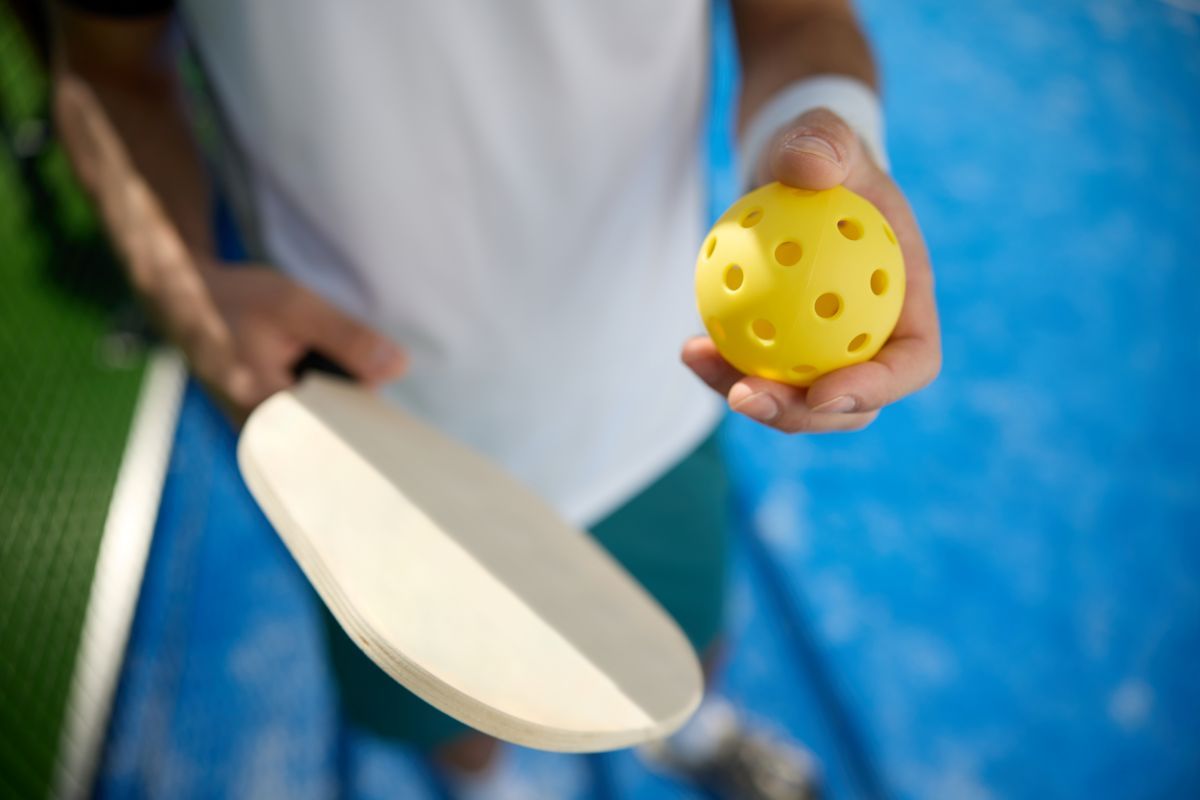
Environmental conditions significantly influence pickleball behavior. Even when using the correct ball type, external variables can alter trajectory, bounce consistency, and durability.
Players who recognize these influences make quicker tactical adjustments and preserve equipment longevity.
Wind
Wind plays a substantial role in outdoor play. Although outdoor balls are engineered with smaller holes for enhanced stability, stronger gusts still cause flight deviations. Elevated courts and open park settings increase exposure, amplifying movement during high or spinning shots.
Indoor balls are particularly vulnerable to wind interference because they lack the aerodynamic structure necessary for outdoor conditions. This mismatch often results in erratic ball travel and inconsistent rally rhythm.
Key wind-related effects include:
- Increased drift on lobs and high returns
- Reduced control on topspin shots
- Greater margin required for deep baseline drives
Players respond by lowering shot trajectory and emphasizing controlled placement.
Temperature
Temperature directly affects plastic flexibility. In colder conditions, plastic becomes firmer and more brittle. Outdoor balls, already constructed with harder plastic, face an increased risk of cracking when exposed to low temperatures. Consistent impact stress accelerates this wear.
In warmer environments, both indoor and outdoor balls soften slightly. This change can influence rebound speed and contact feel. Slight softness may increase bounce height and marginally reduce pace.
Temperature-related performance considerations include:
- Monitoring balls for hairline cracks in cold conditions
- Rotating balls more frequently during winter play
- Adjusting swing timing during high heat
Serious players treat equipment management as part of competitive preparation.
Surface Texture
Surface material strongly affects friction and rebound behavior. Hardwood indoor courts deliver predictable and consistent bounce patterns. The smoother surface complements the softer construction of indoor balls, promoting controlled rallies.
Concrete and asphalt introduce greater friction. Outdoor balls are engineered to withstand this abrasion, but bounce may appear slightly lower or faster due to surface interaction. Subtle skid effects are common, especially during aggressive drives.
Surface-related adjustments include:
- Positioning slightly earlier on outdoor courts
- Anticipating lower rebound on textured surfaces
- Refining footwork for quicker reaction timing
Training across multiple surfaces strengthens adaptability and improves real-match responsiveness.
Structured Exposure to Environmental Variation
Adapting to environmental factors requires repetition in realistic settings. Casual play provides limited exposure, while organized programming exposes players to a wider range of surfaces and conditions.
Through structured clinics, leagues, and recurring competitive formats, players develop instinctive adjustments to wind, temperature shifts, and surface differences.
Bounce facilitates this progression by connecting players with indoor gyms, outdoor courts, certified coaches, and league formats within their city. Consistent access to varied playing environments accelerates technical refinement and builds confidence under changing conditions.
Environmental awareness is not optional for serious improvement. Players who understand how external factors influence ball behavior maintain greater consistency, protect their equipment investment, and elevate overall performance.
Choosing the Right Ball for Your Skill Level and Goals
Selecting the appropriate ball depends on both the environment and developmental stage. Equipment should match the primary playing surface while supporting long-term improvement.
Beginners
New players benefit from the controlled environment of indoor courts. The slower pace and higher bounce of indoor balls promote clean contact and better rally sustainability. This environment reduces frustration and encourages repetition, which strengthens foundational mechanics.
However, beginners who primarily play outdoors should train with outdoor balls early. Learning proper timing with faster ball speeds prevents future adjustment difficulties. Consistency in equipment choice during early development is critical.
Intermediate Players
Intermediate players should intentionally train with both ball types. Alternating environments improves footwork precision, paddle control, and shot selection versatility.
Exposure to varied bounce patterns enhances reaction time and defensive positioning. Organized leagues create structured opportunities to experience both conditions.
Competitive Players
Competitive athletes must practice with tournament-approved equipment. Since many sanctioned events use specific outdoor models, consistent training with those balls eliminates performance variability. Equipment familiarity builds confidence under pressure.
Competitive players often maintain multiple ball types for training diversity. Drilling indoors with control-focused balls and competing outdoors with higher-speed models sharpens adaptability.
Official Standards and Ball Approval
Regulatory standards ensure fairness in organized competition. In the United States, USA Pickleball (USAP) establishes specifications governing weight, diameter, and bounce performance. Approved ball lists determine which models may be used in sanctioned events.
Balls must meet strict requirements:
- Diameter between 2.87 and 2.97 inches
- Weight between 0.78 and 0.935 ounces
- Defined bounce consistency when dropped from a standardized height
These specifications guarantee uniformity across competitive play. Manufacturers submit products for certification to appear on official approval lists.
Training with regulation-approved equipment eliminates surprises during tournaments. Recreational players also benefit from using standardized balls, as consistent performance supports technical refinement.
The Role of Structured Play in Equipment Adaptation
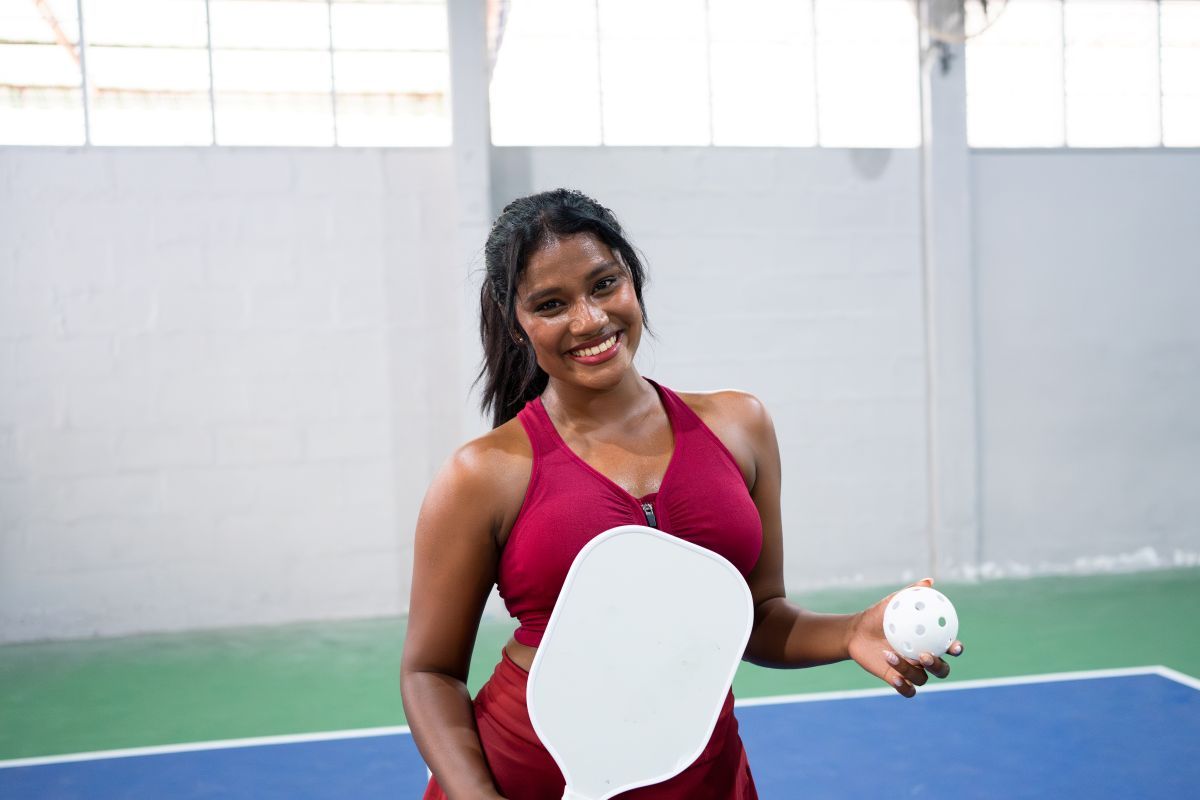
Equipment knowledge becomes meaningful only when applied in real playing environments. Casual practice builds familiarity, but structured formats expose players to diverse opponents, surfaces, and pacing.
Leagues, clinics, and recurring play sessions accelerate adaptation to both indoor and outdoor balls. Players learn how tempo shifts influence strategy. They experience firsthand how spin behaves differently across environments. These adjustments become instinctive through repetition.
Bounce operates as a city-based ecosystem that simplifies access to structured play. Players can search by location, discover indoor gyms or outdoor complexes, book lessons with certified coaches, and join leagues that match their skill level.
Consistent engagement across environments strengthens adaptability. Rather than viewing indoor and outdoor balls as separate categories, experienced players treat them as complementary tools for comprehensive development.
Final Thoughts
The distinction between indoor vs outdoor pickleball balls extends far beyond hole count. Differences in plastic composition, aerodynamic engineering, bounce profile, and durability directly influence pace, control, and shot execution. Using the correct ball for the environment preserves consistency and supports technical growth.
Indoor balls emphasize touch and controlled rally construction. Outdoor balls prioritize durability and stability under demanding conditions. Serious players benefit from understanding both, training intentionally, and adapting mechanics accordingly.
Mastery begins with clarity. Choosing the appropriate ball for each environment reinforces confidence, sharpens performance, and elevates every aspect of the game.