Pickleball strategy determines how effectively a player converts skill into results. While mechanics such as serving, dinking, and volleying are essential, strategic decision-making governs shot selection, positioning, and risk management.
Players who understand strategy consistently outperform opponents with equal or even superior technique by controlling rallies and minimizing errors.
This guide presents 16 proven pickleball strategy principles designed to help players win more points, reduce errors, and control rallies.
Foundational Strategy Principles
Tip 1: Play Percentage Pickleball and Reduce Unforced Errors
At most levels of play, matches are decided by unforced errors rather than outright winners. Percentage pickleball emphasizes consistency, margin, and disciplined shot selection. This approach prioritizes keeping the ball in play while forcing opponents to attempt riskier shots.
High-percentage strategy includes aiming well inside sidelines, clearing the net with margin, and selecting shots that can be repeated reliably. Crosscourt shots offer greater net clearance and court space, reducing risk while maintaining pressure. Players who avoid low-probability attacks often win extended rallies simply by remaining patient and composed.
Reducing errors also involves emotional discipline. Frustration and rushed decision-making frequently lead to unnecessary mistakes. Strategic players maintain steady tempo and accept neutral rallies as part of the winning process.
Tip 2: Control Court Position Before Looking for Attacks
Attacking without proper court position is one of the most common strategic failures. Strong pickleball strategy prioritizes positioning first, then offense. Shots hit from poor balance or defensive locations rarely result in sustainable advantage.
The transition from baseline to non-volley zone must be deliberate. Advancing behind controlled shots rather than aggressive drives allows players to arrive at the kitchen balanced and ready. Charging the net after weak or rushed shots often leads to pop-ups and easy put-aways for opponents.
Controlling court position also means recognizing when to stay back temporarily. Against deep returns or strong drives, holding ground and resetting the point is often the smarter choice. Strategic patience prevents unnecessary point losses.
Tip 3: Establish and Hold the Non-Volley Zone Line
The non-volley zone is the focal point of pickleball strategy. Teams that consistently control this area dictate rally tempo and limit opponent options. Holding the kitchen line allows players to apply pressure without overhitting.
Effective kitchen control depends on footwork, balance, and compact swings. Overreaching or swinging too hard compromises stability and creates openings. Strategic players focus on controlled volleys and soft shots that maintain position.
When pressured, successful players reset the ball into the kitchen rather than forcing attacks. Maintaining the line through discipline and shot tolerance leads to errors from opponents who become impatient.
Shot Selection and Rally Control
Tip 4: Use Shot Selection as a Tactical Advantage
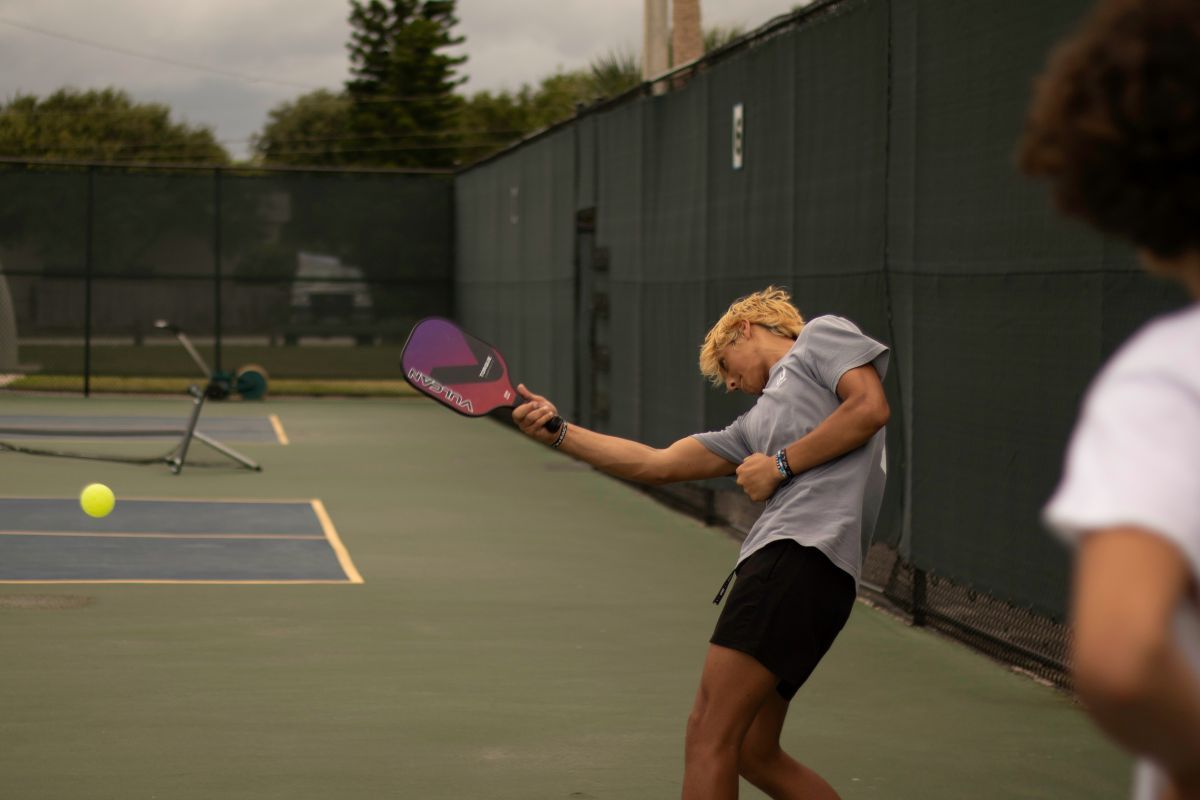
Strategic shot selection involves understanding context, not just mechanics. Each shot should serve a purpose based on positioning, opponent movement, and rally flow.
- Crosscourt dinks stretch opponents laterally and reduce counterattack angles.
- Down-the-line shots are effective when used sparingly to exploit overcommitment.
Targeting open space rather than aiming directly at opponents lowers the risk of counters.
Pace should be applied selectively. Attacking balls above net height with balance creates pressure, while speeding up low balls often hands momentum away. Strategic players vary speed, height, and placement to disrupt rhythm.
Tip 5: Add Strategic Value to the Serve and Return
Although the serve does not allow direct attacking, it establishes rally conditions. A deep, consistent serve pushes opponents back and limits aggressive returns. Placement variation keeps receivers from settling into predictable patterns.
The return of serve plays a greater strategic role. A deep return buys time for the returning team to approach the kitchen while forcing the serving team to hit upward on the third shot. Shallow returns give opponents immediate attacking opportunities.
Positioning after the return is critical. Moving forward under control and stopping before the kitchen line ensures readiness for the next exchange. Strategic returns neutralize the serving team’s advantage.
Tip 6: Make Smart Third Shot Decisions
The third shot determines whether the serving team can transition forward or remain defensive. Strategic players evaluate opponent positioning before choosing between a drop, drive, or hybrid shot.
Drops are the most reliable option when opponents are established at the kitchen, as they neutralize net pressure and allow advancement. Drives are effective against opponents who are still moving forward or positioned too deep.
Hybrid shots blend pace and arc to reduce predictability. Selecting the correct third shot requires awareness, patience, and acceptance that not every ball should be attacked.
Tip 7: Build Points Through a Disciplined Dinking Strategy
Dinking is the foundation of advanced pickleball. Strategic dinking creates pressure through placement, consistency, and patience rather than speed.
Effective dinking moves opponents laterally, tests their balance, and exposes weaknesses. Varying height and depth while maintaining control prevents predictability. Attacks should only follow clear opportunities, such as balls rising above net height.
Rushing dinking exchanges often results in errors. Strategic players understand that neutral dinks are productive and allow openings to develop naturally.
Tip 8: Turn Defense Into Offense With Smart Resets
Defense is a strategic tool, not a last resort. Blocking hard shots softly into the kitchen removes pace and forces opponents to generate their own power again.
Resets are especially important in the transition zone, where players are most vulnerable. Compact swings, relaxed grips, and soft hands enable controlled resets under pressure.
Consistent defensive resets frustrate aggressive opponents and shift rallies back to neutral. Over time, strong defense creates offensive opportunities without forcing them.
Doubles Strategy and Team Play
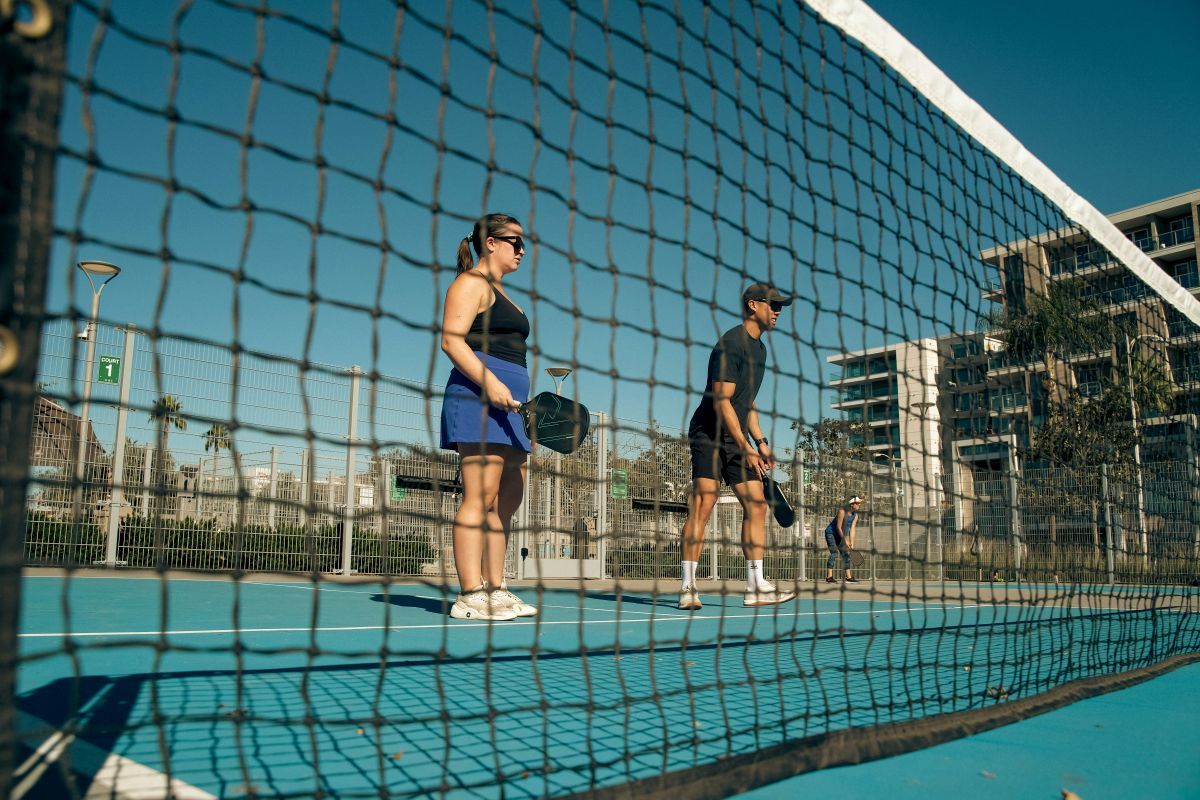
Tip 9: Protect the Middle and Communicate in Doubles Play
The middle of the court is the highest-risk area in doubles. Confusion over responsibility leads to hesitation and unforced errors.
Strategic teams establish:
- Clear middle ownership based on forehand dominance
- Positioning
- Situational awareness
Compact spacing and synchronized movement reduce gaps and improve coverage.
Consistent communication before and during points prevents breakdowns. Calling shots, switches, and responsibilities builds trust and efficiency.
Tip 10: Use Stacking and Positioning to Create Advantage
Stacking is a strategic tool used to maximize strengths, such as dominant forehands or mobility. When executed correctly, stacking improves shot selection and court coverage.
Successful stacking requires disciplined repositioning after serves and returns. Poor execution creates open lanes and confusion. Teams should stack only when it supports their strategic goals rather than complicating play unnecessarily.
Understanding when stacking provides value ensures it enhances consistency rather than introducing risk.
Tip 11: Adjust Strategy Based on Opponent Style
Adaptability is a core strategic skill.
- Against power players, slowing the game down with dinks and resets limits their effectiveness.
- Against soft-game specialists, applying controlled pressure and exploiting openings becomes more important.
Observing opponent tendencies, such as preferred shots or movement limitations, allows targeted strategy adjustments. Flexibility prevents predictability and increases long-term success.
Tip 12: Modify Strategy for Singles and Doubles Play
Singles pickleball emphasizes movement efficiency, depth, and controlled net approaches. Players must manage energy and court coverage carefully.
Doubles strategy prioritizes:
- Net control
- Patience
- Teamwork
Singles-style aggression often fails in doubles due to reduced court space and increased counterattack risk.
Recognizing these differences ensures appropriate strategic application in each format.
Adaptation, Development, and Long-Term Growth
Tip 13: Match Strategy to Skill Level
Strategic focus should align with development stage.
- Beginners benefit from emphasizing consistency, depth, and basic positioning.
- Intermediate players should refine transition play and dinking structure.
- Advanced players focus on anticipation, pressure patterns, and opponent exploitation.
Aligning strategy with skill level prevents frustration and supports sustainable improvement.
Tip 14: Eliminate Common Strategic Mistakes
Frequent strategic errors include:
- Attacking balls below net height
- Speeding up from defensive positions
- Neglecting partner positioning
Strategic discipline involves recognizing when patience is required and trusting high-percentage play.
Eliminating these mistakes produces immediate gains without changing technique.
Tip 15: Develop Strategy Through Structured Play and Coaching
Strategy develops fastest through repetition, feedback, and varied competition. Lessons, clinics, and organized leagues expose players to different playing styles and strategic challenges.
City-based pickleball ecosystems support this growth by connecting players with instruction and structured play.
Platforms like Bounce help players find coaches, leagues, and competitive formats that reinforce strategic principles consistently rather than through isolated practice.
Tip 16: Build a Repeatable Game Plan You Can Execute Under Pressure
The most effective strategy is one that holds up under stress. A repeatable game plan based on strengths, positioning, and shot tolerance provides stability late in matches.
Players who rely on discipline rather than improvisation manage momentum more effectively. Strategy becomes a foundation that supports confident decision-making under pressure.
Final Thoughts
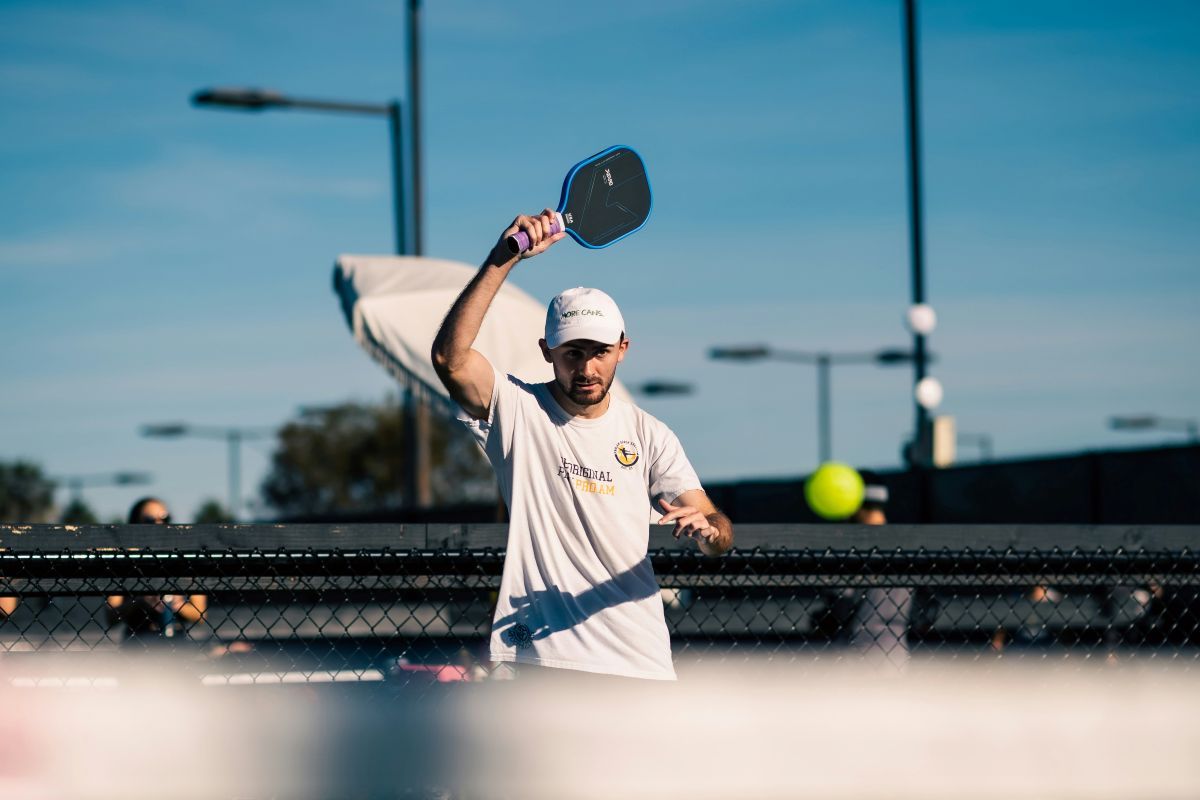
Pickleball strategy compounds over time. Players who consistently prioritize positioning, shot selection, patience, and adaptability gain control of rallies and reduce reliance on low-percentage tactics. Over the long term, smart decision-making proves more reliable than raw power or athleticism.
Strategic improvement accelerates when players practice in structured environments that provide feedback, repetition, and exposure to different playing styles. Lessons, leagues, and organized match play create opportunities to apply strategy in real situations rather than isolated drills.
Bounce helps players turn strategy into results by connecting them with local coaches, leagues, and competitive formats that reinforce smarter play through consistent, organized participation. Players who want to win more points, progress faster, and stay engaged in the sport benefit most from environments that support learning, connection, and purposeful play.
When strategy is practiced regularly alongside instruction and competitive experience, improvement becomes measurable, sustainable, and repeatable.