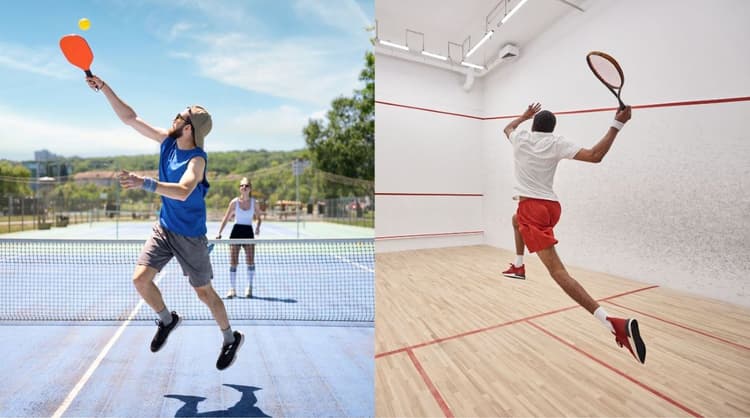
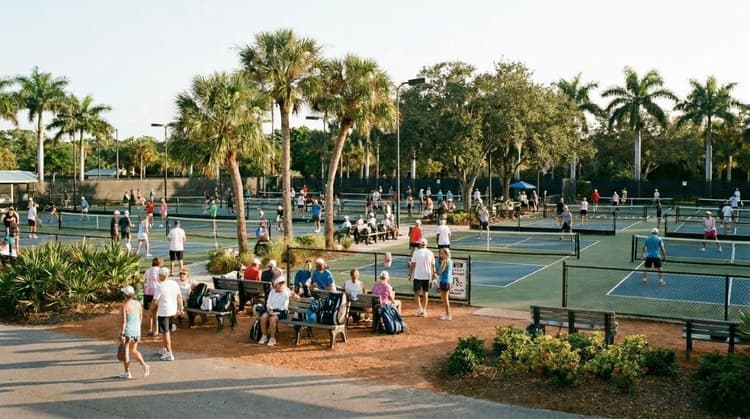
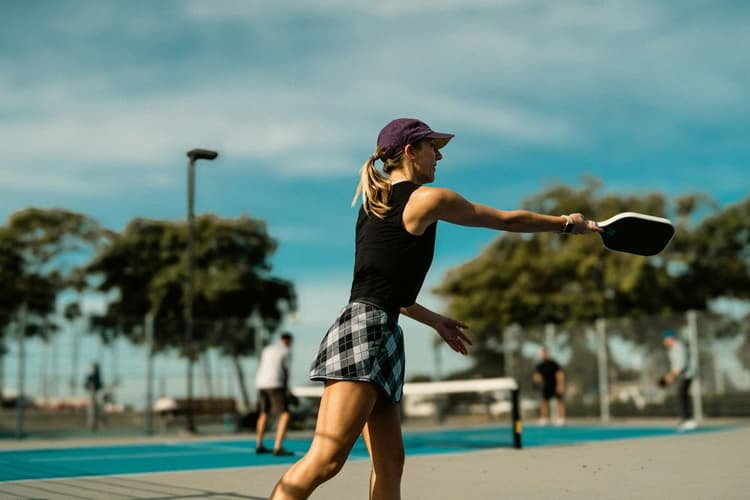
Pickleball and tennis are often compared because they share similar roots, yet they offer very different playing experiences.
As pickleball continues to grow rapidly, more players are trying to understand how it compares to tennis - especially when it comes to difficulty, learning curve, and physical demands. For beginners choosing their first racket sport, this question is especially important.
The reality is that both sports have their own challenges, but they are not equally demanding at the start. Understanding the key differences in technique, movement, and gameplay helps clarify why many players find pickleball easier initially, while tennis remains a more complex long-term pursuit.
Quick Answer: Is Pickleball Easier Than Tennis?
For most beginners, pickleball is easier than tennis. The sport is designed in a way that reduces the initial barriers to entry, allowing players to rally, score points, and enjoy the game much faster. The smaller court, slower ball, and simpler mechanics all contribute to a smoother learning experience.
One of the biggest reasons pickleball feels easier is the immediate feedback loop. New players can sustain rallies within their first session, which builds confidence and encourages continued play. In contrast, tennis often requires multiple sessions before players can consistently control the ball.
That said, ease at the beginner level does not mean simplicity at all levels. As players improve, pickleball introduces its own complexities, particularly in:
- Net play
- Positioning
- Strategy
Tennis, however, remains more physically and technically demanding from the beginning, which is why it is generally considered harder to learn.
Key Differences Between Pickleball and Tennis
Understanding why pickleball is easier requires a clear look at how the two sports differ. While they may appear similar on the surface, their structure leads to very different playing experiences.
| Aspect | Pickleball | Tennis |
| Court Size | Smaller, compact | Larger, requires more coverage |
| Equipment | Paddle (solid surface) | Racket (strung) |
| Ball Type | Plastic, slower | Pressurized, faster |
| Serve Style | Underhand | Overhand |
| Gameplay Style | Control and placement | Power and spin |
The court size alone changes how the game feels. In pickleball, players operate in a confined space, which reduces the need for sprinting and allows for more controlled rallies. Tennis, on the other hand, demands constant movement and recovery across a much larger area.
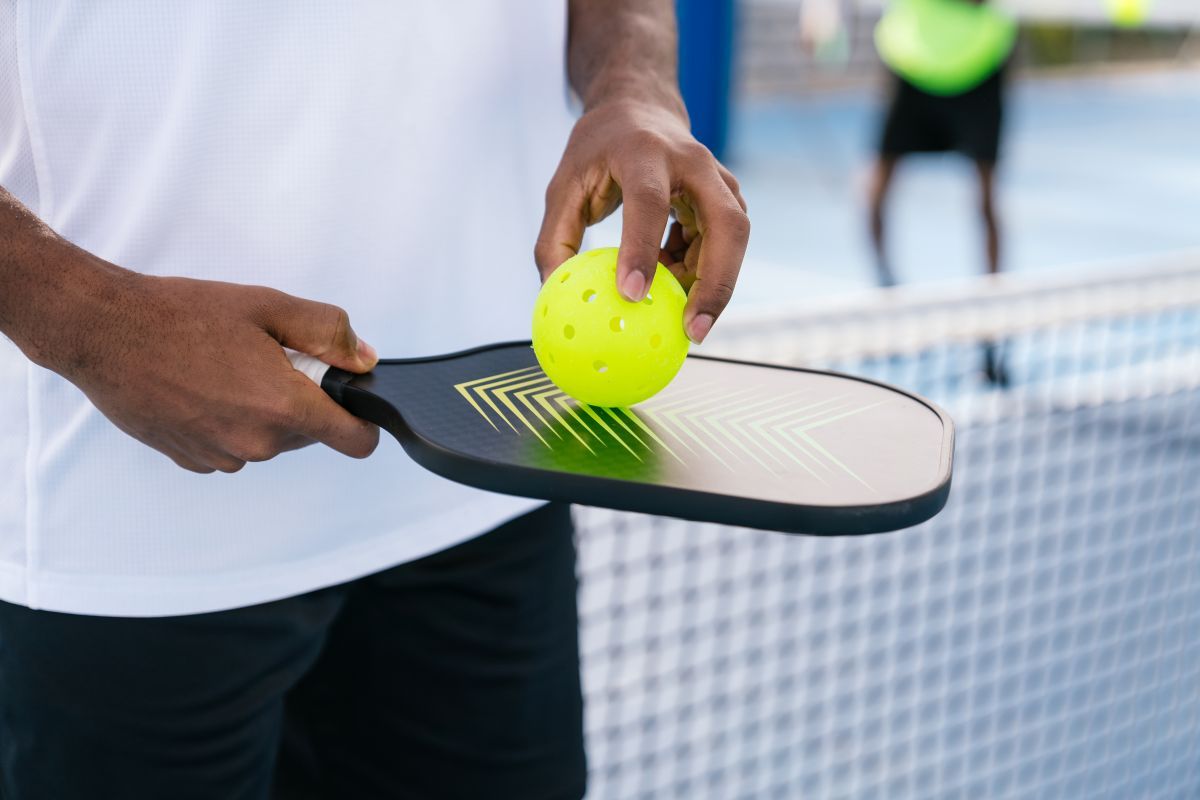
Equipment also plays a major role. A pickleball paddle has a solid face, making contact more predictable and forgiving. Tennis rackets require precise timing and technique due to the string bed and the higher speed of the ball. These differences contribute significantly to the perception that pickleball is easier.
Why Pickleball Is Easier Than Tennis for Beginners
Smaller Court Means Less Movement
The reduced court size in pickleball simplifies movement and positioning. Players do not need to cover as much ground, which lowers the physical barrier for entry and allows beginners to focus on developing basic skills.
This smaller playing area also leads to shorter recovery distances between shots. Instead of sprinting across a wide court, players can maintain balance and control with minimal movement. This helps reduce fatigue and allows for longer, more enjoyable sessions.
Because of this, beginners often feel more comfortable staying in rallies. The game becomes less about chasing the ball and more about placement and timing, which are easier skills to develop early on.
Simpler Technique
Pickleball relies on compact, controlled movements rather than large, complex swings. This makes it easier for new players to understand and replicate proper technique without extensive training.
The paddle design also contributes to this simplicity. With no strings and a smaller swing motion required, players can focus on making clean contact rather than generating power. This leads to quicker consistency and fewer unforced errors.
In tennis, technique is far more demanding. Players must learn:
- Topspin
- Footwork patterns
- Precise timing
all of which take time to develop
This complexity is one of the main reasons beginners often struggle with tennis initially.
Slower Ball Speed
The pickleball moves at a slower pace compared to a tennis ball, giving players more time to react. This increased reaction window allows beginners to position themselves properly and make controlled shots.
Slower ball speed also leads to longer rallies. Instead of points ending quickly due to missed shots, players can engage in extended exchanges that help build rhythm and confidence.
This difference is especially noticeable during early play. Tennis often feels fast and overwhelming for beginners, while pickleball provides a more manageable pace that supports gradual improvement.
Easier Serve
Serving in pickleball is significantly more accessible. The underhand motion is natural and easy to learn, allowing players to start points quickly without extensive practice.
In contrast, the tennis serve is one of the most technically challenging skills in sports. It requires:
- Coordination
- Timing
- Strength
Often takes weeks or months to develop consistency.
Because the serve is easier in pickleball, players spend more time actually playing rather than struggling to start points. This contributes to a more enjoyable and less frustrating beginner experience.
Faster Learning Curve
All of these factors combine to create a faster learning curve in pickleball. Beginners can achieve a basic level of competence quickly, which keeps them engaged and motivated.
This rapid progression is one of the main reasons pickleball has grown so quickly. Players feel successful early, which encourages them to continue playing and improving.
Bounce further supports this progression by helping players find beginner-friendly games, local coaches, and structured sessions, making it even easier to get started and improve consistently.
Why Tennis Is Harder to Learn (But Still Worth It)
Requires More Physical Endurance
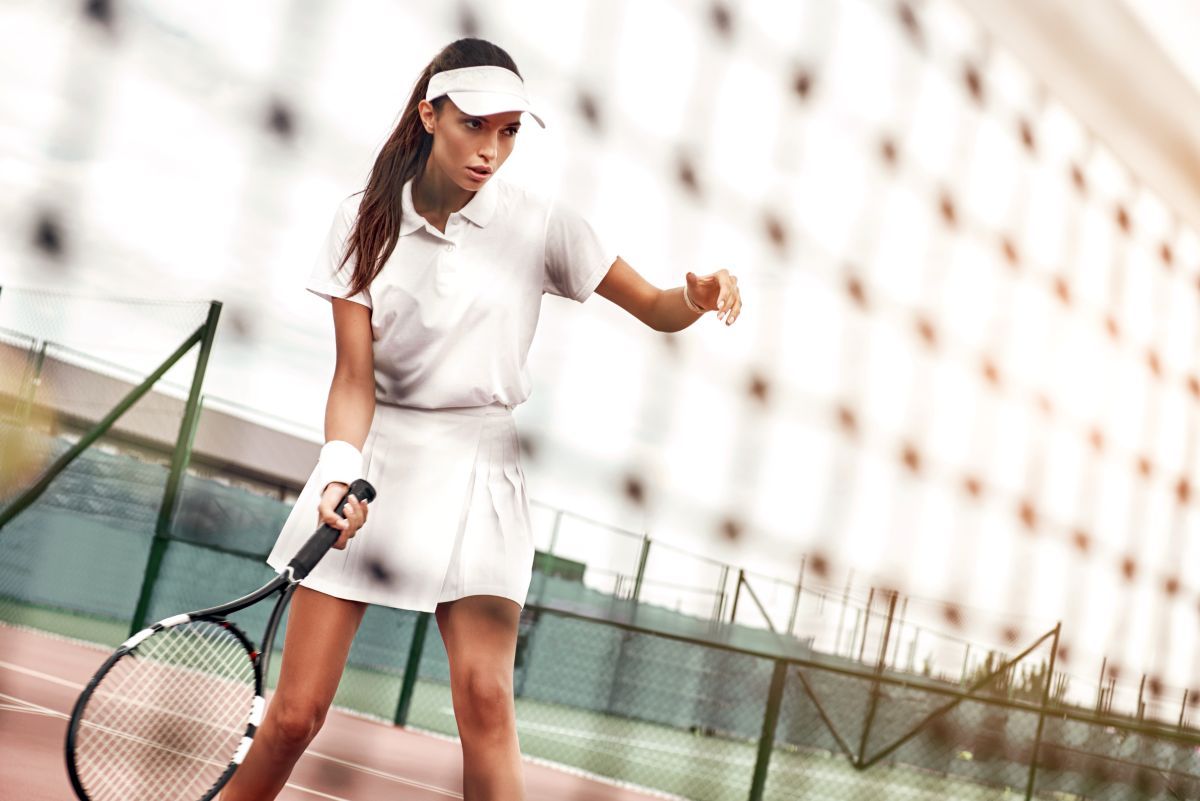
Tennis is played on a much larger court, which significantly increases the physical demands of the game. Players must:
- Cover more distance
- React to faster shots
- Maintain endurance over longer rallies and matches.
This constant movement requires a higher level of fitness. Beginners often struggle with the physical aspect before they can fully focus on developing technical skills.
The increased physical demand is one of the main reasons tennis feels harder early on, but it is also part of what makes the sport rewarding for those who enjoy a more intense challenge.
More Complex Technique
Tennis involves a wide range of technical skills, including:
- Topspin
- Slice
- Volleys
- Advanced footwork patterns
Each of these elements requires practice and coordination.
The mechanics of a tennis stroke are more intricate than those in pickleball. Players must learn how to generate power while maintaining control, which can be difficult for beginners.
This complexity slows down the learning process, but it also provides a deeper level of skill development over time.
Serve Is Difficult to Master
The tennis serve is often considered one of the most difficult skills in sports. It requires:
- Precise timing
- Coordination
- Technique
Beginners frequently struggle to serve consistently, which can disrupt the flow of the game and lead to frustration. Unlike pickleball, where serving is straightforward, tennis demands significant practice just to start points effectively.
Mastering the serve is a major milestone in tennis, but it takes time and dedication.
Slower Progress Early On
Because of the physical and technical challenges, progress in tennis tends to be slower at the beginning. Players may take longer to sustain rallies and feel comfortable during matches.
This slower progression can be discouraging for some beginners, especially those looking for immediate enjoyment. However, for those who stick with it, the long-term rewards are substantial.
With access to structured coaching and organized play - often facilitated through platforms like Bounce - players can accelerate their development and overcome these early challenges more effectively.
Is Pickleball Always Easier? (Important Nuance)
While pickleball is easier to learn, it is not necessarily easy at higher levels. As players improve, the game becomes more strategic and demanding.
Advanced pickleball requires quick reflexes, precise shot placement, and strong communication in doubles play. The non-volley zone, often called the kitchen, adds a layer of complexity that forces players to think carefully about positioning and timing.
The pace of the game also changes at higher levels. While the ball is slower, exchanges at the net can be extremely fast, requiring sharp reactions and control.
This means that while pickleball is easier to start, it still offers depth and challenge for players who want to improve and compete.
Physical Demands: Pickleball vs Tennis
| Category | Pickleball | Tennis |
| Impact on Joints and Body | Lower-impact sport due to smaller court and controlled movements. Places less stress on knees, hips, and ankles, making it more sustainable long-term. | Higher-impact sport with more running, stopping, and directional changes. Greater strain on joints, especially knees and ankles. |
| Cardio and Endurance | Involves short bursts of movement with moderate intensity. Easier to sustain for longer sessions without fatigue. | Requires continuous movement and stamina. Higher cardiovascular demand due to longer rallies and larger court coverage. |
| Injury Risk | Lower overall injury risk, though quick movements can still cause minor issues if technique is poor. | Higher risk of overuse injuries, especially in shoulders, elbows, and knees due to repetitive motion and intensity. |
| Beginner Accessibility | More approachable for beginners and older players due to reduced physical strain. | Can be physically demanding for beginners, requiring higher fitness levels to play comfortably. |
| Long-Term Sustainability | Well-suited for long-term play across age groups due to lower wear and tear on the body. | May require more recovery and conditioning to maintain over time due to higher physical demands. |
This comparison highlights why pickleball is often seen as the more accessible option, while tennis offers a more intense physical challenge.
Which Sport Is Better for Different Players?
Choosing between pickleball and tennis often depends on your goals, fitness level, and preferred style of play.
| Player Type | Pickleball | Tennis |
| Beginners | Best starting point due to simple rules and fast learning curve. Players can rally quickly and build confidence early, making the game enjoyable from the first session. | More difficult for beginners due to complex technique and slower early progress. Requires more time to develop consistency. |
| Older Adults / Seniors | Highly suitable thanks to low-impact movement and manageable pace. Allows players to stay active while minimizing strain on joints. Strong social aspect supports community and engagement. | Can be physically demanding for older players due to court size and intensity. May require higher fitness and mobility levels. |
| Competitive Athletes | Offers strategic depth and fast-paced net play, but generally less physically demanding overall. | Ideal for high-performance players seeking intensity. Demands endurance, advanced technique, and physical conditioning. |
| Social Players | Highly social sport with easy entry into doubles play. Smaller courts encourage interaction and communication. Platforms like Bounce make it easy to find games and meet players. | Social play is available but often less accessible for beginners. Larger courts and skill gaps can make casual play more challenging. |
This comparison makes it clear that pickleball is often the more accessible and social option, while tennis appeals to those seeking a more demanding and competitive experience.
Cost and Accessibility Comparison
Cost and accessibility can strongly influence which sport is easier to start and maintain over time.
| Category | Pickleball | Tennis |
| Equipment Cost | Lower initial cost. Paddles and balls are affordable, making it easy for beginners to get started without a large investment. | Higher upfront cost. Rackets, strings, and proper shoes can be more expensive, especially for quality gear. |
| Court Access | Rapidly growing number of courts. Many public spaces are being converted into pickleball courts, improving availability. | Well-established infrastructure, but court access may be limited or require reservations, especially in busy areas. |
| Lesson Costs | Generally more affordable due to simpler mechanics and shorter learning curve. | Typically more expensive because of the technical complexity and longer learning process. |
| Ease of Getting Started | Very accessible for beginners. Minimal equipment and a quick learning curve make entry easy. | More barriers to entry due to cost, technique, and time required to learn basics. |
| Community & Play Opportunities | Strong and growing community. Easier to join casual games and social play. Platforms like Bounce help players quickly find games, coaches, and local events. | Established but sometimes less beginner-friendly. Organized play may require prior skill or connections. |
This comparison highlights why pickleball is often seen as the more accessible option, while tennis requires a slightly higher investment in both time and cost.
Conclusion
Pickleball is easier to start, more accessible, and quicker to learn, making it an ideal entry point for most beginners. Tennis, while more challenging, offers a deeper and more demanding experience that rewards long-term commitment and skill development.
The best choice depends on what you want from the game. If the goal is to get active, have fun quickly, and connect with others, pickleball is the clear winner. If the goal is to pursue a physically and technically demanding sport, tennis provides that challenge. The smartest approach is to try both and let experience guide the decision.
If you want to take that next step, Bounce makes it easy to get started. You can find local courts, book lessons, join games, and connect with players in your area - all in one place. Whether you choose pickleball or tennis, Bounce helps you spend less time searching and more time playing.