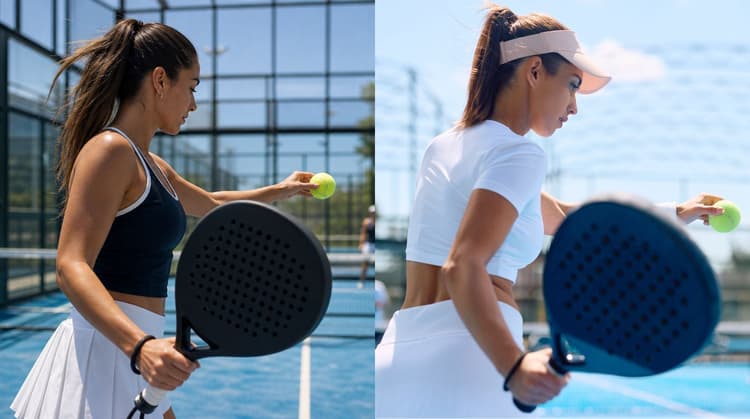
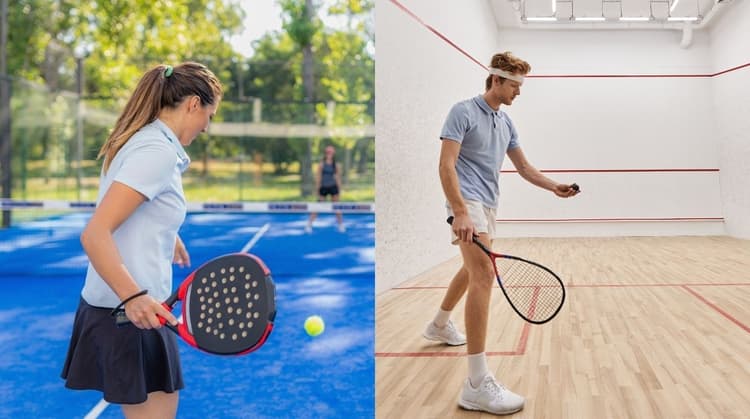
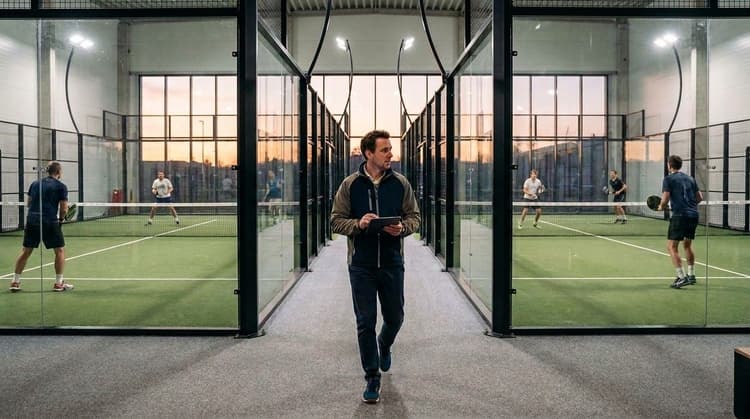
Padel balls and tennis balls look almost the same at first glance. They are both fuzzy, round, bright, and made with a rubber core. That is why many new players wonder whether they can use the same ball for both sports.
The short answer is no. In the padel ball vs tennis ball comparison, the main difference is pressure. A padel ball has lower internal pressure, which makes it slightly softer, slower, and easier to control on a court with glass walls. A tennis ball is usually livelier, faster, and better suited to a larger open court.
That small difference matters a lot. Padel is built around controlled rallies, rebounds from the glass, smart positioning, and shorter reactions. The ball must support that style of play. That design makes more sense once you understand what is padel.
Quick answer: Padel balls and tennis balls look nearly identical, but they are not interchangeable. Padel balls use lower internal pressure, a slightly smaller diameter range, and felt tuned for wall rebounds. A tennis ball on a padel court bounces too high and comes off the glass too fast, so the game loses the control that padel is built around.
Padel Ball vs Tennis Ball: Side-by-Side Comparison
The official numbers explain why the two balls feel close in your hand but different during a point. The International Padel Federation specifies padel ball diameter, weight, rebound, and internal pressure in its rules, while the ITF publishes the corresponding tennis ball specifications. Source: FIP rules and ITF Rules of Tennis.
| Specification | Padel ball | Tennis ball |
| Diameter | 6.35 to 6.77 cm | 6.54 to 6.86 cm |
| Weight | 56.0 to 59.4 g | 56.0 to 59.4 g |
| Internal pressure | Lower, commonly around 10 to 11 PSI | Higher, commonly around 14 PSI for pressurized balls |
| Bounce behavior | More controlled and slightly slower | Livelier and often faster |
| Court use | Designed for padel courts with walls | Designed for tennis courts without glass rebound |
| Felt response | Tuned for turf, glass, and shorter rallies | Tuned for open-court speed and longer ball travel |
| Best for | Padel training, matches, and club play | Tennis training, matches, and open-court play |
The weight is nearly identical. That is why holding both balls will not tell you much. Pressure is the real difference. A padel ball is softer and slower off the surface, while a tennis ball carries more pop and speed.
The Main Difference Is Pressure
A padel ball has lower internal pressure, usually around 10 to 11 PSI when converted from the FIP specification. That lower pressure lets the ball compress more on the racket face, the floor, and the glass.
The result is a lower, slower, more controlled rebound. Rallies last longer. Players have more time to recover position. Placement, patience, and wall reading matter more than raw pace.
A tennis ball behaves differently on the same court. Higher pressure makes it leave the racket face faster, bounce higher off the turf, and ricochet off glass at a sharper pace. The defender gets less time to read the rebound.
That matters because wall play is the point of padel. If the ball comes off the glass too fast, the wall stops being a tactical tool and becomes a problem. The sport turns into rushed reactions and short rallies.
How Size and Weight Compare
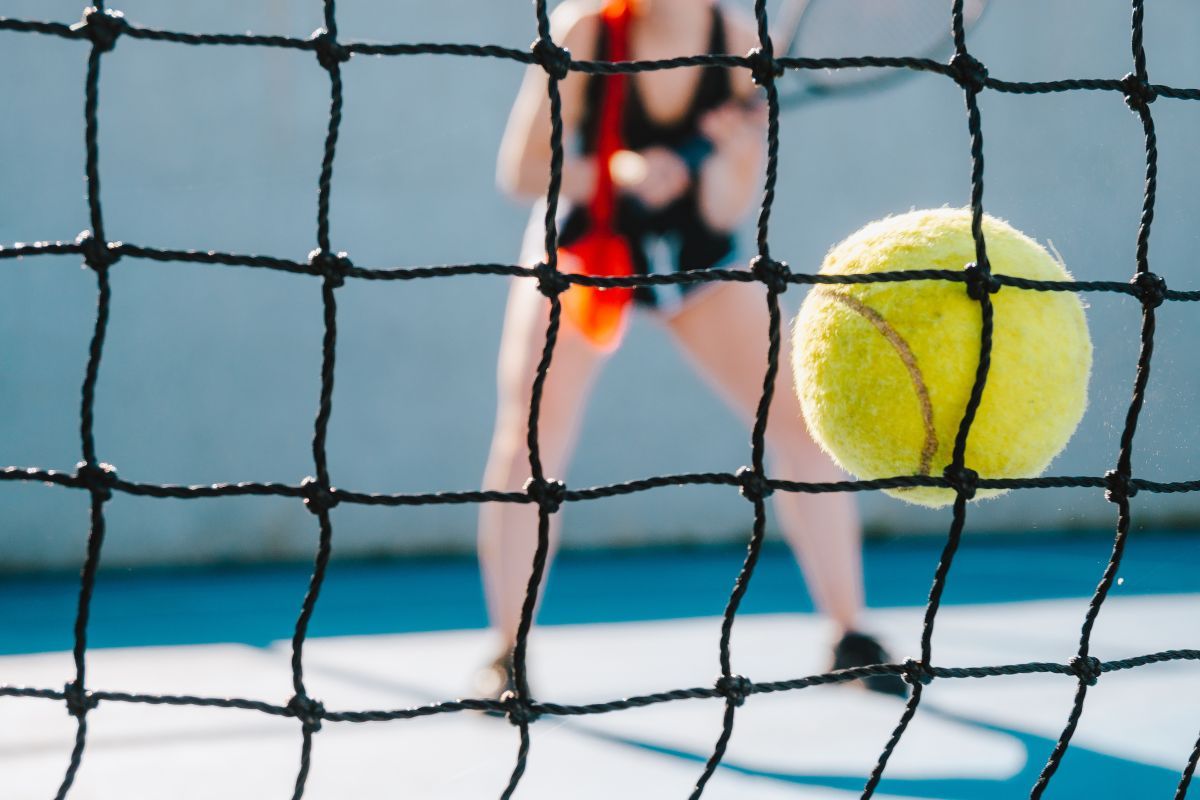
Padel balls and tennis balls are close in both size and weight. In fact, their official weight range is the same. That is why the difference is not obvious when you pick them up.
The diameter range is also very close. A tennis ball can be slightly larger, while a padel ball is often just a touch smaller. Still, the size difference is not the main thing most players notice. The playing feel comes more from pressure, bounce, and felt.
For beginners, this is useful to remember: if two balls look the same, that does not mean they are made for the same sport.
Why Bounce Height Changes the Game
Bounce height affects timing, shot choice, and control. Padel depends on a controlled bounce because the ball often hits the floor, then the glass, then returns into play.
With a proper padel ball, the rebound is easier to manage. You can prepare for lobs, volleys, bandejas, viboras, and defensive shots off the back glass. The ball gives you enough time to read what is happening.
A tennis ball can bounce higher and travel faster after contact. This makes defensive wall shots more difficult and can shorten rallies. Instead of reading the game, players may feel forced to react in a hurry.
The Felt Difference Matters Too
Felt does more than make the ball fuzzy. It affects how the ball grips the racket, how it moves through the air, and how it reacts after contact with turf or glass.
Padel balls are usually tuned for a slower, more controlled response. The felt has to survive repeated wall contact while still giving the player enough grip for lobs, chiquitas, volleys, and spin changes.
Tennis balls are built for a different job. They need to handle harder swings, longer travel, and open-court speed. Even when the visual difference is tiny, the felt response helps explain why the same-looking ball can play wrong on a padel court.
Can You Use a Tennis Ball for Padel?
No. You can physically hit a tennis ball over a padel net. The result will not feel like proper padel. The ball moves too quickly, rebounds too sharply off the glass, and makes sustained rallies harder to build.
The serve becomes harder to return cleanly. Defensive wall shots become rushed. Touch shots lose their normal margin. Most players who try tennis balls for padel only do it once.
There is also a safety angle. Balls at the wrong pressure, either too lively or too dead, can make players grip harder and swing more aggressively to compensate.
Lateral epicondylitis is linked to repeated loaded gripping and wrist extension, especially in racket sports, so bad ball behavior can change more than the score. It can change how your arm absorbs stress. The medical mechanism is explained in this NCBI review of lateral epicondylitis.
For players just getting started, Bounce helps you find clubs, coaching, and sessions where the right setup is already handled. That is easier than guessing with whatever balls you have at home.
This is also why ball specifications sit alongside serving, scoring, and court requirements in padel rules, rather than being treated as a minor equipment detail.
A fresh padel ball starts losing pressure once the can opens. Recreational players usually get 3 to 5 sessions from a can before the ball feels flat. For match play or higher-intensity sessions, peak performance can fade after 1 or 2 uses.
Here are common signs that it is time to replace your padel balls:
| Sign | What it means |
| Dull sound | The ball has lost liveliness |
| Soft squeeze | Internal pressure has dropped |
| Short bounce | The ball no longer rebounds properly |
| Poor glass rebound | Defensive shots become harder to judge |
| Worn felt | The ball loses grip and control |
Fresh balls make the game feel cleaner. They also make it easier to judge whether a mistake came from the ball or your technique.
Heat, humidity, wet felt, abrasive surfaces, and repeated glass contact all shorten ball life. Ball pressurizers can slow pressure loss if the felt is still in good shape, but they do not turn a worn ball into a new one.
Most padel clubs provide fresh balls for booked sessions, which is another reason organized play helps. Bounce connects players with courts, coaches, and sessions near them, so you spend less time solving logistics before you even warm up.
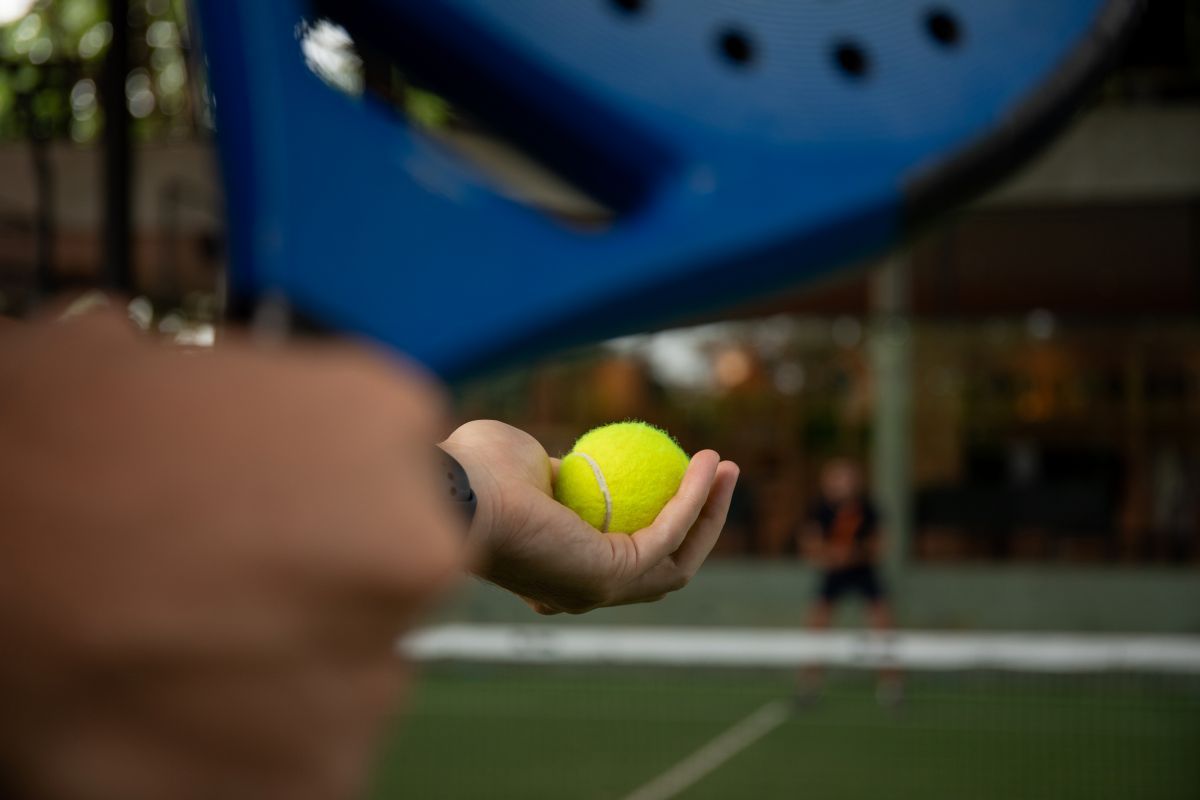
Which Ball Should Beginners Buy?
Beginners should buy padel-specific balls from a reliable racket-sport brand. You do not need the most expensive can, but you should avoid using tennis balls just because they are already at home.
Look for balls labeled for padel, not tennis. If you are playing at a club, ask what ball they use for beginner sessions. This keeps your practice consistent and helps you learn the correct bounce from day one.
If you are buying your first setup, balls are only one part of the wider padel equipment picture, along with the racket, shoes, grip, and a few simple accessories.
Best Practical Advice for Players
Use the right ball for the right court. It sounds simple, but it makes a big difference.
A padel ball helps you practice real padel timing. It supports longer rallies, cleaner rebounds, and better control. A tennis ball may seem close enough, but it changes the game in ways that can slow your progress.
For casual hitting, a wrong ball may not feel like a disaster at first. But for lessons, matches, club sessions, or serious improvement, padel balls are the better and safer choice.
The practical takeaway
Padel balls and tennis balls share the same basic look, but their pressure and playing response make them functionally different. The small PSI gap is enough to change bounce height, glass rebound, rally length, and control.
Use padel-specific balls for padel. Replace them when they feel soft, sound dull, or fail the bounce test. Tennis balls belong on tennis courts.
For players looking to find courts, coaches, and organized sessions near them, Bounce connects you with racket-sport formats in your city.