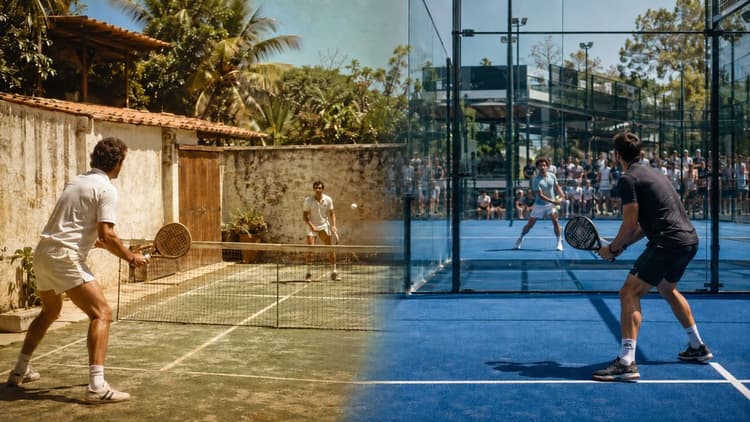
Interest in pickleball vs tennis has surged as pickleball experiences rapid growth and reshapes the landscape of racket sports.
Courts are being converted, communities are forming, and players are increasingly exploring how these two sports compare in terms of accessibility, gameplay, and long-term appeal.
A detailed comparison of pickleball and tennis reveals important differences in rules, equipment, and player experience.
This article provides a structured breakdown of both sports, helping readers understand how each one fits into modern recreational and competitive environments.
What Is Pickleball?
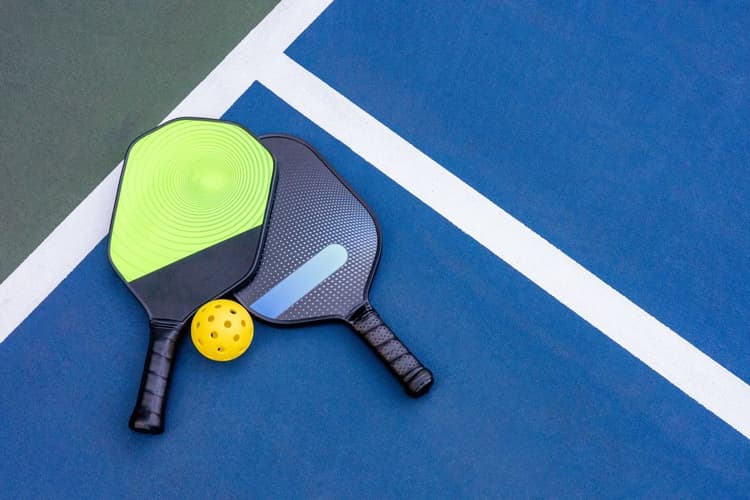
Pickleball is a paddle sport that combines elements of tennis, badminton, and table tennis into a compact and highly accessible format.
It was originally created in the United States in the 1960s and has since grown into a mainstream sport played in parks, clubs, and dedicated facilities worldwide. The game is typically played in singles or doubles, with doubles being the most common format due to its social and strategic nature.
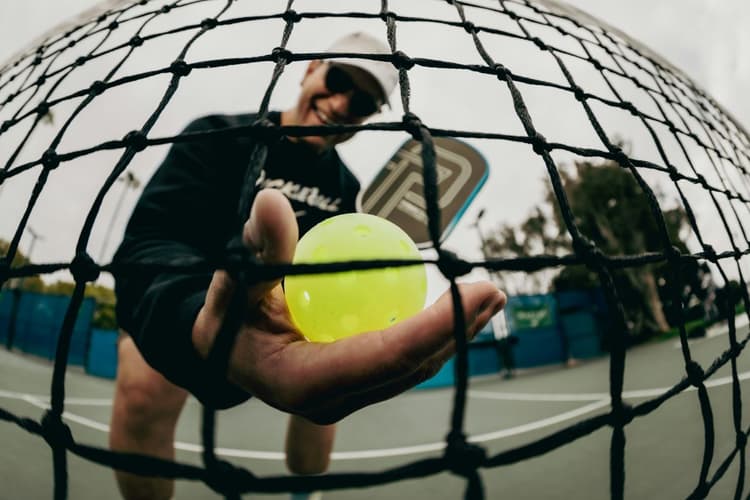
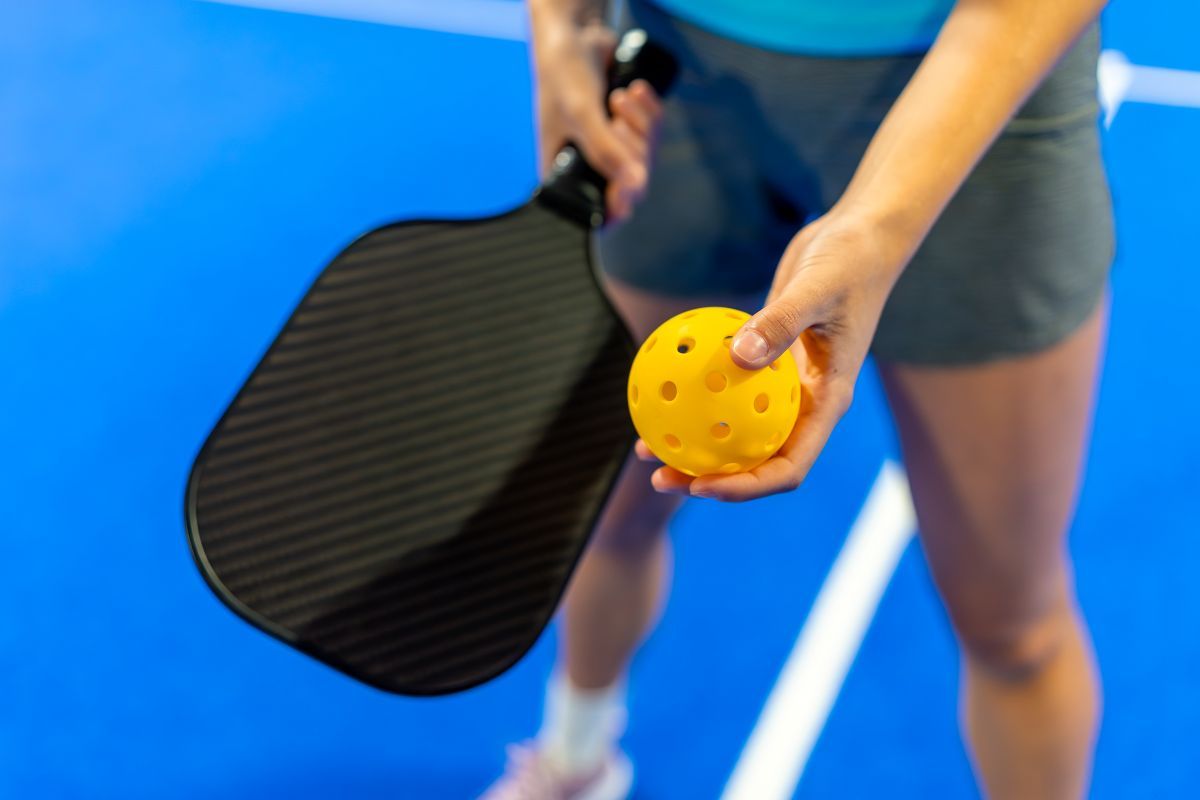
The rules of pickleball are designed to simplify gameplay while maintaining depth. Players use a solid paddle to hit a perforated plastic ball over a net on a smaller court. One of the defining features is the non-volley zone, commonly referred to as the kitchen, which restricts players from hitting volleys close to the net. This rule encourages longer rallies and emphasizes control over raw power.
Scoring in pickleball is straightforward compared to many racket sports. Games are usually played to 11 points, and a team must win by at least two points. Only the serving team can score, which introduces a unique rhythm to matches and places importance on maintaining serve consistency.
This system makes the game easier to follow for beginners while still offering competitive depth.
Pickleball’s appeal lies in its accessibility. The smaller court reduces the need for extensive movement, making it suitable for players of varying fitness levels. At the same time, experienced players can engage in highly strategic rallies that require:
- Precision
- Anticipation
- Quick reflexes
This balance has contributed to its rapid growth across different age groups.
What Is Tennis?
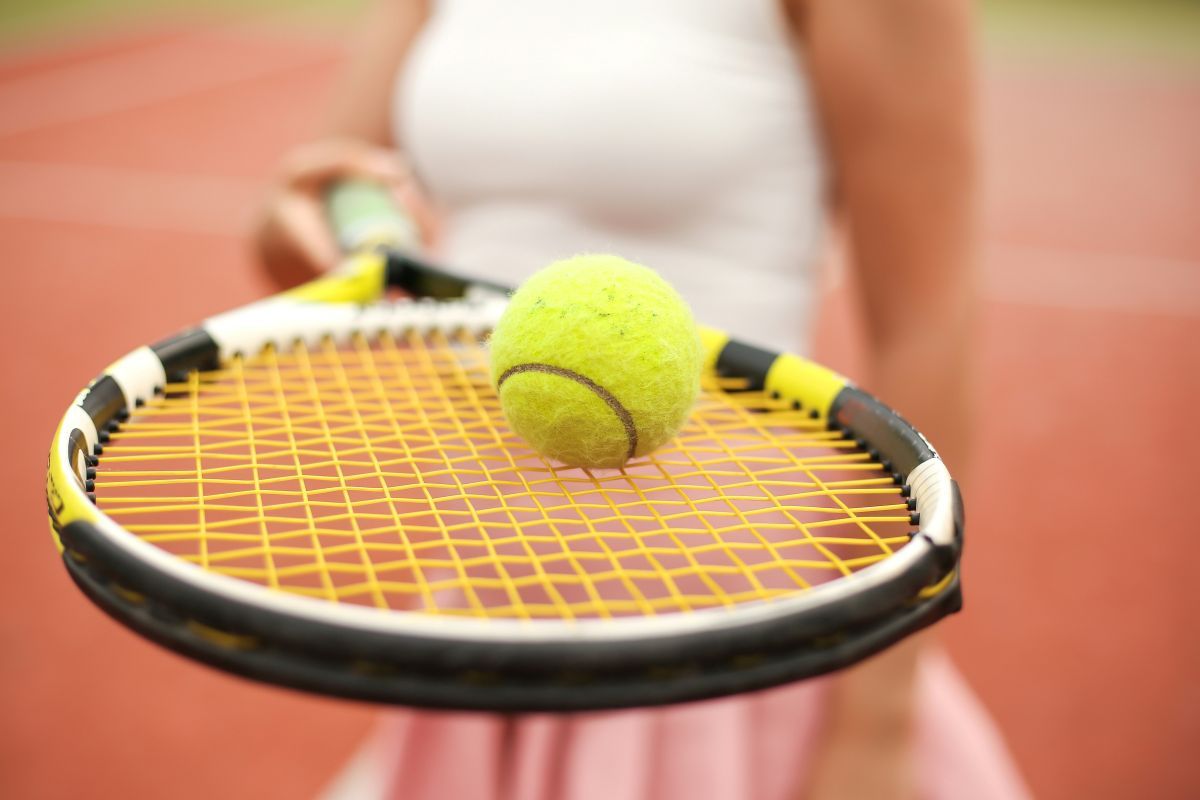
Tennis is a globally recognized racket sport with a long history and a well-established competitive structure.
Played on larger courts with either singles or doubles formats, tennis demands a combination of technical skill, physical endurance, and tactical awareness. The sport has evolved over centuries and remains a central fixture in both recreational and professional athletics.
The fundamental objective in tennis is to hit a pressurized ball over the net into the opponent’s court in a way that prevents a successful return. Players use strung rackets that allow for a wide range of shot types, including:
- Topspin
- Slice
- Volley
- Serves
The versatility of strokes creates a dynamic playing environment where players can adopt different styles, from aggressive baseline play to serve-and-volley strategies.
Tennis scoring is more complex than pickleball, using a system of points (15, 30, 40), games, and sets. Matches can vary in length depending on format, with some lasting several hours at competitive levels. This layered scoring system adds strategic depth but also requires time to fully understand and master.
The sport is known for its physical demands. The larger court requires extensive lateral and vertical movement, placing emphasis on speed, endurance, and footwork. At the same time, tennis offers a broad range of competitive opportunities, from local leagues to international tournaments, making it appealing for players seeking long-term progression.
Pickleball vs Tennis: Key Differences Overview
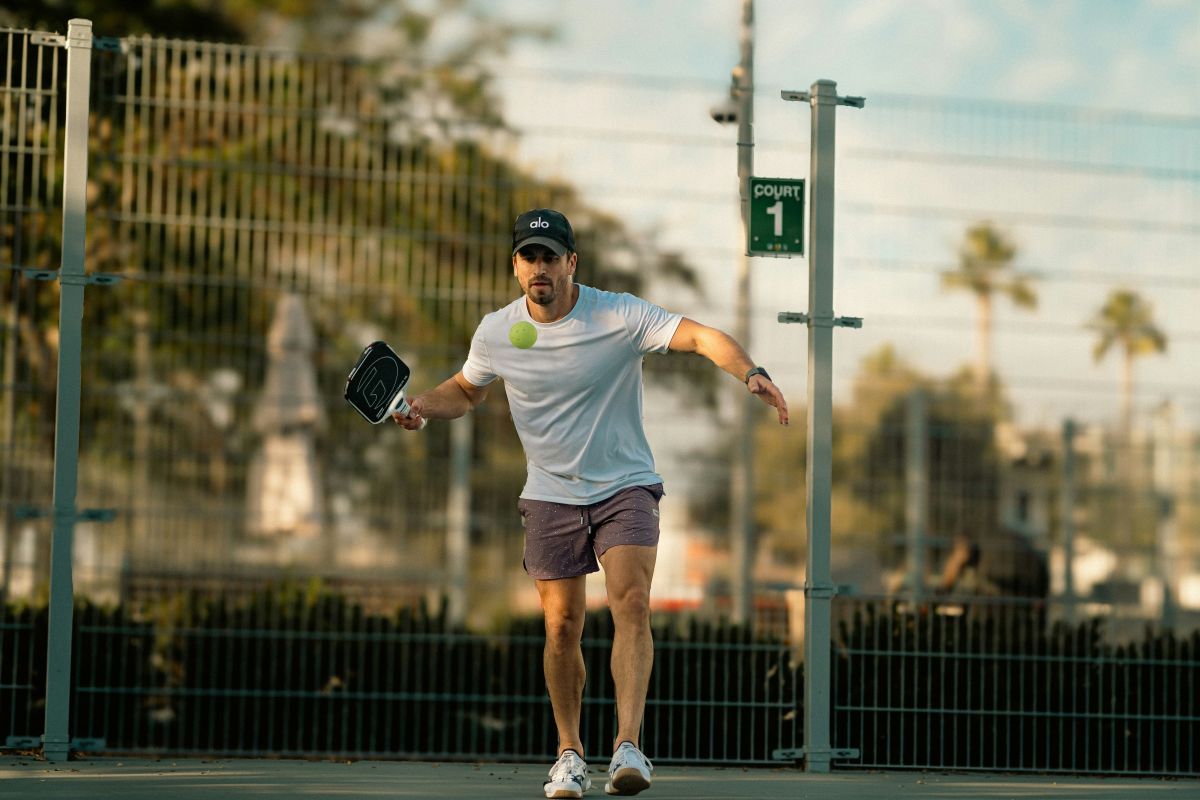
Understanding the core differences between pickleball vs tennis helps clarify why each sport appeals to different types of players. While both involve hitting a ball over a net, their structure, pace, and accessibility vary significantly.
| Feature | Pickleball | Tennis |
| Court Size | Smaller | Larger |
| Equipment | Paddle + plastic ball | Racket + pressurized ball |
| Game Speed | Slower | Faster |
| Learning Curve | Easier | More technical |
| Match Length | Shorter | Longer |
The smaller court and simplified rules of pickleball create a more approachable entry point, while tennis offers greater complexity and physical challenge. These differences influence everything from rally length to player development pathways.
Court Size and Layout Differences
The differences in court dimensions and layout are fundamental when comparing pickleball vs tennis, as they directly shape movement, positioning, and overall gameplay style.
A smaller court creates a more controlled environment, while a larger court demands greater physical coverage and endurance.
| Feature | Pickleball | Tennis |
| Court Dimensions | 20 ft x 44 ft | 78 ft x 27 ft (singles), wider for doubles |
| Court Coverage | Easier to cover due to compact size | Requires extensive movement and speed |
| Movement Intensity | Lower physical strain, shorter distances | Higher intensity with frequent sprints |
| Rally Style | Longer rallies with controlled pace | Faster points with varied shot depth |
| Net Play Rules | Non-volley zone (kitchen) restricts volleys near net | No restriction, aggressive net play allowed |
| Positioning Strategy | Emphasizes placement and patience | Emphasizes power, angles, and court coverage |
| Adaptation for Players | Easier for beginners to manage space | Requires advanced footwork and conditioning |
These structural differences define how each sport feels on the court. Pickleball encourages controlled rallies and strategic positioning, while tennis rewards athletic movement and dynamic shot-making.
For players transitioning between the two, adapting to court size and spatial awareness is one of the most important adjustments.
Equipment Comparison: Pickleball vs Tennis
Equipment is a defining factor in the comparison of pickleball vs tennis, influencing shot execution, control, and overall pace of play. Differences in paddles, rackets, and balls create distinct playing experiences that impact how each sport is learned and performed.
| Feature | Pickleball | Tennis |
| Primary Equipment | Solid paddle | Strung racket |
| Material & Construction | Composite surface with polymer core | Graphite or composite frame with string bed |
| Weight & Handling | Lightweight and easy to maneuver | Heavier with more swing momentum |
| Power Generation | Limited, relies more on technique and placement | High power potential with spin and force |
| Control & Feel | High control with consistent response | Variable control depending on string tension and technique |
| Ball Type | Plastic ball with holes | Pressurized rubber ball with felt covering |
| Ball Speed | Slower, reduced bounce | Faster, higher and more dynamic bounce |
| Spin Potential | Moderate, limited by paddle surface | High, enhanced by strings and swing mechanics |
| Learning Adaptation | Easier to handle for beginners | Requires more technical skill to control effectively |
Rules and Scoring Systems Compared
The rules and scoring structure are key factors in understanding the differences between pickleball vs tennis, as they directly influence match flow, strategy, and overall player experience.
While pickleball focuses on simplicity and accessibility, tennis introduces layered scoring and more complex mechanics that shape competitive play.
| Feature | Pickleball | Tennis |
| Scoring System | Points only scored by serving team | Points scored by either player |
| Score Structure | Games typically to 11, win by 2 | Points (15, 30, 40), games, and sets |
| Match Length | Shorter, more predictable duration | Longer, varies by number of sets |
| Serve Type | Underhand, below waist | Overhand, often powerful and aggressive |
| Serve Impact | Focus on placement and consistency | Can dominate points and create aces |
| Rally Start Rule | Double bounce rule applies | No bounce requirement |
| Volley Rules | Restricted in non-volley zone (kitchen) | No restriction near the net |
| Gameplay Pace | Slower, controlled rallies | Faster, more dynamic exchanges |
| Strategic Focus | Consistency, positioning, patience | Precision, power, and adaptability |
These rule differences define how each sport is played and experienced.
Pickleball promotes longer rallies and strategic consistency through simplified rules, while tennis offers a more complex and dynamic structure that rewards technical execution and competitive resilience.
Learning Curve: Which Is Easier to Start?
The learning curve is a major factor when comparing pickleball vs tennis.
Pickleball is widely recognized as one of the easiest racket sports to learn, largely due to its simplified rules, smaller court, and forgiving equipment. Beginners can quickly develop basic rally skills and start enjoying competitive play within a short period.
Tennis presents a steeper learning curve. Mastering fundamental strokes such as the serve, forehand, and backhand requires consistent practice and proper technique. The larger court also demands better footwork and conditioning, which can be challenging for new players.
Time to proficiency varies between the two sports. In pickleball, players can reach an intermediate level relatively quickly, especially when participating in regular games or clinics. In tennis, progression tends to be slower, as players must refine multiple technical elements before achieving consistency.
Structured coaching plays an important role in both sports. Platforms like Bounce simplify the process of finding qualified coaches, clinics, and training programs. Instead of relying on fragmented resources, players can use Bounce to discover opportunities tailored to their skill level and schedule, accelerating their development in either sport.
Popularity and Growth Trends
The growth of pickleball has been one of the most notable trends in the sports world in recent years. Participation has increased rapidly, driven by its:
- Accessibility
- Social nature
- Ease of entry
Communities across North America and beyond have embraced pickleball as a recreational activity that brings players together.
Tennis, while more established, continues to maintain a strong global presence. It benefits from:
- A long history
- Professional tours
- Widespread infrastructure
Major tournaments and international competitions keep the sport visible and relevant across generations.
Demographic trends highlight key differences. Pickleball has attracted a diverse range of players, including older adults and beginners seeking a low-impact activity. Tennis tends to attract players interested in long-term skill development and competitive progression, though recreational participation remains strong.
Platforms like Bounce play a growing role in supporting both sports. By connecting players with local coaches, clubs, and events, Bounce helps sustain engagement and makes it easier for new players to enter the ecosystem. This type of infrastructure is especially important as demand for organized play continues to increase.
Pros and Cons of Pickleball
| Pros | Cons |
| Easy to learn and beginner-friendly | Less emphasis on power and athletic intensity |
| Lower physical strain due to smaller court | Limited court coverage compared to tennis |
| Strong social and community environment | Developing competitive structure in some regions |
| Shorter matches that fit into busy schedules | Fewer advanced pathways compared to established sports |
Pros and Cons of Tennis
| Pros | Cons |
| High level of athletic and technical challenge | Steeper learning curve for beginners |
| Established global competitive ecosystem | Greater physical demands and endurance requirements |
| Wide variety of playing styles and strategies | Higher barriers to entry in some locations |
| Long-term skill development opportunities | More time required to reach consistency |
Can You Play Both Pickleball and Tennis?
Playing both sports provides a well-rounded approach to racket sports development. Many skills transfer effectively between pickleball and tennis, including hand-eye coordination, footwork, and court awareness. Engaging in both can enhance overall performance and prevent monotony in training.
Players who alternate between sports often develop a broader understanding of strategy and shot selection. Pickleball improves control and precision, while tennis builds power and endurance. Combining these elements creates a more complete skill set.
Final Verdict: Pickleball vs Tennis
The comparison of pickleball vs tennis highlights two distinct yet complementary racket sports.
Pickleball stands out for its accessibility, social nature, and ease of learning, making it ideal for players seeking a quick entry point and consistent recreational play. Tennis offers a deeper technical challenge and a well-established competitive pathway, appealing to those interested in long-term progression.
Both sports provide valuable experiences, and the best choice depends on individual preferences, goals, and access to facilities. Many players find that engaging in both creates a balanced and enjoyable approach to staying active.
For those ready to take the next step, Bounce makes it simple to get started. Players can find a coach, join a clinic, or connect with local players all in one place. Explore your city, discover opportunities, and start playing today with Bounce.