At first glance, pickleball and tennis courts may look similar, but they create completely different playing experiences.
The pickleball vs tennis court comparison reveals how court size, layout, and net height influence everything from movement to shot selection.
What seems like a simple difference in dimensions actually defines the rhythm and strategy of each game.
Pickleball vs Tennis Court Size: Dimensions Explained
One of the most noticeable differences between the two sports is court size. This single factor influences everything from physical demand to gameplay style.
| Feature | Pickleball Court | Tennis Court |
| Length | 44 ft | 78 ft |
| Width | 20 ft | 27 ft (singles) / 36 ft (doubles) |
| Total Area | 880 sq ft | 2,106–2,808 sq ft |
A pickleball court is significantly smaller, roughly one-third the size of a doubles tennis court. This compact layout reduces the amount of running required and shifts the focus toward reaction time, positioning, and control.
In contrast, a tennis court demands more movement and endurance. Players must cover more ground, chase down shots, and maintain longer rallies. This makes tennis more physically demanding but also opens the door to a wider variety of shot-making and strategies.
Why Size Matters
- Pickleball favors short bursts of movement and quick exchanges
- Tennis emphasizes speed, stamina, and court coverage
- Smaller courts make pickleball more accessible for beginners
- Larger courts create a higher physical barrier to entry in tennis
For many players, especially those just getting started, the smaller size of a pickleball court makes the sport easier to learn and more immediately enjoyable.
Court Layout Differences: Kitchen vs Service Boxes
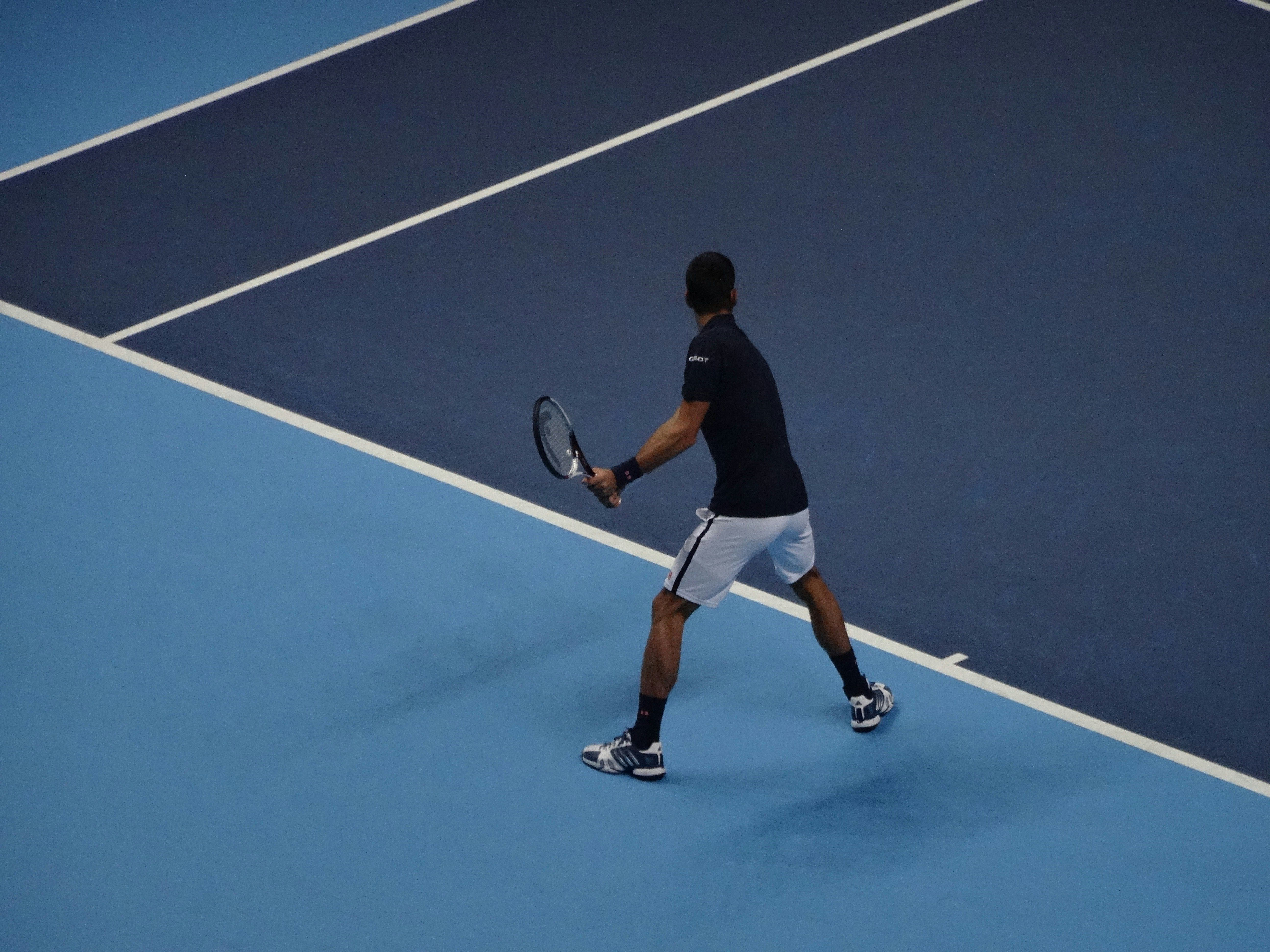
Beyond size, the layout and markings of each court introduce completely different rules and strategies.
Pickleball Court Layout
The defining feature of a pickleball court is the non-volley zone, commonly called the kitchen. This area extends 7 feet from the net on both sides and prevents players from hitting volleys while standing inside it.
This rule:
- Eliminates dominant net smashes
- Encourages controlled, strategic play
- Promotes longer rallies built on patience
Tennis Court Layout
A tennis court is divided into:
- Baseline
- Service boxes
- Doubles alleys
There is no equivalent to the kitchen, meaning players can approach the net and volley aggressively at any time.
Key Differences in Function
- Pickleball limits net aggression through the kitchen
- Tennis encourages attacking play at the net
- Court markings in pickleball create more structured positioning
- Tennis offers greater freedom in movement and shot selection
These structural differences are a major reason why pickleball is often described as more strategic and controlled, while tennis is seen as more dynamic and physically demanding.
Net Height Comparison
Another important distinction in the pickleball vs tennis court comparison is net height, which directly affects how the ball travels and how points are constructed.
Pickleball net height:
- 34 inches at the center
- 36 inches at the sidelines
Tennis net height:
- 36 inches at the center
- 42 inches at the posts
Impact on Gameplay
- A lower net in pickleball allows for flatter shots and softer exchanges
- A higher tennis net encourages topspin and more powerful strokes
- Pickleball rallies tend to stay low and controlled
- Tennis rallies often involve higher arcs and faster pace
This difference reinforces the overall identity of each sport: pickleball rewards precision and touch, while tennis rewards power and spin.
Surface Types and Court Materials
Both sports are commonly played on hard courts, but tennis offers a wider range of surface options.
Shared Surfaces
- Asphalt
- Concrete
- Acrylic-coated courts
These surfaces provide consistent bounce and are widely used in public and private facilities.
Tennis-Specific Surfaces
- Clay courts: slower play, higher bounce
- Grass courts: faster play, lower bounce
- Professional hard courts: optimized for performance
How Surface Affects Play
- Faster surfaces favor aggressive players
- Slower surfaces extend rallies and reward endurance
- Court material impacts joint stress and injury risk
Pickleball is most commonly played on converted or dedicated hard courts, making it easier to integrate into existing facilities.
Can You Play Pickleball on a Tennis Court?
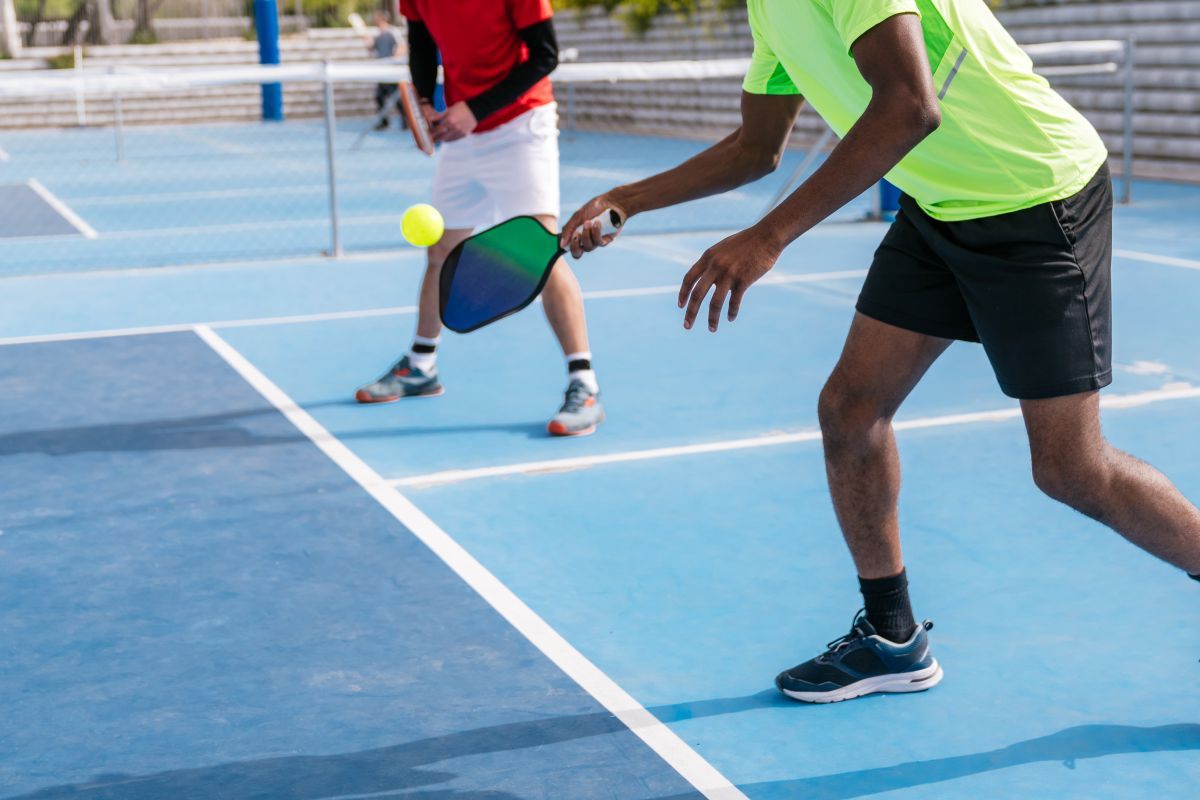
Yes - and this is one of the biggest reasons for pickleball’s rapid growth. Here we have a full guide on playing pickleball on a tennis court.
How Conversion Works
- Temporary pickleball lines can be added to a tennis court
- Portable nets are used to adjust height and positioning
- Permanent conversions are increasingly common
Key Advantages
- One tennis court can fit up to four pickleball courts
- Maximizes space efficiency
- Makes the sport accessible without new construction
This flexibility has allowed cities, clubs, and recreational facilities to quickly adapt to growing demand.
How Court Size Impacts Gameplay and Strategy
The size and layout of each court fundamentally shape how the game is played.
Pickleball Strategy
- Focus on placement over power
- Emphasis on the third shot drop
- Quick transitions to the kitchen line
- Short, controlled rallies
Tennis Strategy
- Use of baseline power and spin
- Greater reliance on serve dominance
- Larger movement patterns across the court
- Longer, more physically demanding rallies
Doubles Play Differences
- Pickleball doubles: tight coordination in a small space
- Tennis doubles: wider positioning and coverage responsibilities
These differences highlight why players often choose one sport over the other based on their preferences for intensity, pacing, and style of play.
Cost and Space Requirements
From a facility perspective, the differences between pickleball and tennis courts become even more apparent when looking at cost, space efficiency, and overall usage.
| Category | Pickleball Courts | Tennis Courts |
| Construction Cost | Lower overall cost due to smaller size and simpler layout | Higher cost due to larger area and infrastructure |
| Space Efficiency | Multiple courts (up to 4) fit in one tennis court area | One court per footprint |
| Maintenance | Lower maintenance requirements | Higher upkeep depending on surface type |
| Player Capacity | Higher player density per court | Lower player density |
| Programming Demand | Growing demand for clinics, leagues, and social play | Stable but slower growth in programming |
| Facility Utilization | Maximizes limited space, especially in cities | Requires more space per match |
Facilities are increasingly converting or repurposing tennis courts to accommodate pickleball because it allows them to serve more players, generate more activity, and respond to rising demand.
This shift is particularly noticeable in urban areas, where efficient use of space and the ability to support more players at once are critical factors.
Pickleball vs Tennis Court: Quick Comparison Summary
| Category | Pickleball Court | Tennis Court |
| Size | Smaller | Larger |
| Net Height | Lower | Higher |
| Layout | Kitchen zone | Service boxes |
| Movement | Short bursts | Long-distance coverage |
| Style of Play | Control & placement | Power & endurance |
This side-by-side comparison highlights how court design influences every aspect of the game.
Which Court Is Better for You?
Choosing between a pickleball court and a tennis court depends on your goals and preferences.
Pickleball may be the better choice if you want:
- A quicker learning curve
- Social, accessible play
- Less physical strain
Tennis may be the better fit if you prefer:
- High-intensity workouts
- Advanced technical challenges
- Competitive match play
Both sports offer unique benefits, and many players enjoy switching between them depending on their mood, fitness level, or social environment.
Conclusion
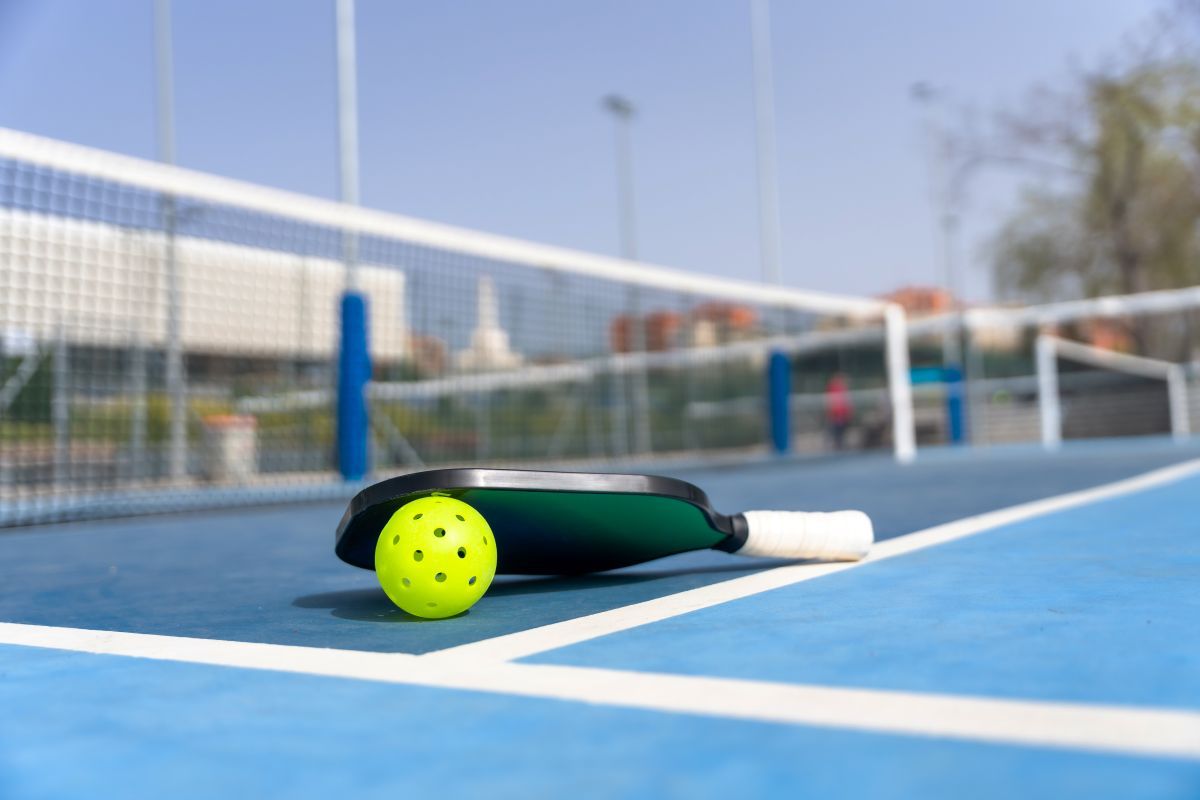
The comparison between a pickleball vs tennis court goes far beyond dimensions. Each court is designed to support a different style of play, level of physical demand, and overall experience.
Pickleball’s smaller, more structured court promotes precision and accessibility, while tennis courts offer space for power, endurance, and advanced strategy.
As both sports continue to grow, access to courts, players, and programs becomes increasingly important. Bounce simplifies that process by bringing together everything needed to play - whether it’s finding a local court, booking a lesson, or joining a league.
If the goal is to play, improve, and connect through racket sports, Bounce provides a clear starting point. Explore your city, discover new opportunities, and step onto the court with confidence.