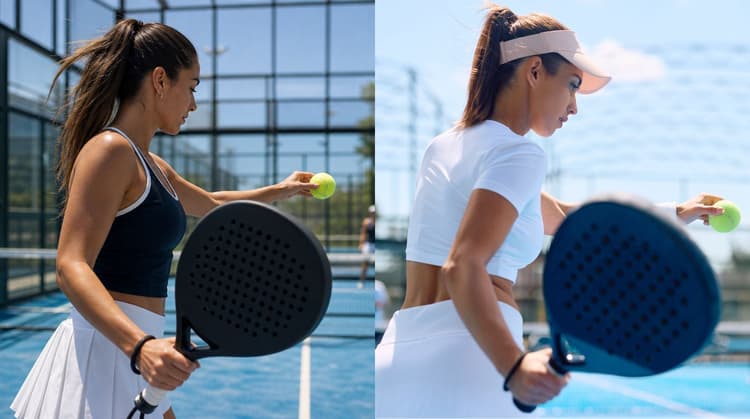
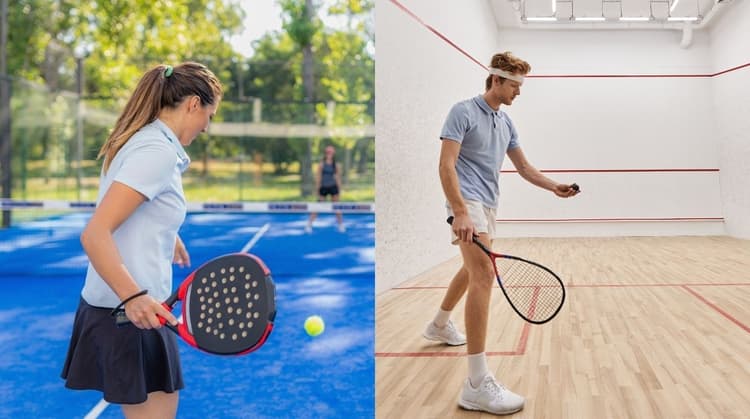
Paddle thickness is one of the most consequential specs in pickleball equipment. A 14mm core delivers faster rebound and more pop; a 16mm core extends dwell time for greater control and forgiveness
Want a quick answer?
A 14mm paddle is better for aggressive players who want pop and offensive speed. A 16mm paddle is better for players building a control-first game around resets and dinking consistency. Most beginners and intermediate players improve faster with 16mm. If you're at 4.0+ and win points with counters and speed-ups, 14mm is worth testing.
Choosing between a 14mm vs 16mm pickleball paddle is one of the most important equipment decisions a player can make. Paddle thickness directly influences power output, control, stability, forgiveness, vibration dampening, and overall feel.
While 2 millimeters may seem insignificant on paper, that structural difference meaningfully changes how the ball interacts with the paddle face and how the paddle performs during fast exchanges and soft-game situations.
What Does Paddle Thickness (14mm vs 16mm) Actually Mean?
Paddle thickness measures the core from face to face. It's the single biggest driver of how a paddle feels on contact, shaping everything from your dink consistency to your counter speed.
Most modern pickleball paddles use a polypropylene honeycomb core, a lightweight material that balances energy return and vibration control. The thickness of that core changes how much the material compresses upon impact and how the energy transfers back into the ball.
A 14mm paddle contains a thinner core, which compresses less deeply during ball contact. This typically results in quicker rebound speed and a firmer feel. A 16mm paddle, by contrast, contains a thicker core that absorbs slightly more impact before releasing energy, increasing dwell time and often creating a more cushioned sensation at contact.
The interaction between thickness and face material also matters. Carbon fiber faces tend to provide greater control and spin potential, while fiberglass faces emphasize pop and responsiveness.
When comparing a 14mm vs 16mm pickleball paddle, thickness and surface composition must be evaluated together. Thickness influences the paddle’s stability, while face materials influence friction and rebound dynamics.
Even though the difference is only 2mm, that adjustment affects several key performance factors:
- Energy return efficiency
- Ball dwell time
- Vibration dampening
- Sweet spot distribution
- Stability on off-center contact
Understanding these mechanical differences builds clarity and prevents selecting equipment based solely on brand marketing.
14mm Pickleball Paddle: Performance Characteristics
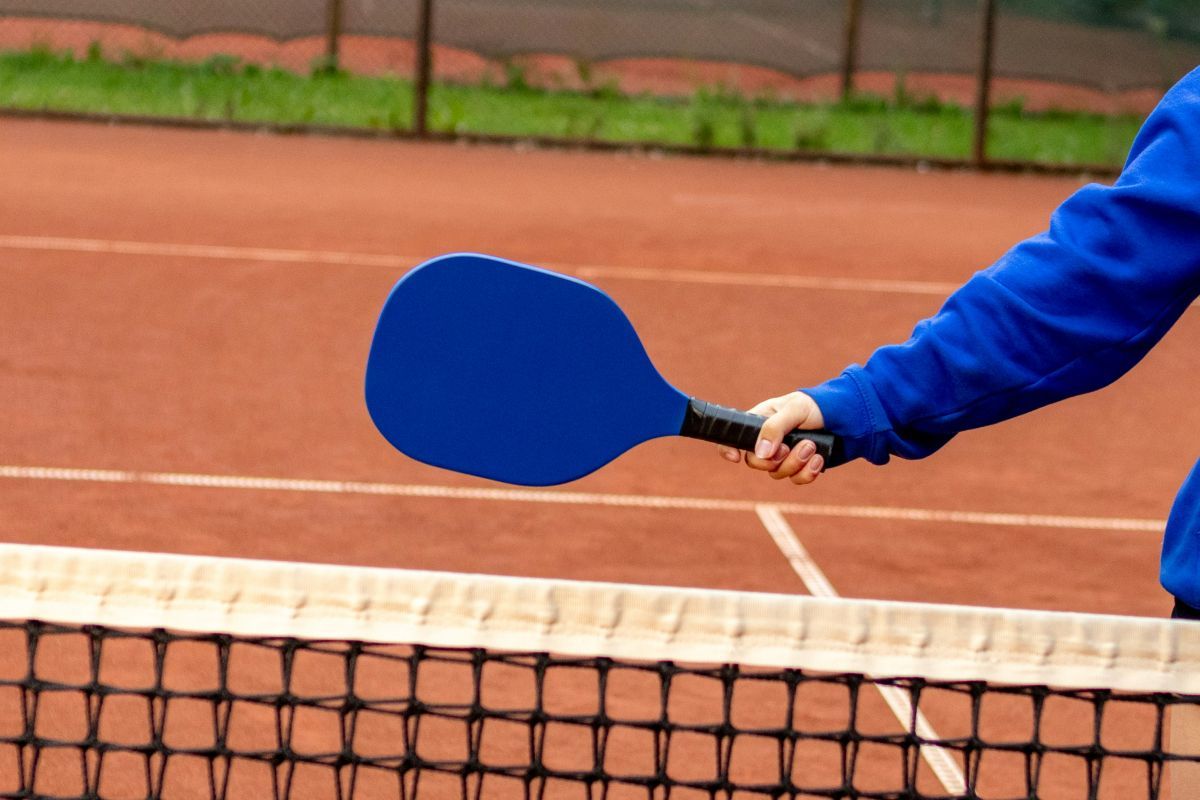
A 14mm paddle is the faster option. It delivers more pop on short swings and a crisper response in hand battles, the shot profile that suits aggressive, net-forward players.
The increased rebound speed generates noticeable pop on drives and counters. Players who attack from the baseline or rely on aggressive speed-ups in kitchen exchanges frequently gravitate toward 14mm paddles because they feel lively and reactive. The paddle transmits feedback immediately, giving a crisp sensation that some advanced players prefer.
A note on pop vs. power: pop is the quick rebound you feel on short swings (counters and speed-ups). Power is the pace you generate on full drives and serves. A 14mm paddle typically gives you more pop; power depends more on swing mechanics and paddle construction.
From a performance standpoint, 14mm paddles typically offer:
- Faster ball exit velocity
- Enhanced drive penetration
- Quick counterattack capability
- Greater responsiveness during rapid exchanges
However, the trade-offs are equally important. Because the thinner core absorbs less vibration, 14mm paddles may feel slightly harsher on mishits. The effective sweet spot can also feel smaller, particularly for players who are still refining consistency. Stability on off-center shots may not match that of thicker models.
Many players comparing a 14mm vs 16mm pickleball paddle notice that 14mm models emphasize:
- Offensive tempo
- Pace generation
- Reaction speed
making them ideal for assertive playing styles.
16mm Pickleball Paddle: Performance Characteristics
A 16mm paddle is the more forgiving option. It absorbs pace more effectively and keeps your soft game consistent under pressure, the profile that suits control-first, kitchen-dominant players.
The additional core material also improves vibration dampening. Players sensitive to shock or those managing elbow discomfort often report that 16mm paddles feel more cushioned and stable.
The larger effective sweet spot increases forgiveness on off-center hits, which can dramatically improve rally consistency.
Performance characteristics of 16mm paddles typically include:
- Enhanced control on transition shots
- Improved reset consistency
- Greater stability under pressure
- Reduced vibration feedback
- More forgiving sweet spot
The primary trade-off is slightly reduced pop. Offensive players may feel that 16mm paddles require more swing effort to generate pace. The feel can be described as muted compared to the crisp response of thinner models.
When evaluating a 14mm vs 16mm pickleball paddle, control-oriented players frequently lean toward 16mm because it reinforces precision and defensive reliability.
Side-by-Side Comparison: 14mm vs 16mm Pickleball Paddle
Looking at both paddles side by side shows why the right choice depends entirely on your game style, and confirms that neither thickness is objectively better.
A structured comparison simplifies the decision-making process by isolating performance attributes side by side.
| Feature | 14mm Paddle | 16mm Paddle |
| Power | Higher pop | More controlled pace |
| Control | Moderate | High |
| Sweet Spot | Slightly smaller | Larger |
| Feel | Crisp, firm | Soft, dampened |
| Forgiveness | Moderate | High |
| Vibration Dampening | Lower | Higher |
| Best For | Aggressive attackers | Control & reset players |
This table highlights that neither thickness is universally superior. Each thickness amplifies different strengths. The correct choice depends on tactical identity and development goals.
14mm vs 16mm Pickleball Paddle for Different Skill Levels
Skill level is often the fastest way to narrow the decision. For the full selection process, see our guide to how to choose a pickleball paddle.
Beginners
Beginners often benefit from the added forgiveness of a 16mm paddle. The larger sweet spot and enhanced vibration dampening support consistency while learning mechanics. A forgiving paddle reduces frustration during off-center contact and helps build confidence during longer rallies.
Many new players focus on basic consistency, resets, and drop shots. The stability of a 16mm paddle reinforces those fundamentals. Check out beginner pickleball tips for specific drills that pair well with a thicker paddle.
Structured beginner clinics and private instruction available through Bounce frequently emphasize control development, making thicker paddles a logical starting point.
Intermediate Players
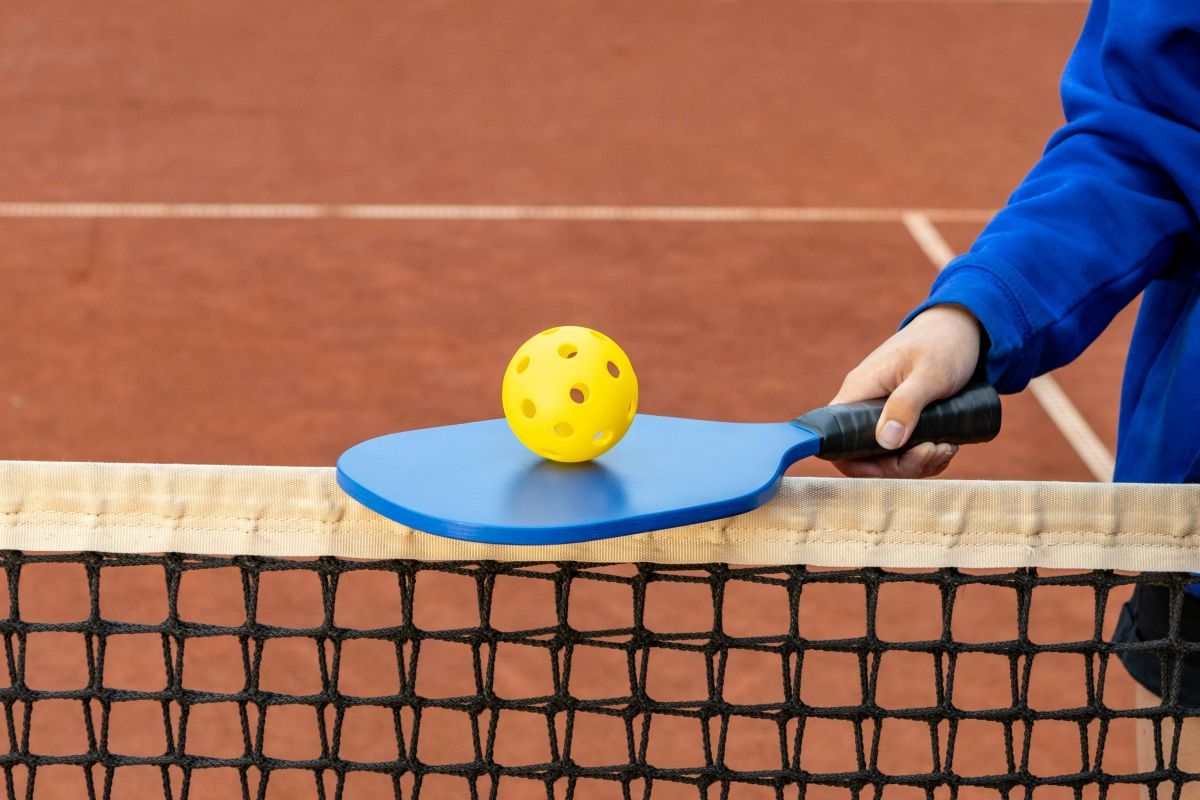
Intermediate players must evaluate their developing style.
Those transitioning into more aggressive shot-making may experiment with 14mm paddles to increase offensive potential. Others may remain with 16mm for continued control refinement.
This is also the stage where pickleball shots like the third-shot drop and reset volley become priorities, and 16mm's longer dwell time makes both easier to develop.
Advanced & Tournament Players
Advanced players often choose thickness based on strategic specialization.
- Singles players who rely on power and passing shots may prefer 14mm
- Doubles specialists who dominate the kitchen frequently select 16mm for superior reset control
Most PPA Tour pros play 14mm for the pop and hand-speed advantage in fast kitchen exchanges. Ben Johns, consistently ranked among the top players in the world, has used 16mm paddles, which shows there is no single right answer even at the elite level.
At higher levels, thickness becomes a tactical tool rather than a comfort decision. Elite players align equipment with match strategy and opponent tendencies.
Playing Style Considerations
Choosing between a 14mm vs 16mm pickleball paddle becomes significantly easier when evaluated through the lens of playing style. Thickness does not exist in isolation; it amplifies specific tactical tendencies.
Players who clearly understand their court identity can align paddle thickness with how they construct points, transition to the kitchen, and manage pressure exchanges.
| Playing Style | Tactical Identity | 14mm Pickleball Paddle | 16mm Pickleball Paddle |
| Power Baseline Players | Attack from deeper court positions, rely on heavy drives and pace | Increased pop enhances ball speed and shortens opponent reaction time. Faster rebound supports aggressive third-shot drives and passing attempts. | May feel slightly muted for players who depend on explosive pace. Provides added stability if baseline drives need more consistency. |
| Soft-Game Strategists | Prioritize patience, resets, dinks, and extended kitchen exchanges | Can add pace during surprise speed-ups, but may reduce forgiveness during soft exchanges. | Increased dwell time improves drop accuracy, reset control, and defensive stability. Net control becomes more predictable and consistent. |
| Fast-Hands Net Players | Thrive in rapid volley exchanges and counter battles at the kitchen | Responsiveness enhances quick reactions and offensive counters during hand fights. | Greater stability during off-center volleys. Absorbs pace effectively in counter exchanges. Noticeable difference during extended rapid-fire sequences. |
| All-Court Competitors | Blend offensive drives with defensive resets and transition play | Adds offensive edge when finishing points. Supports aggressive court coverage. | Provides balanced control and forgiveness across varied shot selection. Often preferred for consistency in longer rallies. |
How Paddle Thickness Affects Injury Risk and Arm Comfort
Thicker paddles are easier on the arm. The 16mm core absorbs more vibration on contact, reducing shock transfer into the elbow and wrist.
Arm comfort is an overlooked component of paddle selection. Thicker cores absorb more vibration, reducing shock transfer into the elbow and wrist. Players managing mild discomfort often experience improved comfort with 16mm paddles.
However, mechanics remain the primary factor in injury prevention. Improper swing technique can cause strain regardless of paddle thickness.
Certified coaches connected through Bounce, including professionals affiliated with PTR, PPR, and PCI, can evaluate biomechanics before players attribute discomfort solely to equipment.
Key comfort considerations include:
- Vibration dampening capacity
- Grip size compatibility
- Swing weight
- Stroke mechanics
- Frequency of play
Equipment adjustments should support proper technique, not replace it.
How to Test 14mm vs 16mm Pickleball Paddle Effectively
Testing paddles requires structured evaluation rather than casual hits.
What to Evaluate During Play
- Reset consistency under pressure
- Drive depth and penetration
- Reaction speed in hand battles
- Fatigue over extended rallies
- Stability on off-center contact
Testing Environments
- Drills focused on resets and drops
- Competitive open play
- Structured league matches
- Private coaching sessions
When to Switch Between 14mm and 16mm

The clearest sign it's time to switch is a consistent pattern of errors that equipment, not technique, is causing.
Performance plateaus sometimes indicate equipment mismatch. Players who struggle generating pace despite strong mechanics may benefit from transitioning to 14mm.
Conversely, players who lose consistency during defensive exchanges may benefit from moving to 16mm.
Switching thickness may also align with tournament strategy. Faster indoor courts may reward control, while outdoor conditions might encourage added pace.
Equipment decisions should evolve alongside skill development.
Final Verdict: Which Is Better - 14mm or 16mm?
There is no universal answer in the 14mm vs 16mm pickleball paddle debate. A 14mm paddle amplifies offensive explosiveness and reaction speed. A 16mm paddle enhances control, forgiveness, and stability. Each thickness supports different tactical priorities.
The correct choice depends on skill level, playing style, comfort preferences, and competitive goals. Equipment should reinforce strengths while addressing weaknesses. Players improve fastest when paddle selection aligns with structured development and consistent match exposure.
Bounce’s city-based ecosystem helps players refine that alignment by connecting them with certified coaches, organized leagues, and competitive formats that accelerate growth.
Paddle thickness influences performance, but improvement ultimately depends on how effectively players integrate equipment into purposeful practice and structured competition.
Frequently asked questions
Should I buy a 14mm or 16mm pickleball paddle?
Buy 16mm if your game relies on soft shots, resets, and kitchen consistency. It's more forgiving and easier to control under pressure. Buy 14mm if you're an aggressive counter player who wins points with speed-ups and hand battles. Most players below 4.0 improve more consistently with 16mm.
Is 14mm more powerful than 16mm?
Not exactly. A 14mm paddle delivers more pop on short swings, which helps with counters and speed-ups. A 16mm paddle can generate comparable power on full drives because the thicker core transfers more mass through contact. Power on drives depends as much on swing mechanics as on paddle thickness.
Do pros use 14mm or 16mm pickleball paddles?
Most PPA Tour pros play 14mm for the pop and hand-speed advantage in fast kitchen exchanges. Some elite players prefer 16mm for reset control, and paddle choice at the pro level shifts with sponsorships and match strategy. There is no single consensus.
What is the best thickness for a pickleball paddle?
There is no single best thickness. For most recreational and developing players, 16mm is the safer starting point: more forgiving, easier to reset with, and better for building soft-game fundamentals. If you're playing competitively at 4.0+ and want more offensive pop, testing a 14mm paddle makes sense.
Is it better to have a thick or thin pickleball paddle?
Thicker paddles (16mm) are better for consistency and arm comfort. Thinner paddles (14mm) are better for pop and hand speed. The right answer depends on your playing style: if you lose more points on errors than missed counters, go thicker.