Spin separates reactive players from control players.
Flat shots feel safer. They also give opponents predictable ball flight, a steady bounce height, and time to attack. Spin changes the flight, the bounce, and the timing of the next shot.
A topspin drive dips late. A backspin dink stays low. A sidespin serve pulls the returner off their setup position. They are tools, and the mechanics are easier to learn than they look.
Want a quick answer? Pickleball spin comes from brushing the paddle across the ball at contact. Contact point and paddle angle drive most of the result. Topspin makes the ball dip. Backspin keeps it slow and low. Sidespin moves opponents sideways.
This guide covers the physics, the contact cues, the drills, the equipment factors, and the match situations where spin helps you win more points.
The physics behind pickleball spin
You do not need an engineering degree to hit a better topspin drive. But you do need to understand why the ball behaves the way it does.
When a spinning ball moves through the air, airflow changes around the surface of the ball. That creates pressure differences, which can pull the ball down, lift it, or move it sideways depending on the direction of the spin.
NASA explains this effect through the ideal lift of a spinning ball, which is the same basic physics behind curveballs, topspin tennis shots, and spin-heavy pickleball drives.
For a player, the practical takeaway is simple. Topspin helps a faster ball drop into the court. Backspin lets a softer ball float longer, then skid lower after the bounce. Sidespin bends the ball path and changes the opponent’s contact point.
A flat drive and a topspin drive can leave your paddle at the same speed. The topspin version gives you more margin because the ball drops sooner. That is why better players can swing aggressively without spraying every ball long.
The 4 variables that create spin
Spin depends on 4 variables. Get the first 2 right before worrying about power.
1. Paddle face angle: closed for topspin, open for backspin, angled slightly sideways for sidespin.
2. Contact point: below center for topspin, above center for backspin, on the side for sidespin.
3. Swing path: low to high for topspin, high to low for backspin, across the ball for sidespin.
4. Grip pressure: loose enough for the wrist to move, firm enough to control the paddle.
The biggest beginner mistake is trying to hit harder. Speed helps only after the contact point and paddle angle are correct. A harder flat swing creates a harder flat ball. A cleaner brush creates spin.
Spin fundamentals: where to start
Before tactics, learn the 2 pillars: contact point and paddle angle. Grip, footwork, and swing speed all matter, but they sit on top of those 2 skills. Contact point controls the spin direction.
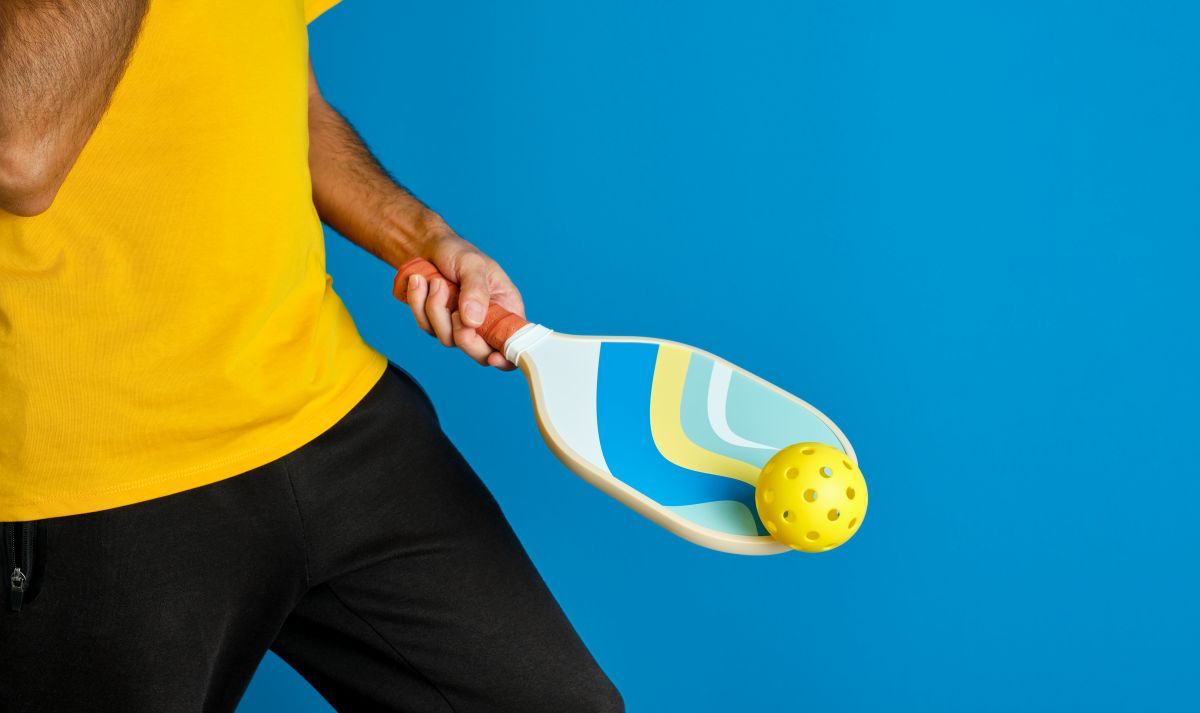
Contact point means the part of the ball your paddle brushes. Beginners tend to hit the center of the ball, which produces a flatter shot. To create topspin, brush the lower half. To create backspin, brush the upper half. To create sidespin, brush across the side.
The hard part is that the ball is moving through its bounce arc. A ball hit at knee height needs a different contact point than a ball hit at chest height. That is why spin consistency usually breaks down when footwork breaks down.
Paddle angle sets the margin
Paddle angle is the face position at contact. For topspin, the face closes slightly. For backspin, the face opens slightly. Small changes matter. A few degrees can be the difference between a dipping drive and a ball that dives into the net.
A useful cue: set the paddle angle before the swing starts. Players who change the face at the last second usually miss long, dump the ball, or lose the spin completely.
Grip pressure keeps the wrist alive
Use a grip pressure around 5 out of 10. Tight enough to control the paddle. Loose enough for the wrist to brush through contact.
A tight grip locks the forearm and turns the swing into a push. If your spin disappears late in games, check your forearm after the match. A tired, tense forearm usually means you squeezed harder as the score got closer.
A simple reset: hit 20 slow topspin swings while holding the paddle almost too loosely. Then bring the pressure back to a usable middle point. Training at a 3 helps your normal match grip settle closer to 5.
Common beginner spin mistakes
- Over-gripping: the wrist locks, so the brush disappears.
- Late contact: the ball gets past the body, so the paddle meets the wrong part of the ball.
- No follow-through: the swing stops at contact, which kills the brushing motion.
- Off-balance footwork: the paddle face changes from shot to shot.
First drill: wall spin work
Wall work gives you fast feedback without needing a partner. Stand 8 to 10 feet from a wall. Drop the ball, let it bounce once, then hit the target spin.
1. 20 topspin shots: contact below the ball, closed face, upward brush.
2. 20 backspin shots: contact above the ball, open face, downward slice.
3. 20 sidespin shots: contact on the side of the ball, sideways brush.
4. 40 mixed shots: call the spin before you hit.
Target: 80% accuracy. Duration: 10 to 15 minutes, 2 to 3 times per week. Once you can hit 100 wall shots with 80% accuracy for 2 straight weeks, move to partner feeds.
A coach can speed this up because the mistake is usually visible in seconds: late contact, grip tension, or a paddle face that opens at the last moment. If solo work stops giving you clear answers, finding the right pickleball coach can save weeks of guessing.
Core spin shots every player should master
Learn all 3 spin types, then match each one to the right situation. Spin works when the shot fits the ball height, court position, and score.
| Spin type | Best use | Main contact cue | Common miss |
| Topspin | Drives, attacks, dipping shots | Brush up the back of the ball | Swinging too flat |
| Backspin | Dinks, drops, resets, returns | Slice down through the ball | Scooping upward |
| Sidespin | Serves, wide drives, angle changes | Brush across the side | Over-angling the paddle |
Topspin
Topspin is the first spin to learn. It gives drives more margin because the ball dips sooner, which lets you swing through the shot without sending it deep.
Use topspin when you are driving from the baseline, attacking a high ball, pushing opponents back from the kitchen line, or turning a soft sitter into pressure.
- Contact point: lower half of the ball.
- Paddle angle: closed 15 to 30 degrees.
- Swing path: low to high, finishing near shoulder height.
- Cue: brush up the back of the ball before you swing faster.
If the ball flies high, close the face slightly. If it hits the net, contact the ball lower and lift through the brush. If direction changes every time, fix footwork first.
Backspin
Backspin is your control tool. It helps dinks, drops, resets, and sliced returns stay low enough to reduce attack angles.
Use it when you need to slow the rally, keep a net player from attacking, or force an opponent to lift the next ball.
- Contact point: upper half of the ball.
- Paddle angle: open 15 to 30 degrees.
- Swing path: high to low, finishing in front of the body.
- Cue: slice through the ball instead of scooping under it.
The common error is a late upward scoop. That floats the ball and gives the opponent an easy attack. Commit to the downward path through contact.
Sidespin
Sidespin is a variation. It can move a returner off balance, pull a player wide, or change the shape of a third-shot drop. It is harder to repeat than topspin or backspin, so build it after those 2 are reliable.
- Contact point: left or right side of the ball.
- Paddle angle: mostly vertical with a small angle change.
- Swing path: across the ball, finishing across the body.
- Cue: brush sideways without steering the whole shot off court.
If the ball misses wide, keep the paddle more vertical. If the spin effect is weak, increase brush speed before increasing swing size.
Intermediate spin strategy
Reliable mechanics are the starting point. The next step is using spin to change what your opponent can do with the next ball.
Use spin in sequences
Sequences make spin harder to read. A topspin drive followed by a backspin drop is a classic pattern: the first shot pushes your opponent back, the second shot lands short and low.
Another sequence: sidespin drive wide, partner closes middle, net player loses time. That spin pattern changes the court shape.
Spin becomes more useful when you test it in real games. Bounce helps players find organized play, leagues, and local sessions where those patterns show up under pressure.
Spin in the transition zone
The transition zone sits between the baseline and the kitchen. It is where many points are decided because you are moving forward while the opponent is trying to keep you back.
Use backspin resets to keep the ball low and buy time. Use a short topspin roll only when the ball sits high enough. Aggressive topspin from a low transition ball has a small margin and usually creates errors.
Read the opponent before choosing spin
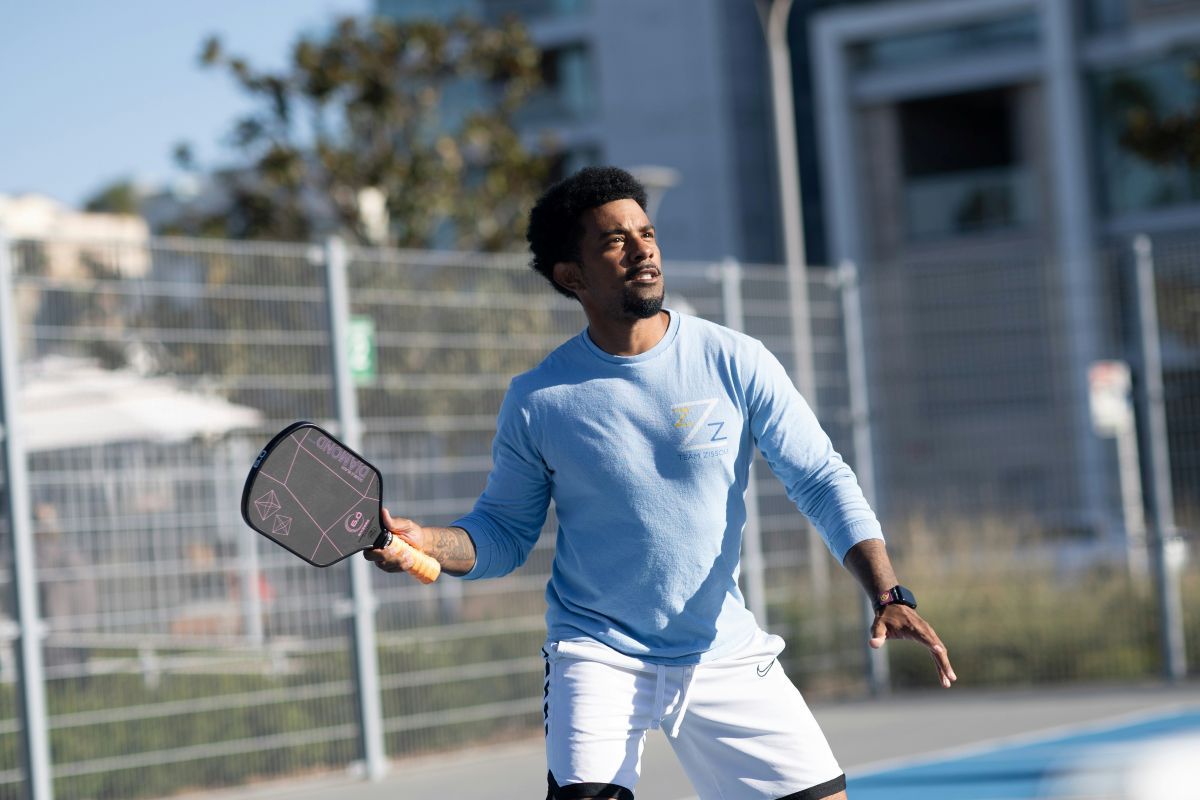
Watch the paddle before contact. Open face usually means slice. Closed face usually means topspin. Watch the ball flight after contact: topspin drops faster, backspin floats longer, sidespin moves laterally.
When topspin comes at you, close the paddle face slightly and meet the ball early. When backspin comes at you, open the face enough to lift the ball back over the net. Returning spin is usually a contact-point problem before it is a power problem.
When to keep the shot simple
Use less spin when you are off balance, stretched, late, or below knee height. A safe ball that lands is better than a forced spin shot that misses by 4 feet.
Spin works best when you have clean spacing and a repeatable paddle angle. Under pressure, choose the shot you have actually drilled.
Advanced spin applications
High-ball topspin
High balls tempt players to hit flat and hard. Heavy topspin is the better attacking pattern because it lets you swing with pace and still pull the ball down into the court.
Drill it with a partner who feeds soft lobs. Let the ball rise, set the paddle face early, and brush steeply up the back of the ball. Start at 60% speed. Increase pace only when the ball lands in 8 of 10 attempts.
Spin disguise
Advanced players use similar preparation, then change contact point late. The setup looks the same, but the ball leaves with different spin.
This only works after the fundamentals are automatic. If you are still thinking about face angle, keep the motion simple. Disguise comes later.
Spin in doubles
Doubles rewards spin because space disappears quickly. Sidespin can pull one player wide. Backspin can force a lift. Topspin can make a fast ball dip at the feet.
Tell your partner what you are trying to create. If you use spin to move one opponent wide, your partner needs to know where the opening is likely to appear.
Drills for every skill level
Beginner drills
- Solo wall spin work: 100 shots total, 20 topspin, 20 backspin, 20 sidespin, 40 mixed. Aim for 80% accuracy.
- Footwork and spin coordination: shuffle left, hit topspin, shuffle right, hit backspin. Keep the contact point in front of the body.
- Wall-to-wall consistency: try for 10 consecutive wall hits with the same spin type.
Intermediate drills
- Partner feed drill: 10 topspin down the line, 10 topspin crosscourt, 10 backspin down the line, 10 backspin crosscourt.
- Speed and height response: partner feeds soft, medium, fast, low, and high balls. Choose the spin based on the ball.
- Transition-zone practice: start near the baseline, move forward, and use resets or rolls depending on height.
Warm-up matters here because spin depends on wrist, forearm, shoulder, and hip timing. Before long drill sessions, use a short routine like these pickleball stretches and warm-up movements so the paddle path does not feel stiff for the first 15 minutes.
Advanced drills
- Pressure constraint game: play points where at least 2 of every 3 planned attacks use spin. Track errors.
- Decision-making feed: partner feeds random balls. You choose spin or safe placement after the feed, not before.
- Match simulation: play a full game using spin only when the setup is clean. Forced spin errors count double.
Equipment considerations for spin
Technique drives most of your spin. Equipment still matters because the paddle face has to grip the ball long enough for the brush to work.
Paddle surface and spin potential
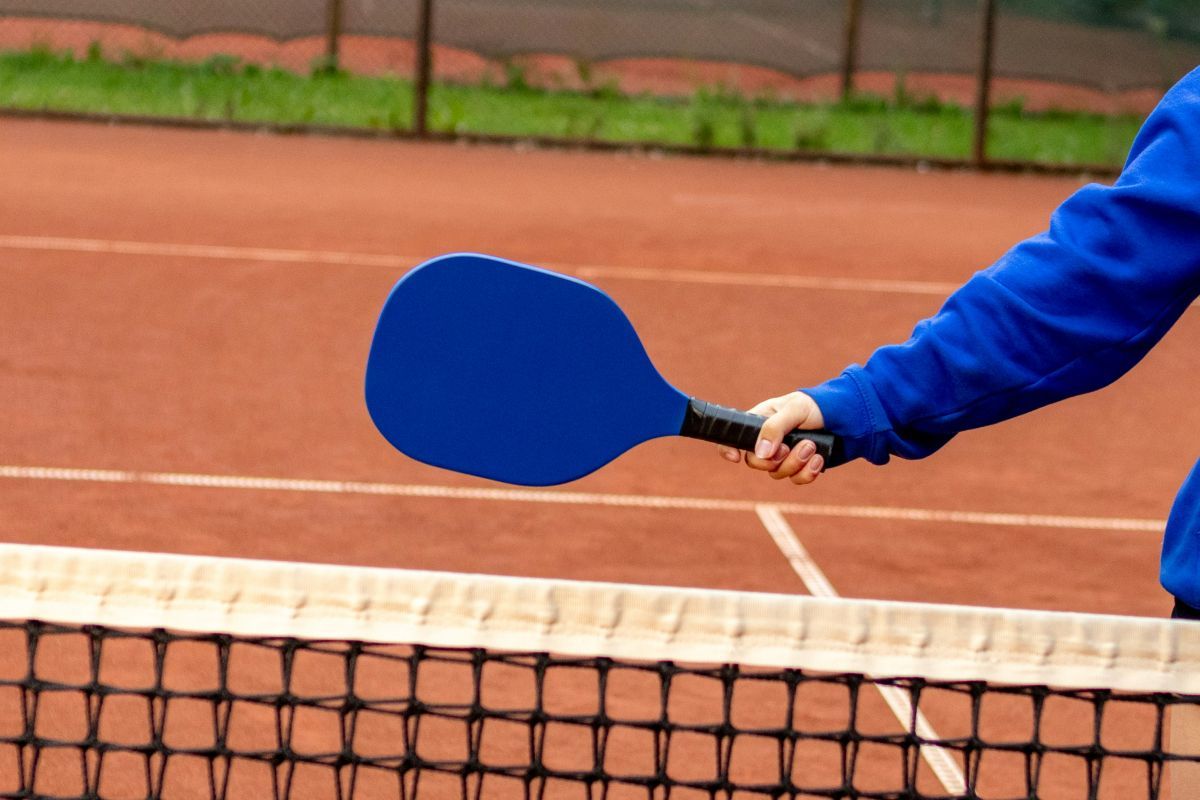
Rougher, textured paddle faces create more friction at contact. More friction means the paddle can grip the ball longer during the brush. Raw carbon fiber faces often give players strong spin potential, while smoother fiberglass faces usually feel poppier and more forgiving.
For a deeper material breakdown, the guide to carbon fiber vs fiberglass pickleball paddles explains how face material changes control, power, and spin. The broader pickleball paddle materials guide covers cores, face layers, and construction terms in more detail.
USA Pickleball also regulates paddle surfaces. The USA Pickleball Equipment Standards Manual includes paddle surface rules, roughness limits, and testing criteria, so the goal is controlled texture, not a sandpaper surface.
Weight and control trade-off
Lighter paddles around 7 to 7.5 ounces are easier to move and can help beginners feel the brush. Heavier paddles around 8 to 8.5 ounces add stability and power, but they can slow the wrist if the player is still learning the motion.
For learning spin, a light or mid-weight paddle is usually the cleaner starting point. Once the contact point is repeatable, you can move heavier if you want more drive power.
Budget and gear expectations
A mid-range paddle around $80 to $150 is enough for learning spin. Premium paddles can improve texture quality and feel, but they do not fix late contact or a locked wrist.
Keep the paddle clean. Ball residue, sweat, and court dust fill the surface texture and reduce friction. Two minutes with a damp microfiber cloth after each session protects spin potential over time.
Common spin mistakes and fixes
Mistake 1: over-gripping
What happens: the wrist locks and the brush turns into a flat push.
Fix: hold the paddle at 5 out of 10 pressure. Practice 20 slow swings with a deliberately loose grip, then bring it back to a functional middle point. Expect 3 to 5 focused sessions before it feels normal.
Mistake 2: late contact
What happens: the ball gets past your body, so the paddle meets the wrong part of the ball.
Fix: mark a contact point about 2 feet in front of your lead foot. Hit slow feeds until you can meet the ball there without reaching. Video from the side if possible.
Mistake 3: inconsistent footwork
What happens: the body arrives in a different position each time, so the paddle angle changes each time.
Fix: drill the step and pivot without a paddle first. Add the swing once the body position repeats. Slow practice works better here than full-speed guessing.
Mistake 4: forcing spin
What happens: you try to spin balls that are too low, too late, or too far from your body. The miss usually comes from the setup, not the swing.
Fix: use spin only when the ball is above the knee, below the shoulder, and in front of the body. For 2 weeks, use spin on roughly 1 of every 3 drives and track the results.
Mistake 5: swinging flat when the ball needs brush
What happens: the paddle travels through the center of the ball and sends it deep. The opponent gets a comfortable attack.
Fix: exaggerate the brush path in slow motion. Add speed after the ball starts dipping or skidding the way you want.
Spin mindset and practice habits
Build confidence in practice first
The best players use the spin shots they have already drilled. Confidence comes from repetition with feedback, not from deciding to be bold at 10 to 10.
Start in low-pressure settings: wall drills, partner feeds, friendly games, and planned practice games. Bring the shot into competitive play after it lands often enough to trust.
Use deliberate practice instead of casual repetition
Casual play often repeats the habits you already have. Focused practice gives you a target, a count, and feedback. Research on deliberate practice and skill development points toward the quality of practice, including feedback and problem solving, as a key part of improvement.
Set a measurable goal before the session. “I am hitting 20 topspin drives crosscourt, and 16 need to land deep.” Then record the result. The number tells you whether the shot is ready for more pressure.
Review misses after matches
A missed spin shot is feedback. After a session, spend 2 minutes writing down what failed. Was the ball too low? Were you late? Did your grip tighten? Did you choose spin when a safe placement would have won the point?
Most spin failures come from 3 sources: late contact, grip tension, or poor shot selection. Once you know which one caused the miss, the next drill becomes obvious.
Rules note: spin is legal, but equipment still has limits
Spin is part of pickleball. The rules problem starts when equipment creates illegal surface effects or fails paddle approval standards. The USA Pickleball Official Rulebook points players back to approved paddle criteria, and competitive players should make sure their paddle is legal before tournament play.
For recreational play, the better concern is simpler: learn clean mechanics before chasing more texture. Technique carries from paddle to paddle. A borderline surface does not.
The bottom line
Spin starts with the contact point, paddle angle, and swing path you already use. Apply them with intention, and the ball starts behaving differently: dipping faster, skidding lower, or moving opponents off their setup position.
Use this 3-week entry plan:
1. Week 1: wall spin drills. 100 shots per session, 2 to 3 sessions, 80% accuracy target.
2. Week 2: partner feeds. Vary speed and height. Choose the correct spin instead of forcing one motion.
3. Week 3 and beyond: use spin in games on about 1 of every 3 drives. Track consistency before increasing volume.
Build consistency before volume. One reliable topspin drive wins more points than 3 forced spin attempts that find the net.
If you want feedback from someone who can see the contact error in real time, Bounce connects players with certified pickleball coaches, organized play, and local racket-sports sessions in their city. Drills build the habit. Good feedback shortens the correction.