The path toward professional pickleball is demanding, structured, and competitive. It requires disciplined training, tournament experience, financial planning, physical conditioning, and immersion in high-level competitive environments.
Recreational success does not automatically translate into professional readiness. The gap between advanced amateur and touring professional is significant and measurable.
Professional pickleball is built on consistency, precision, and strategic execution under pressure. Players who rise to that level treat their development as a long-term performance project rather than a casual hobby.
Success depends on building elite fundamentals, competing relentlessly, refining physical preparation, and surrounding yourself with a structured ecosystem that accelerates growth.
What It Means to Be a Pro Pickleball Player
Professional status in pickleball is defined by:
- Consistent participation in top-tier tournaments
- Earning prize money
- Building ranking points
- In many cases securing sponsorship agreements
Players compete in sanctioned events organized by tours such as the Professional Pickleball Association and team-based competitions like Major League Pickleball. Governance and official rule standards are maintained by USA Pickleball, which also sanctions tournaments across the country.
Professional competition differs substantially from local open tournaments:
- Rally tolerance increases
- Speed accelerates
- Unforced errors become rare
- Points are constructed strategically rather than improvised
Many advanced recreational players underestimate the pace, precision, and mental control required to compete consistently at this level.
Financially, professional pickleball demands strategic planning. Prize money is concentrated among top performers. Travel, lodging, entry fees, and training expenses can exceed early earnings.
Most aspiring professionals spend several years competing at a loss while building rankings and visibility. This reality requires long-term commitment and disciplined budgeting.
Step 1: Build Elite-Level Fundamentals
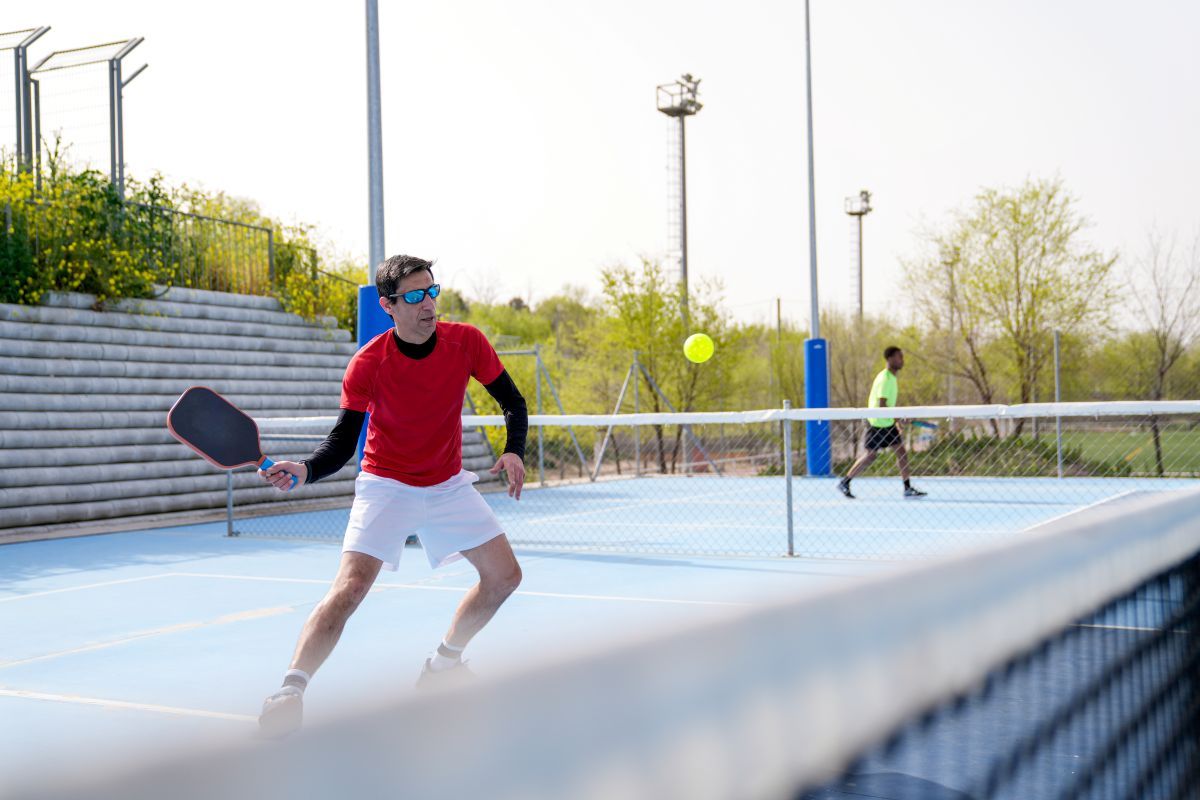
Technical mastery is the foundation of professional performance. Without high-percentage mechanics, advancement stalls regardless of athletic ability. Professionals rely on repeatable technique under fatigue and pressure.
Master Core Technical Skills
A pro-level game requires precision in every phase of the rally:
- Serve variation and depth control to limit aggressive returns
- Third-shot drop consistency from multiple court positions
- Transition resets to neutralize offensive pressure
- Kitchen-line dinking discipline with directional intent
- Speed-up timing and counterattack efficiency
Third-shot execution is particularly critical. The ability to drop consistently from mid-court determines whether a player transitions safely to the non-volley zone.
Many aspiring pros struggle here because they prioritize power over placement. Professional-level players control trajectory, arc, and spin to land balls precisely within target zones.
Reset shots during fast exchanges are equally important. Professional rallies often involve rapid-fire drives and counters. The capacity to soften pace and reestablish neutral positioning separates durable competitors from inconsistent attackers.
Develop Tactical Awareness
Tactical growth transforms strong mechanics into competitive advantage. Professionals constantly evaluate probability, positioning, and opponent tendencies.
Key tactical elements include:
- Stacking strategies to optimize forehand dominance
- Shot pattern recognition during extended rallies
- Intentional targeting of weaker opponents in doubles
- Momentum control during scoring swings
Professionals avoid low-percentage hero shots. They emphasize sustained pressure and structured point construction. Tactical maturity develops through repetition against stronger opponents, not casual open play.
Training Volume and Structure
Most professional hopefuls train between 15–25 hours per week on court. That time includes:
- Drilling
- Structured point play
- Competitive match simulation
Off-court sessions include strength training, mobility work, and recovery protocols.
Training should follow measurable cycles:
| Training Component | Weekly Focus | Purpose |
| Technical Drills | 3–4 sessions | Reinforce mechanics |
| Competitive Sets | 2–3 sessions | Pressure adaptation |
| Conditioning | 2–3 sessions | Power & endurance |
| Film Study | 1 session | Tactical refinement |
Random play does not produce professional consistency. Structured progression does.
Step 2: Compete Relentlessly in Tournaments
Tournament exposure accelerates development faster than practice alone. Competition reveals technical breakdowns that drills often conceal.
Start Local and Progress Strategically
Early progression typically involves:
- Local club tournaments
- Regional sanctioned events
- Open division brackets
Entering higher divisions before consistent success at lower levels builds resilience and exposes weaknesses. Losses against elite players provide valuable tactical insight.
Understand Rating Systems
Rating benchmarks such as DUPR or VAIR provide measurable performance tracking. Moving from a 4.5 rating to 5.0 and beyond requires sustained tournament success against similarly ranked opponents.
Progression often follows this pathway:
- 4.0–4.5: Competitive recreational
- 4.5–5.0: Advanced tournament level
- 5.0+: Open division contender
- 5.5+: Emerging professional
Climbing through these levels requires consistent exposure to higher-speed rallies and disciplined execution.
Gain National-Level Experience
Competing in nationally recognized tournaments increases visibility. Even early exits provide experience against seasoned competitors. Networking with players, coaches, and sponsors begins at this stage.
Aspiring pros must treat tournaments as performance laboratories. Match footage should be reviewed carefully to identify patterns in errors, decision-making, and shot tolerance.
Step 3: Work With High-Level Coaching and Structured Development
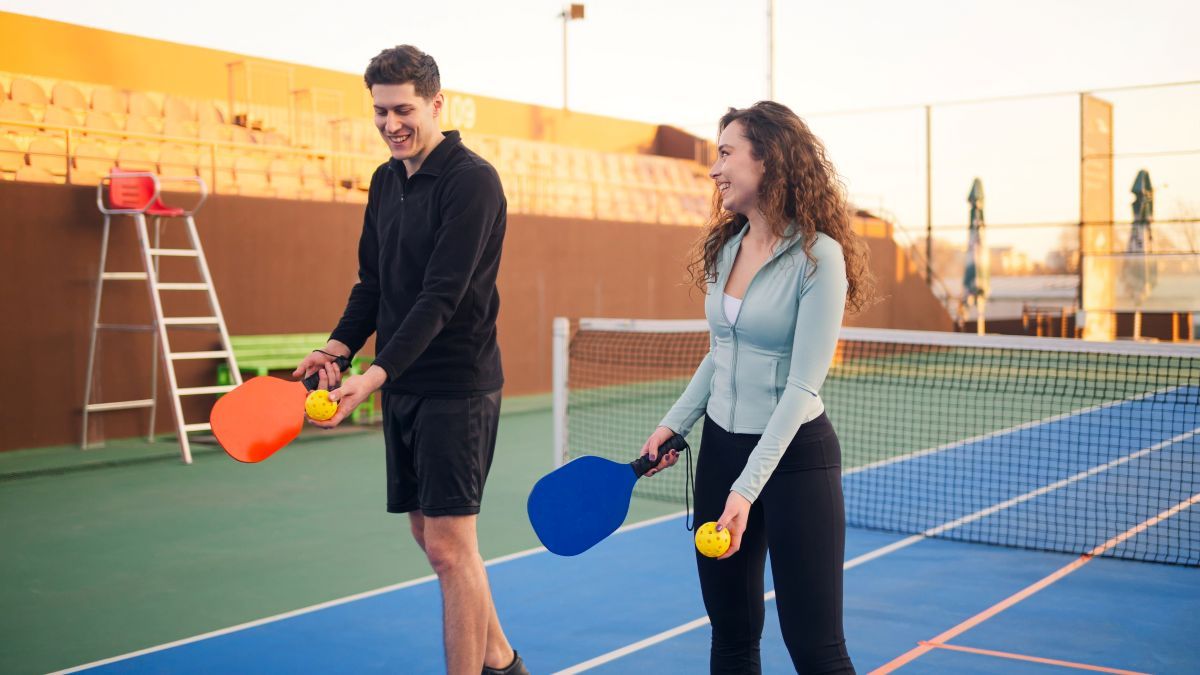
Independent training limits growth at advanced levels. Professional aspirations demand technical correction from experienced coaches.
Certified instructors affiliated with organizations such as PTR, PPR, and PCI often provide structured development plans tailored to high-level competitors. These coaches analyze biomechanics, court positioning, and decision-making patterns through film breakdown.
A structured ecosystem simplifies access to serious training. Platforms like Bounce connect aspiring pros with certified coaches, advanced clinics, and competitive leagues within their city. Rather than relying on informal scheduling, players can identify high-level programs that align with their goals. Bounce functions as a performance infrastructure layer, integrating coaches, clubs, and competitive formats into one searchable environment.
Training within organized systems improves consistency. Recurring advanced clinics, structured ladders, and competitive leagues simulate tournament intensity. Exposure to disciplined environments accelerates skill refinement more effectively than fragmented recreational play.
Step 4: Develop Pro-Level Physical Conditioning
Professional pickleball demands explosive lateral movement, rapid reaction time, and sustained endurance across multi-day tournaments.
Strength and Power
Lower-body strength drives lateral explosiveness. Rotational core strength powers drives and counters. Structured programs typically include:
- Squats and lunges for stability
- Rotational medicine ball throws
- Deadlifts for posterior chain strength
- Core stabilization circuits
Explosive capacity improves shot penetration without sacrificing control.
Agility and Reaction Speed
Agility drills should emphasize:
- Split-step timing
- Short-distance lateral sprints
- Multi-directional cone patterns
- Transition zone recovery steps
Reaction training often includes partner-fed drills with unpredictable ball direction. Professional rallies demand split-second adjustments.
Injury Prevention
Shoulder durability is critical due to repetitive overhead motion. Mobility routines maintain range of motion. Knee and ankle strengthening reduces strain during lateral exchanges.
Recovery protocols include:
- Active stretching sessions
- Ice therapy post-tournament
- Structured rest days
Longevity matters. Burnout or injury delays professional progression significantly.
Step 5: Build Mental Toughness and Competitive Discipline
Professional-level matches hinge on emotional stability. Pressure management becomes as important as physical skill.
Develop Pressure Control
Competitive routines should include:
- Pre-serve breathing sequences
- Between-point reset habits
- Tactical clarity under scoring pressure
Momentum swings are inevitable. Professionals maintain composure regardless of scoreboard fluctuations.
Adopt a Professional Mindset
Consistency outweighs flashy execution. Professionals prioritize probability over risk. Film study reveals:
- Patterns in shot selection
- Opponent tendencies
- Tactical missteps
Discipline extends beyond the court. Structured scheduling, nutritional planning, and travel management preserve energy across demanding tournament circuits.
Step 6: Create Visibility and Earn Sponsorships
Performance alone does not guarantee sponsorship. Visibility and professionalism influence partnership opportunities.
Build a Competitive Resume
Sponsors evaluate:
- Tournament placements
- Ranking progression
- Consistency across events
- Professional conduct
Maintaining documented results strengthens credibility.
Develop Brand Presence
Social media engagement, instructional content, and positive sportsmanship improve marketability. Emerging professionals often supplement income through clinics, exhibitions, and coaching.
Diversified income streams stabilize financial pressure during ranking development. Many touring professionals combine prize earnings with coaching revenue.
Step 7: Transition From Advanced Amateur to Professional Status
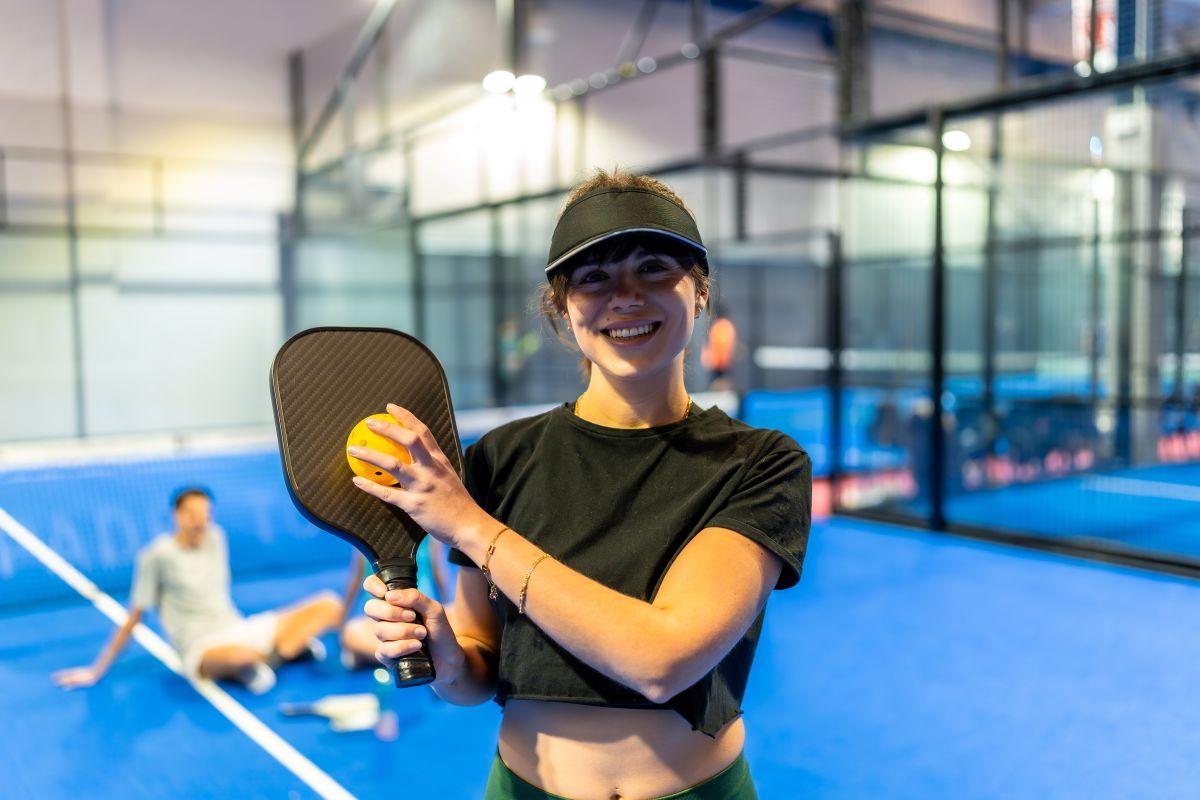
Declaring professional intent involves entering pro brackets and competing against contracted players. Financial planning becomes critical at this stage.
Tournament expenses include:
- Entry fees
- Travel costs
- Lodging
- Equipment replacement
Prize money distribution typically favors top finishers. Early-stage professionals must budget conservatively while building ranking stability.
Transitioning to professional status requires objective performance evaluation. Consistent deep runs in open divisions often signal readiness. Emotional preparation is equally important; professional brackets expose weaknesses immediately.
How Long It Takes to Become a Pro Pickleball Player
The timeline varies based on athletic background. Former high-level tennis players often progress faster due to transferable skills. However, technical adaptation to pickleball’s unique dynamics still requires focused repetition.
Most players require two to six years of structured development before competing credibly at professional levels. Age is less restrictive than discipline. Consistency and exposure to high-level competition determine pace of advancement.
Structured ecosystems accelerate progress. Access to recurring advanced clinics, competitive leagues, and certified coaching shortens the development curve. Fragmented play slows it significantly.
Common Mistakes That Prevent Professional Advancement
- Overemphasizing power instead of consistency
- Avoiding higher-level opponents
- Neglecting doubles specialization
- Ignoring physical conditioning
- Training without measurable progression
Many talented players plateau because they rely on natural ability rather than structured refinement. Sustainable progress requires systematic evaluation and correction.
Conclusion
Becoming a professional pickleball player demands elite fundamentals, relentless competition, structured coaching, physical conditioning, and disciplined mental preparation. Talent alone does not close the gap between advanced amateur and touring professional.
Long-term development, financial planning, and exposure to organized competitive ecosystems determine whether progression continues or stalls.
Players serious about advancing should immerse themselves in environments that challenge and refine performance. Bounce connects coaches, leagues, clinics, and competitive formats into one city-based ecosystem, reducing friction in the journey toward higher-level play.
If you are committed to competing seriously and building a structured pathway, explore advanced programs and certified coaching opportunities through Bounce and begin training with purpose.